Follow to learn how to bootstrap your startup to $100M+. Sharing advice from successful founders and myself. Founded/exited TheRedPin, GoTakeOut. CEO @RechatHQ
Thrilled to be named top Proptech Entrepreneur of the Year by @Inman! This prestigious award is not only an honor but a testament to the hard work of our team ❤️
Honored to announce that our CEO, @shayanhamidi, has been named a 2023 Best of Proptech Award Winner by Inman! We're proud of Shayan's visionary leadership and our team's dedication to innovation in the real estate industry. Thank you @inmannews for this prestigious recognition!
AI agents will fundamentally reshape the relationship between software vendors and customers over time.
For the history of enterprise software, vendors sold customers technology that the customer was ultimately responsible for getting the value from. Software was just a tool, and it was largely up to the customer to figure out how to use that tool and get their employees to use it in productive ways.
With AI agents, software vendors are now providing the work to the customer, not just the tools. If you’re a life sciences company and you have Agents that are reviewing your drug trial data, or if you’re a law firm using agents to review and process contests, the vendor is now an extension of your workforce.
The implications to this are massive, because now the software is essentially a supplier of work output, much more akin to a professional services provider in the past.
Here are just a few things that change as a result:
* Domain orientation: the winning AI agent providers will likely be the vendors that have the best understanding of the domain or problem they’re going after. No enterprise wants to hire the 3rd best person they can afford, and it will be the same with agents. The best agents in their respective domain will provide disproportionate value to the customer, so having a deep domain focus will be a huge leg up.
* Evals: Evals will become a much bigger deal in the enterprise. How do you deploy agents if you don’t know how well the agent is performing at a task? Evals are essentially the new performance review system for autonomous work. And it will be even more important for agents than people given the blast radius of a good vs. bad agentic workflow.
* Implementation: The implementation of agents also looks very different from traditional software because you are actually changing the underlying workflow for the customer. The need to get data, tools, context engineering, and the employee change management is going to be bespoke per customer. This is why forward deployed engineers are growing in popularity, but we’re still very early in realizing how big of a change this will be for software vendors.
Support: when you’re actually now on the hook for a company’s ultimate work output, the support dynamics are going to change meaningfully. A customer is no longer calling you because they can’t login or there’s a bug in your software that they can try and work around, but now because an agent didn’t deliver the desired output needed. This is going to require a very different level of support for customers that are far more tailored to he customer’s business process.
* Versioning: when you’re supplying work to an enterprise, you don’t have the same flexibility of just being able to change the work output at any moment. It would be like if all of a company’s employees came in one day and uniformly operated differently. This is going to have huge long term implications to how agent updates work in an enterprise and how prior versions get maintained.
* System integration: As an aside, there’s going to be room for a new type of system integrator to emerge (or for existing ones to pivot) for implementing and helping manage AI agents. Because of the complexity of deploying and operating agents, and the change management necessary, most companies will need support along the way - there will likely eventually be points of aggregation from the SIs.
These are just a few of the changes that will start to emerge when software providers sell and deliver ultimate work output to customers. But it’s going to be a very big change over time.
The reason why going AI-first as a company is so important now is best captured by Paul Graham's startup advice of "live in the future, then build what's missing." AI-first companies will see new problems to solve soonest, and that flywheel will only compound over time.
Struggling with tech adoption in your brokerage?
Join us for "Get Agents to Love Your Tech" and discover proven strategies to boost agent engagement, reduce friction, and ensure long-term success.
📅 Thursday, February 20th| ⏰ 2 pm EST
👉 Register now: https://t.co/SUxOAkBQQW
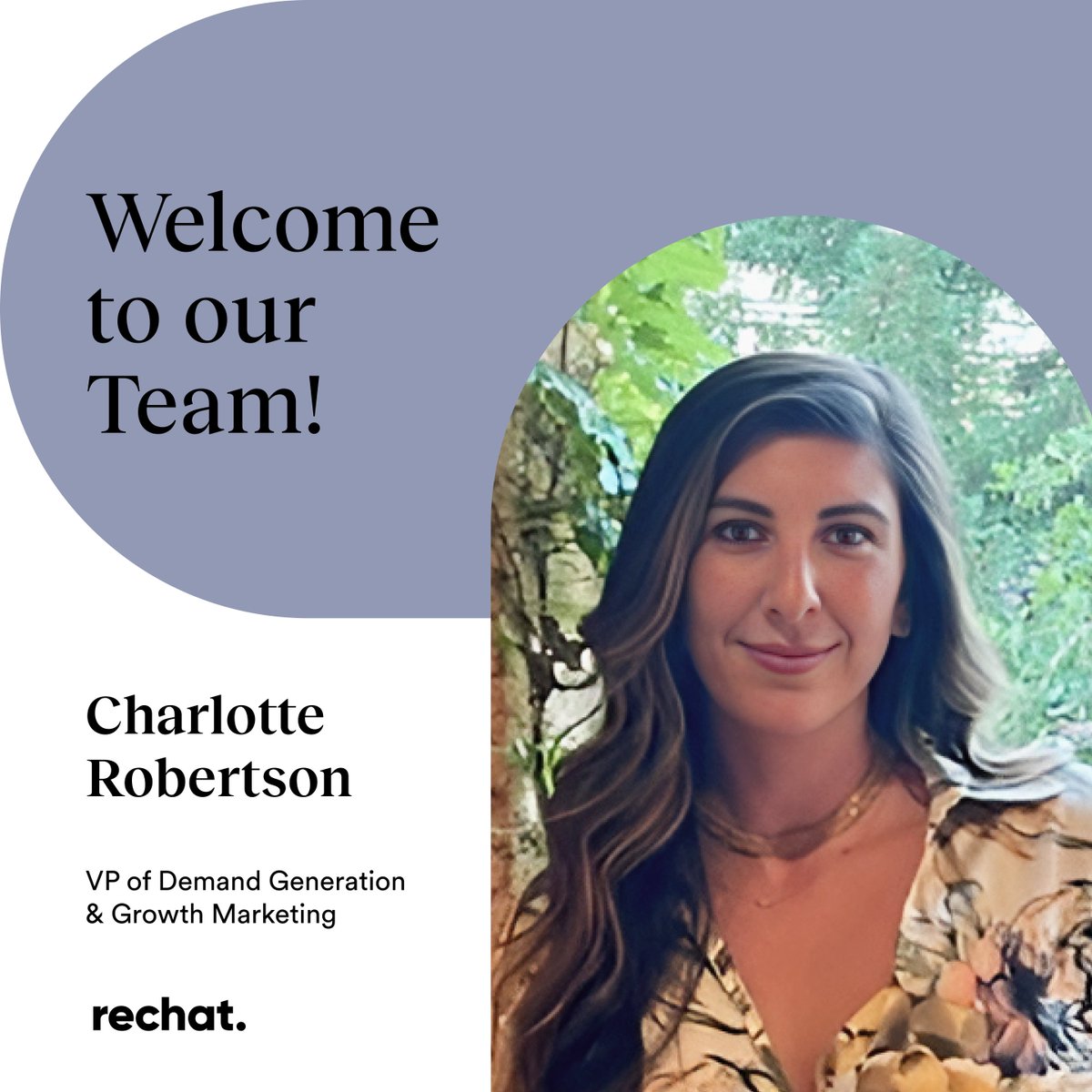
We’re thrilled to welcome Charlotte as our new VP of Demand Gen & Growth Marketing! With her extensive experience at companies like Boomtown and Inside Real Estate, Charlotte is uniquely equipped to help with Rechat's continued growth.
Join us in welcoming her to the team! 🙌🏻
Elon Musk spent $277 million to elect Donald Trump President.
Since Election Day, he has become $154 billion richer.
Not a bad return on his investment.
WINNING: THIS IS HUGE
Temu, SHEIN and all these tacky fast fashion companies that sell mostly crap have long relied on an unfair and unwarranted trade advantage.
They have long been beneficiaries of what is called the "de minimis loophole."
This loophole allows goods to be shipped directly from overseas to American consumers so long as the value of EACH PACKAGE is under US$800, without any customs declaration.
It's cheap, direct, untaxed and unregulated. It's a law that's existed since the 1930s, long before the internet and the existence of e-commerce retailers.
Last year the US received a BILLION packages from China through this loophole. CBP (Customs and Border Protection) cannot possibly inspect items at this scale so things do slip through the cracks - unsafe items, knock-offs, products made with forced labor from Xinjiang and yes, chemicals that are used to make FENTANYL.
To put things in context:
In 2022, GAP paid $700 million while H&M paid $200 million in import taxes.
Temu paid ZERO.
"Free trade" once again is not free. It's flooding our markets with cheap crappy potentially toxic goods, gutting our own retail markets, and allowing unsavory foreign competitors to exploit loopholes and gain unfair competitive advantages over retailers who HAVE to play by the rule because of... geography.
Now, we have closed this loophole for goods coming in from China.
🏆
DeepSeek just proved the 'worthless' GPT wrapper startups are actually the ones with real moats.
A week ago, nothing was more LOW status than being a 'GPT wrapper' startup.
But I think we're learning that's DEAD wrong. Turns out they were just early to the only game that matters
While DeepSeek, Meta, Anthropic and Microsoft battle over benchmark scores, these 'wrapper' companies have been quietly building the only moat that matters: interface loyalty.
Because of how big owning the LLM is for national defense and the economy, the next breakthrough model is always 2 weeks away. DeepSeek launches today, someone else drops a better one tomorrow.
But getting millions of people to make your product part of their daily workflow - that's the real barrier to entry. ChatGPT didn't win because it had the best model. It won because it was dead simple to use. And I think it has staying power because of that.
This is why all those AI startups we dismissed are actually positioned to win. They're not competing on model performance - they're competing on being the default way humans interact with AI.
Frontier models are becoming commodities. User habits aren't. While everyone obsesses over the next architecture breakthrough, the real game is being played in the interface layer. The moat isn't in the model - it's in being the tool people reach for without thinking.
Technology advantage is temporary. Interface lock-in is forever.
Keep shipping those wrappers, my friends.
We’re excited to welcome Evan as our new Senior Account Executive! With extensive experience in account management and a strong track record in tech, he’s ready to drive client success. We can’t wait to see the amazing impact he’ll make with our team!
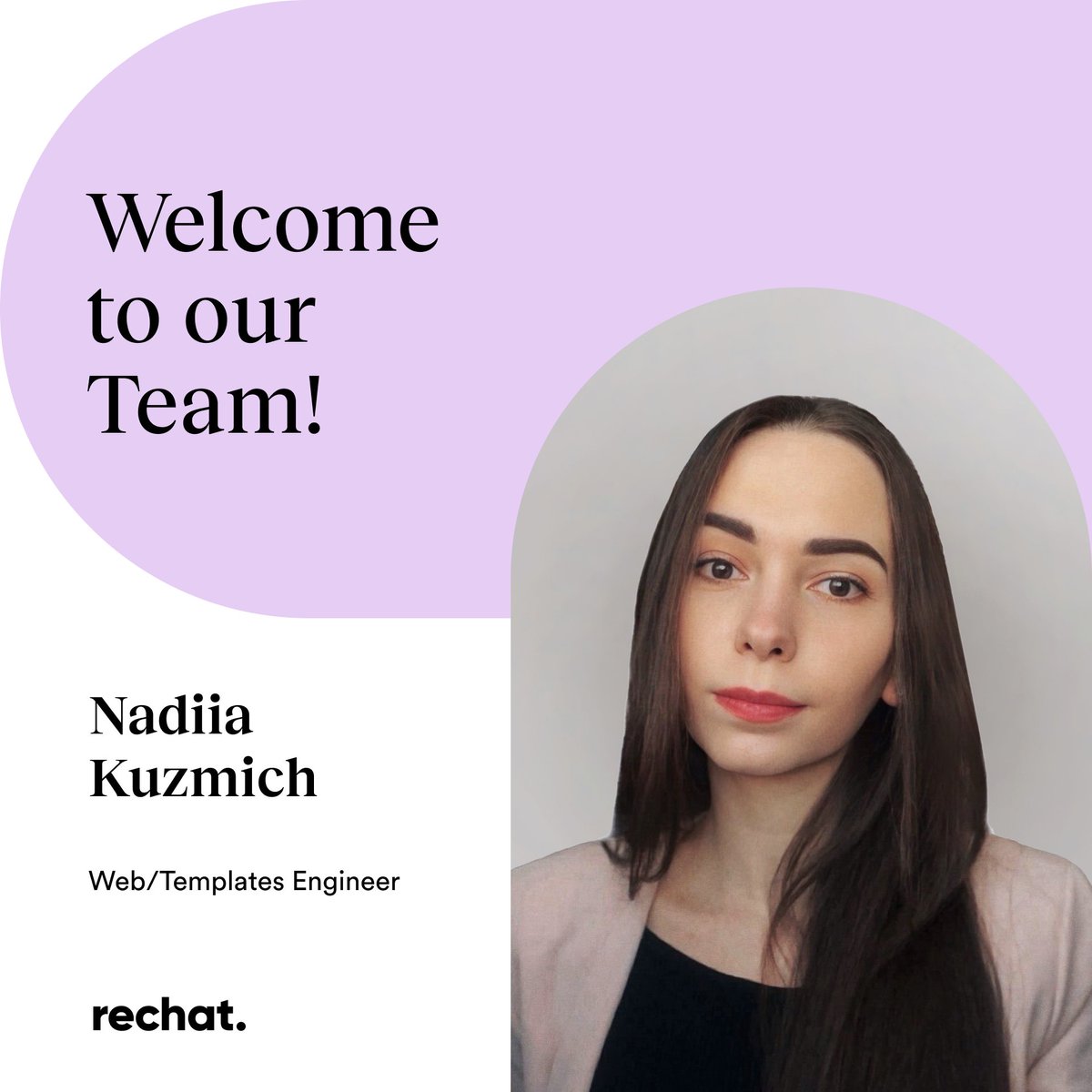
Join us in welcoming Nadiia to the Rechat team!
As our new Templates Engineer, Nadiia will be working closely with the team to bring stunning new templates to life. We’re so excited to have her on board!
I'm not sure people understand how important this is:
Goldman Sachs CEO says that AI can draft 95% of an IPO prospectus “in minutes.”
White collar jobs will go first.... and fast.