Early structure/function correlates in neovascular age-related macular degeneration using AI-derived OCT biomarkers
https://t.co/rho40FFseU
#ophthalmology
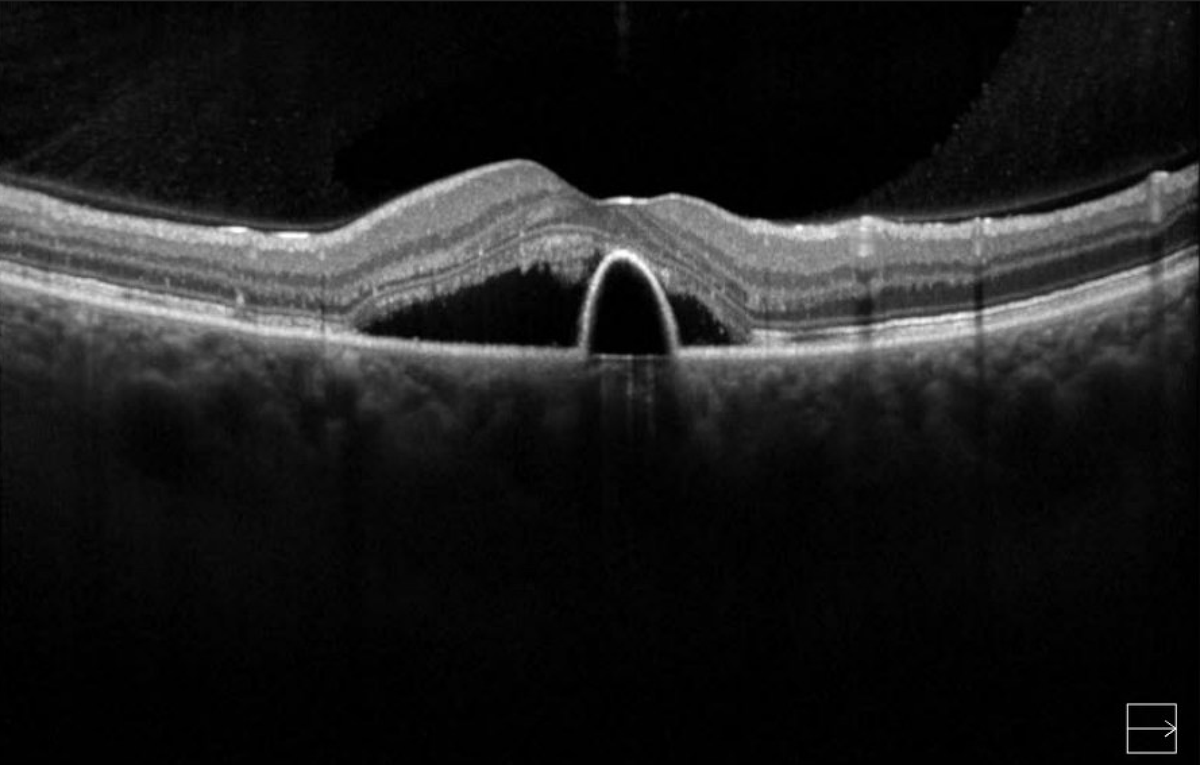
A 31-year-old woman presented with visual disturbance in the right eye 2 weeks after accidental exposure to a laser beam emitted from an aesthetic laser device equipped with 755-nm alexandrite and 1064-nm neodymium:yttrium–aluminum–garnet lasers during handpiece repositioning. Fundus photography (A) showed a subfoveal yellowish lesion. OCT (B, upper row) revealed focal disruption of Bruch membrane and subretinal hyperreflective material with subretinal fluid. OCT angiography (B, lower row) demonstrated a neovascular network consistent with choroidal neovascularization secondary to laser-induced photothermal damage. One day (C) and 1 week (D) after a single Faricimab injection, imaging showed regression with persistent subretinal fluid, residual pigment epithelial detachment, and attenuation of the neovascular network.
https://t.co/IBjMa2J1MX
#ophthalmology #retina
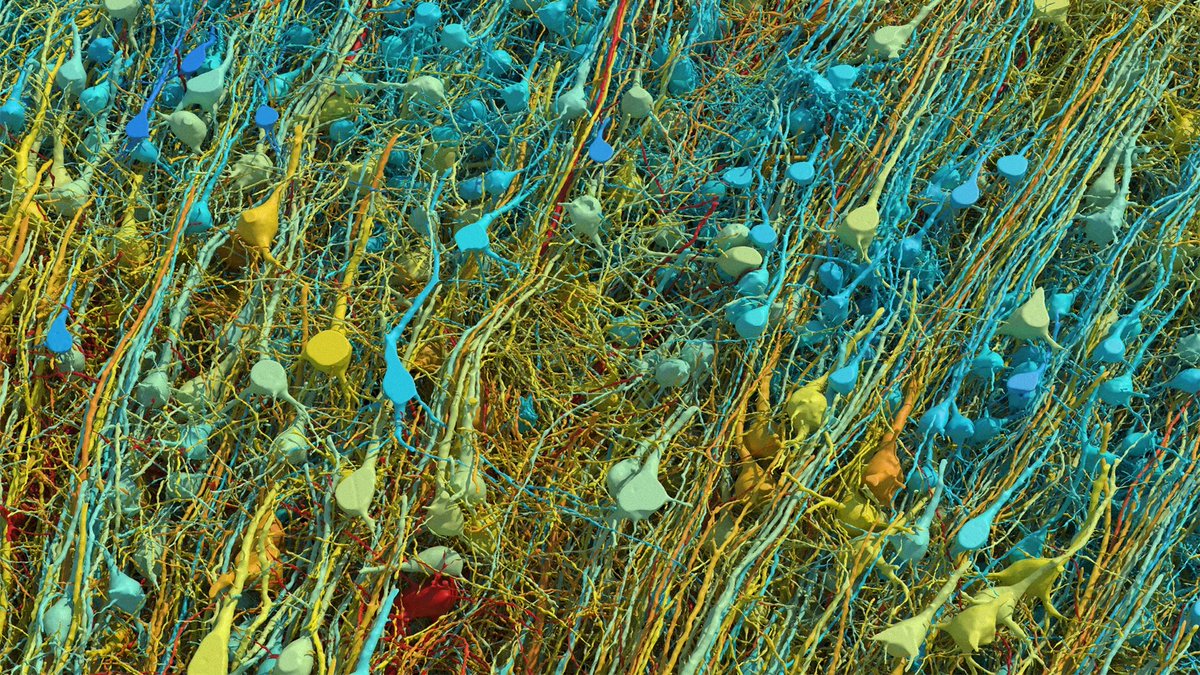
Months of living side by side in Antarctic isolation carried an unexpected risk: the crew members with the most contact were also more likely to report conflict and mistrust. @PNASNews https://t.co/cyjdxxHIJc
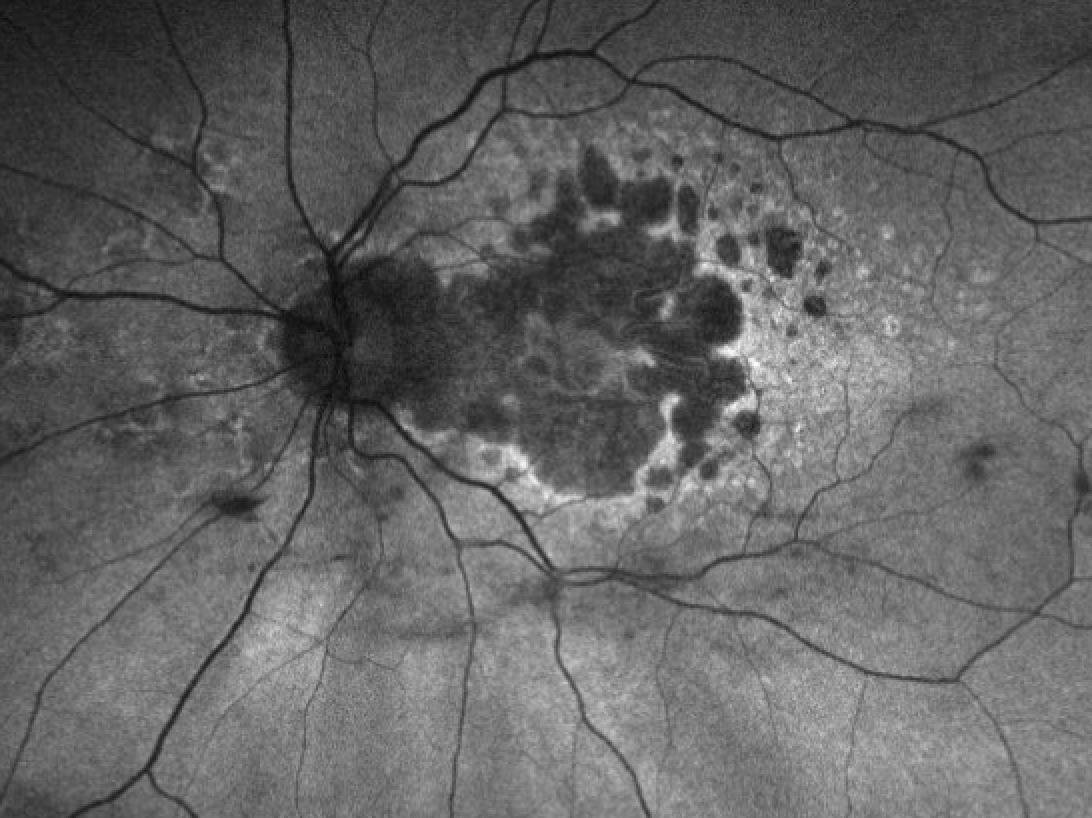
🎙️ NEW: A breakthrough Phase 3 result in Stargardt disease & a rapidly evolving treatment landscape.
Hear expert insights on ABCA4, new disease discoveries & emerging therapies.
🎧 Listen here: https://t.co/BLenPiyEwi
#Ophthalmology#Retina#MedicalResearch#Podcast#Euretina
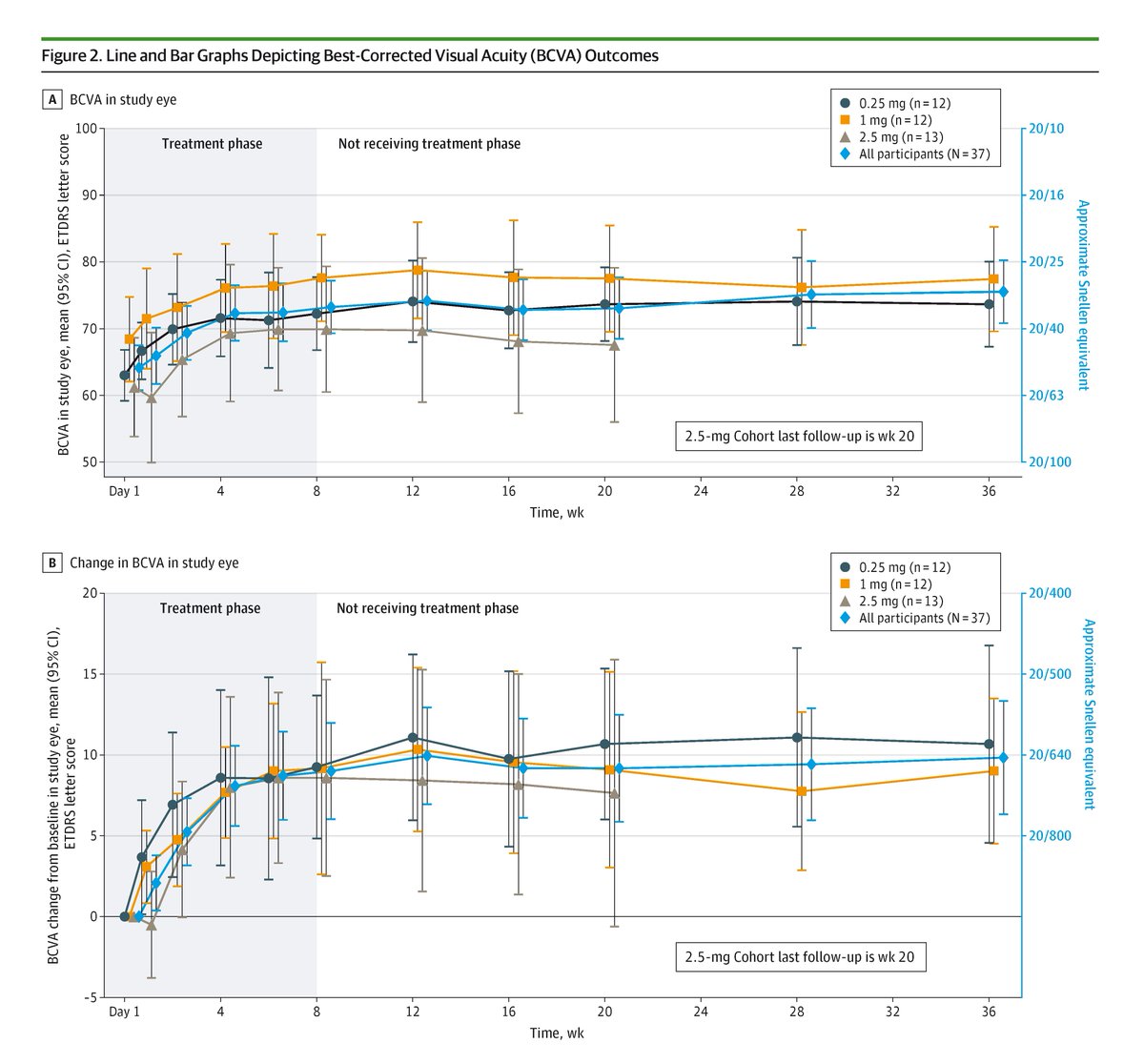
Intravitreal vamikibart was tolerated and associated with improved visual acuity and reduced macular thickness over 12 weeks in a phase 1 trial for uveitic macular edema secondary to noninfectious uveitis. https://t.co/fuoRq7xNV8