1/2 What actually goes into building a rocket?
When we talk about the space industry, usually the conversations start with rocket launches and satellites.
But have a look at a launch vehicle. There is a whole chain of specialised components sitting inside it each has a different job, and a failure in any one of them can put the entire mission at risk.
Let's break it down.
1. Strap on boosters
These are attached to the sides of the rocket and provide extra thrust during lift-off they help the vehicle get off the ground before separating once their fuel is used up.
2. Main engines
The main source of thrust. They burn fuel and an oxidiser to push the rocket upwards engine performance has a direct bearing on how much payload a vehicle can carry.
3. Propellant tanks and structures
Rockets need to carry both fuel and oxidiser. These tanks have to withstand extreme pressure, temperature and vibration, while keeping the overall vehicle as light as possible.
4. Valves and turbopumps
These control the flow of propellants into the engines. Turbopumps move fuel and oxidiser at very high pressures. This is a highly specialised area of engineering.
5. Upper stage engine
Once the first stage separates, the upper stage provides the additional velocity needed to place the satellite in its intended orbit.
6. RCS thrusters
Reaction Control System thrusters help control the rocket's orientation and stabilise it during flight.
7. Avionics and guidance systems
Think of these as the rocket's control and navigation systems. They process information, monitor the vehicle and help guide it along the planned flight path.
8. Payload fairing and adapter
The fairing protects the satellite from aerodynamic forces, heat and environmental stress during ascent. Once the vehicle reaches the required stage, the fairing separates. The payload adapter then helps release the satellite into orbit.
Looking at this, one thing becomes clear building a rocket is not just about developing an engine. It requires capabilities in propulsion, materials, precision engineering, electronics, software and structural manufacturing.
#SpaceEconomy #Aerospace #IndianSpaceSector #SpaceTechnology
Image source: Anand Rathi
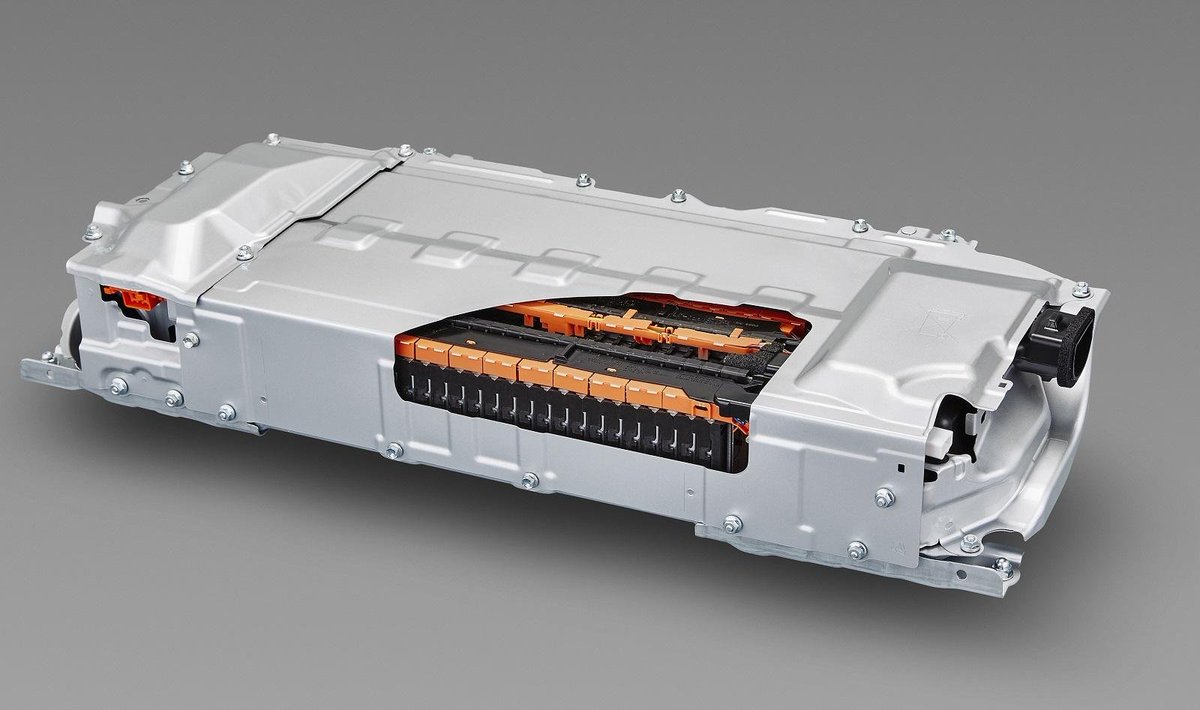
The battery opportunity may be bigger than just electric vehicles.
Two very different stories caught my attention this week.
In the US, automakers are putting serious money behind hybrids. Honda is investing $3 billion in Ohio, Hyundai is increasing US hybrid production and even General Motors is getting into the game.
The numbers tell an interesting story. Hybrids accounted for 17% of US new vehicle sales in between July to September quarter. EVs were at just 6%.
But here's another important development I found interesting.
Japan is upgrading its H3 rocket to carry up to 16 small satellites in a single launch more than 4,400 small satellites were launched globally in 2025, over 30 times the number in 2016.
These satellites need batteries too. Not large automotive battery packs but lightweight, highly reliable batteries that can survive the conditions in space.
The two markets are very different, but both need better battery technology.
Hybrid vehicles offer scale, space applications offer a specialised market with much higher technical requirement. I wonder how many battery companies are looking at opportunities beyond EVs.
I feel we spend so much time tracking EV battery demand perhaps we should start paying more attention to these smaller emerging markets too.
#Batteries #HybridVehicles #SpaceIndustry #EV #Space #Satellites #USA #Japan
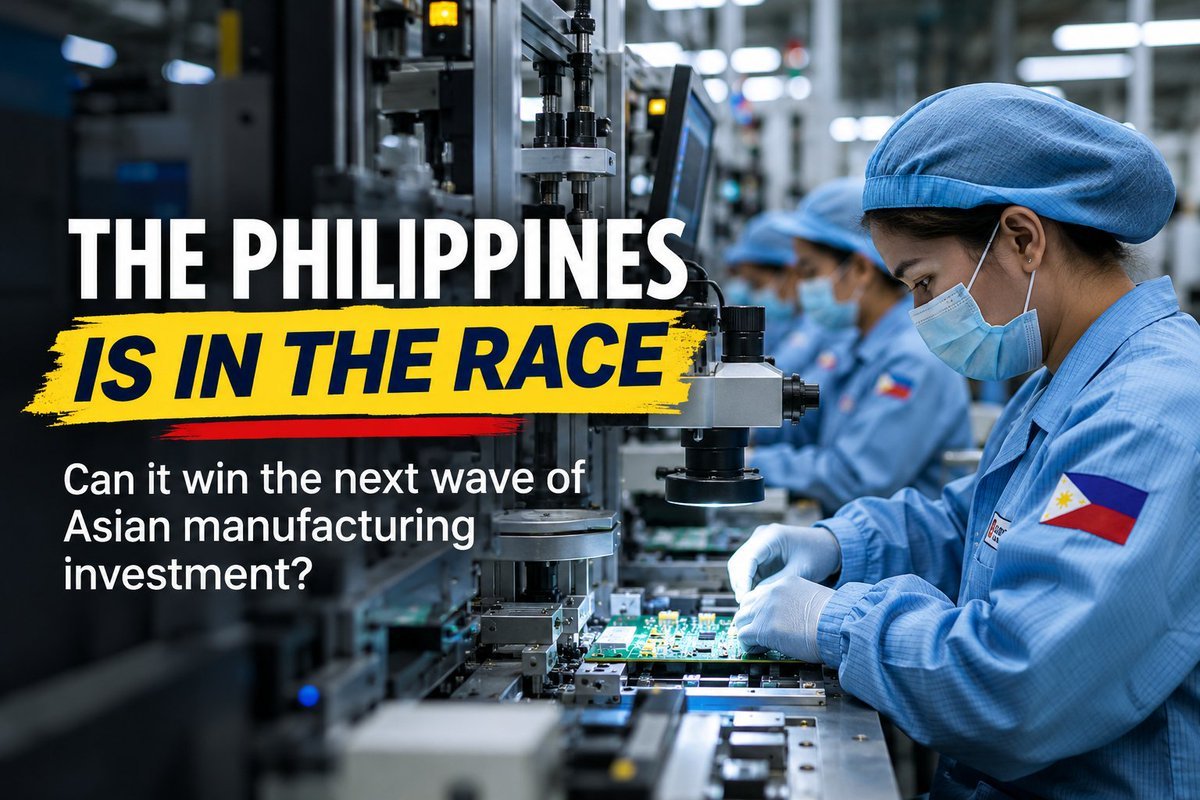
The Philippines has a real opportunity to attract more global manufacturing investment.
but it won't be the only country trying to get it.
ASEAN attracted almost $244 billion in FDI in 2025, the highest on record.
The Philippines has a few things going for it, established electronics industry, young workforce, large reserves of nickel and copper and large domestic market.
There are some interesting opportunities here.
In semiconductors, they can move beyond assembly and testing to advance packing and other high value activities.
Their large mineral resources could attract investments linked to batteries and electric vehicles. Renewable energy and infrastructure offers another big opportunity.
Government has introduced several changes to attract investments, including tax incentives, longer land lease and faster approvals through green lane.
Investment agencies have approved ₱1.9 trillion ($29.7 billion) in projects for two consecutive years, with renewable energy leading.
This is just one side of the story, the real test is how many projects actually gets built can companies access reliable electricity? at good rates? can they get permits without delays? can they move goods efficiently? can they find good skilled workers they need?
Japan, South Korea, Taiwan, Singapore and Hong Kong can bring capital, technology, network to support this growth.
The opportunity is bigger than attracting foreign companies and capital. Its about building local supply chain, creating better jobs and helping Philippine businesses move up the value chain.
Vietnam, Indonesia, Thailand, Malaysia are competing for the same investments can the Philippines turn its reforms into actual factories, better jobs, strong local industrial supply chain? only time will tell.
That's the real competition to watch for..
#Philippines #ASEAN #FDI #Manufacturing #Semiconductors
SpaceX launched roughly 170 rockets in 2025. Rocket Lab the closest competitor managed to launch 18.
The gap is just mindboggling what's even more interesting is the advantage it creates over time.
Mores these companies launch more experience they gain, utilisation of infrastructure improves and cost's come down.
There is one advantage SpaceX has, it is both a launch provider and a customer, with Starlink requiring a continuous supply of launches to deploy its satellite.
This creates a demand advantage that most competitors simply don't have @elonmusk
Bigger picture is that SpaceX is slowly becoming the infrastructure provider for broader space economy.
#SpaceX #SpaceEconomy #Aerospace $SPCX
@khanumarfa When Manmohan ji and then CJI attending iftar was right and hight of secularism..
just leave and go wherever you feel safe and jaha adalat aapki sune… just leave…
Vese bhi aap Hindustan pe boj hi he 100-150 kg ka jo masoom hindu dho raha he
@Reena_Guptaa And when you will understand @ArvindKejriwal is not AAP…
AAP should be a political party not a family business where owner @ArvindKejriwal is not ready to leave
@mr_mayank@RahulGandhi Waah bhai 99 seats me apne aap ko shadow PM samajne laga he ye failure!!!
Itni bar to koi nepo kid bhi bollywood me relaunch nahi hota jitna ye jokar launch hua he 😂😂😂😂
BIG EXPOSE🚨 Rahul Gandhi terrorist-links:
They banned my YouTube Channel for exposing their true faces, yet they promote those who whitewash Hindu Genocide. It's time to SHARE TRUTH WIDELY🙏
#CongressMukthBharat#SaveBangladeshiHindus