Después de ~40 años se aprobó una nueva clase de antihipertensivos, el inhibidor selectivo de endotelina A, aprocitentan. Una vía clave en la fisiopatogenia de la hipertensión resistente
CKJ 2026
https://t.co/TFQ3S0VjNJ
The 2025 medicine laureates identified the immune system’s security guards, regulatory T cells, which prevent immune cells from attacking our own body.
The fundamental knowledge that researchers have gained through the discovery of regulatory T cells and their importance for peripheral immune tolerance, has spurred the development of potential new medical treatments. Mapping of tumours shows that they can attract large numbers of regulatory T cells that protect them from the immune system. Researchers are therefore trying to find ways to dismantle this wall of regulatory T cells, so the immune system can access the tumours.
In autoimmune diseases, researchers are instead trying to promote the formation of more regulatory T cells. In pilot studies, they are giving patients interleukin-2, a substance that makes regulatory T cells thrive. Researchers are also investigating whether interleukin-2 can be used to prevent organs being rejected after transplantation.
Another strategy researchers are testing to slow an overactive immune system is to isolate regulatory T cells from a patient and multiply them in a laboratory. These are then returned to the patient, who will thus have more regulatory T cells in their body. In some cases, researchers also modify the T cells, putting antibodies on their surface that function like an address label. This allows researchers to send these cellular security guards to a transplanted liver or kidney, for example, and protect the organ from being attacked by the immune system.
There are many more examples of how researchers are testing how regulatory T cells can be used to combat diseases. Through their revolutionary discoveries, Mary Brunkow, Fred Ramsdell and Shimon Sakaguchi have provided fundamental knowledge of how the immune system is regulated and kept in check. They have thus conferred the greatest benefit to humankind.
The 2025 Nobel Prize in Physiology or Medicine has been awarded to Mary E. Brunkow, Fred Ramsdell and Shimon Sakaguchi “for their discoveries concerning peripheral immune tolerance.”
Happy #NephMadness Day!
The 8 regions of #NephMadness 2025 have been revealed on the #AJKDBlog. If you're a #NephMadnessNewbie, we explain everything here: https://t.co/l2DtwMdESc
Looking forward to the fun and learning with all of you!
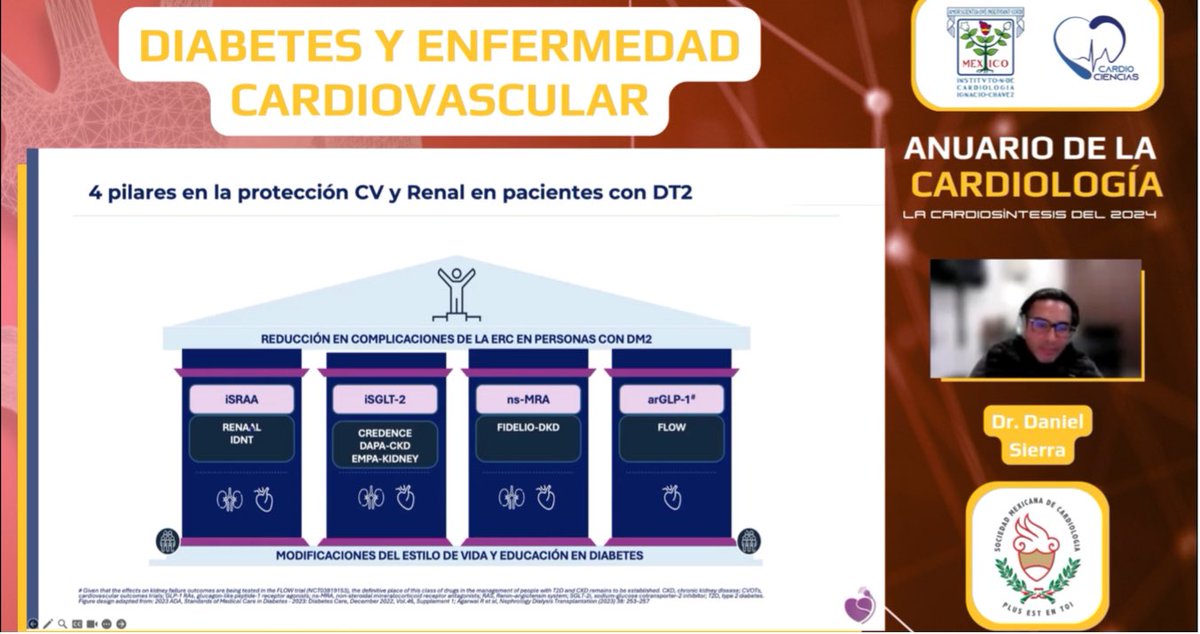
Sin duda los estudios SELECT, SOUL y FLOW (al igual que Fígaro y Fidelio en su momento) demostraron la estrecha relación corazón-riñón/SCRM.
Los GLP-1AR llegaron para quedarse… pendiente resultados del estudio REMODEL
Gracias por la video-lección @DanielSierraLM 👏🏽
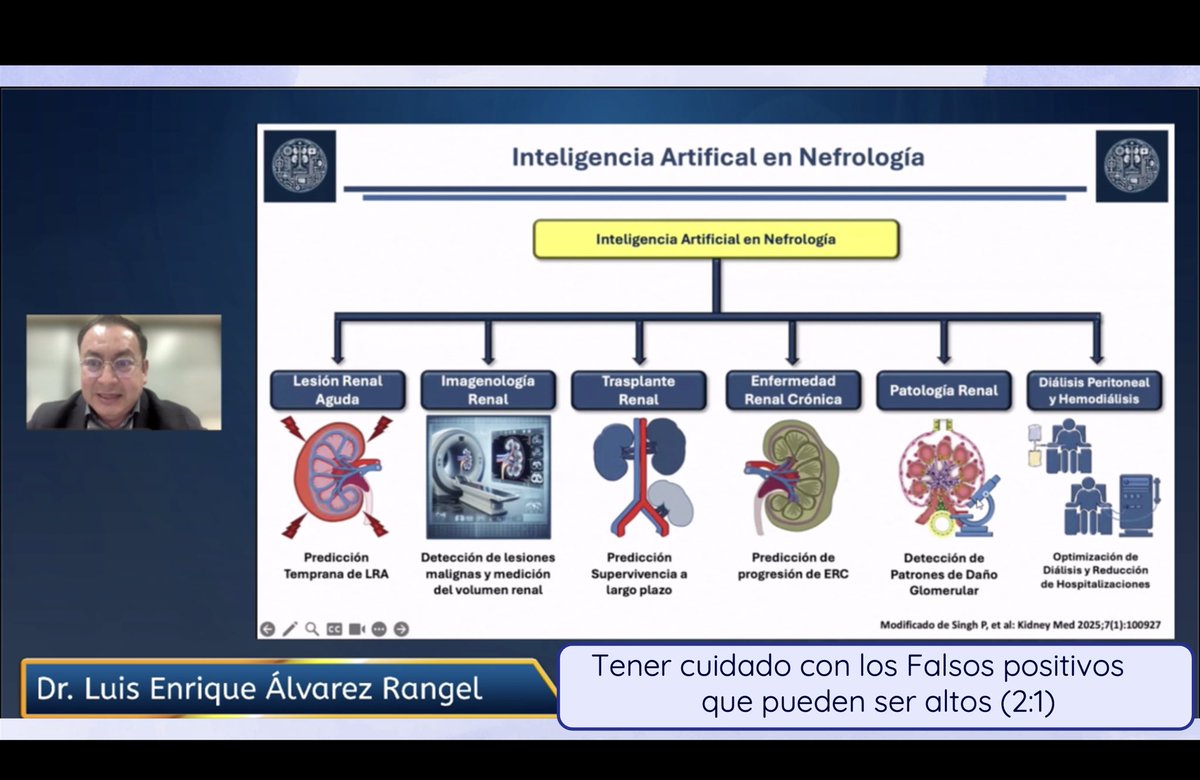
La IA en la enseñanza de la nefrología representa una oportunidad de mejora/potencialización en el aprendizaje pero también podría originar un “sedentarismo cognitivo/amnesia digital” al tener información excesiva
Usarla sin dejar de lado el pensamiento crítico/taxonomía de Bloom
Excelente actualización nuevas guías de FA ESC 2024 por parte de @carlos_sierra , gracias por la iniciativa @Cardio_ciencias@Cardiologia_Mx ✨
Destaca una visión integral del paciente, tratar las comorbilidades para reducir la carga de arritmia y consecuentemente los síntomas.
🚨BREAKING: Our report on the first-ever pig kidney xenotransplant in a living human with ESRD is now published in @NEJM! A major milestone in transplantation, paving the way for a new era of organ replacement @mgh_transplant @MGHKidneys @eGenesisBio more: https://t.co/sdDOwUlsph
Our latest video in our partnership with @DGlaucomflecken explains the results of the RESHAPE-HF2 trial investigating whether transcatheter mitral-valve repair improves outcomes in patients with heart failure and functional mitral regurgitation. https://t.co/wxQf85la4G
We are pleased to announce the publication of the KDIGO 2025 Clinical Practice Guideline for the Evaluation, Management, and Treatment of Autosomal Dominant Polycystic Kidney Disease (ADPKD). Read the news release: https://t.co/fYJJ7yupq5
This first-ever KDIGO guideline focused on a rare kidney disease provides practical tools for healthcare providers and patients to improve diagnosis, care, and treatment, addressing challenges in managing this inherited condition.
"This comprehensive guideline reflects the significant progress in ADPKD research over the last decade, from genetic insights to advanced therapies," said Guideline Co-Chair Vicente E. Torres, MD. "By addressing the complexities of diagnosis, treatment, and management, we hope this guideline will standardize care, enhance clinical practices, and help reduce the global burden of ADPKD. Our goal is that this resource will not only empower clinical decision-making but also inspire hope for patients and their families, demonstrating that meaningful progress is achievable for this challenging disease."
"The publication of this guideline represents a pivotal step forward in the care of ADPKD and people with rare genetic disorders worldwide," said Guideline Co-Chair Olivier Devuyst, MD. "It is the result of an extraordinary global collaboration among experts, researchers, and patient advocates, bringing together the best available evidence to guide care across diverse settings. This guideline is not just important for individuals with ADPKD. It also serves as a crucial template for the development of guidance for other rare genetic conditions. By providing a roadmap for consistent, evidence-based care, it addresses critical knowledge and practice gaps worldwide, offering a model for improving the lives of those with rare diseases globally."
Download the KDIGO ADPKD Guideline, Executive Summary, and Data Supplement on the guideline website: https://t.co/8owEw5VMSa
Read the guideline in @Kidney_Int: https://t.co/feuj6Pbj0D
#ADPKD
NICE has today published Guideline NG246: Overweight and Obesity Management. This guideline covers the prevention and management of overweight, obesity and central adiposity in children, young people and adults.
Read it here: https://t.co/wiKeAHsrir
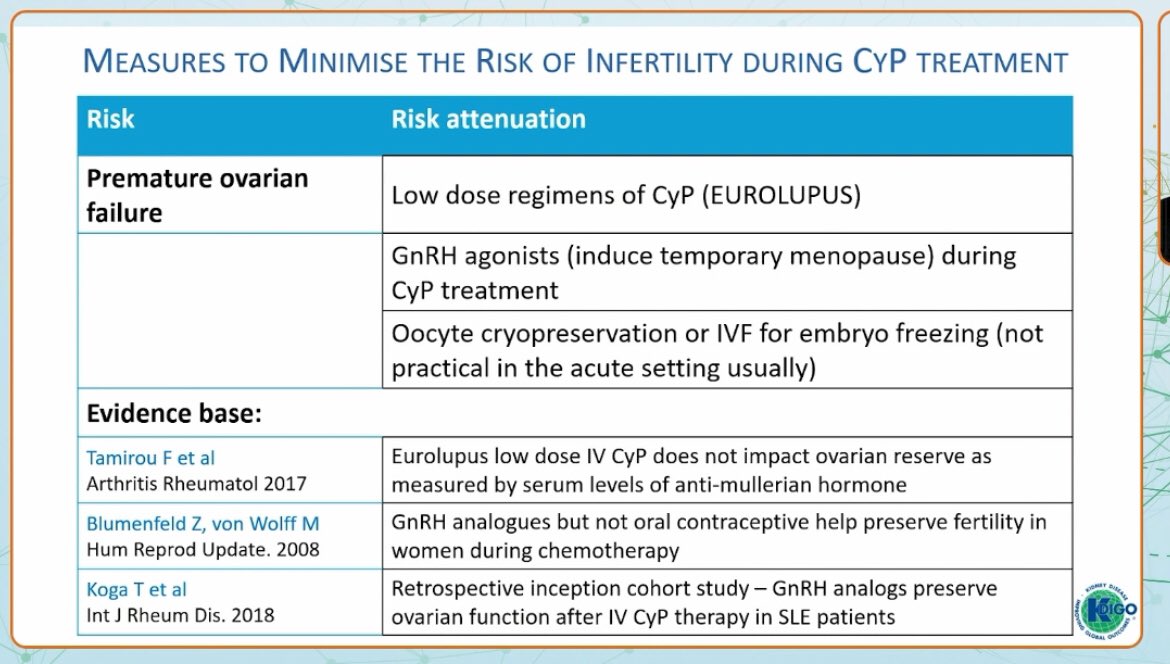
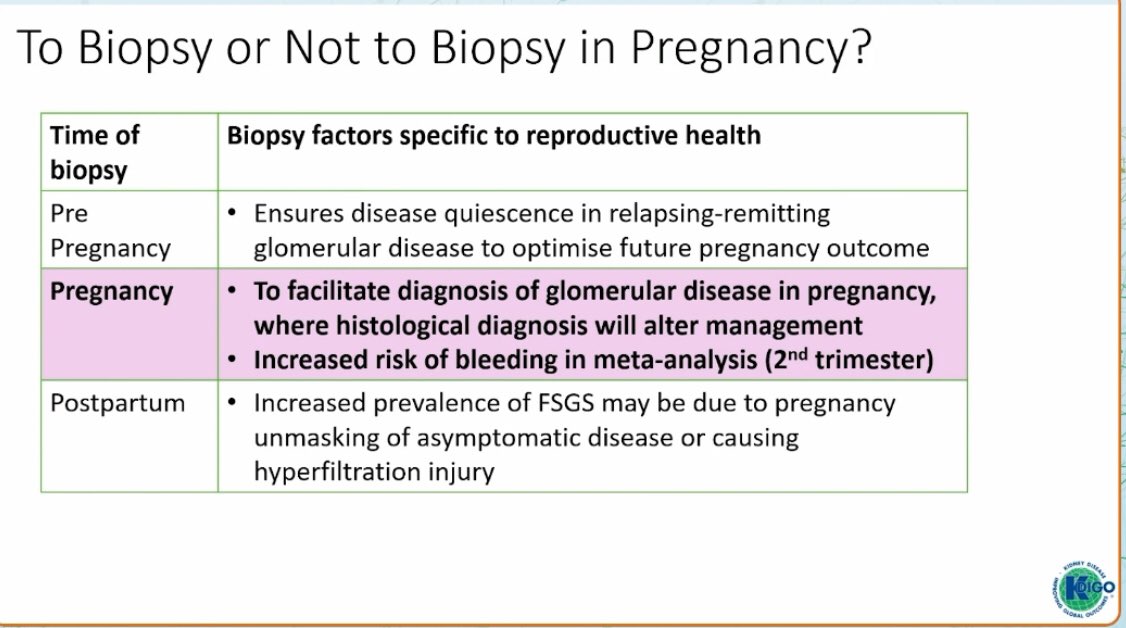
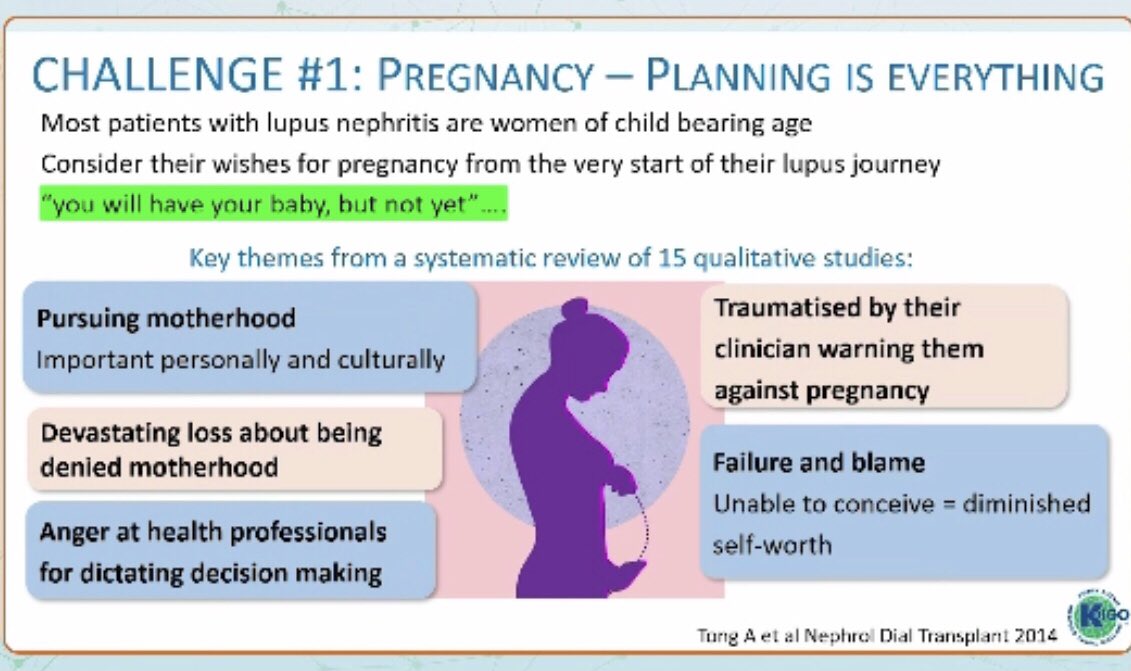
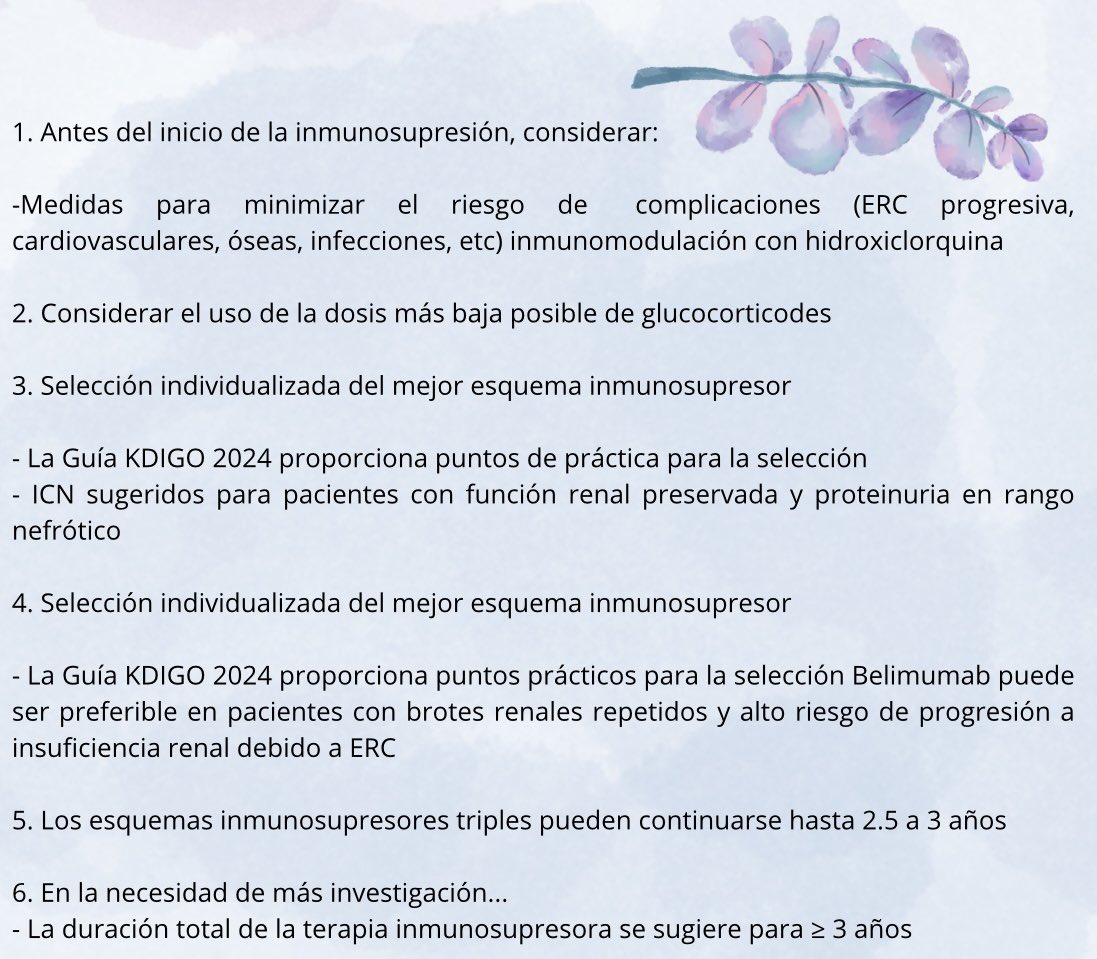
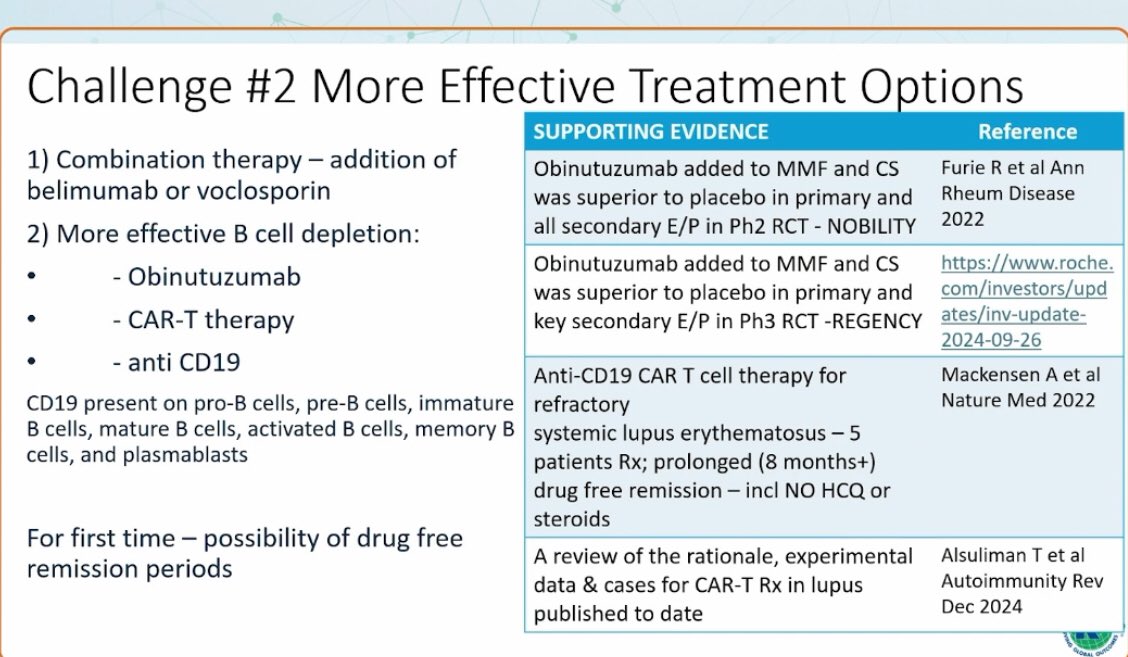
Excelente presentación y abordaje de casos clínicos orientados en la aplicación de las guías de nefritis lúpica por el doctor @Meyaix 👏🏽👏🏽
-Destaca estudio BLISS-LN y Aurora
-Prometedor el uso de Belimumab
Siempre individualizar esquema
#lupusnephritis#guidelines@goKDIGO