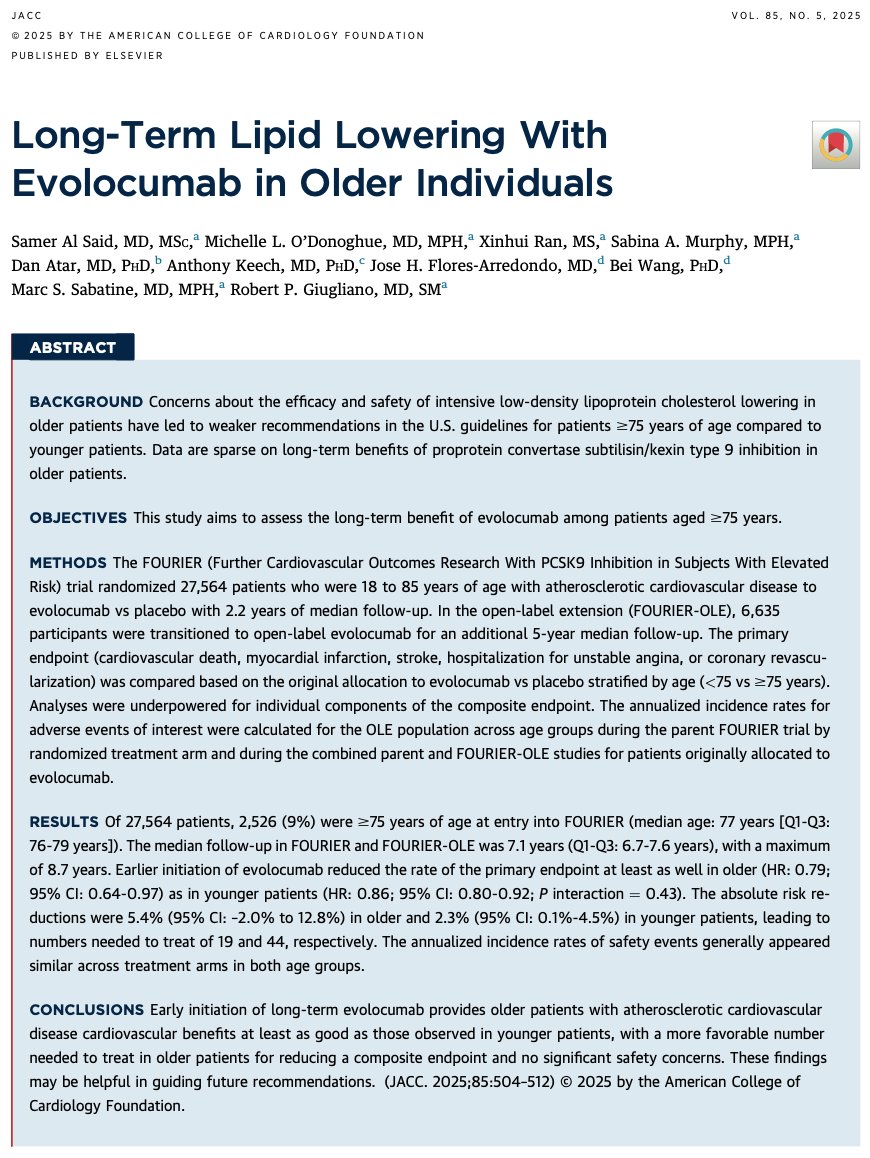
Thanks so much @JACCJournals for showcasing our study led by 🌟@SinaRsh w support from🗺️experts:
OAC monotherapy is✅for most pts w AF + stable CAD. Awaiting data from #AQUATIC.
Do the results apply to other indications such as mechanical valves or VTE + stable ASCVD?🤔
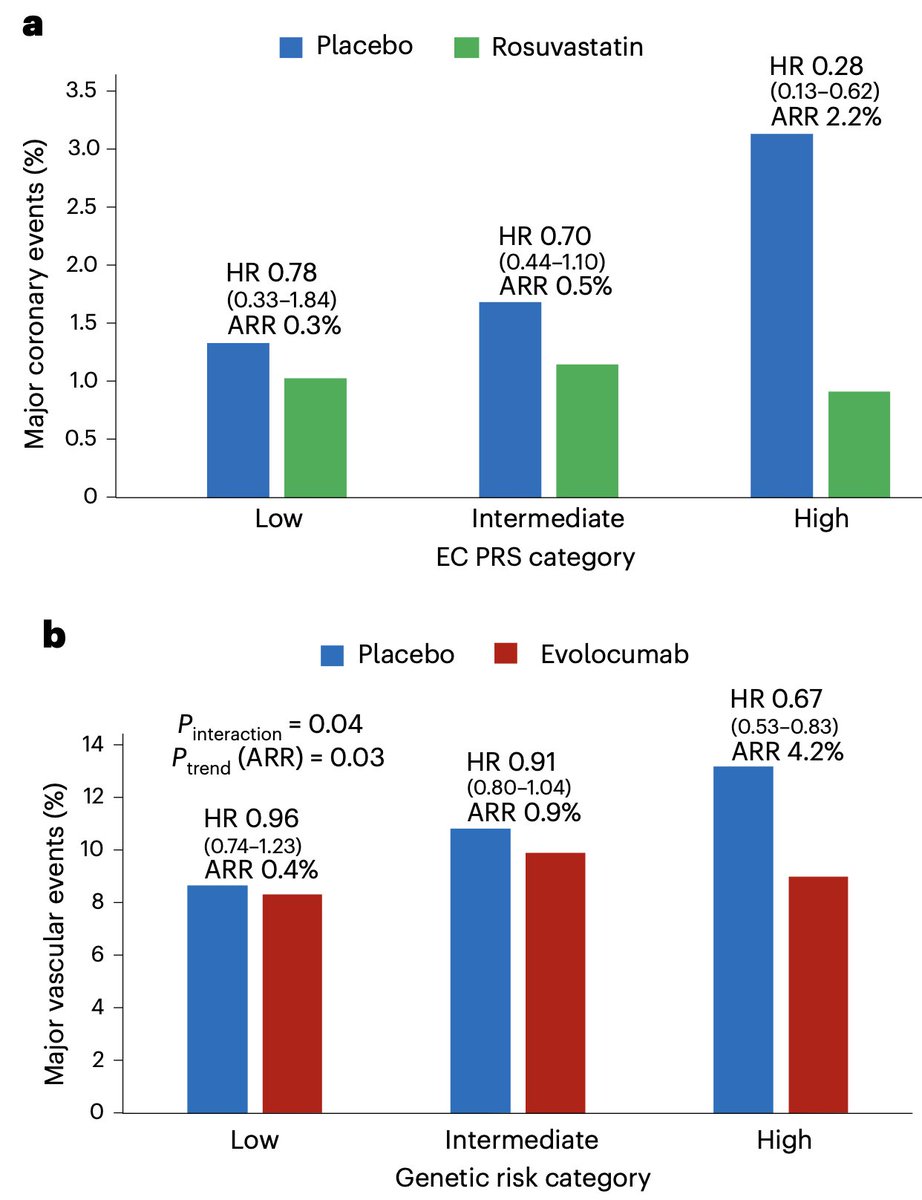
Now out in @NatureMedicine, we developed an Endothelial Cell PRS for CAD that:
1) Quantifies a currently immeasurable axis of CAD risk
2) Identifies individuals who are LDL-sensitive
3) Establishes which Pts will have greatest CV benefit from early & aggressive lipid lowering
Updated 2025 ACC/AHA ACS Guidelines now released! Congratulations to @DrM_ODonoghue, TIMI Senior Investigator, who served as Co-Chair.
https://t.co/waQsmRkeQ6
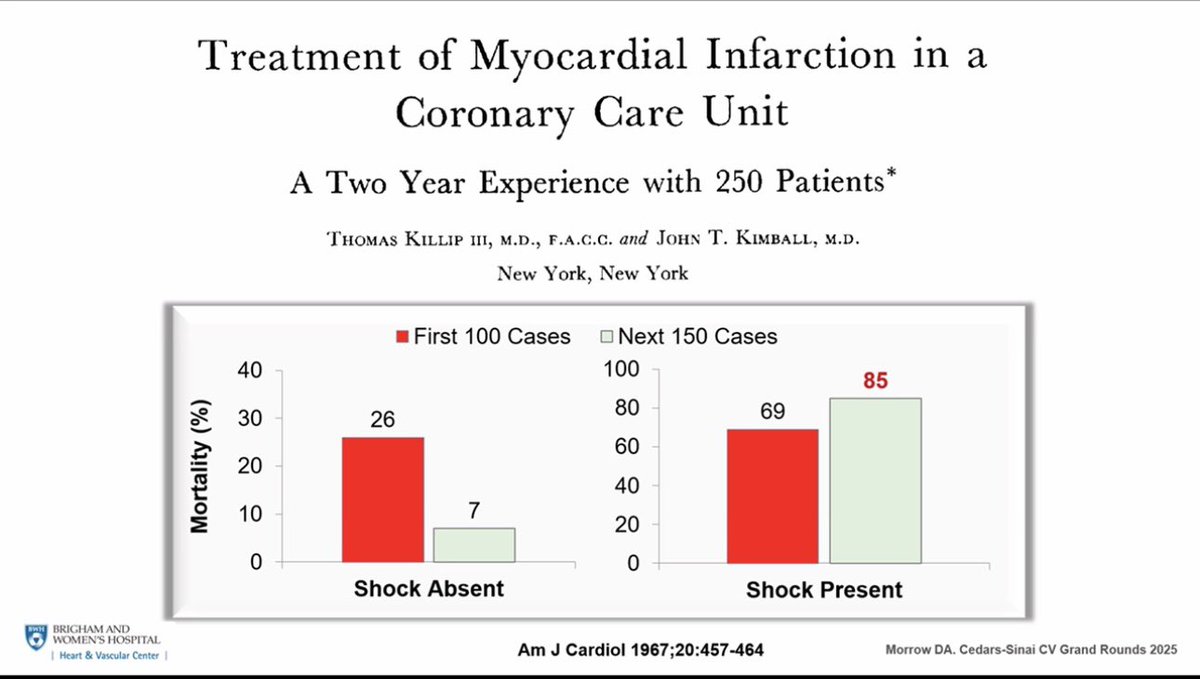
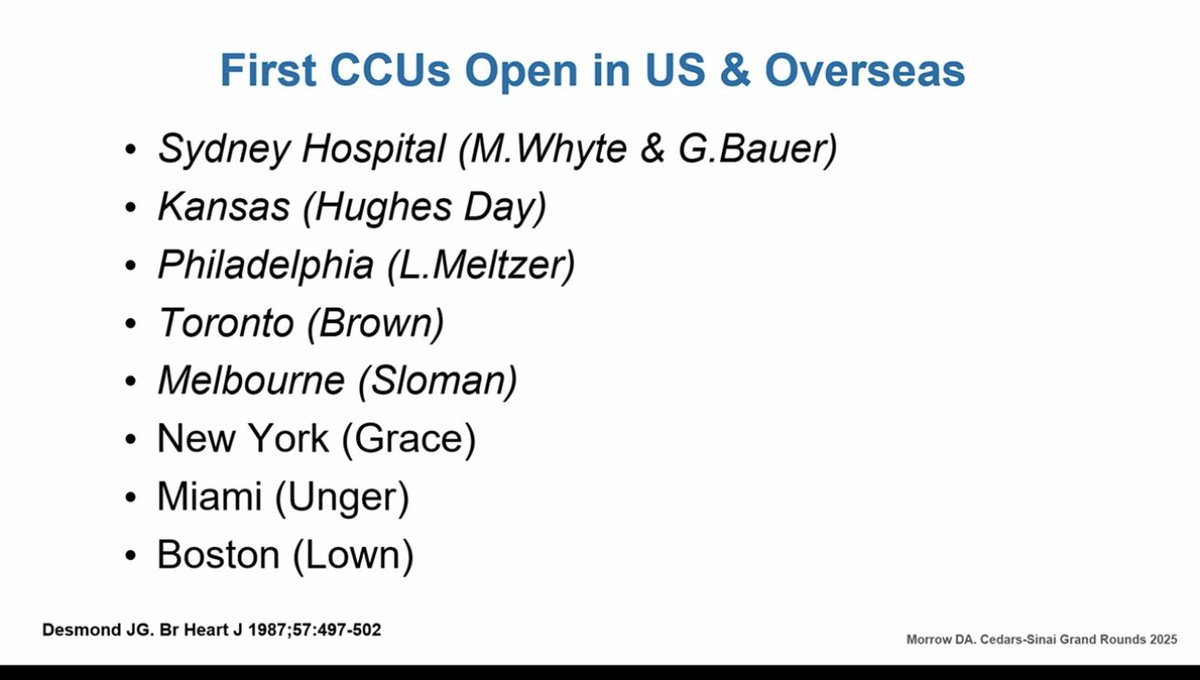
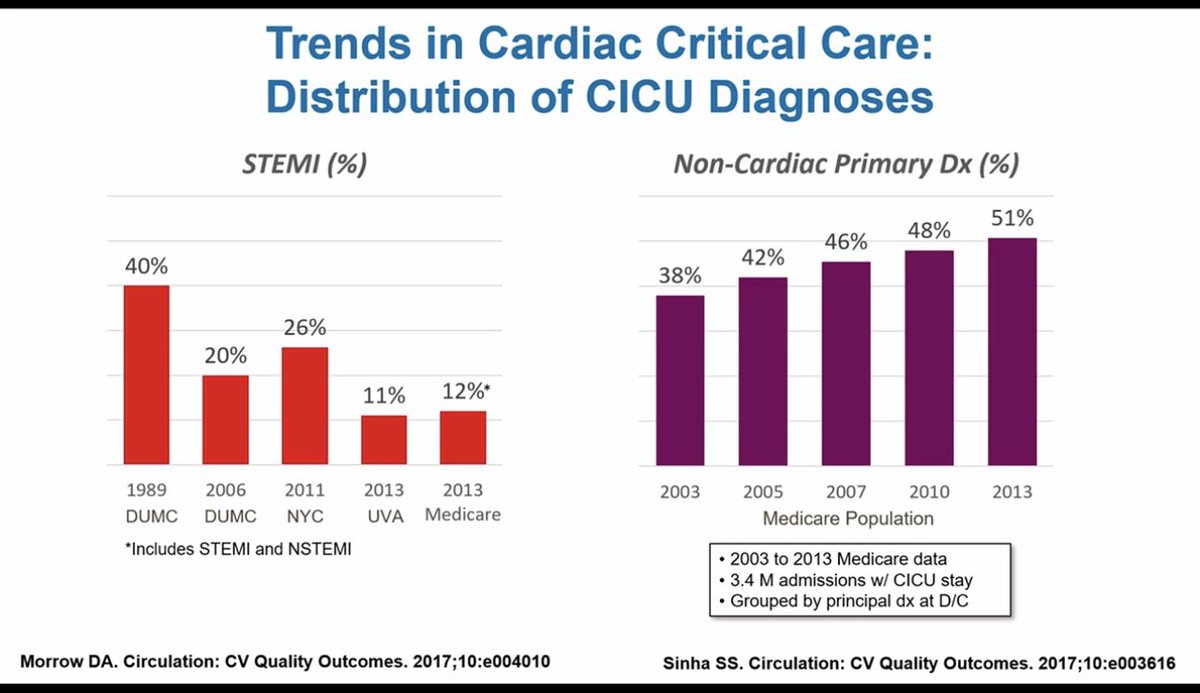
The amazing Dr. David Morrow talking at @SmidtHeart the improvement in care of patients with the evolution of the CICU
💥 CCU started at @CedarsSinai! 👏🏽
🫀 Overtime what is in CCU has evolved from ACS
🫀 Improved outcomes w/ high intensity staffing (not high intensity statin!)
In patients with atrial fibrillation and moderate-to-high risk of stroke, abelacimab, a monoclonal antibody that inhibits activation of factor XI, led to fewer bleeding events than rivaroxaban. Read the full AZALEA–TIMI 71 trial results: https://t.co/CrHwsbmXMt
#AFib
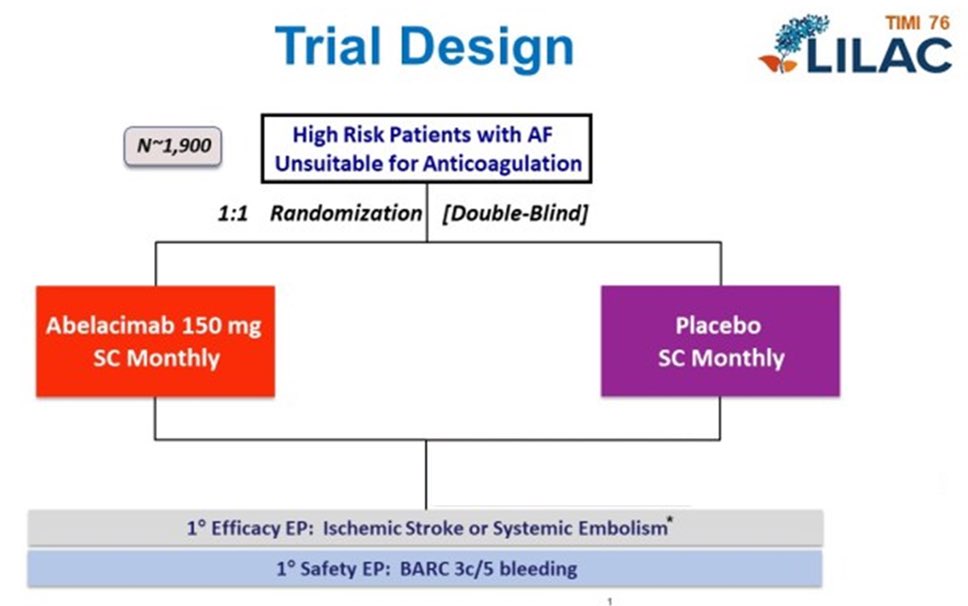
These results set the stage for further studies examining the efficacy of abelacimab for prevention of thromboembolism 🧠 in AF, which is being evaluated in the ongoing LILAC-TIMI 76 study
We authored the editorial “Science Behind the Study” for @NEJM, focusing on the AZALEA-TIMI 71 trial, a phase 2b study of the Factor XI inhibitor abelacimab in patients with atrial fibrillation. Collaborating with the journal’s illustrator on the figure, which explains the mechanism of uncoupling hemostasis from thrombosis with Factor XI inhibitors, was one of the most interesting and enjoyable experiences I can recall in this type of academic work.
https://t.co/Y64Ii6y4nZ
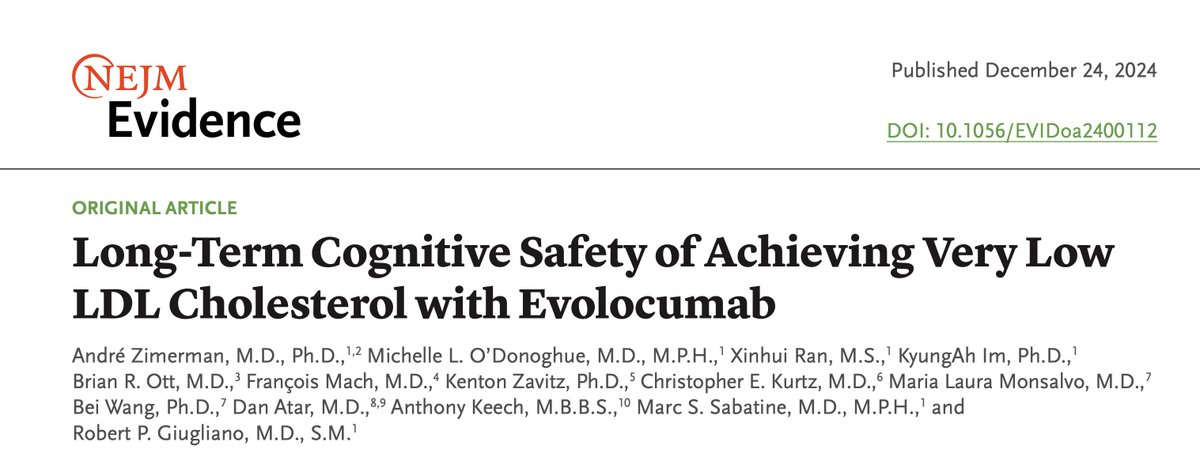
"Does lowering LDL-C to very low levels result in long-term cognitive impairment?" 🧠🫀
I've heard this question many times.
Now we have long-term data.
A 🧵 on our new @NEJMEvidence paper: https://t.co/J8OteDNWfd
@TIMIStudyGroup@rgiugliano@DrM_ODonoghue
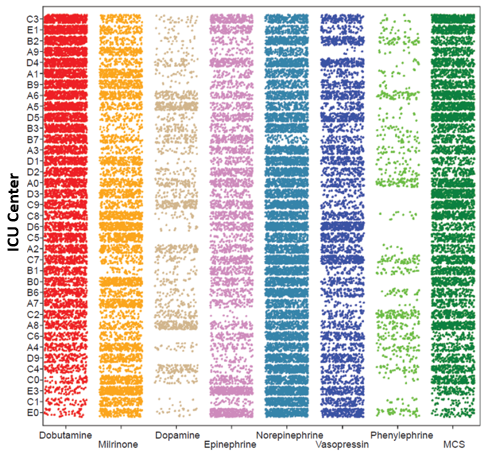
Inopressors (particularly norepi) are the most frequently utilized vasoactive agents in CS; however, several factors including CS etiology drive differential practice patterns for vasoactive selection. @sidpatelmd#AHA24
New data from the @CCCTNetwork & @UmichCVC shows significant variation in vasoactive medication use in the treatment of cardiogenic shock across different CICU centers. 23% of variation was explained by local institutional practice alone. @davyhamilton1@sidpatelMD#AHA24