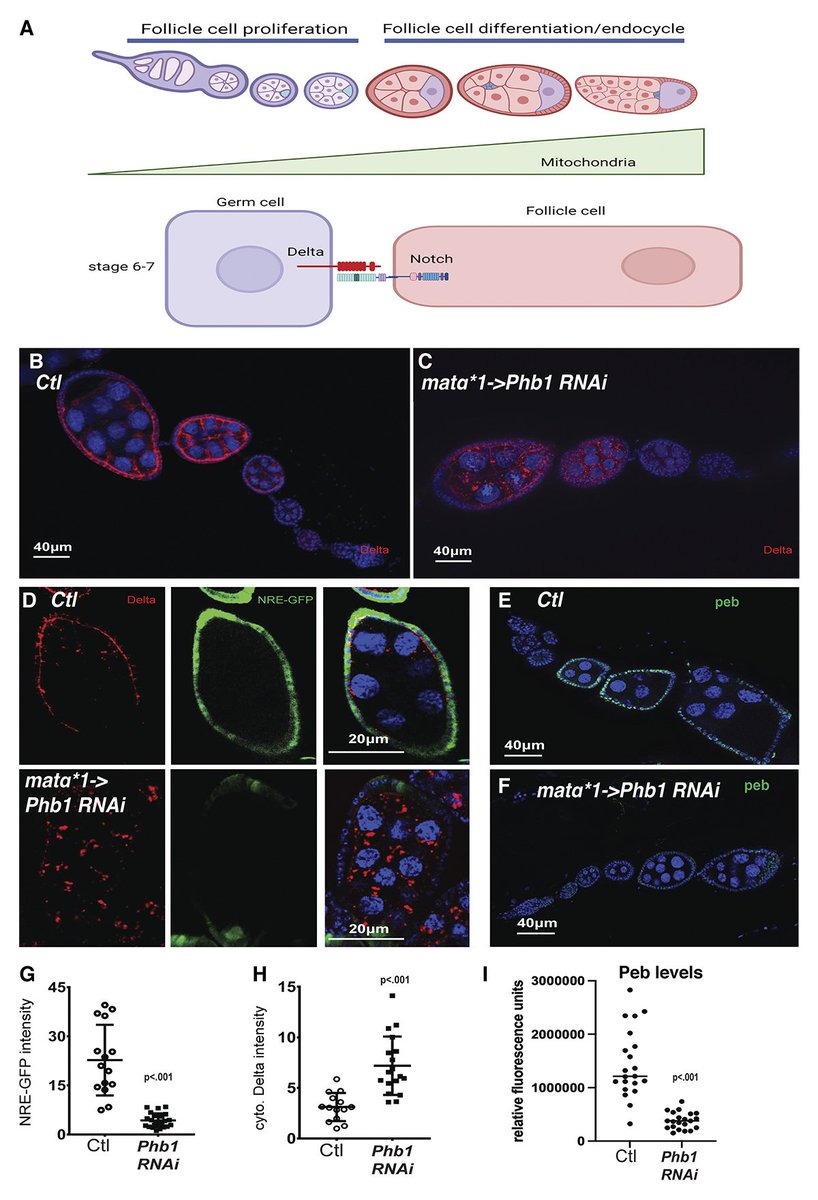
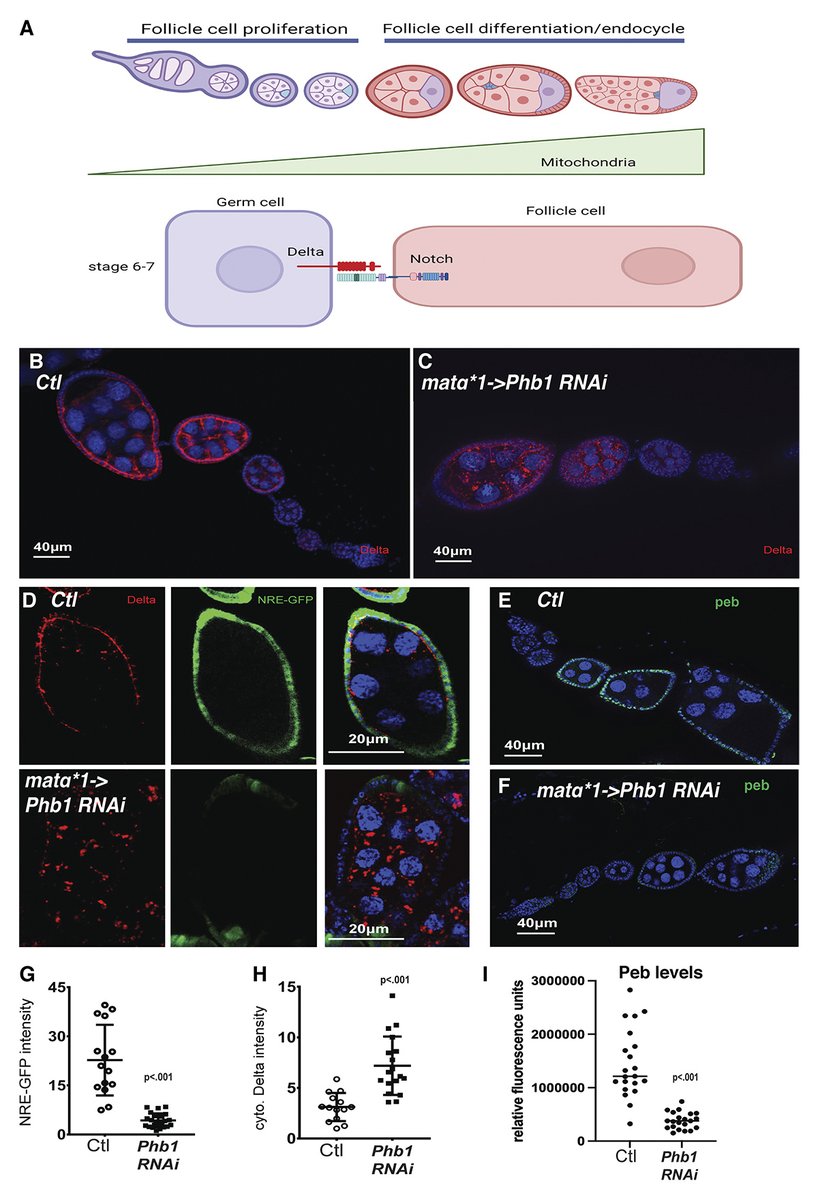
How does mitochondrial dysfunction in one cell impact neighboring cells? This @JCellBiol study by Yipeng Du, Matthew Sieber et al @UTSWMedCenter shows that mitochondrial ROS production regulates membrane receptor trafficking & disrupts cell-cell signaling. https://t.co/PEDrXF9FJj
How does mitochondrial dysfunction in one cell impact neighboring cells? This study by Yipeng Du, Matthew Sieber et al. @UTSWMedCenter shows that mitochondrial ROS production regulates membrane receptor trafficking and disrupts cell-cell signaling. https://t.co/i6qnozrL1o
Check out our lab's new work explaining how mitochondrial dysfunction disrupts cell-cell communication. Congratulations Yipeng Du!!!
https://t.co/dIPKA1pH1H
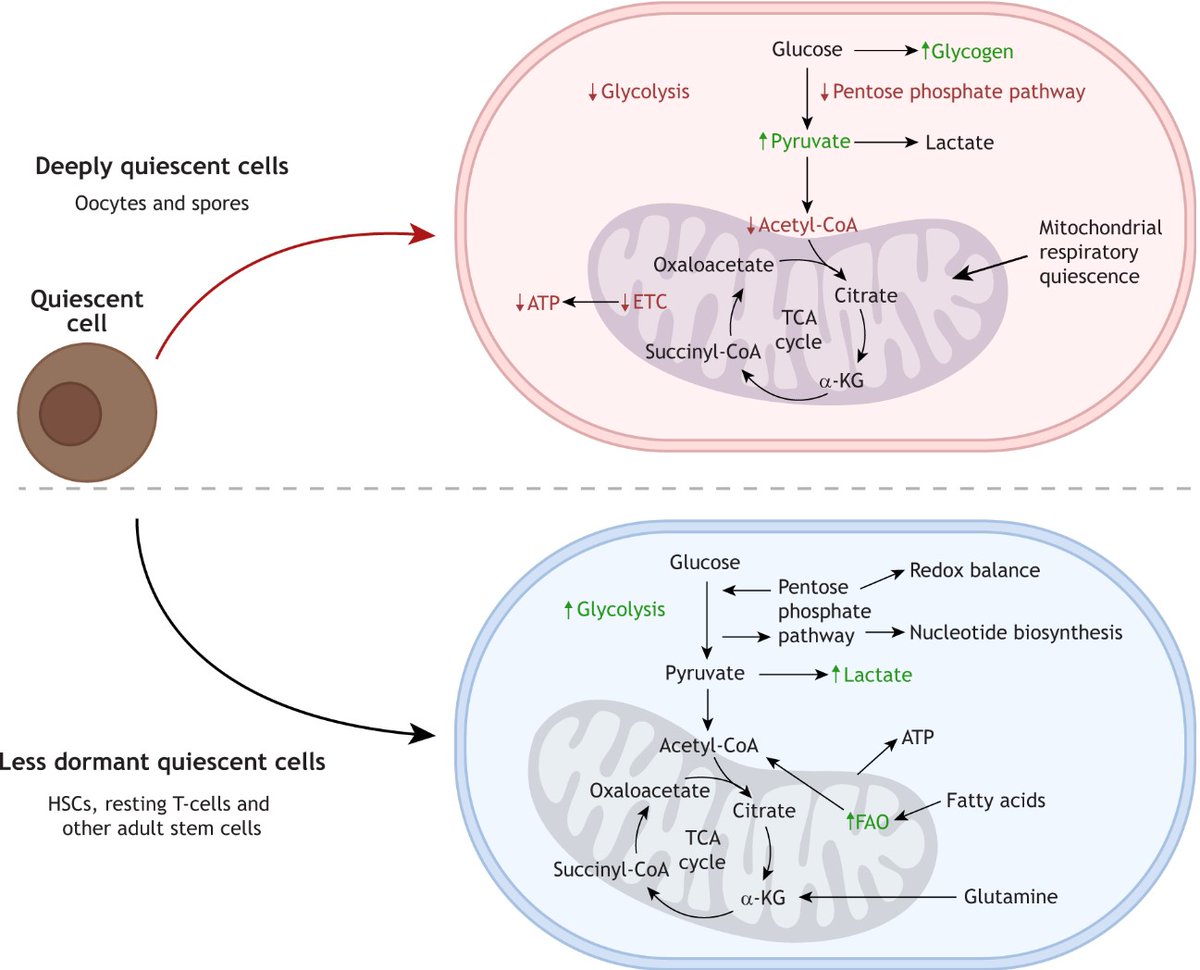
In their Review, Yipeng Du, Matthew Sieber @sieber_lab and colleagues discuss the role of metabolic pathways in driving cellular quiescence and the impact in development and disease.
https://t.co/lD4LWSGBmz
My lab is hiring a lab manager, we are interested in exploring the regulation and function of the plasma lipidome in metabolic disease. The Simcox lab is a collaborative, creative, and inclusive environment- come join us!
https://t.co/2jojtFYNAW
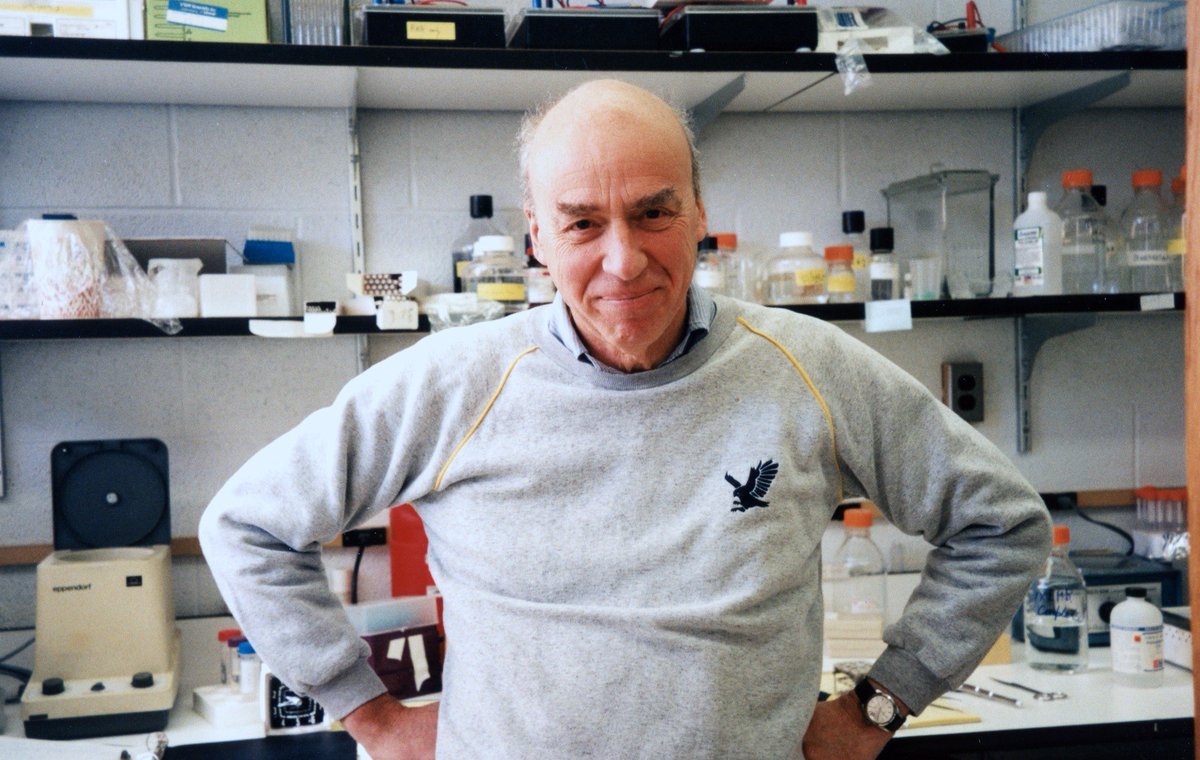
Don was great scientist and a phenomenal leader. He was a committed mentor who supported the vision and career development of numerous people who are now NAS members, Nobel laureates, and other pillars of the scientific community. I feel lucky to have known him.
Deepest condolences to family and friends on the passing of longtime SDB member and SDB-DB Lifetime Achievement Award winner Donald D. Brown. Brown led the @carnegiescience Embryology Department for nearly two decades. https://t.co/nRIAs6E9DX
I’m very excited to share that our findings on the surprising activity of the retrotransposon R2 in rDNA maintenance in flies is now published in @PNASNews! This work indicates a mutualistic relationship between this TE and its host genome!
https://t.co/dEeKuRW8cU
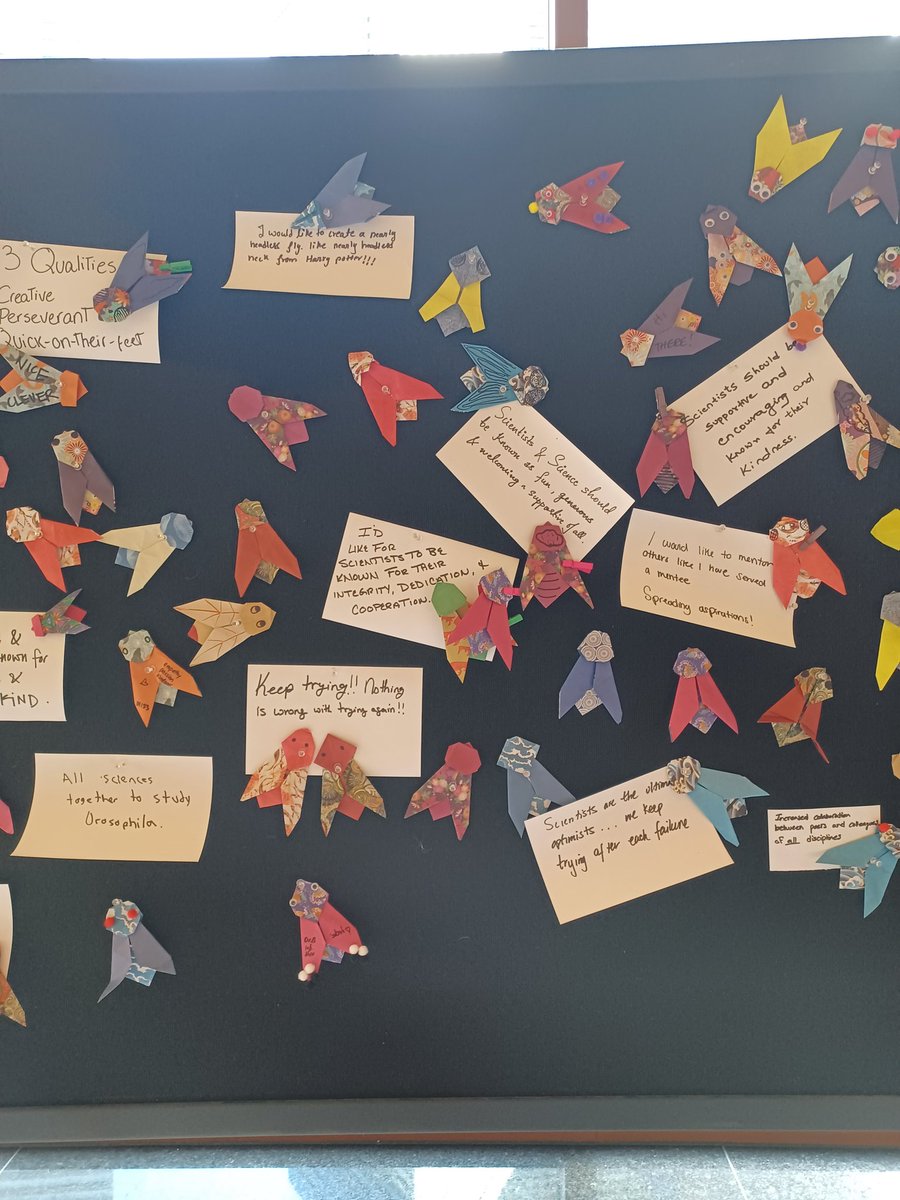
I gave my first in person talk in an international meeting. I am thankful for all the great feedback and support. It's great to be part of this amazing fly community. And you can't find anything better than people who make origami flies! See you next year. #Dros23
Are you interested in transgenerational inheritance of metabolic stress? Come to my talk today, at 4.30 to hear more about it at the Drosophila Research Conference! #Dros23#AcademicTwitter@sieber_lab
Come be our colleague! The UTSW Dept of Cell Biology @CellUtsw is recruiting Assist Professor faculty under incoming Chair Will Prinz.
Dept strengths include a world-class imaging core, mentoring-focused faculty, great trainees,& a collaborative campus.
https://t.co/29QuDCephX
1/ Excited to announce our lab’s first paper at @ubclifesciences! Loss of the RNA binding protein FMRP is the most common heritable cause of autism. We find that FMRP has one major function that is conserved from fly eggs to mammalian brains.
https://t.co/wKgKFkIGvn
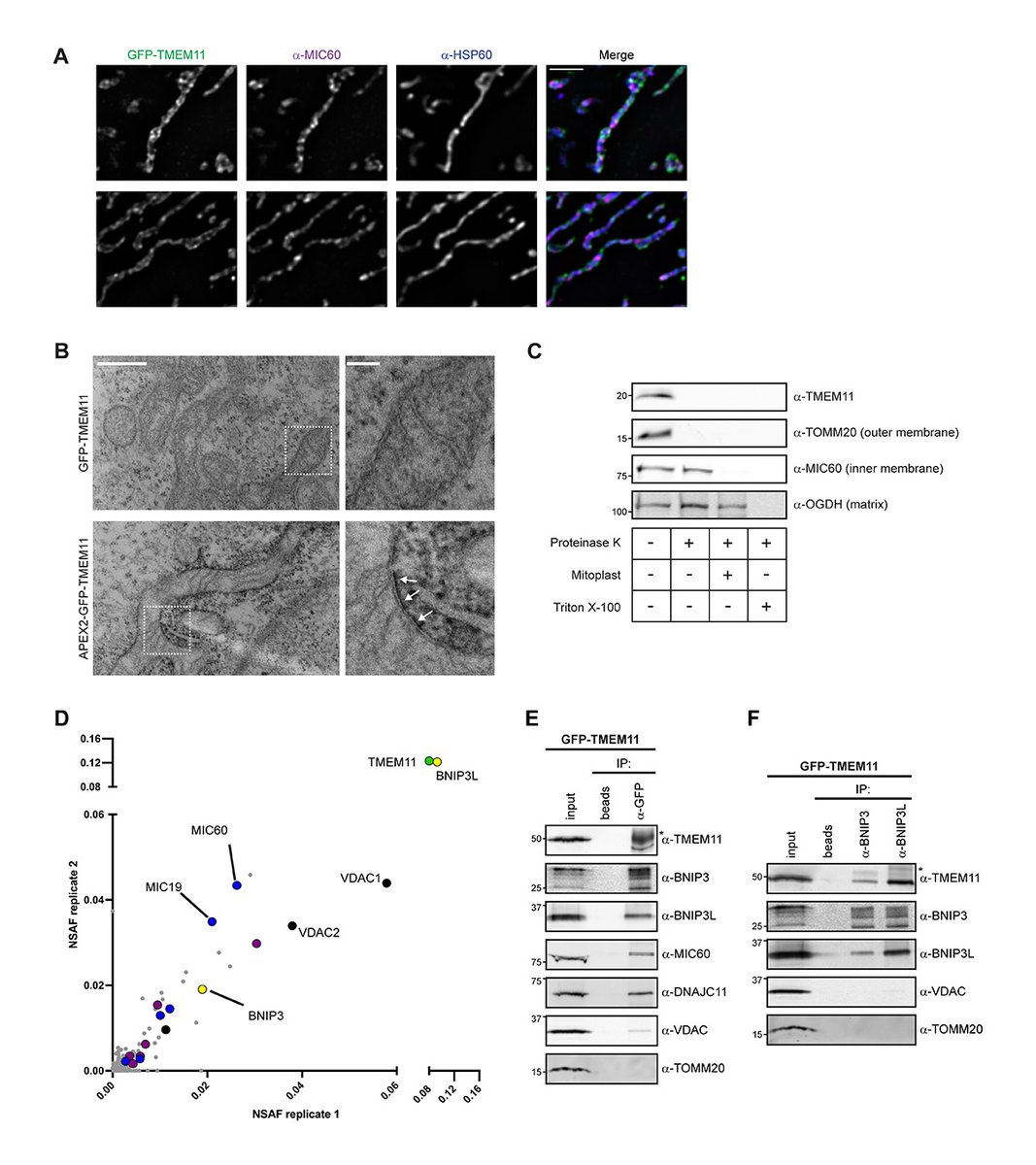
This work reveals that during quiescence the proteasome is recruited to the mitochondrial surface to support the remodeling of mitochondria which drives metabolic domancy.
Check out the new work from our lab that reveals a direct physical link between the proteasome and mitochondria during cellular quiescence. Congratulations to the Sibaio Yue, Lei Wang, and our collaborators ( The Demartino lab and the Liu Lab) https://t.co/VvyDIwH2wU
A key conserved aspect of cellular quiescence in species ranging from yeast to humans cells is the suppression of mitochondrial respiration. This serves to prevent ROS production, preserve nutrient storage, and establish a unique state of redox metabolism in quiescent cells.