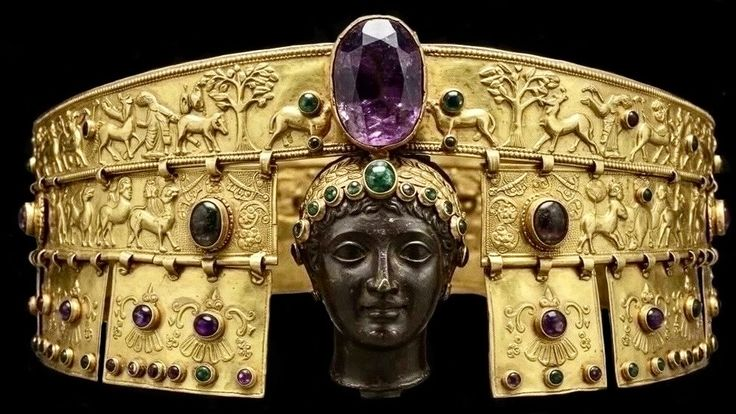
The Ribchester Helmet is one of the most studied Roman cavalry sports helmets from Britain.
It was found in the 1796 Ribchester Hoard at Ribchester, Lancashire, and is usually dated to the late 1st or early 2nd century AD.
The face mask, embossed combat scene, crest fittings, and owner marks show an object moving between military equipment and performance.
Should we classify it mainly as armour, display art, or cavalry training gear?
In 458 BC, Rome was on the brink of collapse.
An invading army had trapped the Roman consul and his legion in a mountain pass. Panic spread through the city. The Senate did the only thing they could think of:
They sent messengers to find a 60-year-old farmer plowing his field.
His name was Lucius Quinctius Cincinnatus. He had once been a senator, then lost his fortune paying his son's bail. Now he worked his own four-acre plot just to feed his family.
When the Senate's envoys arrived, they found him sweating behind a plow. They asked him to put on his toga so they could deliver an official message.
The message: Rome was making him dictator. Absolute power. Total command of the army. No checks. No oversight. No term limit.
He accepted.
Within 16 days, Cincinnatus had raised an army, marched out, surrounded the enemy, and forced their surrender. The republic was saved.
He had legal authority to rule for six months. He could have stayed. He could have expanded his power. He could have done what every other ruler in human history did when handed unlimited control.
Instead, he resigned on day 16.
He took off the toga, walked back to his farm, and finished plowing the field he'd left half-done.
Twenty years later, when Rome faced another crisis, they called him back. He was 80 years old. He took command, crushed the conspiracy, and resigned again, this time after just 21 days.
He died poor. On his farm.
2,200 years later, when George Washington was offered a kingship after winning the American Revolution, he refused and went home to Mount Vernon. The reason he was hailed as "the American Cincinnatus" is because Europeans literally could not believe a man who had won would willingly give up power.
King George III, on hearing Washington would resign rather than rule, said: "If he does that, he will be the greatest man in the world."
The lesson isn't that Cincinnatus was humble.
The lesson is that for most of human history, the people most qualified to lead were the ones who didn't want to. And the moment a society starts rewarding those who chase power instead of those who flee from it is the moment the republic begins to die.
Cincinnati, Ohio is named after him.
Most people who live there have no idea why.
Mount Vesuvius burned so hot in 79 AD that it literally cooked the olive oil inside this glass bottle into a solid block of wax. It sat completely forgotten in a Naples museum storeroom for over a century before anyone actually bothered to test it in 2018.
The 2,000-year-old carbonized bread casually sitting on the right makes the whole setup look like an abandoned ancient breakfast.
One of most iconic and historically significant Roman coins: the bronze sestertius issued by Emperor Titus in 80–81 AD to commemorate the inauguration of the Flavian Amphitheatre, the Colosseum.
Titus inaugurated the amphitheatre in June 80 AD with spectacular 100-day games featuring gladiatorial combats, venationes (animal hunts), mock naval battles and other spectacles. These events were a massive propaganda triumph for the Flavian dynasty, showcasing their generosity and completing a project begun by Vespasian.
Numismatists, including scholars like Nathan T. Elkins, have noted their relative rarity today, suggesting many may have been specially produced for distribution as souvenirs or largesse during the inaugural festivities. Roman emperors often threw coins, tokens, or inscribed wooden balls (missilia) into crowds at games as gifts—recipients could redeem them for food, clothing, slaves, animals, or even gold/silver. This sestertius fits perfectly as a durable, prestigious propaganda piece handed out or scattered to celebrate the occasion and glorify the Flavians.
British Museum
#drthehistories
The figure of Marianne, the goddess of Liberty was adopted in 1792, as the national symbol of the first French Republic, dressed in #Roman robes with pike, Phrygian cap and fasces, standing for liberation, authority and unity. Originally hung on the facade of #Mdina Cathedral
A drinking vessel (Rhyton) shaped in the form of a horn and stylised snails head. Circa 1st century AD. Domvs Romana Museum, 1st century BC #Roman era aristocratic house #Mdina#Malta#glass
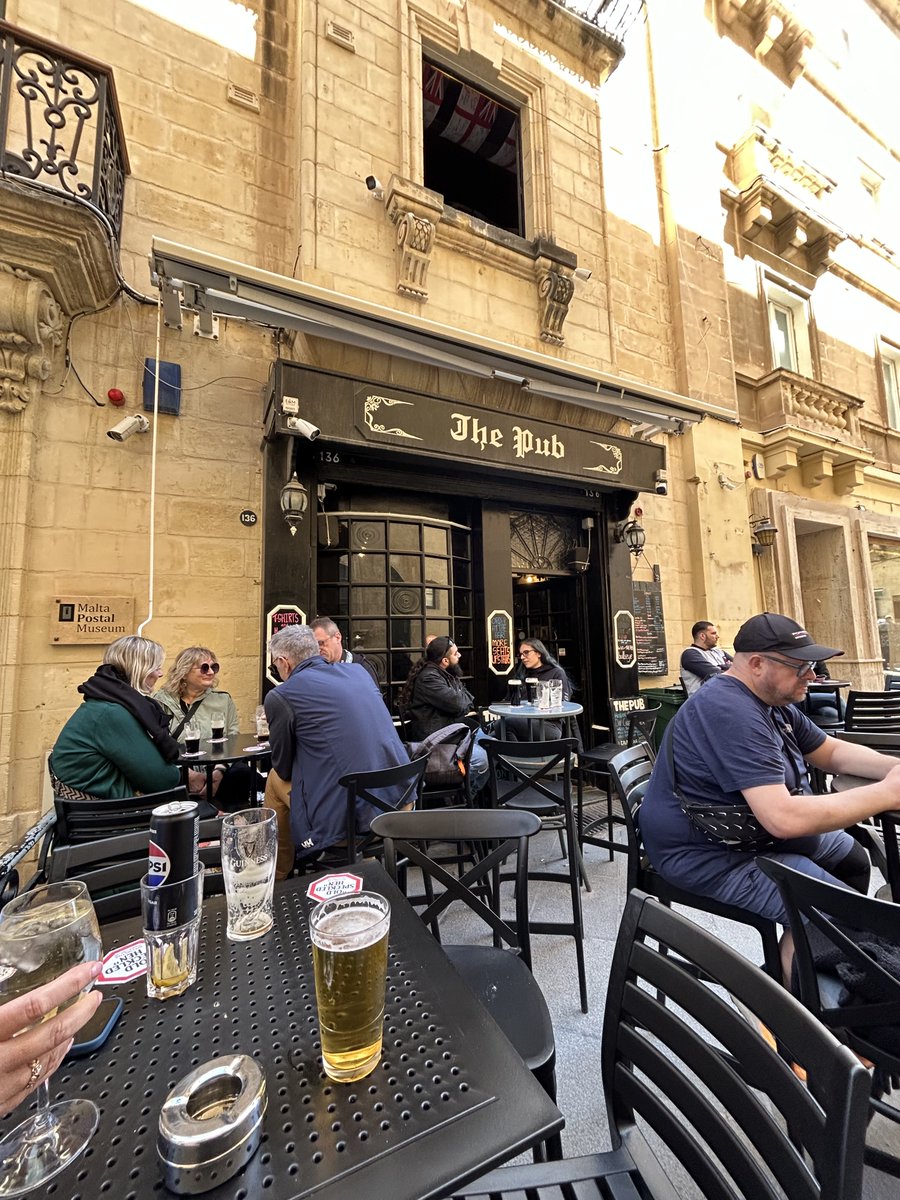
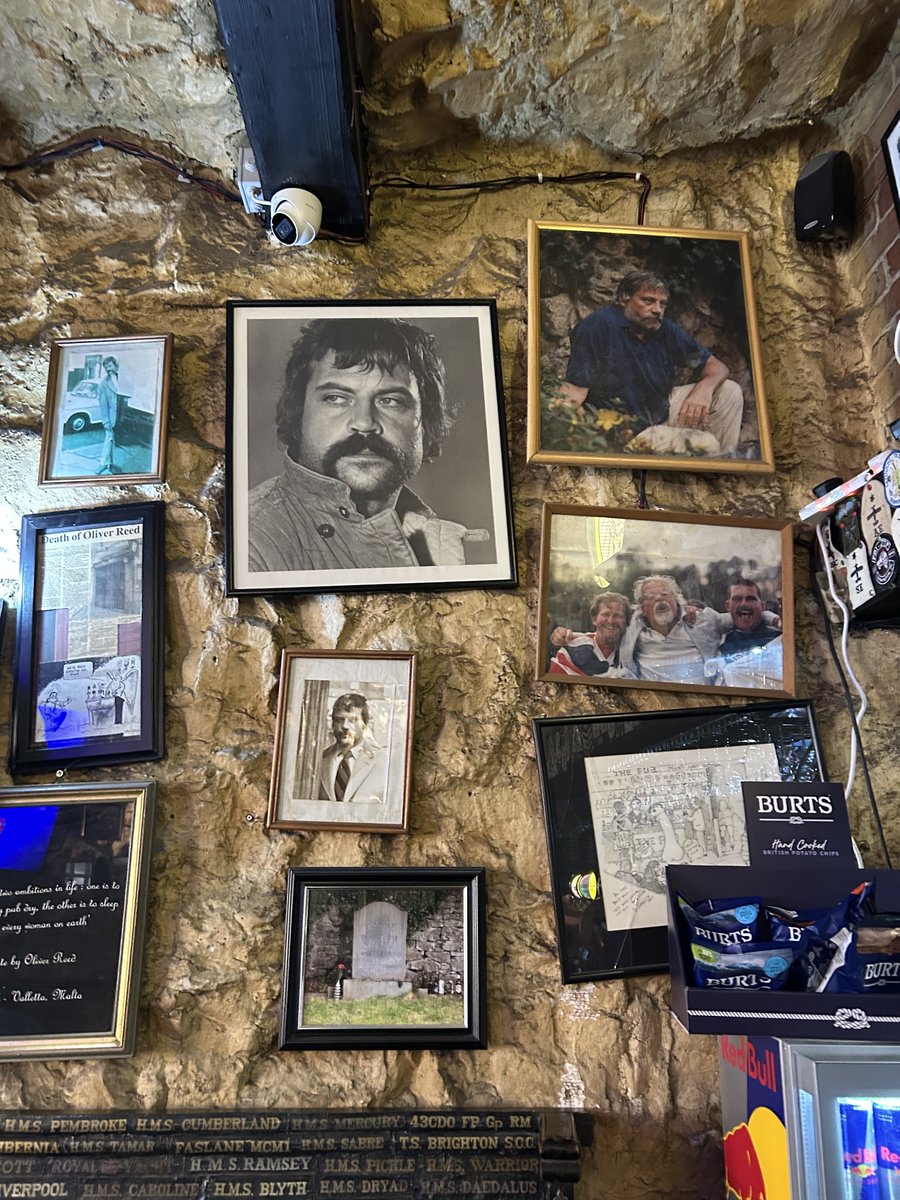
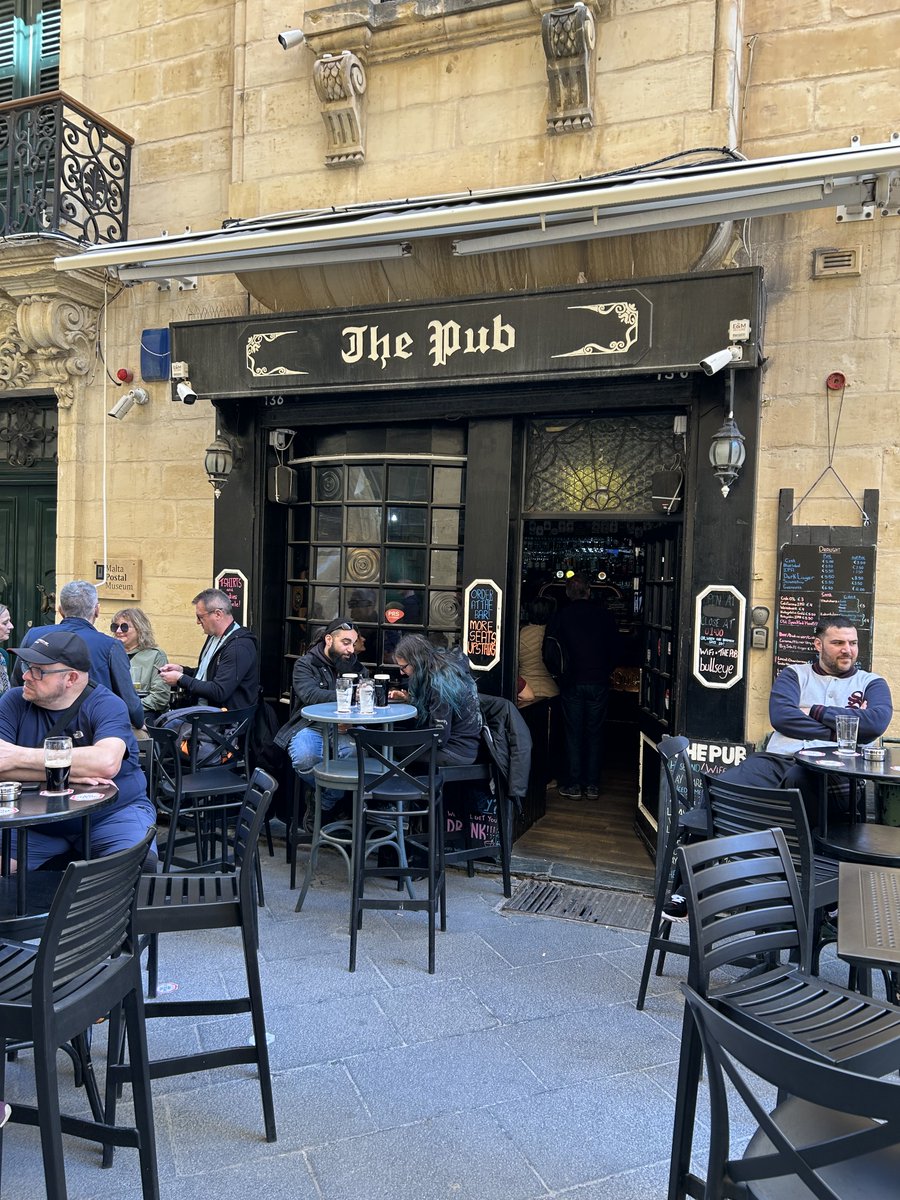
The pub (called “The Pub “) where Oliver Reed ordered his last drink on May 2, 1999, at age 61, while on a break from filming Gladiator in #Valletta#Malta Dying midway through production on the Russell Crowe epic, forced Ridley Scott to finish his scenes recreating him with CGI
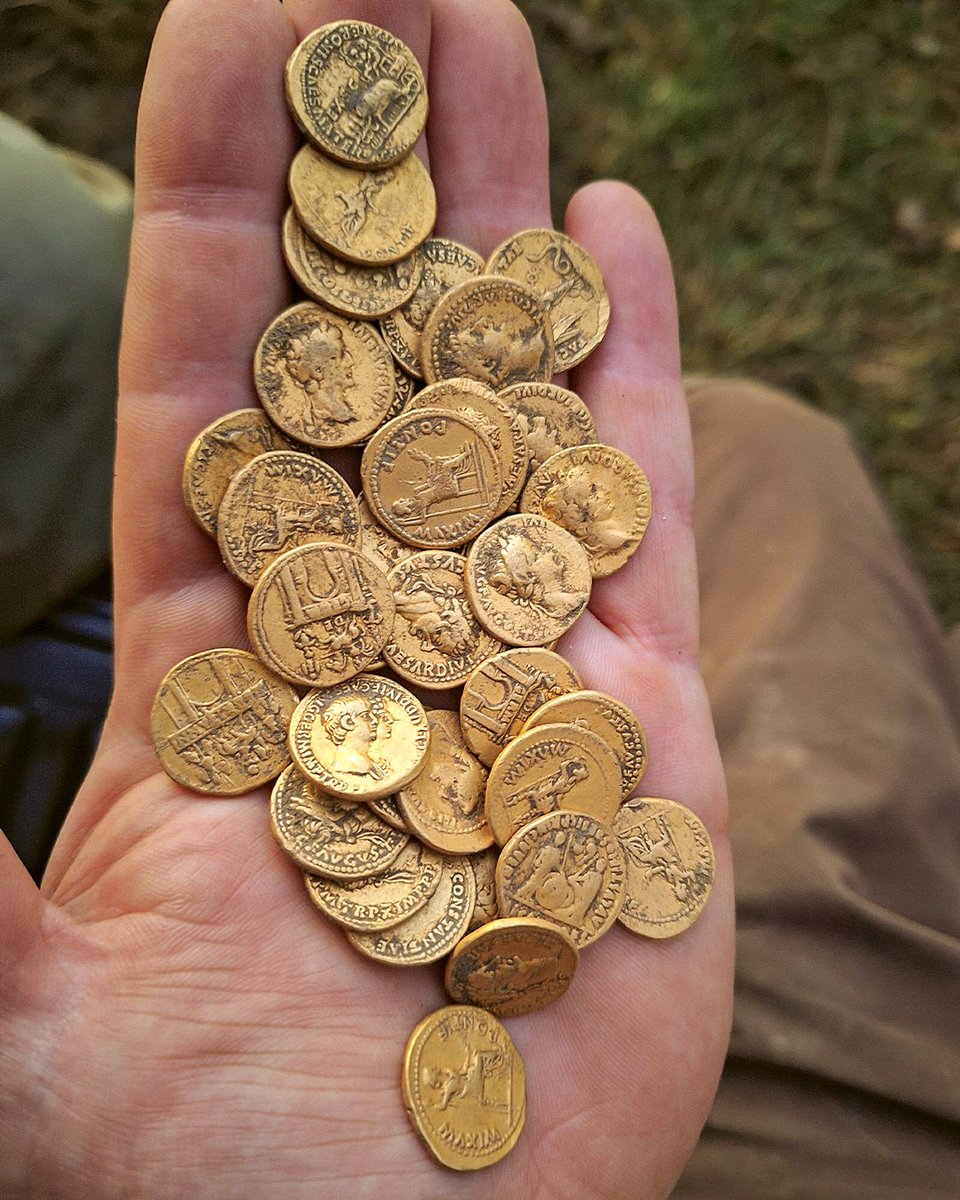
An astonishing hoard of 39 Roman gold aurei has been unearthed in Suffolk! The coins of the 'Hartismere District Hoard' date from the reigns of Augustus to Nero (c.19 BC-55 AD) and were probably buried by a Roman soldier around the turbulent period of the Boudican revolt.
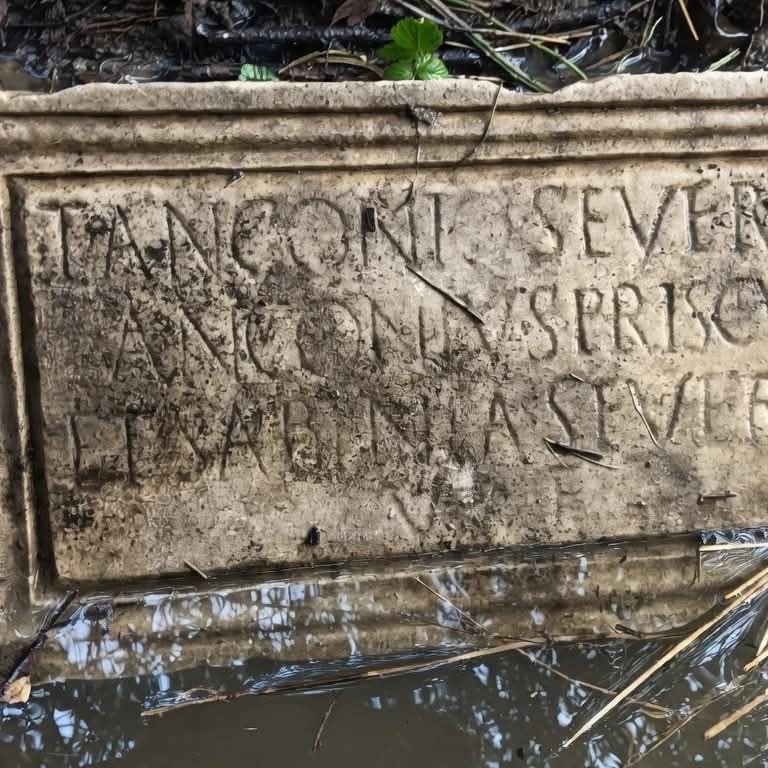
A hiker foraging near Livorno after heavy rain discovered a rare 2nd Century AD. Roman funerary marker in a canal, then reported it to local archaeologists and helped firefighters recover it.
The well-preserved stone bears a Latin inscription naming three people: Titus Anconius Severus, the deceased, and his parents, Anconius Priscus and Sabinia Severa, who commissioned the tombstone while still alive, as shown by the abbreviation V F (“vivi fecerunt”).
Archaeologists say the find is especially important because intact inscribed tombstones are unusual in the Livorno area, and the names may suggest the family were freedmen; the slab is now being cleaned and studied further.
#drthehistories
An oscillum of the 1st century A.D. This was suspended as a decoration from the architrave between two columns. #Gozo Museum of Archaeology #Malta#Roman
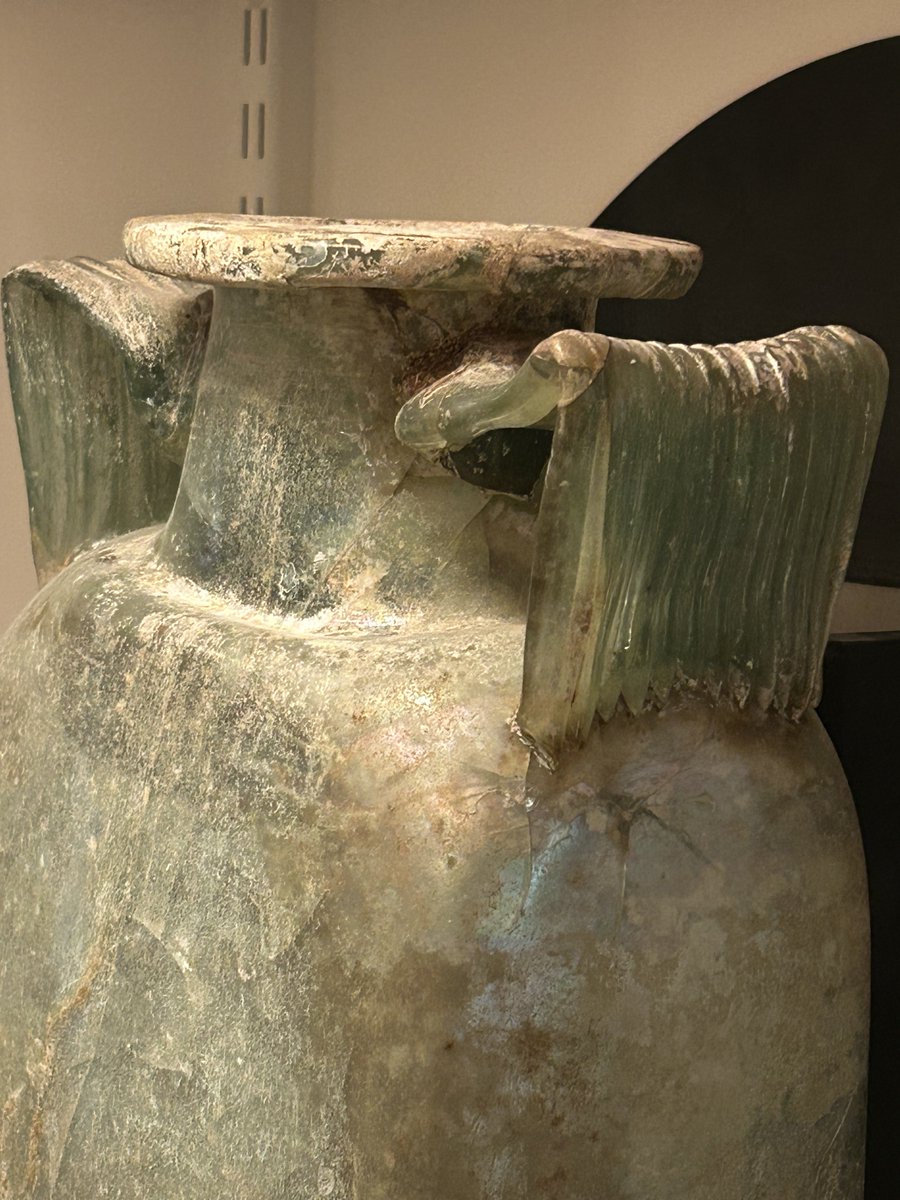
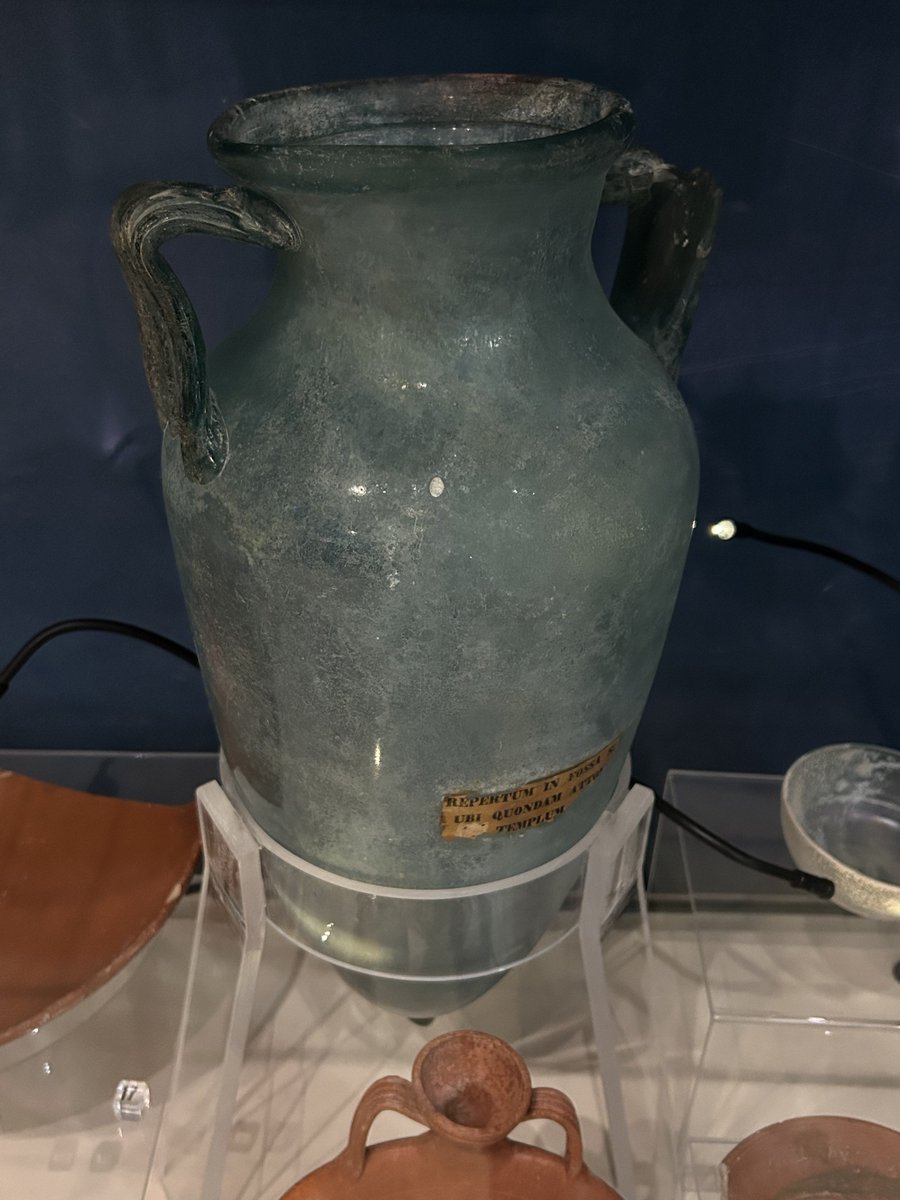
A #glass jar (1st or 2nd century A.D.) used as a funerary urn and containing cremated human remains. #Gozo Museum of Archaeology #Malta#Roman My photos