@EnelClientesBR 18 horas sem energia, insulina com risco de estragar. FRACASSO TOTAL @EnelClientesBR tiveram um ano para fazer a coisa certa e sentaram.
O segredo que poucas empresas sabem usar: dar poder a cada um para fazer o que +importa, sem pedir permissão. Mas precisa comer muito arroz com feijão para ter esse grau de cultura corporativa solidificado. Thanks @DanielNHaddad por compartilhar esse vídeo
Vovó apaga suásticas em Berlim e pinta um coração por cima delas. Irmela diz que já apagou mais de 94 mil mensagens de ódio.
"Nasci em 1945. Não posso fazer nada sobre o que aconteceu [na Alemanha nazista]. Não vivia naquela época. Mas agora posso", afirma.
#dwstories
I recently read a short story that I love: The Farmer and the Horse.
It has two deep lessons everyone needs to hear...
There was a farmer in a small village with a single horse who helped him earn a living for his family.
The other villagers constantly told the farmer how lucky he was to have such a great horse.
"Maybe," he would reply.
One day, the horse ran away. The villagers came to the farmer to express their sympathies.
"Your horse ran away. How unfortunate!" the villagers exclaimed.
"Maybe," the farmer replied.
A few days later, the horse returned home, with ten strong wild horses in tow.
"What good fortune. What incredible luck," the villagers crowed.
"Maybe," the farmer again replied.
The following week, the farmer’s son was riding one of the wild horses in the fields, when it kicked him off and broke his leg.
The villagers arrived to express their dismay. "What dismal luck," they said.
"Maybe," the farmer replied.
The next month, a military officer marched into the village, recruiting able-bodied young men for the war. The farmer’s son, with his broken leg, was left behind.
The villagers were joyful, "Your son has been spared. What beautiful luck!"
The farmer simply smiled.
"Maybe."
Two Lessons from the Short Story
1. Everything is Cyclical
Seeds of destruction are sown during creation. Seeds of creation are sown during destruction.
When times are bright, enjoy, but know the dark will come.
When times are dark, adjust your eyes, and remember the seeds of light are being sown.
2. Dispel the Narratives
The farmer separates story from reality. He allows space for the events to just exist, to be neither good nor bad—to just be.
Events of your life needn't be judged.
The wisest among us allow events to exist without applying a narrative layer.
Remember these two lessons as you navigate uncharted waters in the days, weeks, and months ahead.
Enjoy this? Share it with your network and follow me @SahilBloom for more in future.
Let me help you out and give you my thoughts on DEI
1. Diversity
Good businesses look where others don't, to find the employees that will put your business in the best possible position to succeed.
You may not agree, but I take it as a given that there are people of various races, ethnicities, orientation, etc that are regularly excluded from hiring consideration. By extending our hiring search to include them, we can find people that are more qualified. The loss of DEI-Phobic companies is my gain.
1a. We live in a country with very diverse demographics. In this era where trust of businesses can be hard to come by, people tend to connect more easily to people who are like them. Having a workforce that is diverse and representative of your stakeholders is good for business.
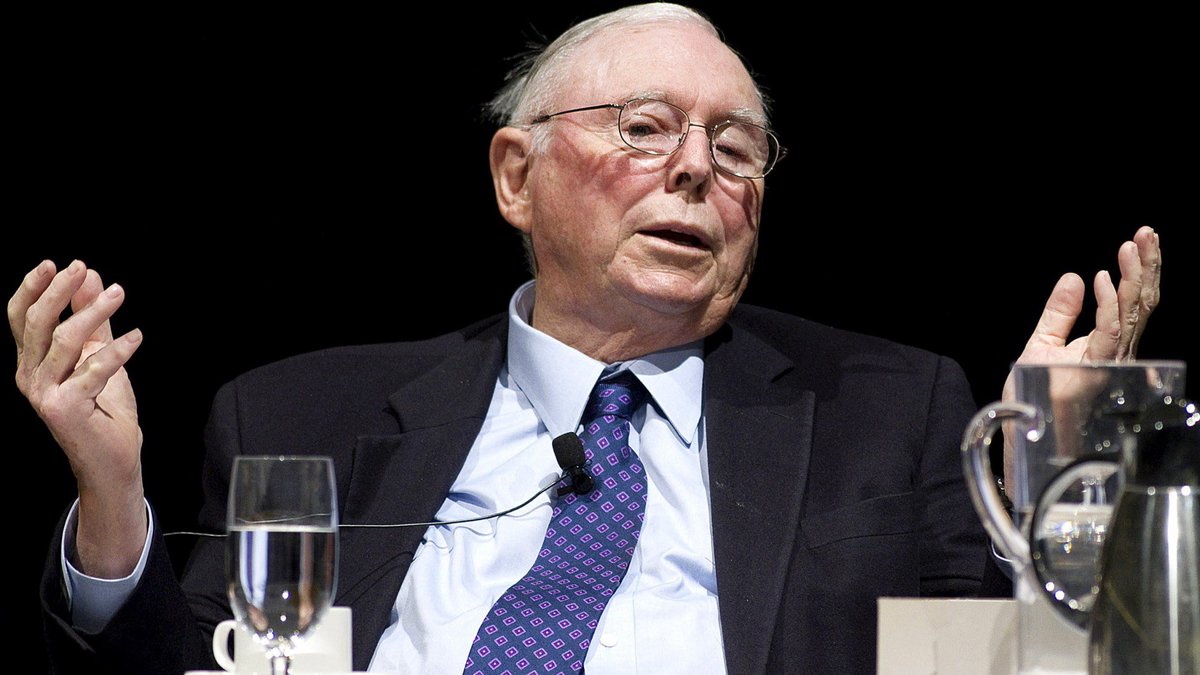
Charlie Munger tells a story about human nature:
"One of my favorite stories is about the little boy in Texas.
The teacher asked the class, “If there are nine sheep in the pen and one jumps out, how many are left?”
And everybody got the answer right except this little boy, who said, "None of them are left.”
And the teacher said, “You don't understand arithmetic.”
And he said, “No, teacher. You don't understand sheep."
Seeing some qs on what Gemini *is* (beyond the zodiac :). Best way to understand Gemini’s underlying amazing capabilities is to see them in action, take a look ⬇️
Satya Nadella é um CEO fantástico. O que ele fez em 48 horas é genial, sem dúvida, e terá repercussões fundamentais para o futuro da Microsoft e da IA. Mas o mais admirável é a jornada da empresa de 2014 até aqui, nas mãos dele.
Satya Nadella
– 10x’d Microsoft’s market cap from $300B to $2.75 TRILLION
– Made them leaders in cloud computing, business networks, and gaming.
And now put them in pole position in the AI race.
He’s a humble Indian boy who got rejected from IIT.
His story is wild. And full of lessons.
Here are the top 5.
1. Growth Mindset
Even in a legacy company.
When Satya became CEO in 2014, Microsoft was a staid giant not known for innovating.
They’d missed on mobile.
And they were about to miss the cloud revolution.
Satya pivoted the company away from its focus on Windows. They invested heavily in Azure, and went all in on the cloud.
The result?
Tens of billions in revenue from their cloud businesses, last year alone.
Mind-bender.
2. Focus on Empathy
Sympathy is feeling for someone.
Empathy is feeling what someone else is feeling. Understanding their POV, internalizing their emotions, and seeing the world from their eyes.
It was the core focus on Satya’s book “Hit Refresh”.
“Empathy makes you a better innovator. If I look at the most successful products we [Microsoft] have created, at their core, they have come about because of a deep empathy for the people we're trying to serve.”
Satya is a total innovator.
And walking a mile in your customer’s shoes is the best way to do it.
3. Collaboration at work
Microsoft under Bill Gates and Steve Ballmer was notoriously competitive.
Internal strife and competition were key features of the Microsoft of old.
Satya Nadella changed all of it.
He refreshed a legacy culture, and made it one of the most collaborative among global tech giants.
The result?
Well, you saw the numbers at the top.
4. Seek out partners
For a legacy company with a massive bureaucracy, moving fast is often not possible.
Microsoft was slow. And changing it took time.
But what they had were tremendous resources. And Satya put them to good use.
LinkedIn, Github, Activision Blizzard, OpenAi, and now, Sam Altman himself.
Satya has made partnering with movers and shakers the hallmark of his tenure.
It has propelled Microsoft to the top in every category of tech in 2023.
5. Flexibility
The flexibility Satya showed last weekend was the stuff of legend.
Microsoft was obviously caught off-guard with @sama suddenly being fired.
And they (probably) fought like hell to get him reinstated.
But when it didn’t work, Satya changed course.
Onboarded Sam to lead Microsoft’s AI initiative.
While staying publicly committed to OpenAI.
Preserving reputation and present relationships while investing heavily in the future.
Now that,
That’s leadership.
The reason I was a founding donor to OpenAI in 2015 was not because I was interested in AI, but because I believed in Sam. So I hope the board can get its act together and bring Sam and Greg back.
If you told me 10 years ago that a group of the smartest engineers in the land would evoke the threat, "Do what I say or I will go to work at Microsoft," I would not have believed you. Amazing shift in corporate reputation (and much credit to Satya).
Now is probably the time to announce that I've been writing a book about @OpenAI, the AI industry & its impacts. Here is a slice of my book reporting, combined with reporting from the inimitable @cwarzel. Inside the year of chaos that led to this weekend. https://t.co/6sRzvHHdLY





![aschwags3's tweet photo. Satya Nadella
– 10x’d Microsoft’s market cap from $300B to $2.75 TRILLION
– Made them leaders in cloud computing, business networks, and gaming.
And now put them in pole position in the AI race.
He’s a humble Indian boy who got rejected from IIT.
His story is wild. And full of lessons.
Here are the top 5.
1. Growth Mindset
Even in a legacy company.
When Satya became CEO in 2014, Microsoft was a staid giant not known for innovating.
They’d missed on mobile.
And they were about to miss the cloud revolution.
Satya pivoted the company away from its focus on Windows. They invested heavily in Azure, and went all in on the cloud.
The result?
Tens of billions in revenue from their cloud businesses, last year alone.
Mind-bender.
2. Focus on Empathy
Sympathy is feeling for someone.
Empathy is feeling what someone else is feeling. Understanding their POV, internalizing their emotions, and seeing the world from their eyes.
It was the core focus on Satya’s book “Hit Refresh”.
“Empathy makes you a better innovator. If I look at the most successful products we [Microsoft] have created, at their core, they have come about because of a deep empathy for the people we're trying to serve.”
Satya is a total innovator.
And walking a mile in your customer’s shoes is the best way to do it.
3. Collaboration at work
Microsoft under Bill Gates and Steve Ballmer was notoriously competitive.
Internal strife and competition were key features of the Microsoft of old.
Satya Nadella changed all of it.
He refreshed a legacy culture, and made it one of the most collaborative among global tech giants.
The result?
Well, you saw the numbers at the top.
4. Seek out partners
For a legacy company with a massive bureaucracy, moving fast is often not possible.
Microsoft was slow. And changing it took time.
But what they had were tremendous resources. And Satya put them to good use.
LinkedIn, Github, Activision Blizzard, OpenAi, and now, Sam Altman himself.
Satya has made partnering with movers and shakers the hallmark of his tenure.
It has propelled Microsoft to the top in every category of tech in 2023.
5. Flexibility
The flexibility Satya showed last weekend was the stuff of legend.
Microsoft was obviously caught off-guard with @sama suddenly being fired.
And they (probably) fought like hell to get him reinstated.
But when it didn’t work, Satya changed course.
Onboarded Sam to lead Microsoft’s AI initiative.
While staying publicly committed to OpenAI.
Preserving reputation and present relationships while investing heavily in the future.
Now that,
That’s leadership.](https://pbs.twimg.com/media/F_Yg-U3XIAA-wLZ.jpg)


