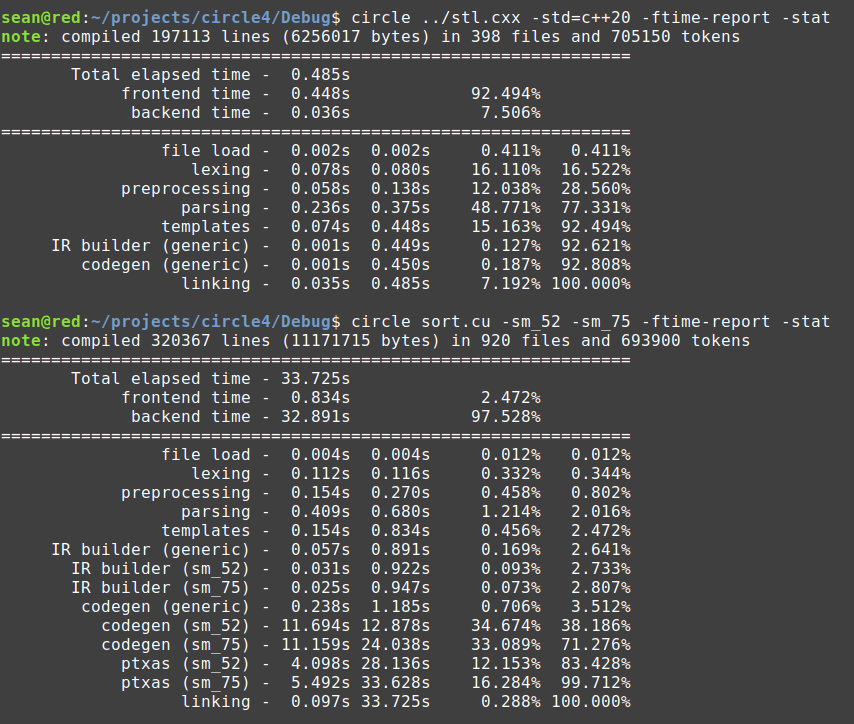
@seanbax I believe in the long run; your work will be invaluable to the C++ community. Right now, it might seem that the ISO community is indifferent to this view. But with C++, as it has always been it moves rather slowly in the direction that is most needed to.
YOLO NAS is a phenomenon.
A real-time object detector with <5 millisecond latency.
This will eventually be integrated into mobile cameras, and have “click to buy this item” functionality.
Would not be surprised to see Apple integrate this soon.
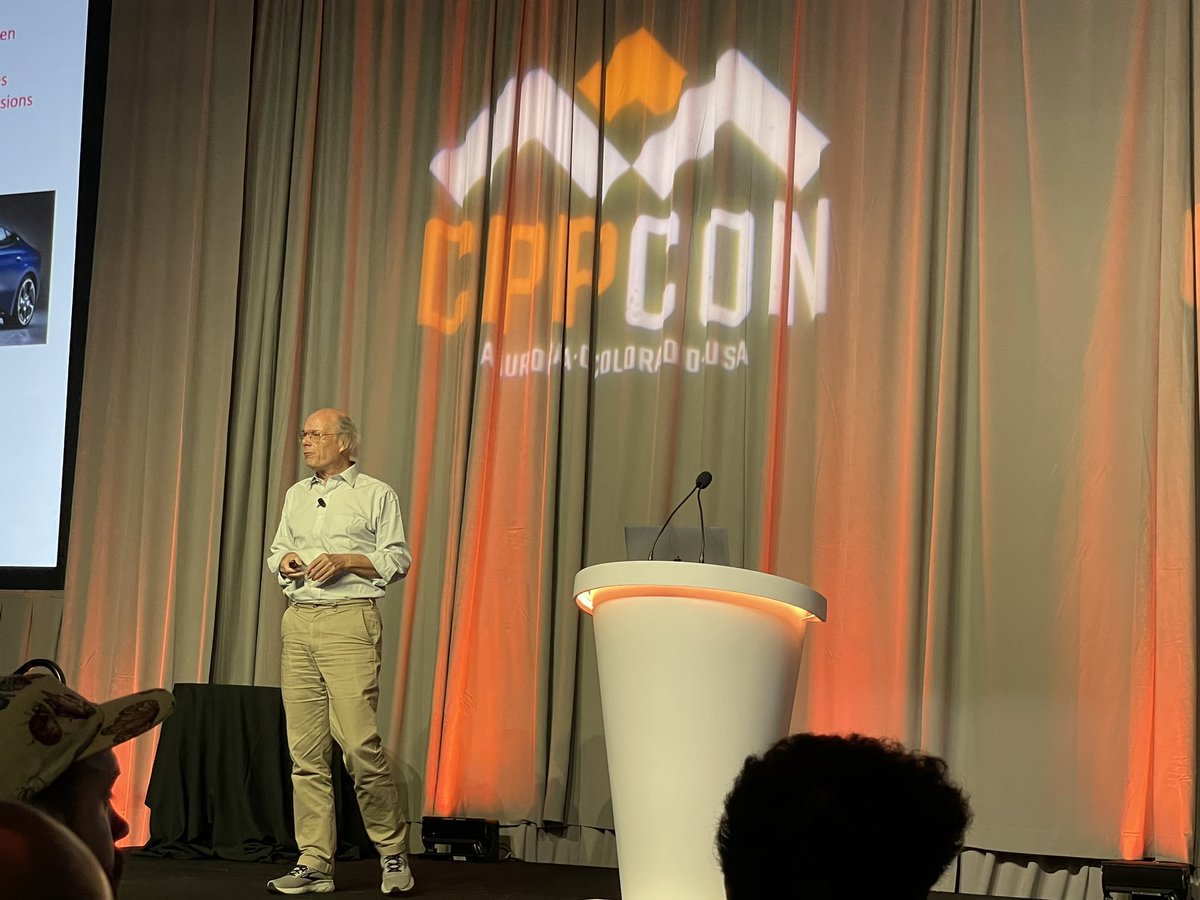
The @isocpp committee has approved to send DIS (Draft International Standard) for C++23 to ISO for final approval.
Happy to have been part of the process this is the fifth update in 12 years (one every 3 years).
Thanks to all my colleages for the good hard work done.
#cpp23
Krisfix might have found the reason: Lots of those defect cards do origin the same seller. Presumably mining cards, which have been stored incorrectly or under too high humidity. High humidity in the package can result in the GPU popping up.
https://t.co/QXAhfIgxVs
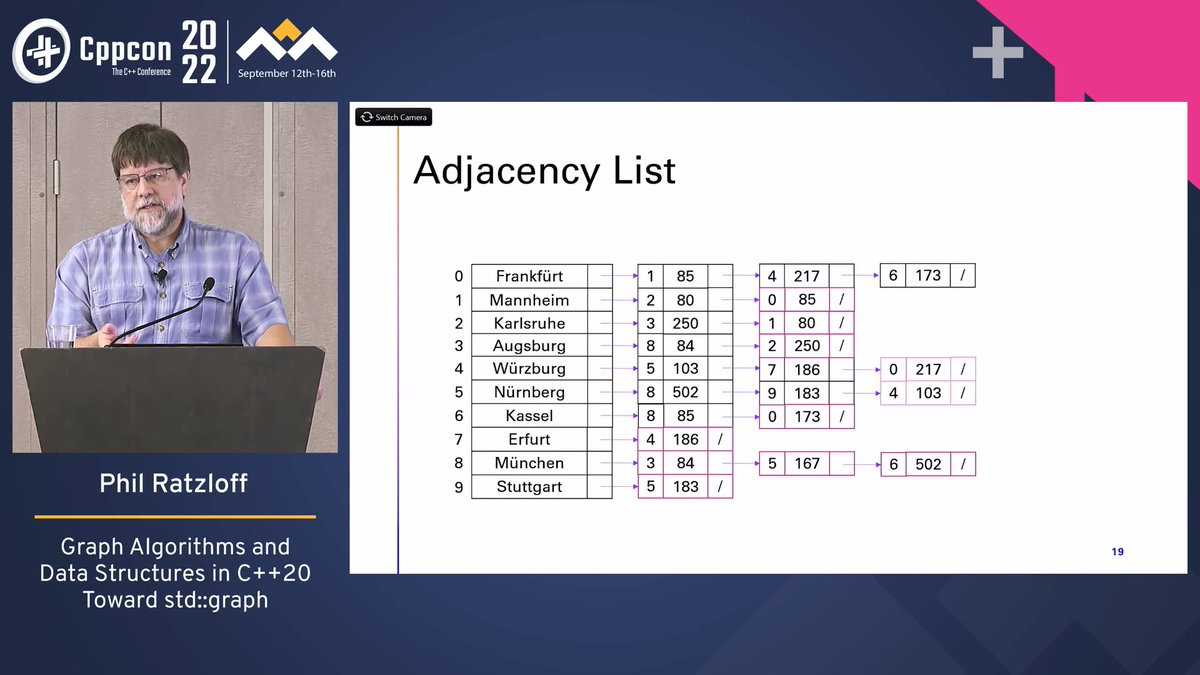
Learn how Boost.Intrusive is used to construct high-performance containers interoperable with the future std::graph:
Video: https://t.co/JqysqJcwBx
Library: https://t.co/AdMttSyqjL
#boostcpp#cpp#cplusplus#cppcon
This is very cool. Sean has grabbed the C++0x concepts baton from @dgregor79 and run with it. This is what concepts in C++ could and should have been: separately checked templates and generation of type-erasing wrappers from a concept definition. Lovely.
I don't understand why WebGPU doesn't support relaxed precision (like SPIR-V/DXIL). Today 90%+ devices (desktop, console, mobile) support fp16. Legacy GPUs (<10%) will run relaxed precision code using fp32. The same shader still works. What's the problem here?
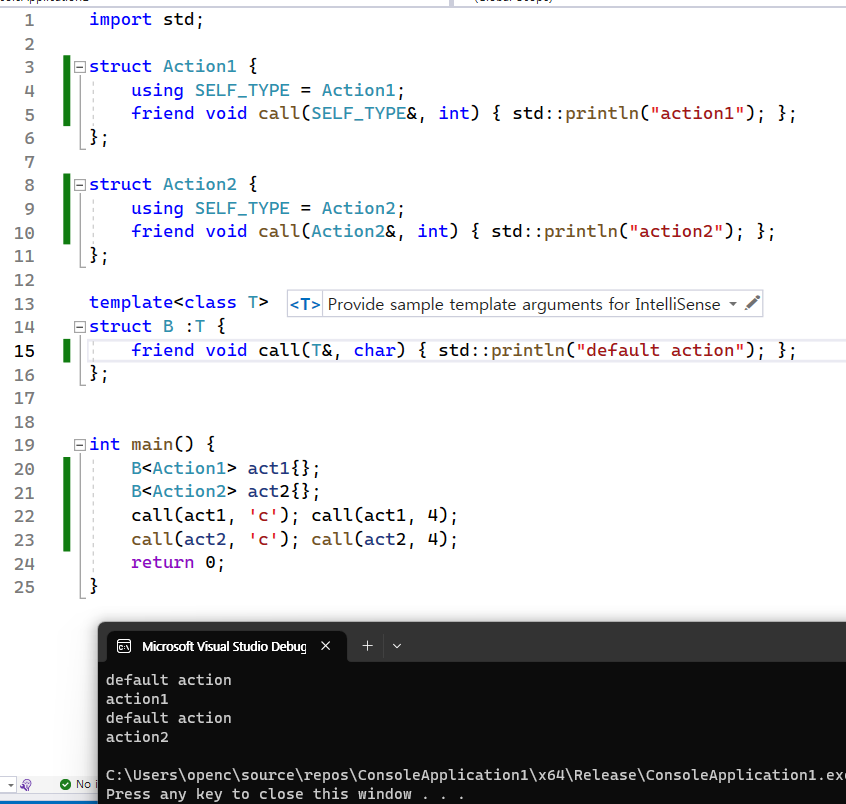
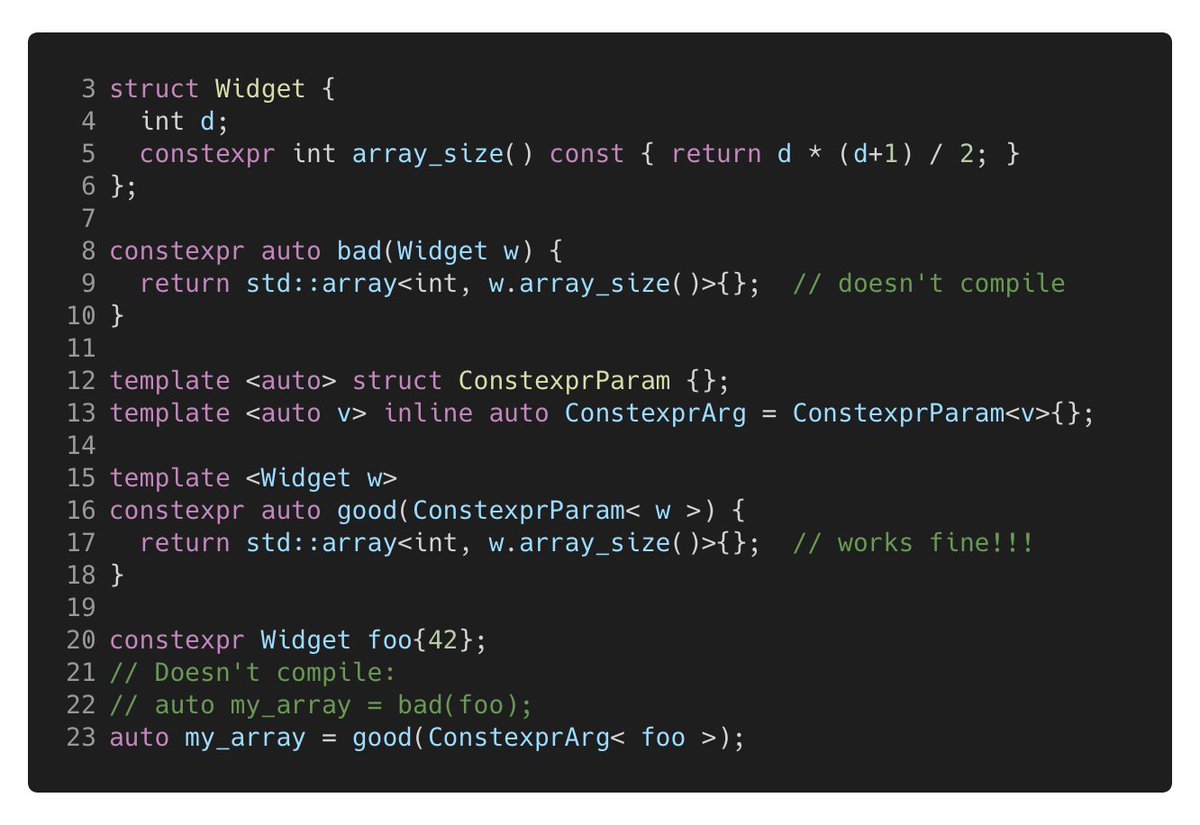
Cute C++ trick of the day: C++ doesn't allow you to use "constexpr parameters," but with some clever use of a C++20 auto non-type template parameter and a helper class template, you can come pretty close: https://t.co/EjIYaiq6RK