Come #work in lab as #labtech#labmanager
🚨 #JobAlert Join an international team at Physics of Life, working at the interface of biology and physics 🧬
👨🔬The Barriga Lab #science is seeking an experienced lab technician.
Please share with your colleagues! Learn more here: https://t.co/LLC3IWLsy6 🗓️Application deadline: May 6. #Xenopus #Biomechanics #Bioelectricity
#SciArt Profile: Brittany Carr
In this profile, we meet Brittany Carr, an Assistant Professor at @UAlberta. Brittany uses acrylic, watercolour, gouache & ink to create pictures of the natural world & she is a fan of using microscopy for ‘science’ art.
https://t.co/fMMBLqYaFD
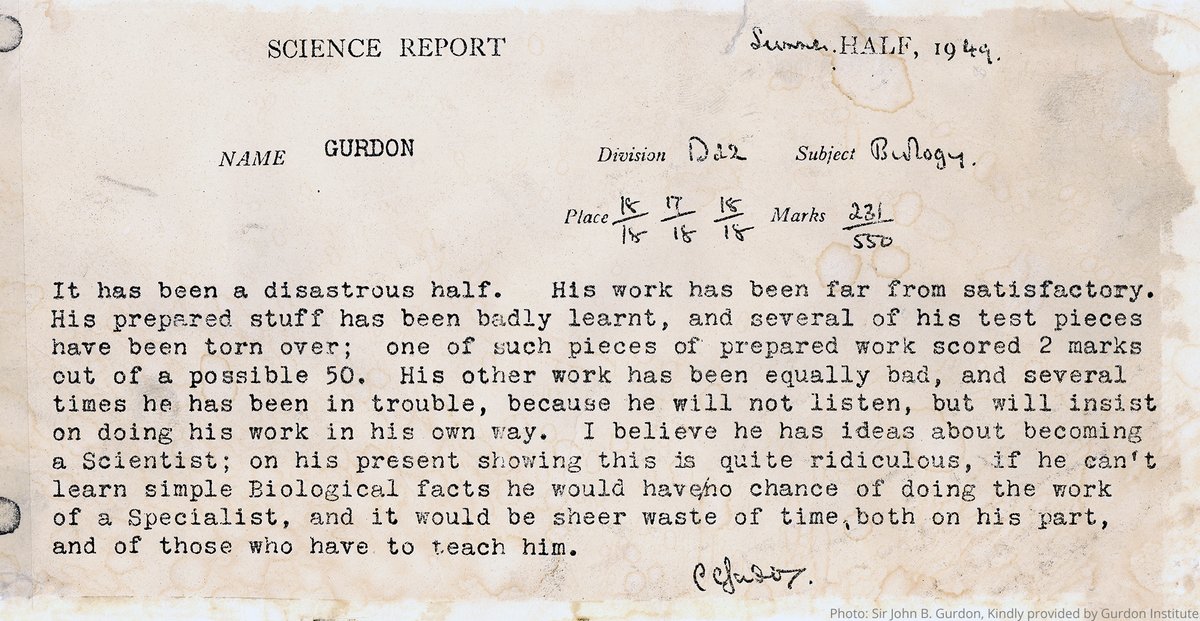
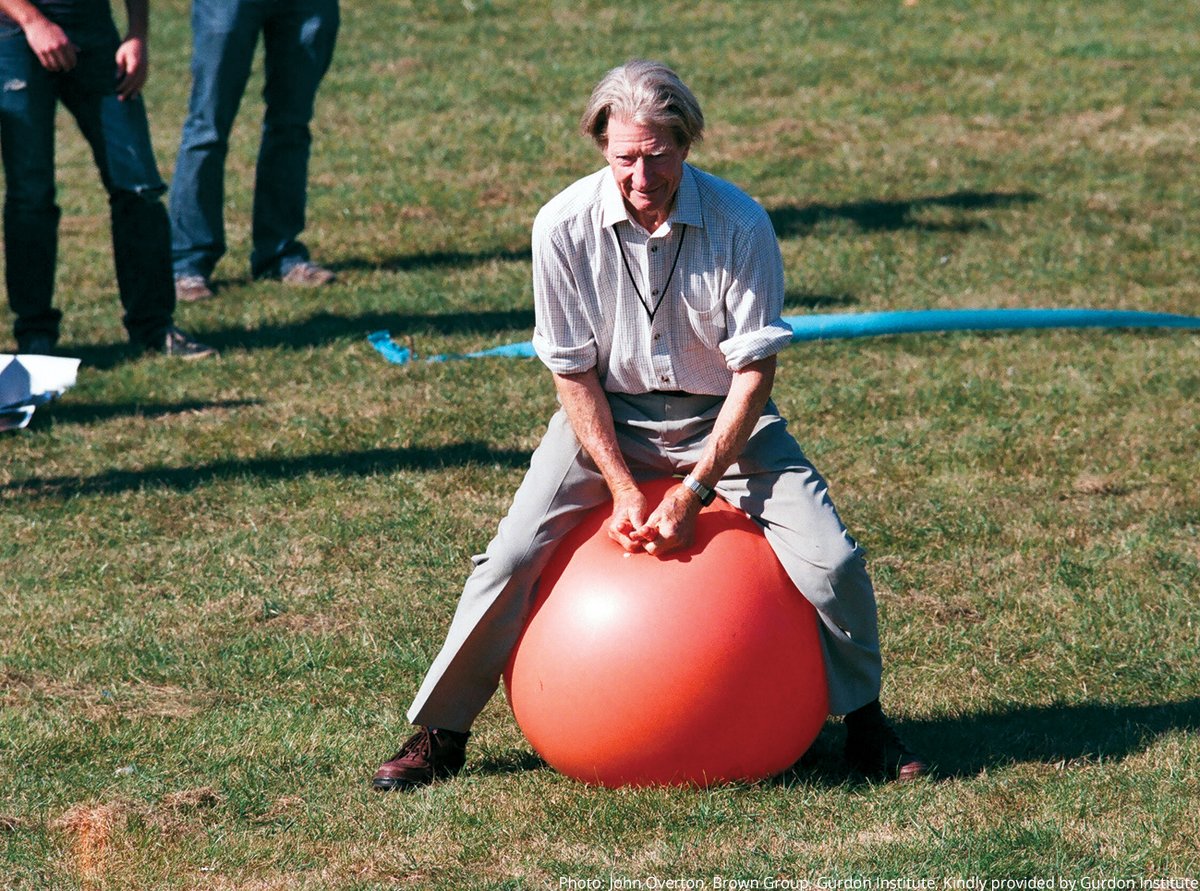
Despite his teacher’s opinion that he couldn’t learn simple biology, John Gurdon went on to receive a #NobelPrize, for his classic frog experiment, which showed that the DNA of mature frog cells has all the information needed to develop all cells in its body.
#WorldFrogDay
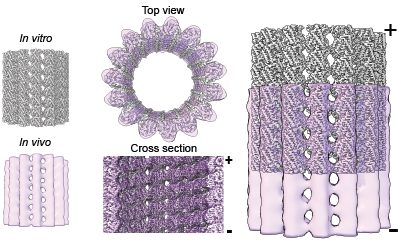
In vitro reconstitution is powerful: we rebuild Plasmodium microtubule architectures from purified components & recapitulate what cells actually do🤩
Thanks to the team that made this possible🙌 in particular Carolyn Moores @BirkbeckScience
Out today: https://t.co/Hv2VpBkqBS
Why Seeing Still Matters in Biology
@helenajambor addresses why all biologists need data visualisation. Read and discuss this topic on the Node. ⬇️
#DataVis#BioVis
https://t.co/zTnRP7wxOa
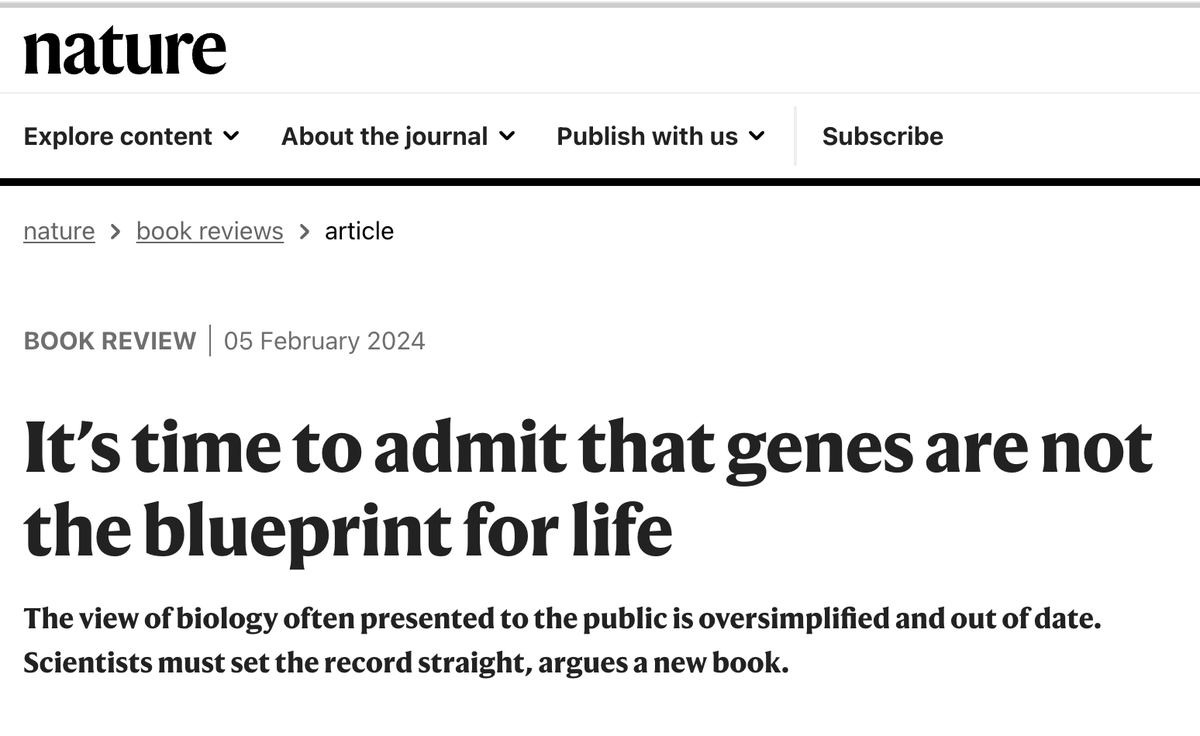
One of the most important discoveries in molecular biology, I'd say, happened in 1974 when scientists took a gene from a frog (Xenopus laevis) and transferred it into a bacterium (E. coli). The bacterial cells read, processed, and expressed the gene.
If a bacterium can read a frog gene, so the logic went, then the entire living world is, in principle, "programmable." Genes can be swapped between kingdoms of life, thus enabling:
- The production of human insulin in bacteria.
- Manufacturing of vaccines in yeast and chicken eggs
- Engineered crops carrying biopesticide genes from algae etc.
Check out A Brief History of Xenopus to learn about other key experiments in which frogs played a role. 🔻
Mitosis lovers, get ready for Dubrovnik! 🔬🎉
I’m super excited to be organizing the 4th Mitotic Spindle Conference with @nenad_pavin, and we can’t wait to see you there!
Want your abstract to be selected for a talk? Submit by Feb 8!
https://t.co/VojJt1MA4p
#SpindleCroatia2026
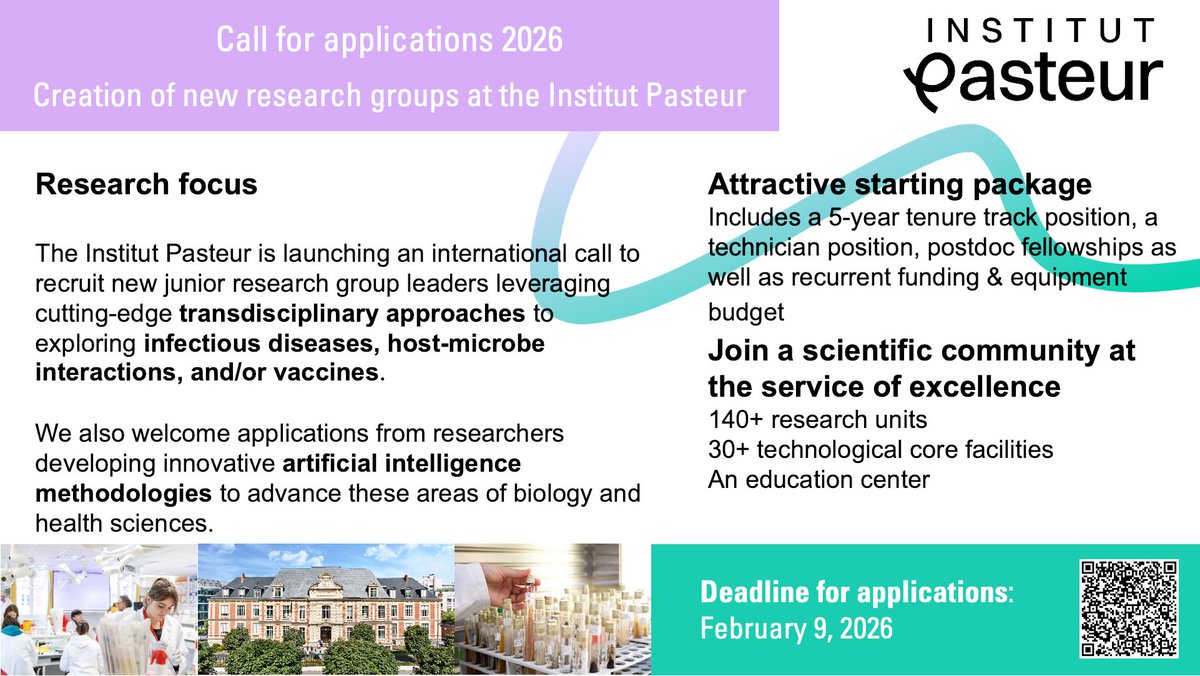
We're hiring! JCS is looking for a Reviews Editor to join the team. This is a fantastic opportunity for someone who loves cell biology and wants to stay connected with the field (and be part of an organisation that believes in supporting the community).
https://t.co/GqTNAZMuUO