Characterizing AI-designed proteins requires quantitative biochemistry at massive scale. Enter Amplicon/Protein Bead Display (APB-Display), a fully in vitro platform that quantifies Kd's for >100,000 variants in <3 days (preprint link below!) @Stanford_ChEMH@czbiohub (1/n)
Amazing work from the Kellogg lab!! I had this kind of project in my very first 2022 professorship proposal and but never actually did it, super glad to see it can work in reality!!!
https://t.co/iqofxDnPGP
How do cells convert mechanical information into a molecular process? The @Alushin_Lab has captured the first snapshot of a mechanical signaling complex in action, findings in @Nature that have implications for disorders related to myosin dysfunction.
🔗: https://t.co/sElRWanbAV
We thank the reviewers for their insightful comments which clarified many additional aspects of the paper beyond this key point. Congrats to co-first authors Ayala Carl, Matt Reynolds @mattabolic_rate , and Xiaoyu Sun @XiaoyuSun_LIM !
Very pleased that after a rigorous (and lengthy) review process, our paper visualizing how myosin generated forces modulate actin filament structure for mechanosensitive recogntion by α-catenin has appeared in @Nature
https://t.co/gzEziWL8aB
After additional work, we believe that it is exclusively axial compression which produces supercoils. Compression can occur on a subset of filament segments even under conditions which globally produce tension, due to the stochastic mechanochemical cycles of uncoupled motors.
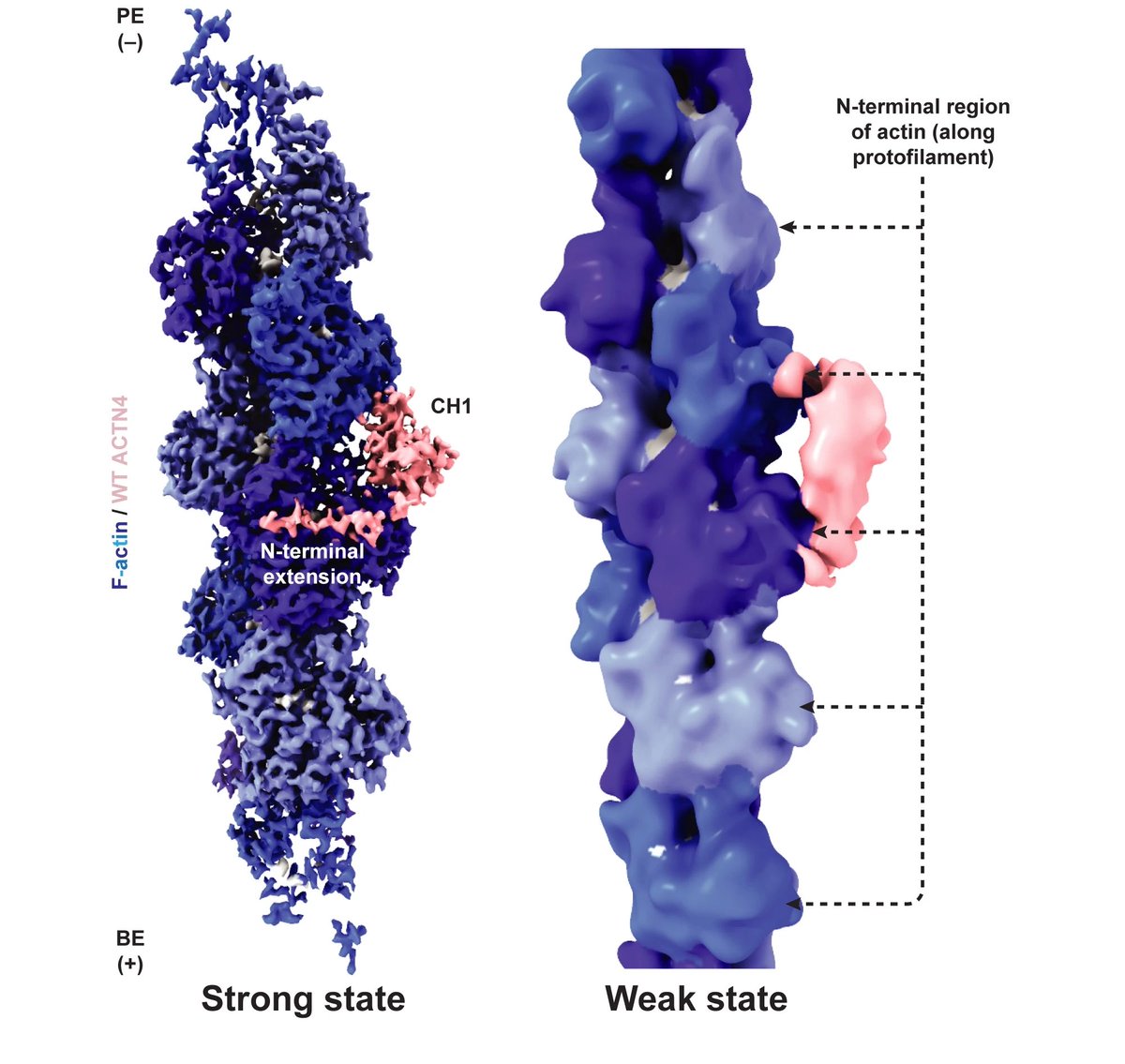
Very excited to share our latest preprint, where we visualize the impact of force on the catch bonding actin crosslinker α-actinin-4. Led by @alfredcchin, a great collaboration with Glen Hocky's lab.
https://t.co/7GoQA85Nhz
Cytoskeleton enthusiasts: join us for the Cytoskeletal Motors GRC, July 12-17, 2026, in Portland Maine. Abstracts submitted by April 5 will be considered for short talks. Please apply!
https://t.co/yYaiLVpslC
Scientists in the @Alushin_Lab figured out how cells build a structure that lets them migrate. Unpacking these “finger-like” protein bundles that protrude from cells may lead to novel treatments for #metastasis. #RockefellerScience#YearInReview
🔗: https://t.co/aWncRDoKwv
DNA nanodevice for analysis of force-activated protein extension and interactions.
A tension-modulated #DNAorigami#nanosensor, compatible with bulk biochemical analysis in cell lysates, is used to assess the force-induced interaction of proteins.
https://t.co/5jmdFDhENZ
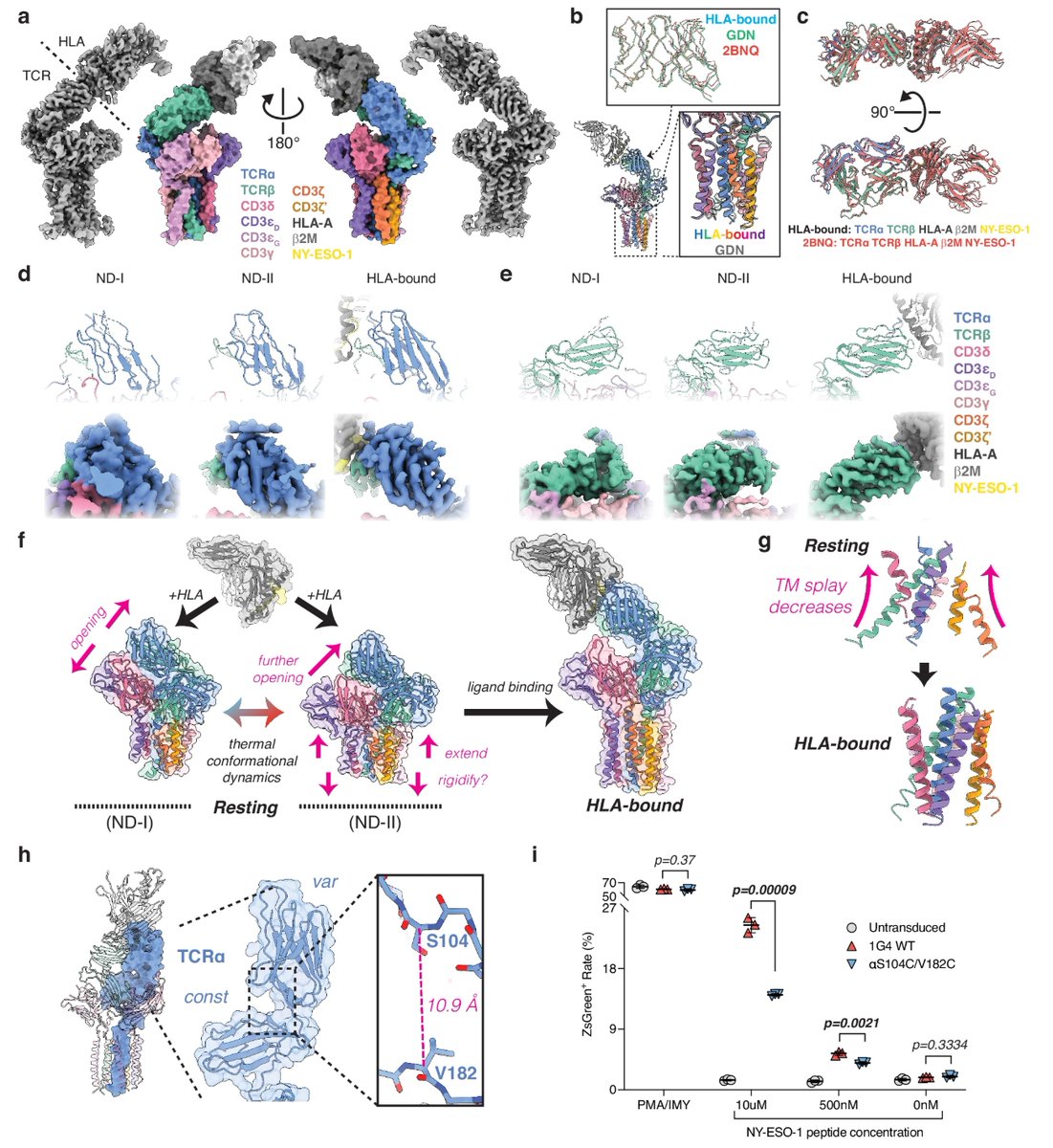
🚨Today in @NatureComms: We resolve an enduring enigma in T cell biology—how TCR binding to p/HLA triggers intracellular signaling. CryoEM in native environment reveals a 'jack-in-the-box' mechanism! Collab btw @RockefellerUniv@MSKCancerCenter@parkerici https://t.co/HJng8WvjOp
How do cells move, divide, and sense their surroundings? The answer lies in the cytoskeleton--and when it malfunctions, cancer and birth defects follow. @Alushin_Lab at @RockefellerUniv has developed new tools to probe this tiny, dynamic cell scaffolding.
https://t.co/NlBcWZQxN0
Applications for faculty positions at Rockefeller are now open! We are seeking exceptional, creative scientists to join our faculty.
Learn more below:
https://t.co/EVtKiEgNBf
Vought has ordered a halt on all extramural NIH funding for the rest of the FY. No words. You cannot let this stand @SenateDems@SenateGOP@NIHDirector_Jay@hubermanlab
https://t.co/tJSaWl7Ddk Trump Administration Puts New Chokehold on Billions in Health-Research
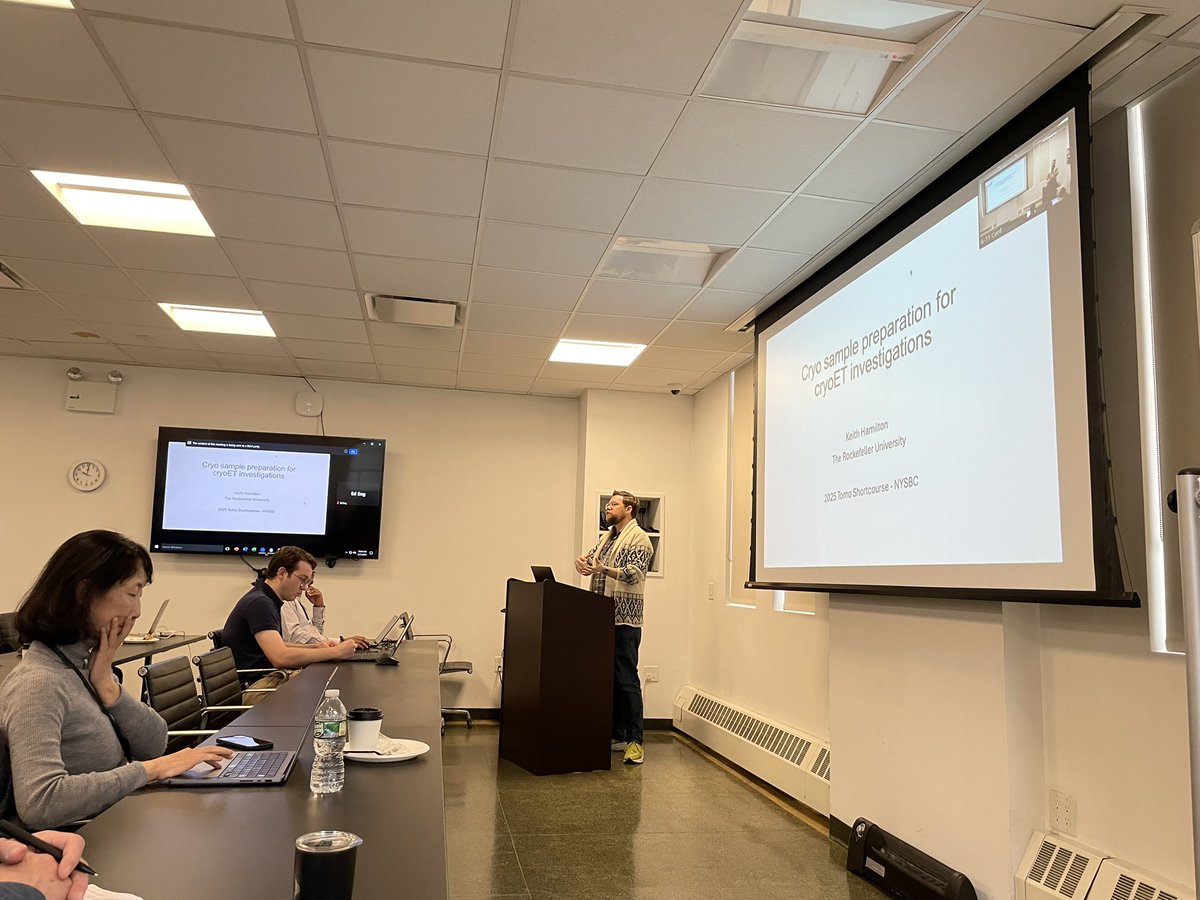
Keith Hamilton from the @Alushin_Lab at Rockefeller University gave a deep dive into the first step of any structural biological workflow: sample preparation. Through test cases he showed the balance of what is easily doable versus preserving biology.
https://t.co/oVFTltoBYd
New study in @ScienceAdvances: the Alushin lab shows how afadin strengthens cytoskeletal engagement by the cadherin-catenin cell adhesion complex. Dysregulated afadin expression has been associated with carcinogenesis and cancer metastasis.https://t.co/GipzsP7JRr
https://t.co/BBiG2N9Tkr Just published! We uncovered a molecular machine that connects the cell's two major structural networks revealing how cells accomplish precise internal reorganization - a process disrupted in diseases ranging from cancer to multiple sclerosis.