A thread about @QNAP_fr and how companies actually don't care about (or lost the capacity to?) fixing your microelectronic goods (bonus: #ecology and #cash saving included!) ⚡️👨🔧🌳
@gonzague@Somfyfr Au mieux tu trouveras des projets un peu bricolage où les gars actionnent les boutons d’une télécommande Situo avec un ESP32. Mais tu perds de facto les retours d’état et tout ce qui fait qu’io est plus sympa que RTS.
@gonzague@Somfyfr Pour RTS c’est bien documenté et tu t’en sortira facilement e.g. avec du RFXCOM.
Pour io Homecontrol c’est bien plus compliqué et je ne crois pas qu’il y ait d’implémentation open source.
@xSPECTRExZ@gonzague@Somfyfr Pars sur du filaire/KNX si tu peux.
Et quand tous les artisans t’auront dit qu’ils savent pas faire et qu’ils vont vouloir te poser des volets Somfy (qui seront soit filaire/soit radio mais quasi jamais les 2, force sur du io et surtout pas sur RTS qui n’a pas de retour d’état.
@gonzague@Somfyfr Honnêtement j’en suis revenu du tout Somfy. C’est incontournable pour pas mal de choses (e.g. Velux, store, BSO qui sont très souvent soit en Somfy, soit en filaire/noname) mais pour tout le reste -> Home Assistant (+Overkiz pour piloter le Somfy en local sans leur « cloud »).
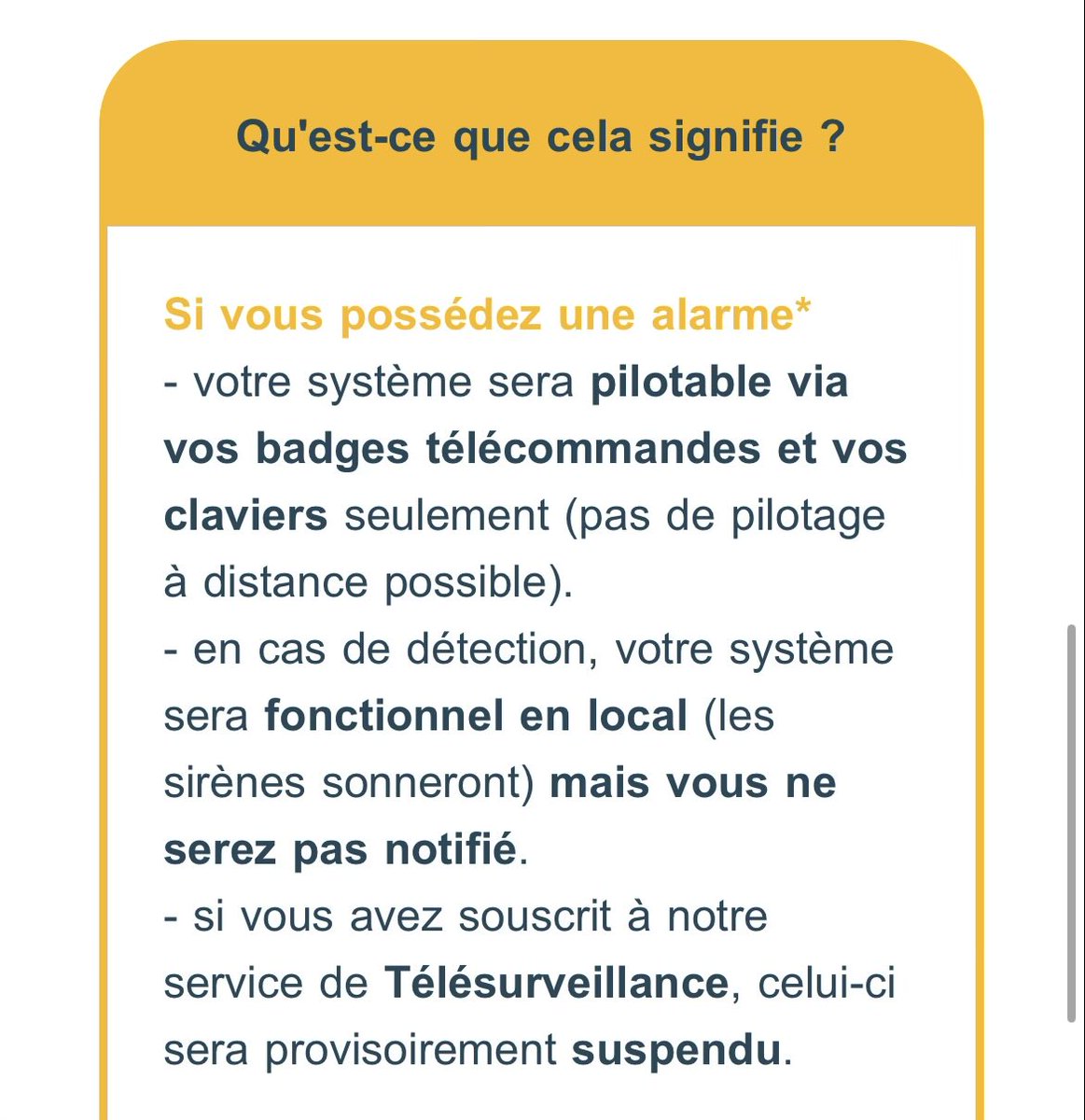
@gonzague@Somfyfr On modèrera tout de même ces propos avec leur habitude à faire des MAJ qui coupent la prod en pleine journée / semaine. C’est assez anachronique comme pratique. Surtout pour la partie alarme.
@free Par contre pour la Tanzanie faudrait voir ce qu’il se passe en roaming avec Yaz. Impossible de faire fonctionner la 4G. Quand ça accroche en 4G, aucune connexion. Ça ne fonctionne qu’en 3G. Et le downgrade forcé en 3G n’est pas possible avec un iPhone récent / à jour.
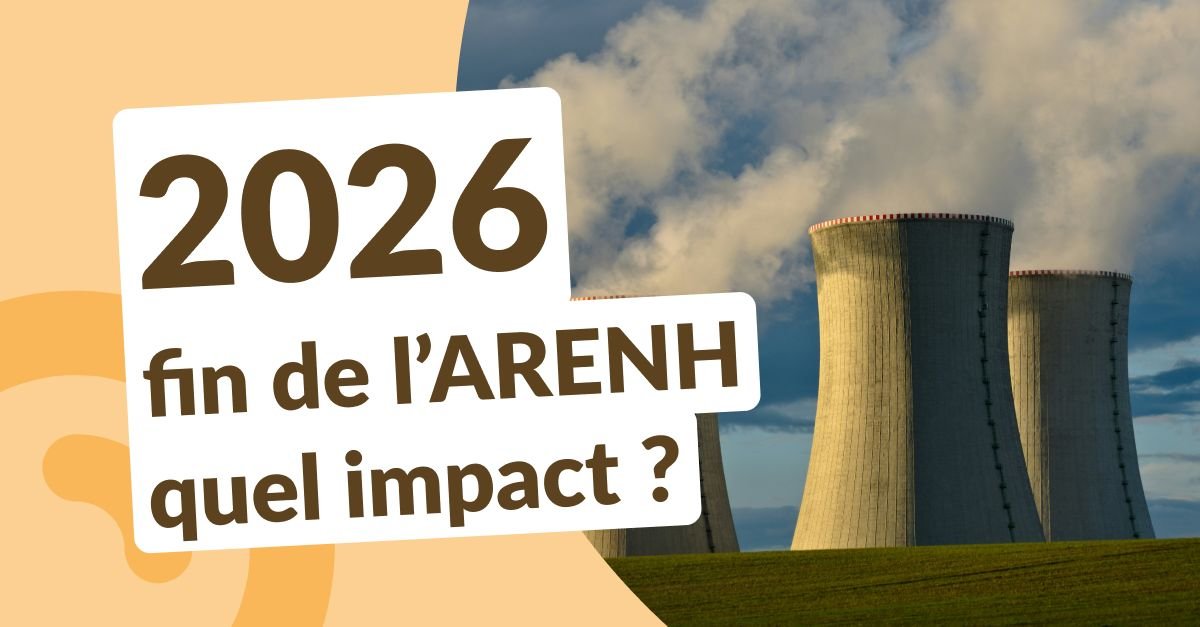
On this last day of the year, I want to congratulate France for its termination of the ARENH law 🥳
This law, in full "Accès régulé à l'électricité nucléaire historique" or "Regulated access to historic nuclear electricity" was a law that was introduced in 2010 by the then French government under president Sarkozy, that ostensibly aimed to introduce an "energy market" in France.
It worked like this: EDF was forced to make available 100 TWh annually to third party companies that could buy this for a mere 4 cents per kWh. These companies then sold it for "market prices" to consumers. You'd be correct to think that this was a massive forced subsidy by EDF to create its own competition.
To add insult to injury EDF was then forced to buy back the energy that these companies couldn't sell, at market prices.
Over the period that this law was in effect, from July 2011 to today, EDF accrued tens of billions of debt. Now that this law is expiring EDF can finally raise their prices, from 4 to 7 cents per kWh, and start investing again in new nuclear builds and pay off that debt.
It is perhaps hard to ascertain the intent of the lawmakers back in 2010, but this type of law would be ideal if you wanted to kill the nuclear sector, which almost succeeded!
Fortunately, this nightmare is now over and we now live in a world where the French value their nuclear assets and are set to expand it by building up to 14 more large reactors in the coming years.
Adieu ARENH 👋
@lalunebleue@Marminau Attention, dans ce cas il y a le spoofing du numéro téléphonique de la Banque qui joue beaucoup. Pas simplement l’usurpation de l’identité du conseiller bancaire.







![ASNR_FR's tweet photo. L’ASN autorise la mise en service du réacteur #EPR de #Flamanville [image : copyright ASN] @EDFEPR @EDFofficiel
https://t.co/o19HocgL4Z https://t.co/oKfYh9FebY](https://pbs.twimg.com/media/GM_JFOEXEAI968O.jpg)


