New blog ✍️
ARISE FLUIDS is being called a negative trial. WE don't think that's the whole story.
Here's our take on why the pulmonary edema finding deserves more attention.@tukaramj@vskeskar@singhmong@Manojku17261354@arvindcanchi
https://t.co/SfFkKDqR7A
Why does some of our love for “anti-anaerobic” coverage never fade?
Despite clear recommendations from IDSA/ATS 2019 CAP Guidelines and the Surviving Sepsis Campaign Guidelines…
Despite growing evidence — including a large observational study evaluating extended anaerobic coverage and mechanistic insights from
AJRCCM study on anaerobic antibiotics, gut dysbiosis, and AKI — showing potential harm…
We still see it.
Every. Single. Day.
Piperacillin-tazobactam. Metronidazole add-ons. “Just in case.”
Not because of evidence.
But because of comfort.
👉 The fear of missing anaerobes
👉 The legacy of old teaching (“aspiration = anaerobes”)
👉 The illusion that broader = safer
👉 And the quiet discomfort of uncertainty
But here’s the reality:
Anaerobes are rarely dominant pathogens in most aspiration-related pneumonias ( in hospital)
Routine extended coverage does not improve outcomes
It may disrupt gut microbiota, promoting dysbiosis → organ dysfunction (including AKI)
And it clearly increases risks: resistance, C. difficile, cost, ecological harm
Even sepsis guidelines emphasize early appropriate antibiotics — not indiscriminate broadening.
Yet habits in medicine are powerful.
Stronger than guidelines. Sometimes stronger than evidence.
Antimicrobial stewardship is not just about knowledge.
It’s about unlearning.
Maybe the real question is not:
“Should I cover anaerobes?”
But rather:
“Am I prescribing this because the patient needs it… or because I do?”
#CriticalCare #AntimicrobialStewardship #Sepsis #ICU #EvidenceBasedMedicine #Antibiotics #Microbiome
Delivering bad news as an ICU doctor is one of the harder parts of the job.
Here are some lessons I've learned along the way👇
1. Always sit down
2. Don't just jump into it. Spend the first couple of minutes with introductions to yourself, your team (if present), but more importantly who all is in the room (patient, family etc.)
3. If you will be needing consent for something (procedure, palliation etc.) as part of the discussion, ensure you know who the decision maker(s) are.
4. Preface the bad news "I have to share something that might be hard to hear"
5. Clearly in <30 seconds deliver the bad news then STOP TALKING.
The biggest mistake I see is people give the news and keep going. It takes time to process what may be the worst news they've ever received. Silence is the solution here. They will talk or ask questions when they are ready... it could be 10 seconds, 1 minute, or 10minutes. Give them the time they need before you proceed.
6. Ask if they have any questions about what you have delivered.
7. Be prepared to answer 'what comes next' ..
8. Ask about spirtual / religious beliefs when appropriate and offer support if that is available.
9. Let them know you or someone from your team will be available to answer questions that might come to mind... often in the moment, questions slip people's mind but come to them minutes after you leave. Make sure they know how they can have them clarified.
Just some thoughts here... any others?
Bonus: Don't construe family members becoming angry as them being angry at you or the team. Anger when faced with this news is common, normalize it and realize it likely isn't directed at you!
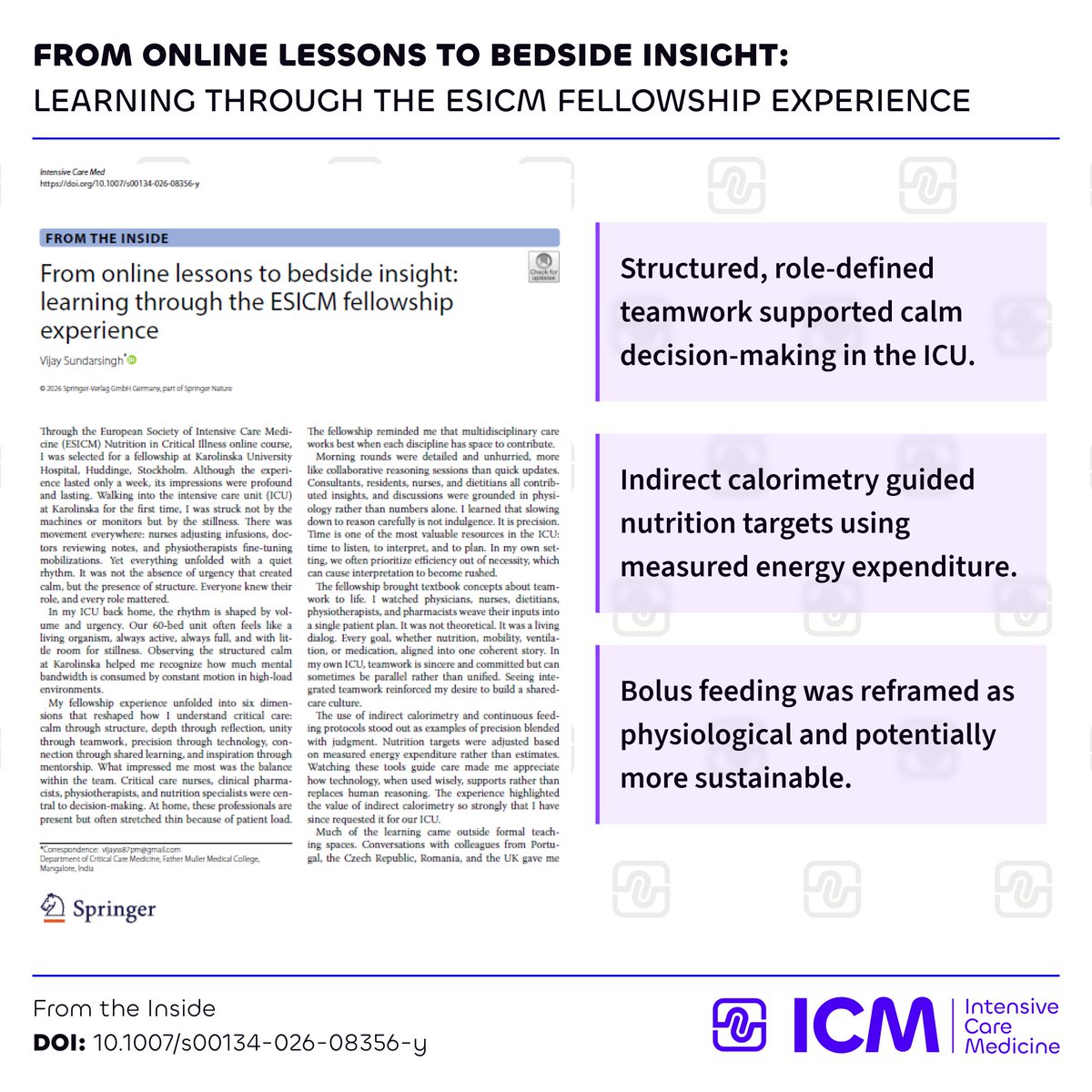
My fellowship reflections exploring this question are now published in Intensive Care Medicine. A brief but meaningful learning experience that changed how I see critical care systems.
https://t.co/owaOhj8GAk
#CriticalCare#ICU#MedicalEducation
Denoised audio of the Thanthi video. How much more clarification is needed?
Romba tired ah iruku explain panrathu.. Neutral ones are not even willing to see or share this with their circle to help others understand. Everyone just leaving it to the Govt to handle. More you leave it, the more those tharkuris will be beyond repair.
🧵 Part 2. Heterogeneity vs Colliders in Critical Care RCTs
1. The puzzle
Critical care RCTs keep failing.
The usual explanation?
“Patients are too heterogeneous.”
That’s partly true — but there’s a deeper problem.
Part 2 of a 3-thread series on why ICU trials fail and why physiology must guide us.
I have a confession... I love using 'We' in academic writing.
I used to think I was being lazy, but perhaps it is not only acceptable but preferred in many cases?
Here's why 👇
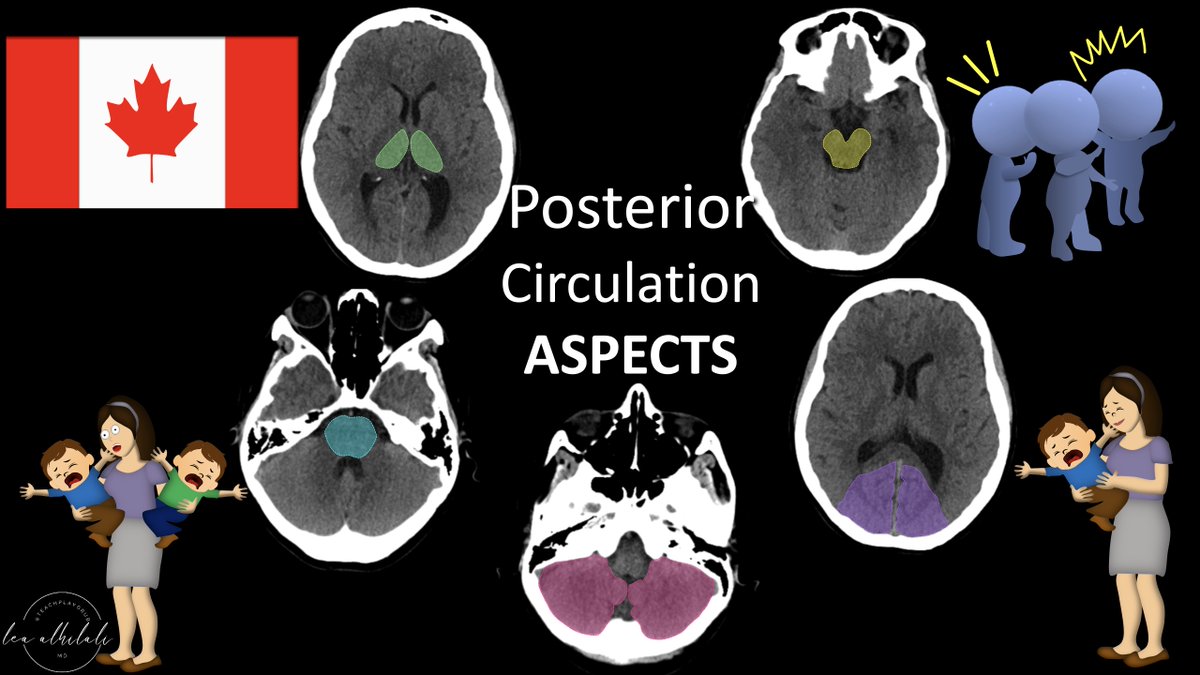
1/Do you know all the aspects of, well, ASPECTS?
Many know the anterior circulation stroke scoring system—but posterior circulation (pc) ASPECTS is often left behind
25% of infarcts are posterior circulation
Do you know pc-ASPECTS?!
Here’s how to remember pc-ASPECTS!