BREAKING: KTN has aired a major investigation alleging Kenyan IDs are being sold to people in Somalia for as little as KSh 15,000. We share some of the revelations.
Look at the images below.
The 2nd image shows Hassan Mohamed Nur's Somali identification documents. According to those records, he was born in Mogadishu on 14 December 1985.
The third image is a copy of a Kenyan ID featured in the KTN investigation. Key details have been blurred.
According to that Kenyan document, the holder was born in Tarbaj on 1 July 1985.
Same person. Different birthplace. Different date of birth.
If this were simply a case of lawful naturalization, why would the date of birth be different?
The investigation further alleges that the individual now holds a Kenyan passport.
And it doesn't end there; residents from Somalia and Ethiopia are being sold IDs. And it's scary. I am sharing more examples shortly. Follow me here- sholla ard
“If Somalis decided to pull their resources out of Kenya, it will collapse in a day”..This is part of a statement by @AlinurMohamed_
By all means, pull your resources out of Kenya, let it collapse!! We will rebuild from scratch.
Every time a conversation on how Eastleigh business are taxed arises, you see such statements. We won’t cave. Watu walipe tax!!
I think it's very dangerous to rely on AI for debugging and code exploration, but maybe not why you would think.
You lose skills that you don't hone, and getting to the bottom of things is the most critical programming skill. That you'll lose if you keep outsourcing it.
So now you become reliant on a subscription service to do the most critical part of the job, which makes you vulnerable if this service is taken from you.
This is why I'm very reluctant to make myself too dependent on LLMs.
You can find parallels with mass IDE adoption here. E.g. adopting all the IDE automation let us make our codebases much more complex and get lost in them without these IDEs. But the scale is so much different.
Am I crazy? Is this my cold war coded brain of "what if nuclear war tomorrow" or it makes sense?
NTV has released a disturbing report on toxic fish from Lake Nakuru, further confirming concerns we raised in April after conducting our own independent laboratory tests.
According to the report, fish samples were found to contain mercury, lead and cadmium. That should concern every Kenyan.
What many people may not know is that months ago, we collected fish samples from Lake Nakuru and Lake Naivasha and subjected them to laboratory analysis.
I Sholla personally organized for several samples to be shipped outside Kenya for specialized testing.
In total, we spent over KSh 250,000 on sampling and laboratory tests because we believed Kenyans deserved answers.
The results were alarming.
We detected DDT.
We detected Endosulfan.
Chemicals linked to cancer and other serious health risks.
Now add mercury, lead and cadmium to the picture, and the concerns become even greater.
We also received additional findings that were concerning enough to require further verification before publication.
When we shared our findings in April, some dismissed the warnings. Today, independent reports are beginning to validate the concerns we raised.
This is why independent testing matters.
This is why transparency matters.
And this is why consumer protection cannot be left to chance.
Much of the work we do never trends. You won't see it on TV etc. We spend our own time, effort and resources investigating issues that directly affect the health and safety of ordinary Kenyans.
Food safety is one of them.
We will continue testing, investigating and sharing findings so Kenyans can make informed decisions about what they consume.
Follow this account/ page.
My goal has never been fame.
The goal is simple: to help protect the health, families and future of ordinary Kenyans.
BREAKING:
All the leaks and exposés I Sholla Ard shared yesterday have now been independently confirmed.
About an hour ago, Wicknell Chivayo posted this, further confirming that we were right all along.
✔️ We exposed his trip to South Africa.
✔️ We revealed William Ruto's trip to South Africa.
✔️ Yesterday, we also revealed that the two were set to meet.
Now that the meeting has effectively been confirmed, the next question is: why did they meet? We already have intel.
In the one or two days, we will reveal the purpose of this meeting, what was discussed, and where Cyril Ramaphosa fits into the picture.
Follow me here. We are tracking something much bigger than many people realize.
Kenya's cabinet secretary for health is asking for USD 20 million (KSh2.6 billion) to prepare for the first 100 Ebola cases.
Which Ebola cases? From where?
Ebola Billionaires.
Avoid these money mistakes:
1. Never save your emergency fund in a SACCO BOSA account.
2. Never use your Money market fund for long term investing.
3. Never save money using your banks’ saving or fixed deposit account
4. Never use your Chama as your only savings or investment plan
5. Never borrow money to invest in stocks.
We will not allow these Ebola merchants to sell us fear and terror.
Never, again.
COVID19 taught us a lot.
Just use other means to loot our resources. But, using Ebola? No way.
💊About Éderson.
-a detailed report of the player’s strengths, weaknesses, and tendencies in and out of possession, how he can fit into the team tactically, and more.
🔗: https://t.co/3WOtcPw5A3
enjoy!
kindly retweet / share🤍.
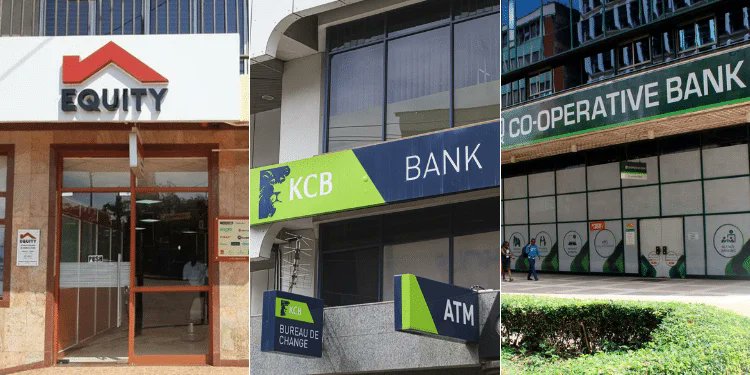
Kenyan banks have been exposed for squeezing customers while posting massive profits.
The CBK has cut the Central Bank Rate several times, and it now stands at 8.75%.
But here's the trick:
When you save money in a bank, the bank pays you interest.
The same bank then lends out that money and charges borrowers interest.
What many banks are doing is reducing the interest they pay savers very quickly, while reducing loan interest rates much more slowly.
The result?
Banks earn more from loans using your money, while paying you less for keeping your savings with them.
No wonder bank profits keep rising while the people continue struggling.
My question is this:
If banks are making money from your savings, shouldn't you also get a fair share of the returns?
Or are Kenyan banks simply exploiting customers because they know they can get away with it?