Check out @RoyNovoselsky and @OfraGolani new paper in @NatureComms: https://t.co/MzM6MnOD4h. We combine image processing and spatial transcriptomics to extract sub-cellular mRNA polarization in tissues. @WeizmannScience.
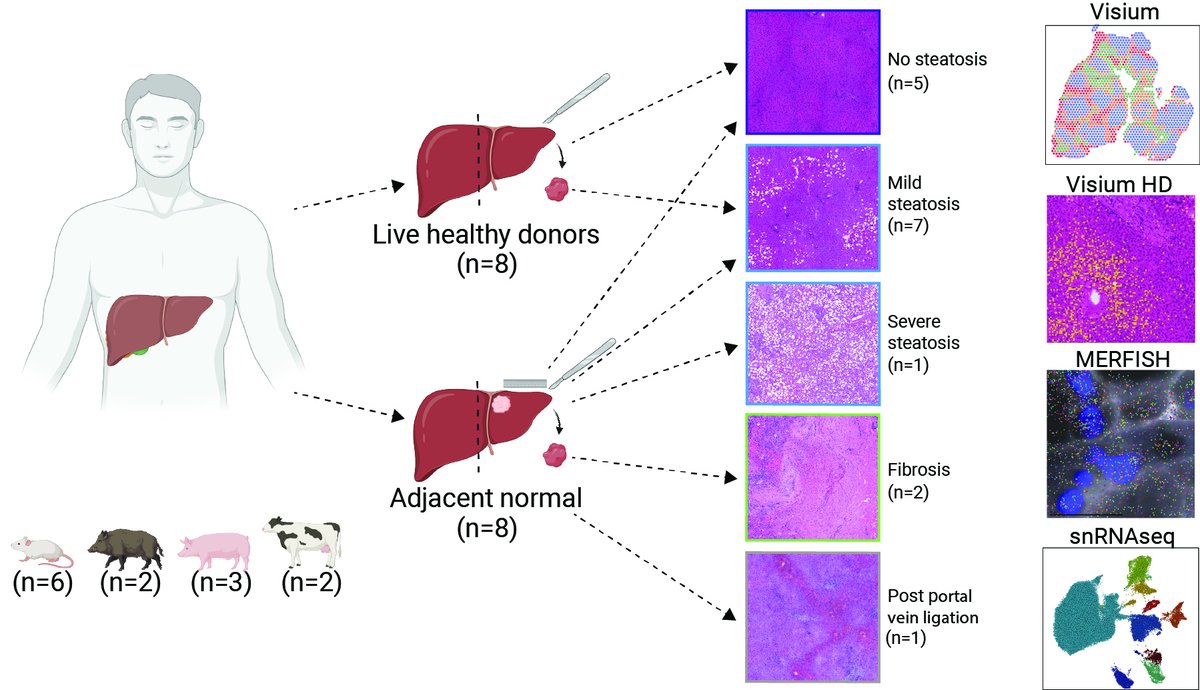
Our chair, @timucin_taner, and former trainee, @NPencovich, are co-authors on this landmark @Nature paper presenting the first genetic atlas of the healthy human liver. @MayoClinic
https://t.co/sdqiTUXE9o
This is a perfect example of how the impact of living donors extends far beyond saving a single life. In this case, they enabled creation of the first genetic atlas of healthy liver!
In collaboration with @SItzkovitz@NPencovich@ASTSChimera@AASLDtweets
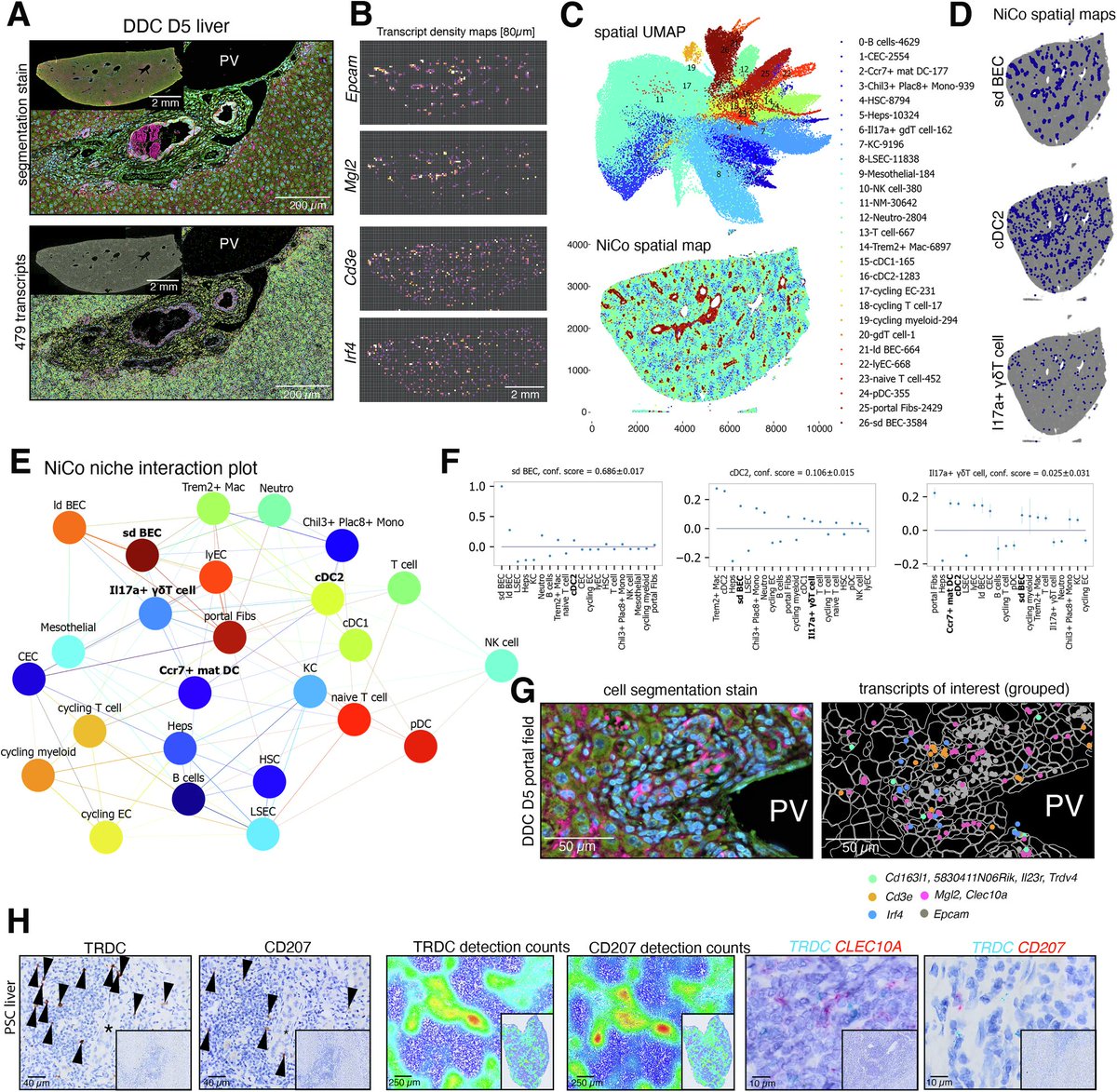
Our study on rare immune cell networks in liver cholangitis is now online! Using single-cell and spatial omics to investigate portal immune cell dynamics, we discovered a triad of cholangiocytes, dendritic cells and gdT cells regulating disease response.
https://t.co/z90ejuLw7t
A first-of-its-kind genetic atlas from Prof. @SItzkovitz's group reveals how human liver cells divide their labor - and why some regions are especially vulnerable to fatty liver disease >> https://t.co/MEUNXm1nLO @SHEBA_@MayoClinic@Nature
Our paper on zonation in the truly healthy human liver is out in @Nature: https://t.co/I4Mjpnl8Pe
Acquisition of healthy human tissues for cell atlas studies is challenging. The regenerative capacity of the human liver enabled analysis of tissues from living organ donors.
Happy to share our new paper: Transcriptomics of upper gastro-intestinal fluids can diagnose pancreatic ductal adenocarcinoma https://t.co/nddJC3VVl0.
The upper GI tract constantly sheds cells. We asked if PDAC-induced systemic changes alter shedding patterns.
We sequenced mRNA from nasogastric tube fluids of PDAC patients and controls and, surprisingly, found that PDAC samples showed distinct signatures, with enrichment of gastric pit cell programs, suggesting shifts in the composition of shed cells.
So excited to see this paper from @jess_ljx out in final form! One of the most beautiful papers from our lab: shows that a single cell can learn by forming memories to adapt to new challenges.