Australia’s tobacco policy is producing remarkable outcomes:
• Less legal smoking
• More illicit smoking
• More nicotine consumption overall
• Billions less in government revenue
• Billions more for organised crime
• Higher enforcement costs
An estimated $10 billion per year in lost tax revenue - roughly the annual ‘cost’ of negative gearing or the capital gains tax discount.
Investors 👎
Business owners 👎
Taxpayers 👎
Organised crime 👍
Part 3. A single liter of bottled water carries about 240,000 pieces of plastic. Nine out of ten are too small to see, and most of them flake off the bottle itself as it gets squeezed, heated, or left in a warm car. The cheapest fix here costs nothing: fill a glass or steel bottle from the tap, which tests far lower than anything sold in plastic.
Heat is what quietly does the most. When engineers microwaved plastic food containers for three minutes, the heat shook loose as many as 2 billion plastic particles from a single square centimeter of the container, straight into whatever was inside. So the rule is dull but worth following. Don’t microwave anything in plastic, and let hot leftovers cool down before they go into a plastic tub. Glass and steel don’t shed when they get hot.
Your tea might be the sneakiest one. Those silky pyramid bags, the ones that feel like soft mesh, are usually plastic, and steeping a single one in near-boiling water sheds about 11.6 billion plastic pieces, plus another 3 billion smaller ones, into that single cup. Paper bags and loose leaf in a metal strainer bring it down to almost nothing. If the bag feels like fabric and looks glossy, treat it as plastic.
It’s fair to ask whether small swaps like these add up to anything. The clearest answer comes from a study on the chemicals that leach out of plastic, the close cousins of the particles. Five families switched to fresh, unpackaged food kept in glass and steel for three days. The level of those chemicals in their urine fell by about two thirds, then shot back up the moment they returned to their usual food.
So none of this is hopeless. You decide how much plastic goes in from here, and almost every heavy source is something you pick up with your own hands: the water bottle, the microwave, the tea bag, the takeout tub still warm from the kitchen. Swap those four and you remove some of the heaviest plastic sources from your day, starting with your next meal.
No one should be surprised but what he left out is that this turbine costs an estimated $50-80 million to build and install. It only produces power 35-45% of the time because wind is intermittent. Its output degrades 12-16% over its 20-25 year lifespan. It requires hundreds of tons of steel, concrete, fiberglass, and rare earth minerals mined largely in China (his favorite country). The other 55-65% of the time you need backup power, which comes from natural gas. And it exists only because of massive government subsidies.
A natural gas plant of the same 26MW capacity costs $26-39 million, produces more than double the effective output, runs on demand 24 hours a day regardless of weather, and lasts 30-40 years. Half the price. Double the output. No weather dependency. No subsidies required.
But this was never about the environment. If it were, you would care that rare earth mining for wind turbines devastates landscapes across China and Africa, that thousands of birds and bats are killed annually by turbine blades, that the blades themselves are non-recyclable fiberglass rotting in landfills, and that natural gas produces half the emissions of coal with none of these problems. You ignore all of this because environmentalism was never your goal. It is your vehicle. The destination is what it has always been: government control of energy production, which means government control of the economy, which is socialism. Rand identified this decades ago. The green movement is not a scientific movement. It is a political one, and its target is not pollution. It is capitalism.
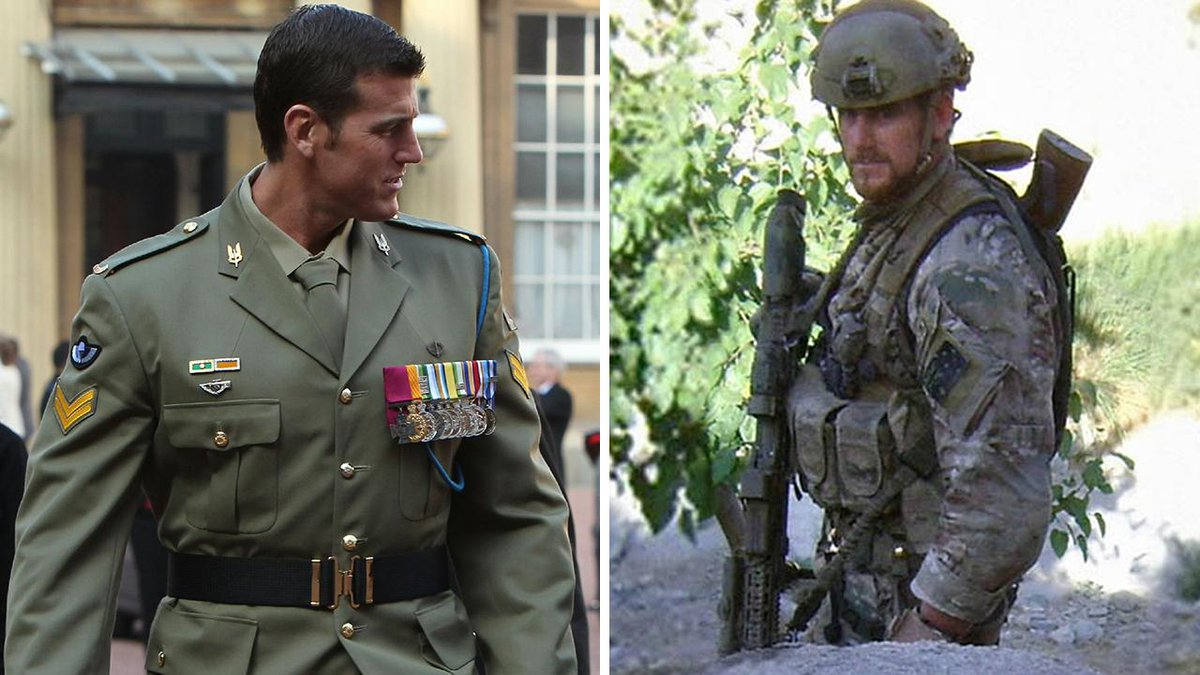
BREAKING: Court documents reveal that Australian government war crimes investigators do not even have the NAMES of two individuals Ben Roberts-Smith is alleged to have killed in Afghanistan almost 20 years ago.
Nobody has managed to identify these alleged victims - even after $300 million was spent on war crimes investigations over five years.
Australian Office of Special Investigations director Ross Barnett already revealed that investigators have:
- No crime scenes
- No access to the deceased
- No bodies
- No post-mortem report
- No official cause of death
- No recovery of projectiles to link to weapons that might have been carried by members of the ADF
- No photographs
- No site plans
- No measurements
- No recovery of projectiles
- No blood spatter
Now we know that after nearly $300 million and 5 years of investigation, they do not even have the NAMES of two alleged victims.
If there is no name, no identification, no body - how do we even know they were killed?
Does anybody actually think this is fair?
Does anybody actually think that a criminal conviction - proved to a criminal standard, beyond reasonable doubt - is remotely possible in these circumstances?
Daily Mail: ''Two of the five men Ben Roberts-Smith is accused of murdering while serving with the Special Air Service in Afghanistan have never been identified by war crimes investigators.
Court documents seen by the Daily Mail show one of the Victoria Cross recipient's alleged victims is described only as 'Person Under Control 1', or alternatively 'Enemy Killed in Action 3'.''
#LoyYang
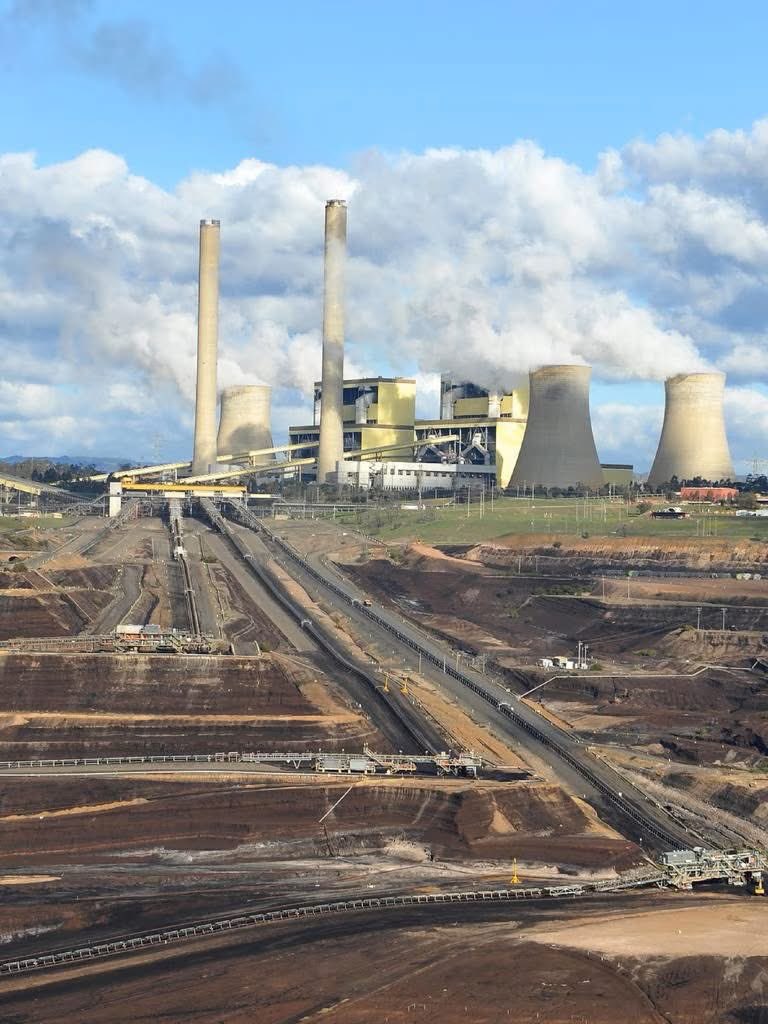
We’re not running out of energy. We’re deliberately shutting it down. Loy Yang A delivers 2,210MW 24/7 and powers ~30% of Victoria. It sits on hundreds of years of accessible coal and it was recently refurbished. Yet inexplicably we’re closing it early. So what are we replacing it with?
• ~15,000 hectares of solar
• ~130,000 hectares of wind
• 1,000+ turbines
• Massive transmission buildout
• Backup storage that still can’t guarantee supply
And that is all to replicate what 6,000 hectares already does and reliably. We’re still dismantling dispatchable power and it needs to stop. We need to keep reliable generation online while we build more of what actually works. This isn’t an appropriate engineering solution, it’s more climate ideology and it’s Aussie households that will continue pay the piper for it.
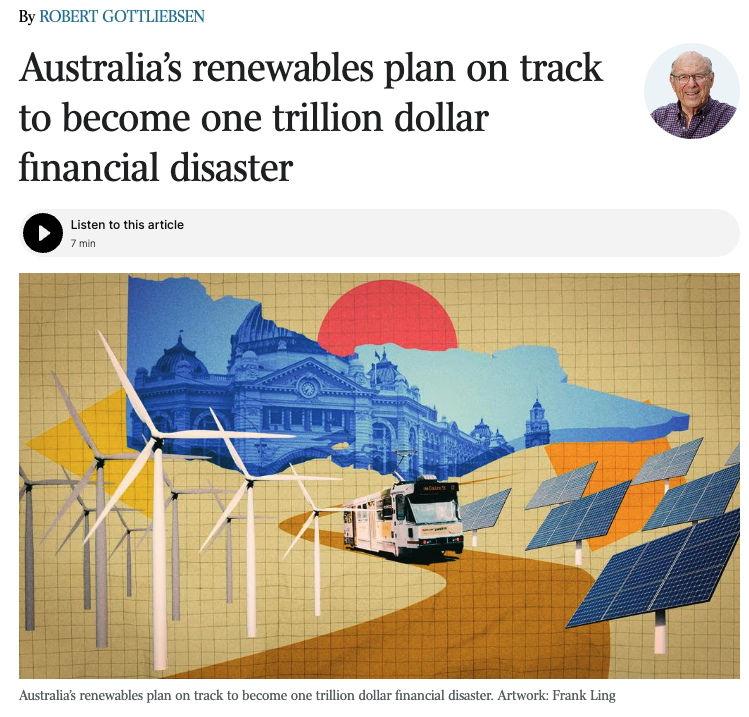
Very glad to have collaborated with Robert on this piece in the @australian.
I'll come back tomorrow with some more details on the numbers.
TLDR: Estimates of transmission costs have proven worse than useless. The few precedents we have suggest a disaster ahead.
Die Branche der Erneuerbaren ist erwachsen geworden und
muss jetzt Verantwortung übernehmen – systemisch und finanziell. Das schreibt Ministerin Reiche im Gastbeitrag in der @FAZ_NET. Wind und Sonne schicken keine Rechnung. Das Gesamtsystem aber wohl.
https://t.co/RBG3oyPMCO
The conflict around the Strait of Hormuz is not a temporary shock. It is the beginning of a fundamental shift in how energy flows around the world, and Europe is not positioned for it.
This is the Fourth Systemic Risk-driven global crisis (after GFC, Covid and Russia‘s war on Ukraine) and it will hit global economy like a tsunami due to physical scarcity and supply-shock induced multiplicative cascading effects.
This is not just about higher gas bills. It is about whether European farms can grow food next year. Whether European factories and industries can keep running. Whether European governments can hold together when people cannot heat their homes or afford bread.
Here is what must be done immediately:
1. Protect fertilizer production before the upcoming planting season
Natural gas is the raw material for fertilizers. No gas → no fertilizers → harvests collapse within two seasons. Europe came dangerously close to this in 2022. There is still no law preventing it from happening again.
Governments must guarantee that fertilizer plants get gas first before any other industrial use. This is the fastest path from an energy crisis to a food crisis, and it is entirely preventable.
2. Turn political promises into real contracts
Europe has signed countless “energy partnership” declarations with like-minded countries the US, Canada, and Australia. Declarations do not keep the lights on.
Binding, long-term supply agreements (real commercial contracts) need to be finalised within the year. Canada must get its act together and boost production ad hoc. Asian buyers are already moving faster.
3. Drill, produce, and refine more: at home
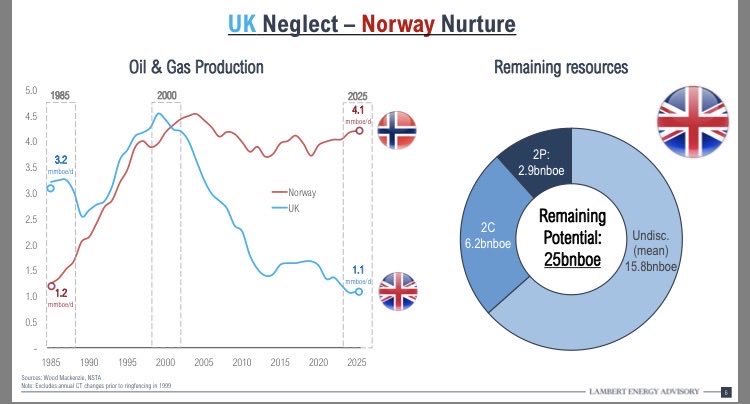
Europe is sitting on significant untapped energy. Romania’s Black Sea gas fields. Norway’s next generation of Arctic reserves. The UK’s North Sea. Western Balkan deposits that have barely been explored.
These are not long-term dreams. With fast-tracked permits, EU co-financing, and political will amid the worst crisis, first volumes can come online sooner rather than later. Every barrel and cubic metre produced at home is one less purchased from an unstable or hostile source.
The same logic applies to petrochemicals. Europe’s industrial base in Germany, the Netherlands, Belgium, Poland, etc. depends on gas and oil-derived inputs. Keeping that production alive and competitive is not an environmental debate. It is a national security question first and foremost.
4. Buy gas together, not separately
When 27 countries compete for the same molecules on spot markets, prices spike and smaller members lose out. Europe proved during Russia‘s war that collective purchasing works and it needs to apply the same logic to gas, permanently.
A standing EU joint gas purchasing mechanism (the platform still exists), next to negotiating long-term contracts as a bloc, would give Europe the market weight to secure better prices, longer terms, and more reliable supply than any single country can achieve alone.
5. Use Ukraine’s gas storage as a European buffer
Ukraine has the largest underground gas storage network in Europe. Much of it is accessible. And it is sitting underused as a European emergency reserve.
A simple protocol between Brussels and Kyiv could fix this within months. It needs political will, not new pipelines.
6. Stop treating the UK and Western Balkans as outsiders
Britain’s North Sea, the Balkans’ pipelines and mineral deposits: these are part of Europe’s energy future whether the politics are tidy or not. Brexit and slow EU accession processes cannot be allowed to create gaps in European energy security.
Europe has the resources, the allies, and the technology to get through this. What it keeps lacking is the willingness to act before the crisis arrives, not while it is already burning.
That window is still open. But not for long.
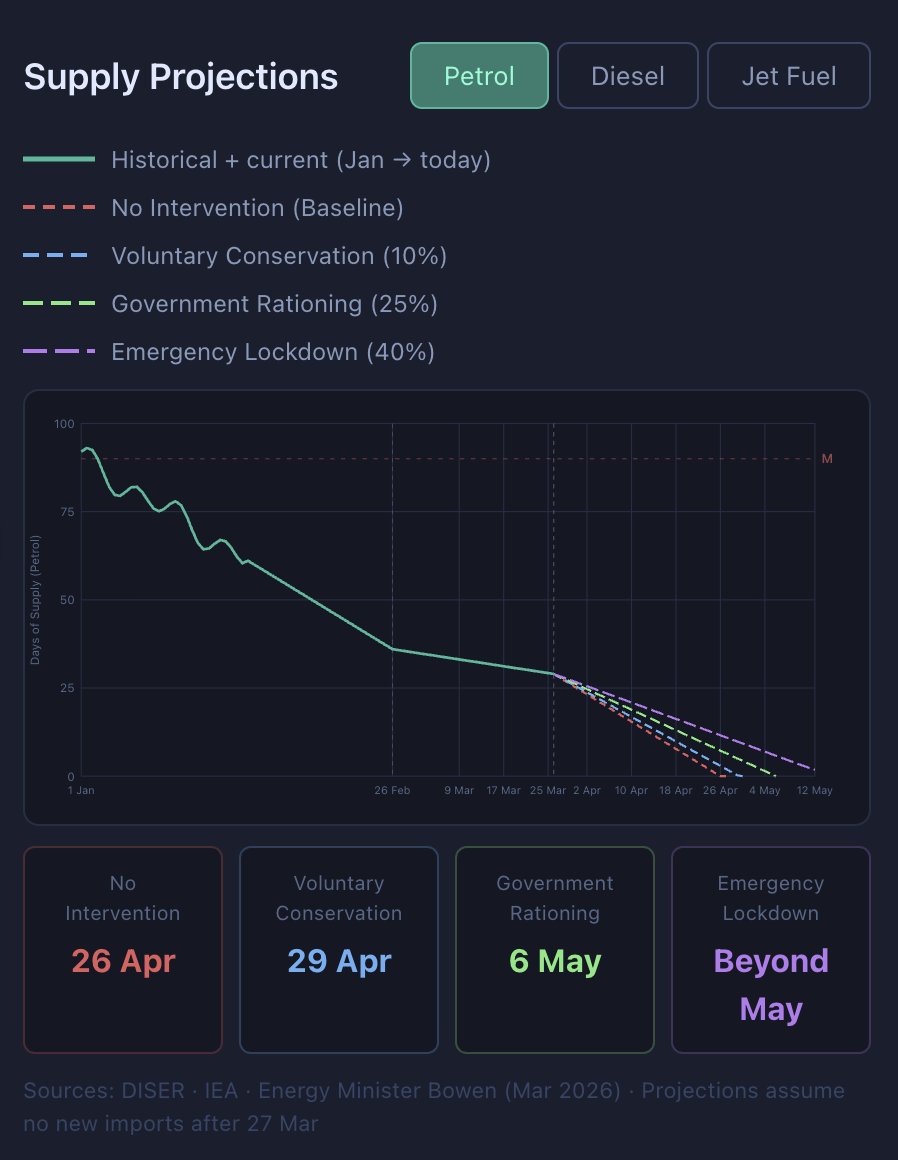
Australia is on track to run out of diesel, petrol and jet fuel in 30 days. If things don't change soon the Australian government will be forced to implement a national emergency lockdown within weeks.
In practice this would look like:
- Priority allocation to emergency services, defence, hospitals, police
- Bans on recreational driving and non-essential vehicle use
- Suspension of domestic flights except essential routes
- Mining and construction effectively halted
- Agricultural machinery grounded at a critical time of year for harvests
The Australian government will blame Trump.
The truth is that the Labor Party and the Liberal Party are the ones most at fault.
For the past ten years there have been voices in the Australian political wilderness warning that Australia was crazy for keeping just three weeks of fuel reserves while shutting down almost the entirety of our domestic refinery capacity.
This would never happen in China. I hate the CCP but I believe in studying and learning from your enemies. I believe in the Dengist maxim of ultimate pragmatism - ''it doesn't matter if a cat is black or white so long as it catches mice.'' So look at what our enemies do.
The Chinese have a ruthlessly pragmatic approach to energy security, treating energy as a sovereign capability rather than a market commodity. They keep reserves totalling 1.3 BILLION barrels - enough for up to 6 months depending on rationing.
They have strategic foresight. They don't give a fuck about environmentalist protests - they will never voluntarily deindustrialise to meet the whims of progressives. They produce 4 million barrels of oil a day. They build massive refineries across their country and keep them open. They also made EVs a national priority - not for stupid woke reasons, but so as to try limit their dependence on foreign imports.
Just contrast their approach to energy security to Australia's suicidal approach.
We used to have eight oil refineries. Four closed under the Liberals and two under Labor. The last two of these closures took place in 2021 under Scott Morrison's Liberal government.
25 years ago we were almost completely self sufficient in fuel. We consumed 850,000 barrels of oil a day in 2000 and produced 820,000 barrels domestically. 95% self sufficient. Net oil imports in 2000 were just 12,000 barrels per day, essentially a rounding error.
Now we consume 1,145,000 barrels of oil a day while producing just 200,000 barrels. We need to import about 900,000 barrels a day for our economy and society to function.
What happened? Our mature oil fields ran out while endless environmental approvals and protests from activist groups hampered new production. The far-left Extinction Rebellion campaigns against new shale development and oil and gas production in Australia now stand exposed as essentially campaigns of terrorism against the national interest.
But our political class gave these lunatics a crucial assist by strangling new development to meet their whims. A significant section of the Australian public demanded this, maybe about 30-40% of the left-leaning voting population - and they held the nation hostage.
So their willingness to indulge infantile leftist whims is a big part of it. But the most fundamental problem I think is that our political class - like most post-Cold War political elites across the Western world - were simply sleep walking through the end of history. They believed the ''international rules based order'' - ironically a phrase LITERALLY coined by Kevin Rudd while Prime Minister - would hold forever. This is because they failed to understand the real source of political power. As Chairman Mao said, power comes from the barrel of a gun.
Real life is not like a university debating society or an Aaron Sorkin West Wing TV script. You cannot simply win the day with the perfect argument, the perfect comeback. The only thing that our ideological enemies understand is force and sovereign capacity.
Western political elites fundamentally failed to construct a theory of mind for their opponents. They believed that the entire world shared the same liberal psychology of educated upper middle class Western elites. They failed to understand that some of our opponents have radically different world views.
The Iranian regime for example is run by men who truly believe that they will help bring on a religious apocalypse to hasten the return of the Hidden Imam the twelfth and final Imam in Twelver Shia Islam, believed to have entered a state of occultation (concealment) to protect his life from Abbasid persecution.
This is literally what these men believe. It may seem strange and quaint to upper middle class liberals in the West but other human beings from radically different societies and cultural backgrounds believe different things to them. And given the fact that these political enemies are religious extremists, we cannot convince them with clever arguments and appeals to international law. Do the Iranians care for international law when they hit random civilian shipping in the Strait of Hormuz? No, of course not. They don't care.
So blame Trump all you like. Khamenei deserved to die, the mullahs are apocalyptic madmen trying to murder suicide the world economy. The Iranian regime is clearly already willing to murder-suicide the entire world economy for its objectives. It is better that they do it now when they are weak and on their knees rather than later when they have nuclear weapons and ICBMs that can reach London and Paris. Take them down now when they are weak or get North Korea on the Strait of Hormuz. Trump I believe understands this, other Western political leaders in their fantasy sleepwalk fail to understand.
Build sovereign capacity, project strength. That is the only option.
Australia should always be a close brother nation ally to the United States. I will always believe in Western civilizational unity. But we must adopt a defensive Gaullist posture in terms of sovereign capacity and capability. Otherwise we are a useless ally anyway. What use is an ally with 20 days fuel reserves?
My solution's for Australia.
Politically we must restart domestic oil production, open up shale production, rebuild refineries, build 50 nuclear power plants like France's Messmer Plan. Build nuclear weapons.
Culturally we must wake up from our post-Cold War slumber and re-enter history as a sovereign actor.
Martin's ancestors have been watching for some time.
They would like it noted, for the record, that they are not happy.
7:00am - Martin has a low-fat yoghurt. The fat has been removed and replaced with modified maize starch, pectin, and acesulfame potassium. His great-great-grandmother, who churned butter for a living in a farmhouse in Tipperary, makes a noise that has no translation in modern English.
7:30am - Martin has a bowl of bran flakes with skimmed milk. His ancestor from the Bronze Age, who ate organs, bone marrow, and rendered fat from large ruminants, sits down heavily and puts his face in his hands.
9:00am - Martin's mid-morning snack is a rice cake. It has 28 calories. His Viking ancestor, who was built like a wardrobe and ate herring, mutton tallow, and fermented dairy, stares at the rice cake with an expression of profound anthropological grief.
12:00pm - Lunch is a chicken salad with fat-free dressing. Martin has removed the skin from the chicken. He has removed the only part of the chicken that contains any meaningful fat-soluble nutrition. His grandmother, who grew up eating dripping on toast and died at 91 with no metabolic disease, watches in silence.
3:00pm - Martin has a 97-calorie cereal bar. His Palaeolithic ancestor does not know what a cereal bar is. He does not need to. He can see what it is doing to Martin's waistline compared to what it is doing to his mood. He files this information.
6:00pm - Dinner: lean mince (5% fat), brown pasta, and a tomato sauce from a jar. Martin has tracked all of this in My Fitness Pal. He is 14 calories under his goal. He is also, by any sensible hormonal reading, still hungry.
8:00pm - Martin has a low-fat ice cream. His ancestors, collectively, watch him eat a product that is technically both a food and an industrial experiment, and they decide, as a group, to stop watching for the evening.
9:30pm - Martin cannot sleep. He is thinking about food. He has been thinking about food since approximately 11am.
His ancestors are not thinking about food. They are thinking about other things.
Martin's ancestors were, on the whole, significantly leaner.
This is the part Martin finds hardest to explain.
General DeGaulle on Winston Churchill after his electoral defeat in 1945: "His nature, identified with a magnificent enterprise, his countenance etched by the fires and frosts of great events, were no longer adequate to the era of mediocrity."
Unreal numbers 👀⚡️
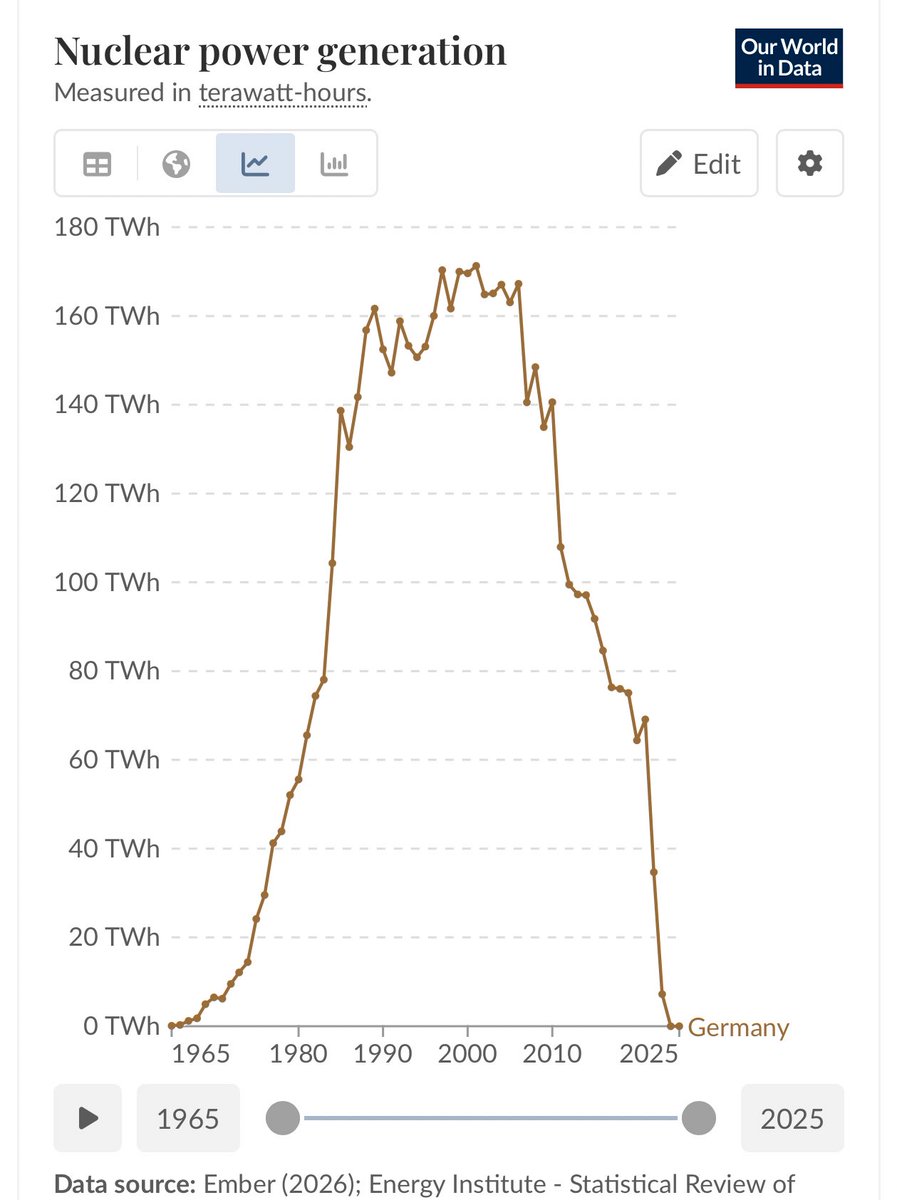
"JPMorgan estimates that, had Germany not phased out nuclear power, the country would have generated 50% less electricity from fossil fuels and 84% less electricity from natural gas in 2024. Electricity prices in Germany would have been around 25% lower, and the country would have imported half as much electricity.."
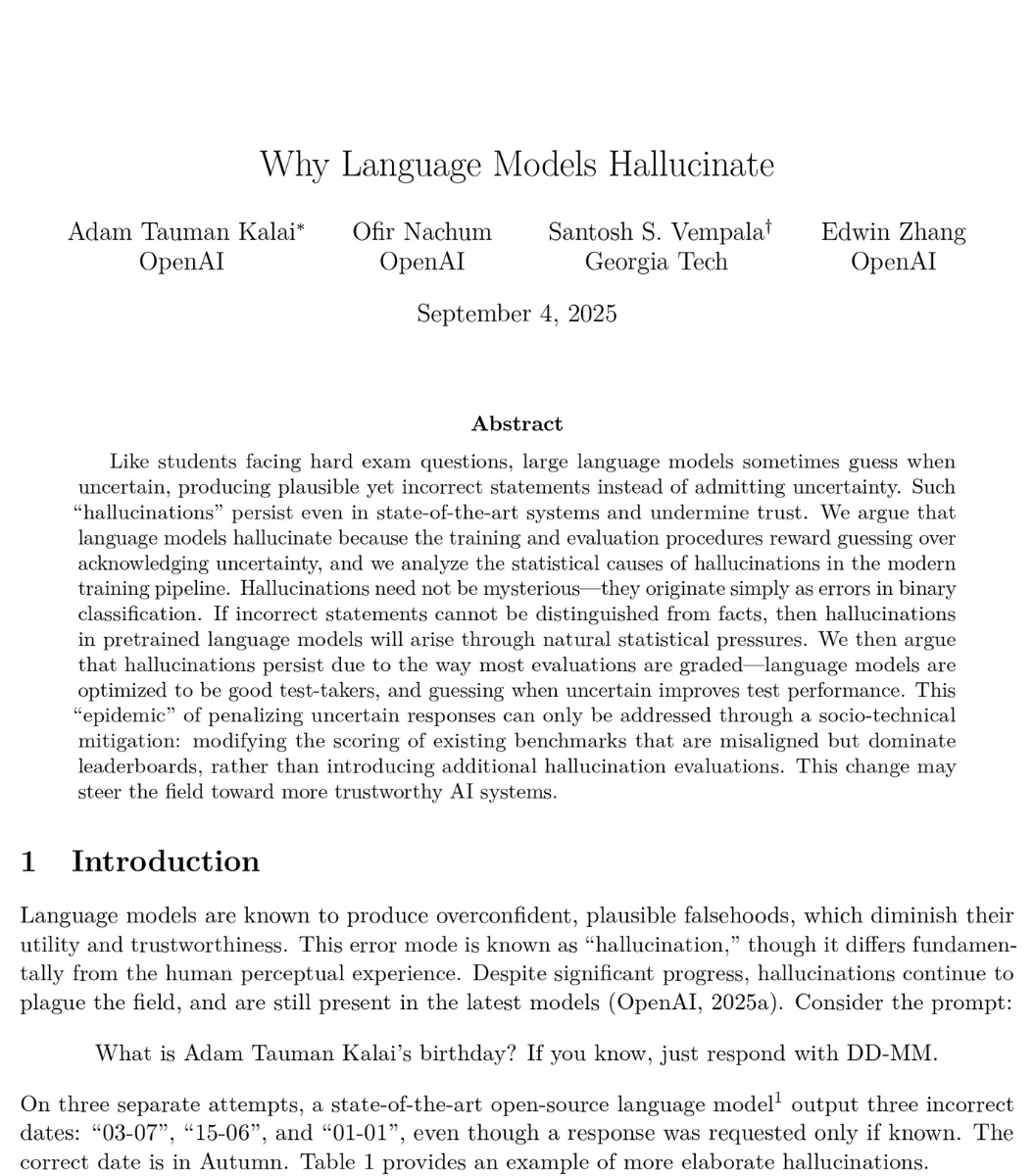
🚨BREAKING: OpenAI published a paper proving that ChatGPT will always make things up.
Not sometimes. Not until the next update. Always. They proved it with math.
Even with perfect training data and unlimited computing power, AI models will still confidently tell you things that are completely false. This isn't a bug they're working on. It's baked into how these systems work at a fundamental level.
And their own numbers are brutal. OpenAI's o1 reasoning model hallucinates 16% of the time. Their newer o3 model? 33%. Their newest o4-mini? 48%. Nearly half of what their most recent model tells you could be fabricated. The "smarter" models are actually getting worse at telling the truth.
Here's why it can't be fixed. Language models work by predicting the next word based on probability. When they hit something uncertain, they don't pause. They don't flag it. They guess. And they guess with complete confidence, because that's exactly what they were trained to do.
The researchers looked at the 10 biggest AI benchmarks used to measure how good these models are. 9 out of 10 give the same score for saying "I don't know" as for giving a completely wrong answer: zero points. The entire testing system literally punishes honesty and rewards guessing.
So the AI learned the optimal strategy: always guess. Never admit uncertainty. Sound confident even when you're making it up.
OpenAI's proposed fix? Have ChatGPT say "I don't know" when it's unsure. Their own math shows this would mean roughly 30% of your questions get no answer. Imagine asking ChatGPT something three times out of ten and getting "I'm not confident enough to respond." Users would leave overnight. So the fix exists, but it would kill the product.
This isn't just OpenAI's problem. DeepMind and Tsinghua University independently reached the same conclusion. Three of the world's top AI labs, working separately, all agree: this is permanent.
Every time ChatGPT gives you an answer, ask yourself: is this real, or is it just a confident guess?
🚨BREAKING: MIT hooked people up to brain scanners while they used ChatGPT.
What they found should concern every single person reading this.
ChatGPT users showed 55% weaker brain connectivity than people who didn't use it. Not after years. After just four months.
Here's how they tested it. 54 people were split into three groups: one used ChatGPT to write essays, one used Google, and one used nothing but their own brain. They wore EEG monitors that tracked their brain activity in real time across four sessions over four months.
The brain-only group built the strongest, most widespread neural networks. Google users were in the middle. ChatGPT users had the weakest brains in the room. Every time.
Then the memory test hit. Participants were asked to recall what they'd just written minutes earlier. 83% of ChatGPT users couldn't quote a single line from their own essay. They wrote it. They couldn't remember it. The words passed through them like they were never there.
It gets worse. In the final session, ChatGPT users were told to write without AI. Their brains were measurably weaker than people who never used AI at all. 78% still couldn't recall their own writing. The damage didn't go away when the tool was removed.
Meanwhile, brain-only users who tried ChatGPT for the first time? Their brains lit up. They wrote better prompts. They retained more. Their brains were already strong enough to use AI as a tool instead of a crutch.
The researchers also found that every ChatGPT essay on the same topic looked almost identical. More facts, more dates, more names. But less original thinking. Everyone using ChatGPT produced the same generic output while believing it was their own.
MIT gave this a name: cognitive debt. Like financial debt, you borrow convenience now and pay with your thinking ability later. Except there's no way to pay it back.
The question isn't whether ChatGPT is useful. It's whether the price is your ability to think without it.