6 Psychology books to understand Human Mind and Behavior:
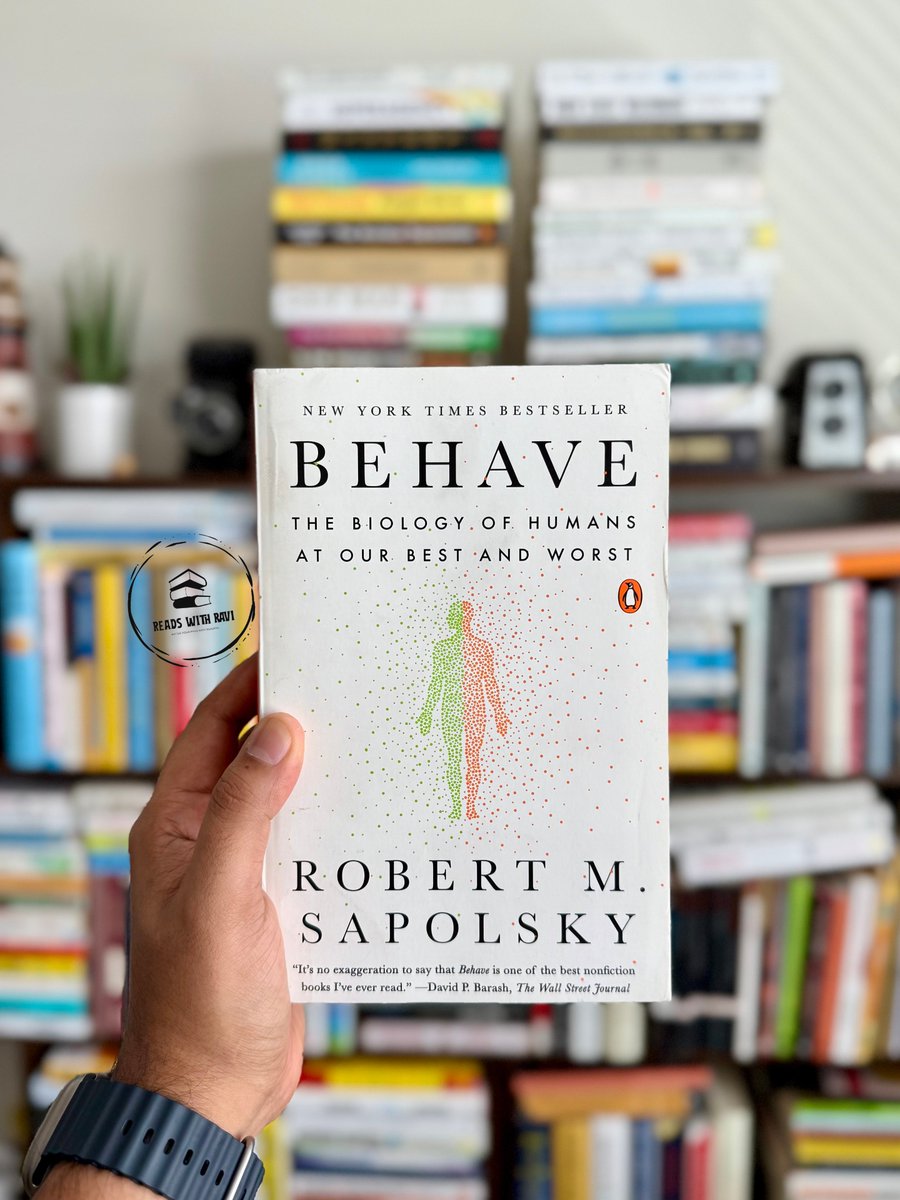
1) Behave by Robert M. Sapolsky
A comprehensive look at human behavior through biology, examining what drives our actions from milliseconds before a decision (brain chemistry) to millennia ago (evolutionary pressures).
My Opinon piece in @OncNewsCentral about use of various apps that oncologist can use in clinical practice to help their patients better. Do check it out. Thanks @emilybader for this 🙂👍. @brunolarvol @medicalwatchBC @Larvol#MedTwitter
https://t.co/u7ta6B46Dw
For all of you who're worried, this is as reliable a source as you can get. Stick to the same precautions that you should do when any of us have a common cold: wear a mask, wash hands, and avoid contact with others to the extent possible.
Much needed statement issued by @TataMemorial . This should clear any misconception that cancer patients or caregivers may have after recent viral video about use of diet and other methods to achieve so called " CURE " for the advanced cancer . Let's avoid such misconceptions if we really want to fight this disease @cspramesh@Prasshmehta@SirohiBhawna@drshonanag
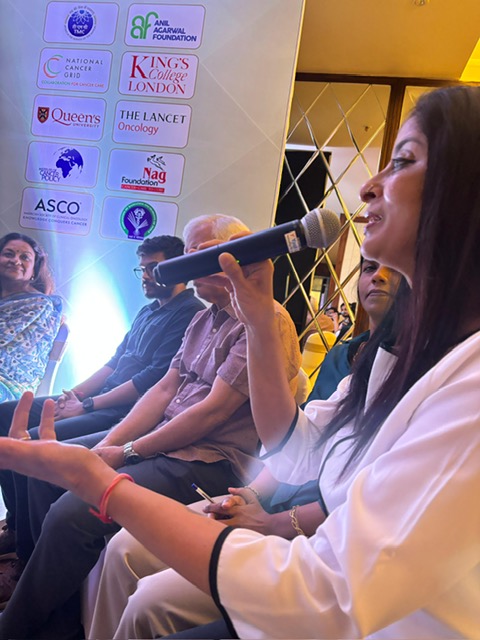
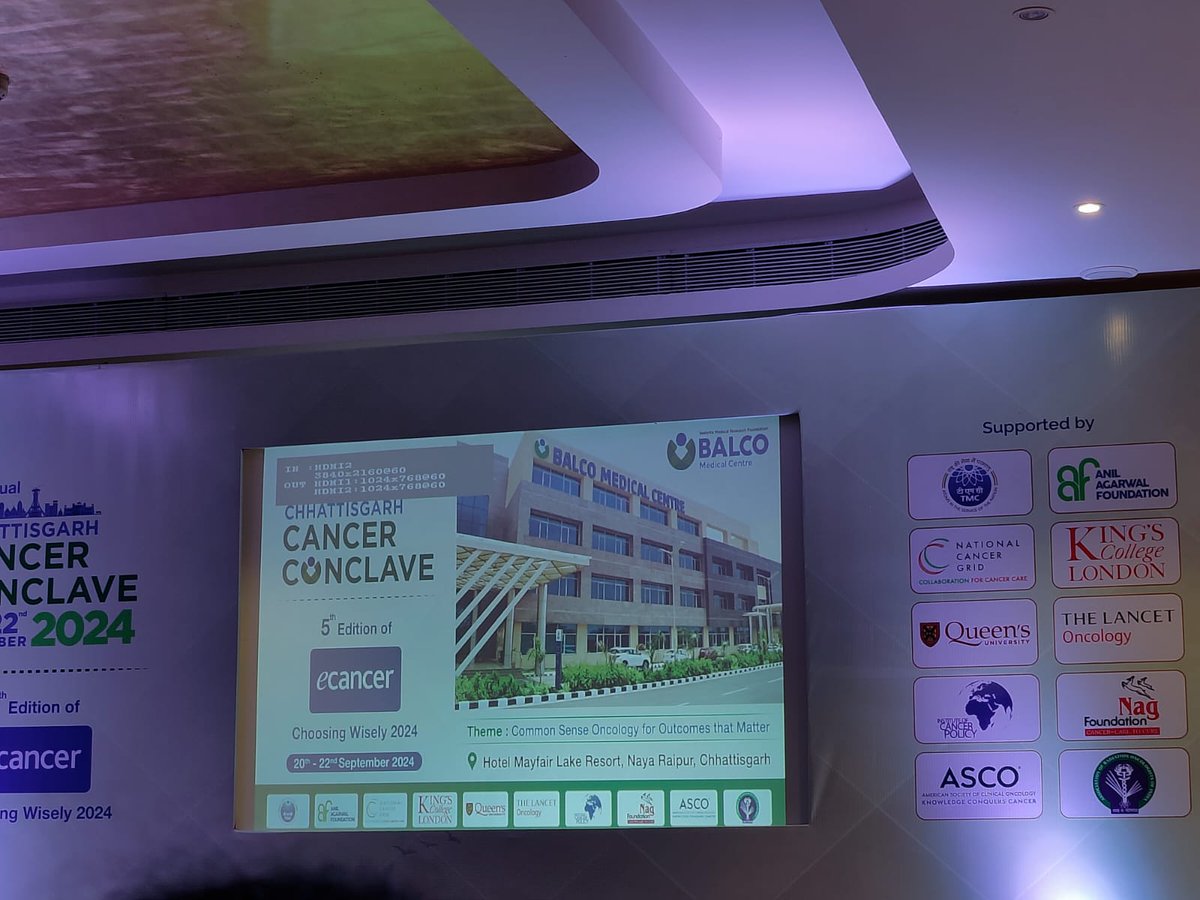
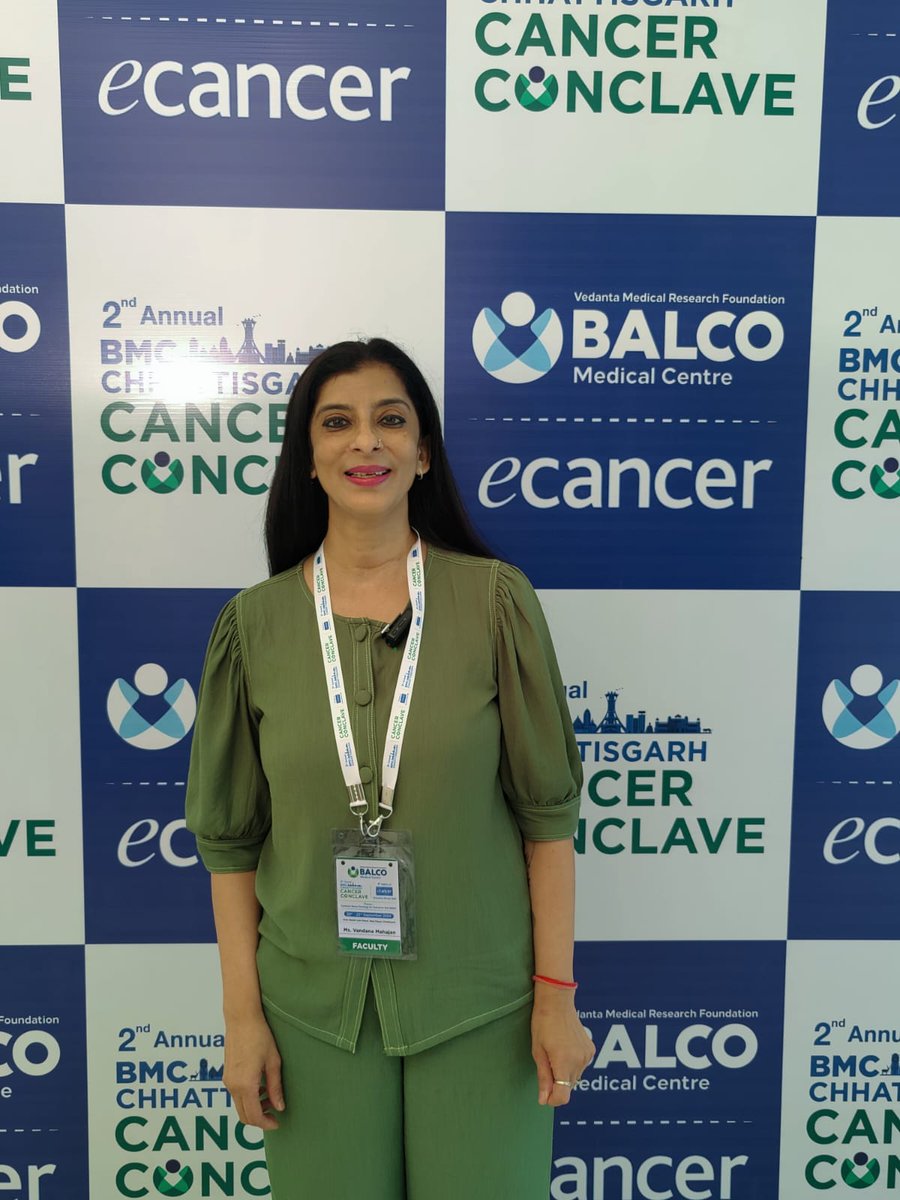
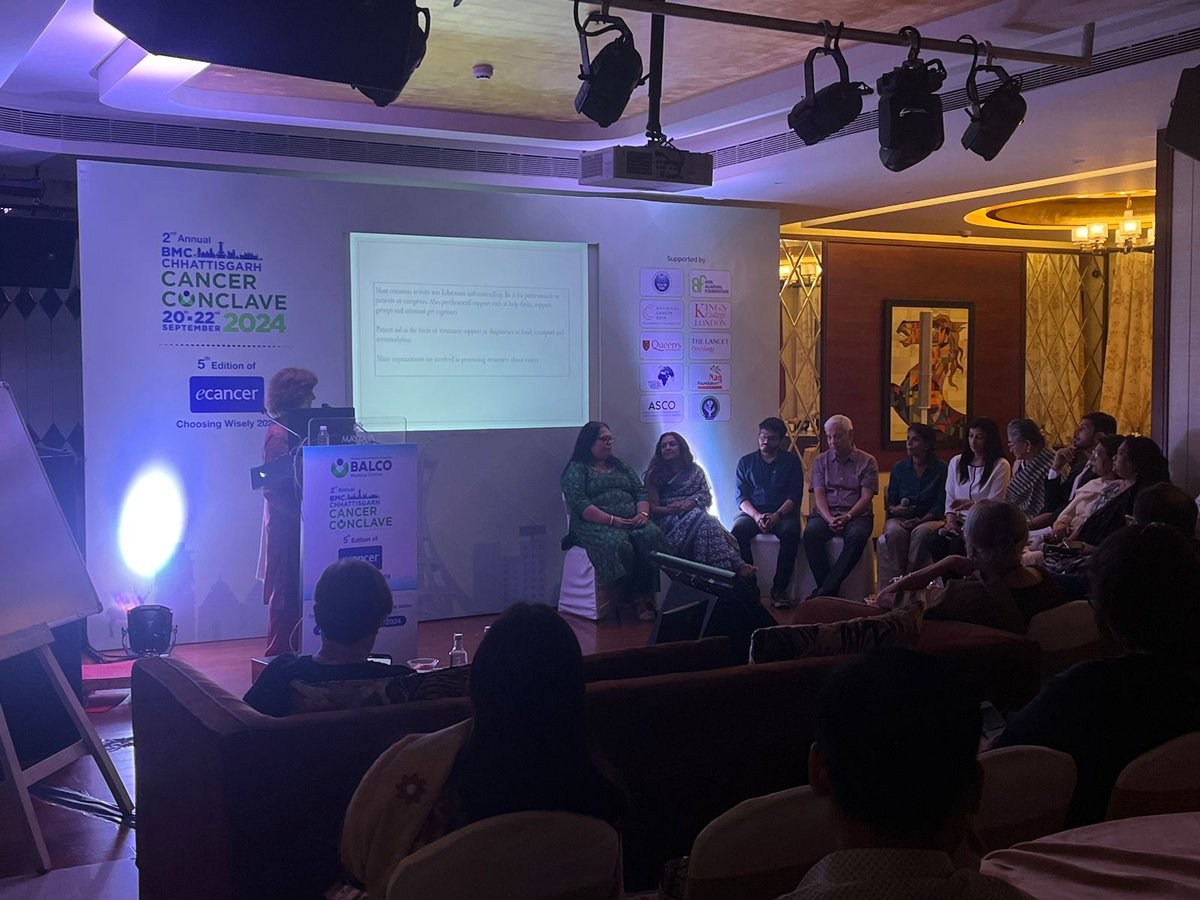
Lung Connect was a part of the NGO brainstorming and patient advocacy panel discussion at the Chattisgarh Cancer Conclave held jointly with the '5th edition of @ecancer conference - choosing wisely' at Naya Raipur . The theme was " common sense oncology - outcomes that matter '. The cancer conclave was conducted and organised by the @BalcoMedical !
The agenda of the panel discussion was -
1. Collaboration
2. Raising the voice of the patient
3. Supporting clinical trials
4. Choosing wisely and keeping the patient as the focus!
5. Ways to strengthen patient advocacy.
It was a great learning experience that will help us strengthen the cause of Lung cancer in India.
#patientadvocacy #patientcare #lungconnect #lungcancer
@ASCO@CancerGridIndia@VanitaNoronha@SirohiBhawna@oceanblue11oct@vijivenkatesh
In the Indian context, if you have metabolic-disorder-associated fatty liver disease (previously NAFLD) remember to limit saturated fat sources in your diet.
This means limiting foods containing:
Ghee, clarified butter (North India)
Coconut oil (South India)
Palm oil (processed/ ultraprocessed foods)
Contrary to traditional belief, ghee is not a superfood. It is a superdanger. It is almost all fat and more than 60% is saturated (unhealthy) fat.
Replace with healthier (vegetable)seed-oils that have low saturated fat and trans-fat content. Use a diverse range of seed oils in daily cooking. Saturated fats increase liver triglycerides and hence liver fat and inflammation.
Bake, boil, broil, grill or steam foods more often than frying them in daily cooking. Always increase portions of plant-based protein in daily meals and add daily fresh cut fruit portions (instead of fruit juicing)
This is far more important that limiting meat (include lean meat more than red meat), fish and eggs - all of which can be consumed in their recommended daily/weekly intake.
Even if you don’t have any symptoms, you may have colon cancer. If you’re over 45 or have a family history of colon cancer, you need to #getscreened for #CRC https://t.co/YZ5MTmvc4H via @TheNCI
@shaunak_3@ddmanek So true... These little angels will get their sleep as and when they can, and you càn keep wondering when can you get sleep! And the moment you close your eyes, they'll come and want you to play!!! 😂😂
Long-term outcomes of neo-adjuvant chemotherapy on borderline resectab... https://t.co/anjvGkVZ0G. 10 year results with Bordeline oral cavity cancer @DrEzraCohen@VanitaNoronha@Nandinimenon18