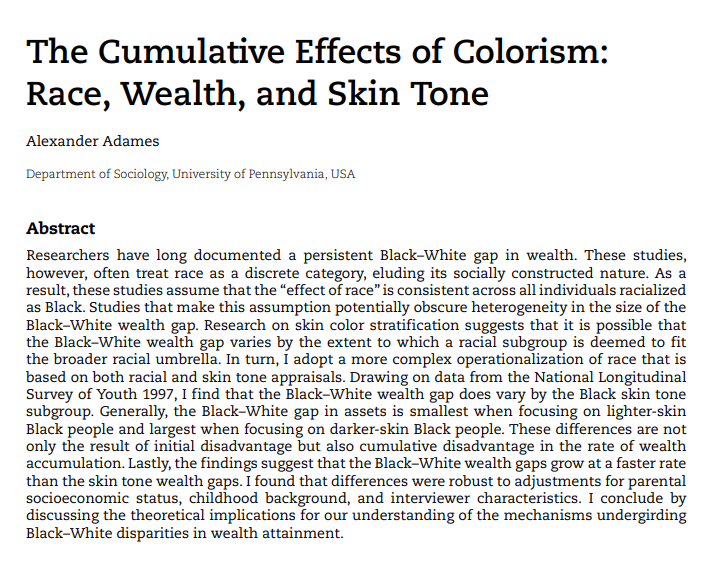
In my 1st study, I examine how the racial wealth gap varies by skin tone, a factor that shapes the extent to which people are perceived to fit a racial category. I not only find evidence of skin tone gaps but I also show that these gaps grow over time:
https://t.co/4Tsu0saE4Q
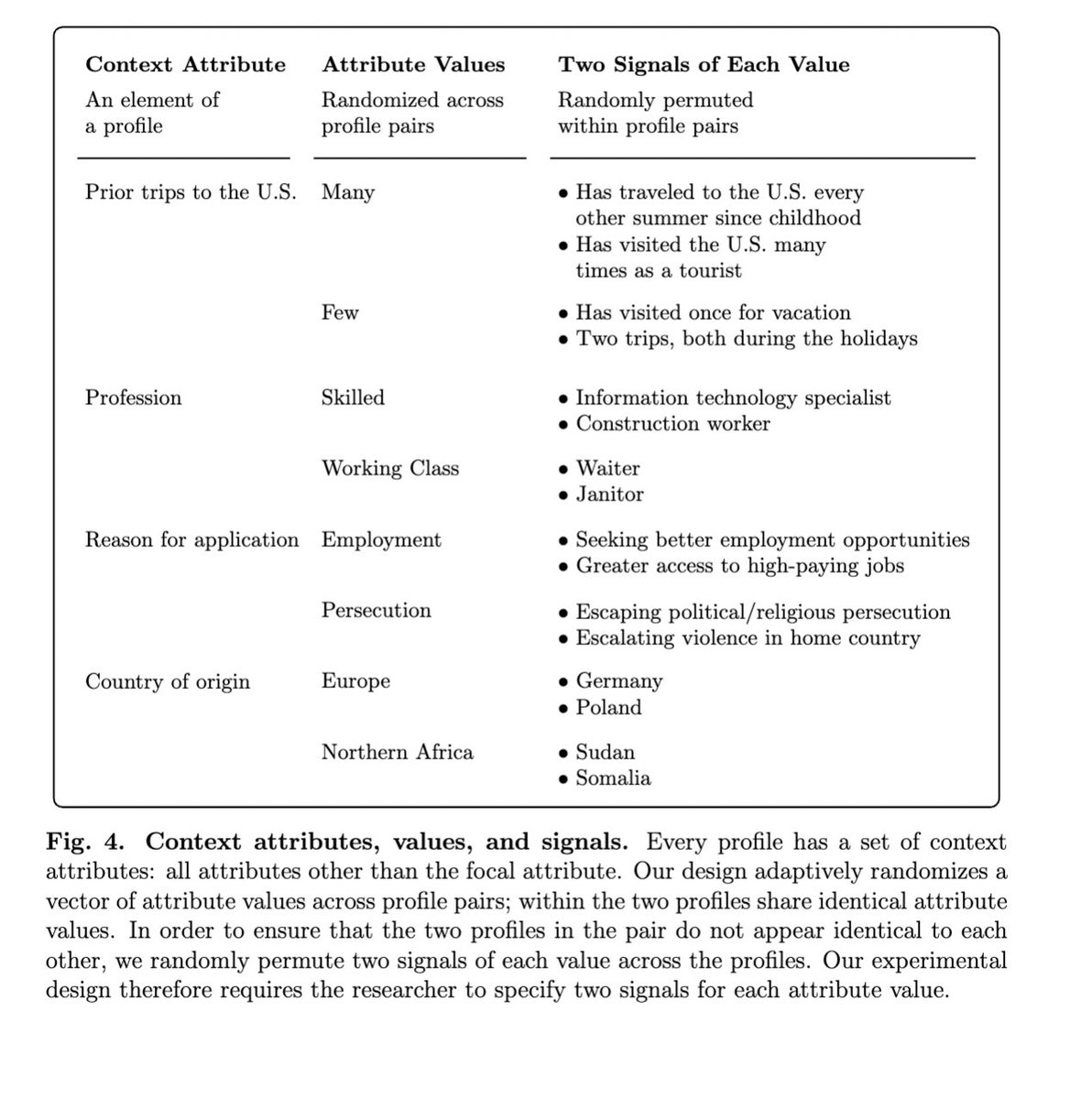
If you run conjoint experiments, you need to read this.
Most conjoints estimate average effects for each attribute.
But what if the effect of one attribute depends on the others?
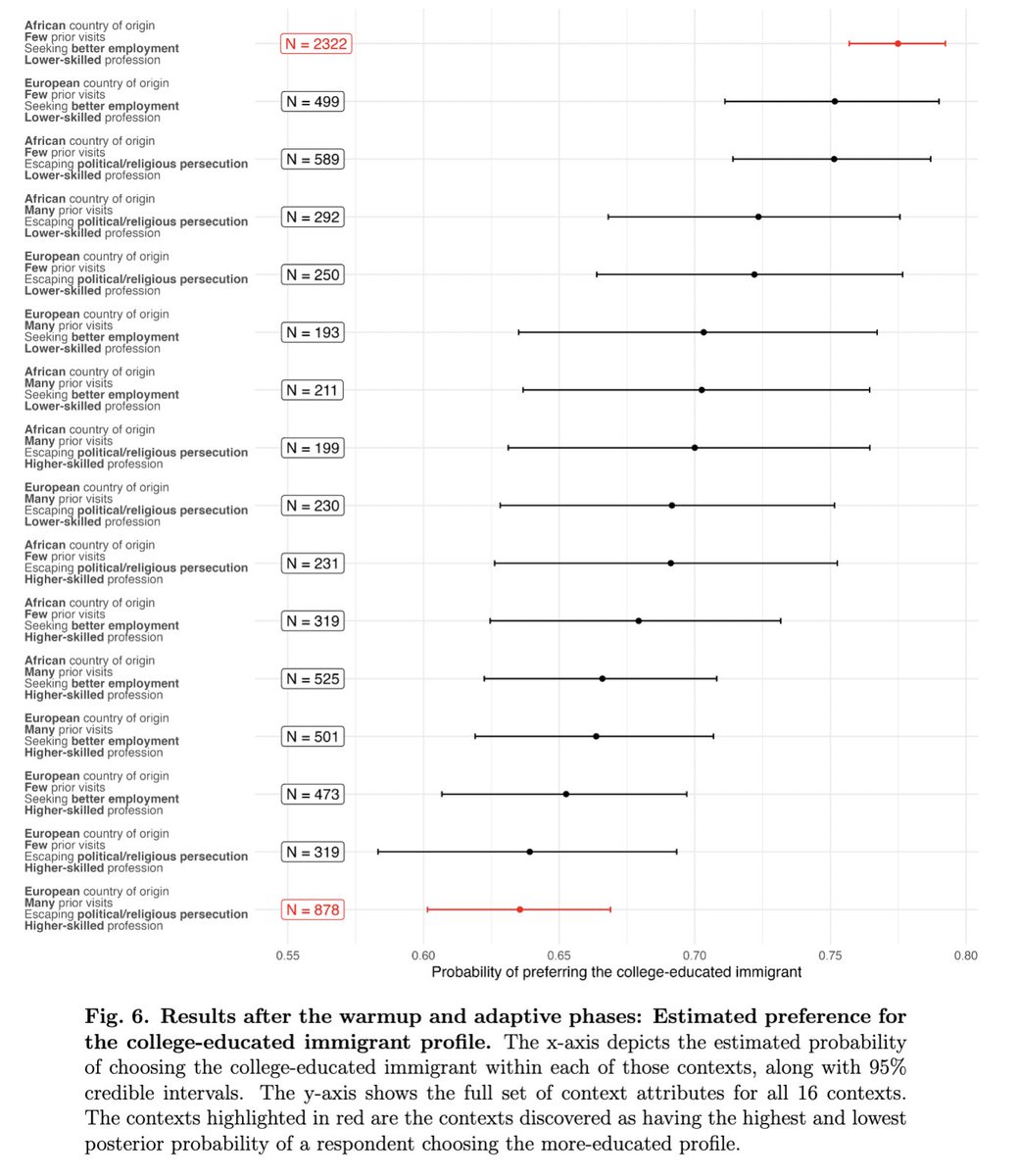
This new paper introduces a data-adaptive conjoint design that hunts for heterogeneity:
Where does a focal attribute matter most (or least)—depending on context?
The authors show that U.S. adults weigh immigrants’ education very differently depending on background—sometimes it matters a lot, sometimes not at all.
I’ve only run a few conjoints, but I’ve always wondered:
Why don’t more designs try to surface this kind of interaction?
Very cool. Very important.
🚨New paper (link in reply)🚨
Are we underestimating AI use in self-report surveys?
YES, by as much as 30 percentage pts.
We find 60% self-reported vs. truth closer to ~90% (!)
Why? Social desirability bias, people embarrassed/worried to admit AI use, so they underreport.
NEW PUB ALERT!!! 🚨 My paper shows how East Asian women in relationships w White, Black, and South Asian men construct racialized masculinities in romantic contexts. I reveal how these processes can both challenge and reinforce gender and racial hierarchies @SREJournal#Sociology
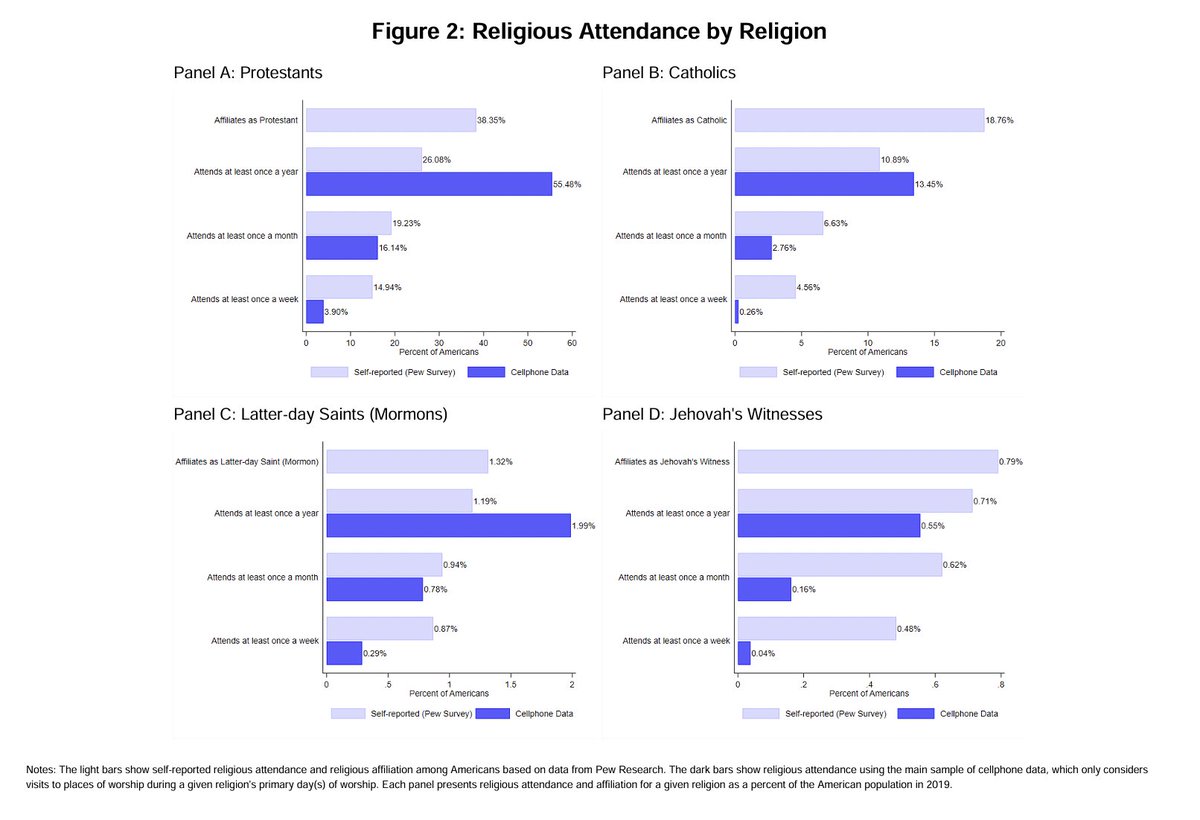
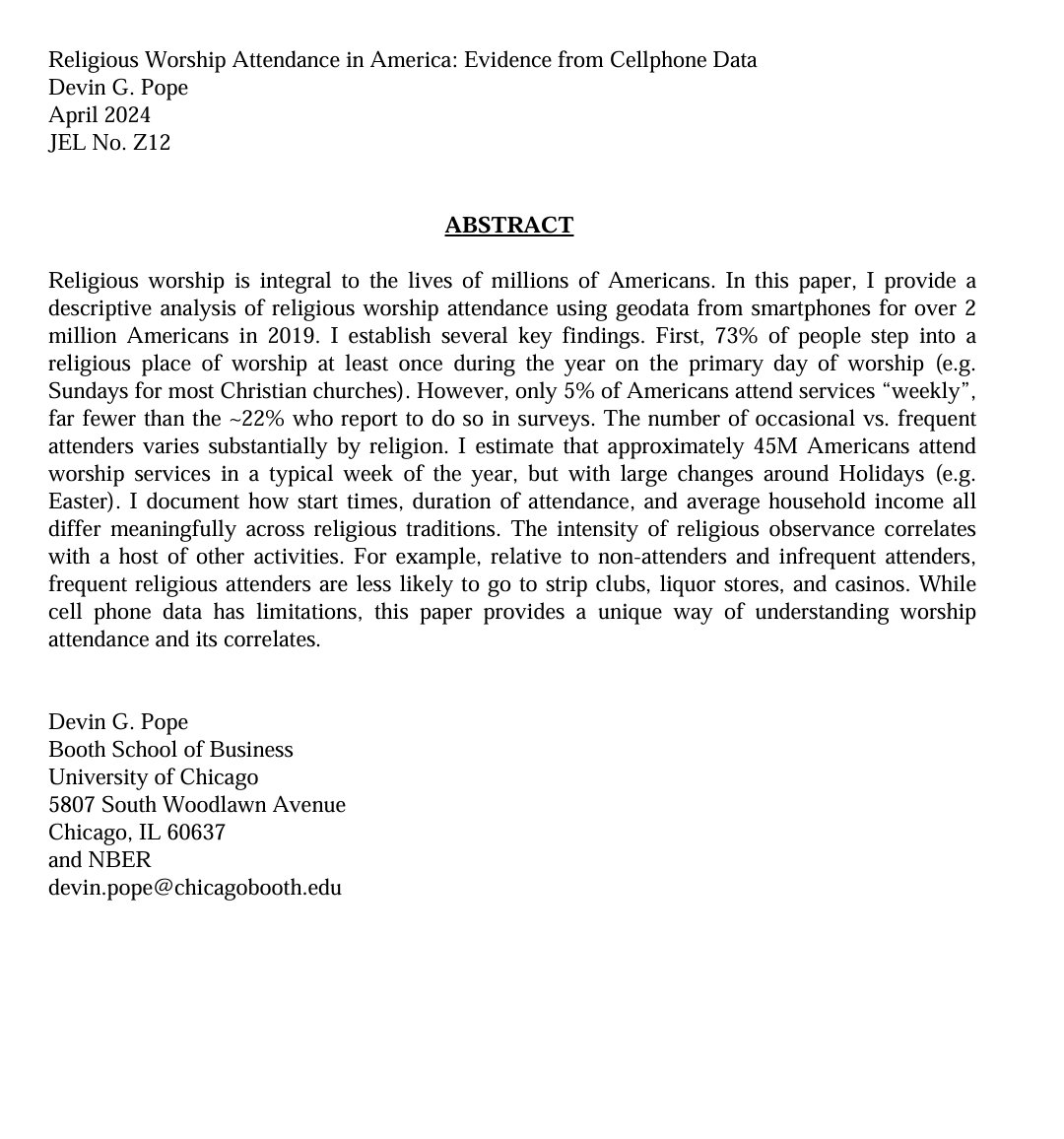
How many people go to church weekly?
Surveys say it's about 1 in 5 Americans.
Cell phone tracker data say it's actually closer to 1 in 20 Americans.
Fascinating!
Excellent new paper on depth of learning from LLMs. Studies using large samples show LLMs like ChatGPT leads to shallower learning compared to using more traditional means like web search. When people rely on AI-synthesized answers, they develop less knowledge depth.🧵
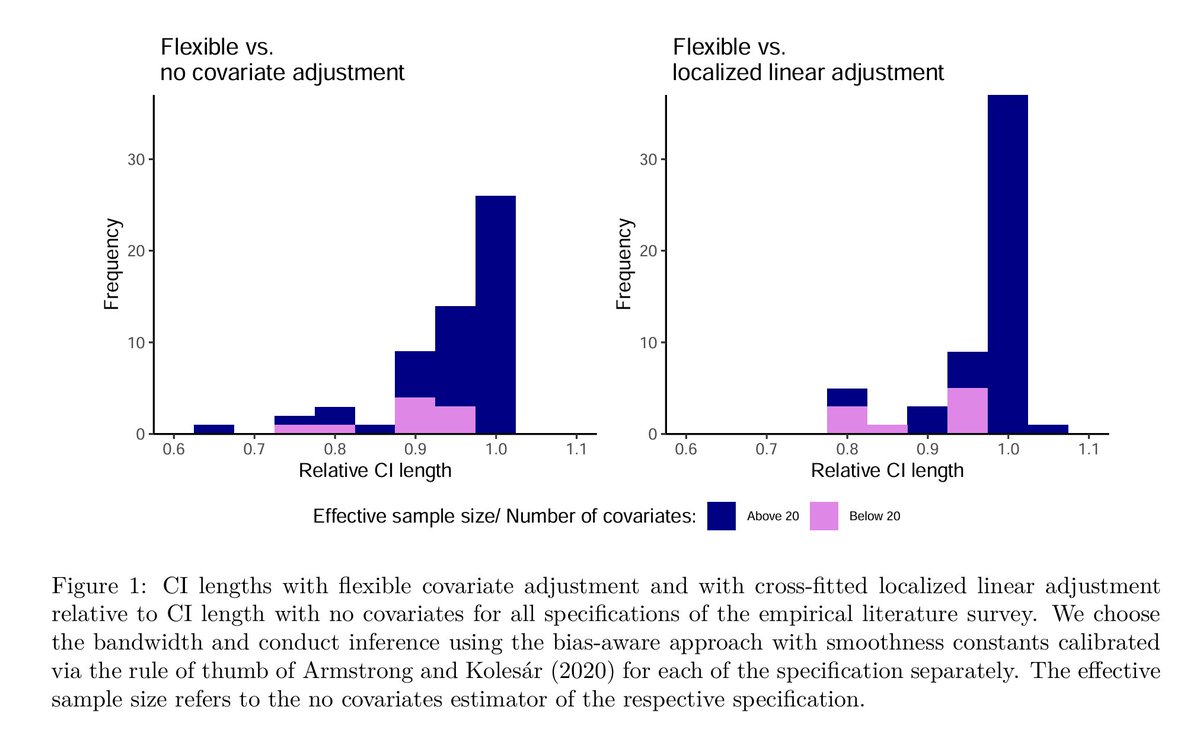
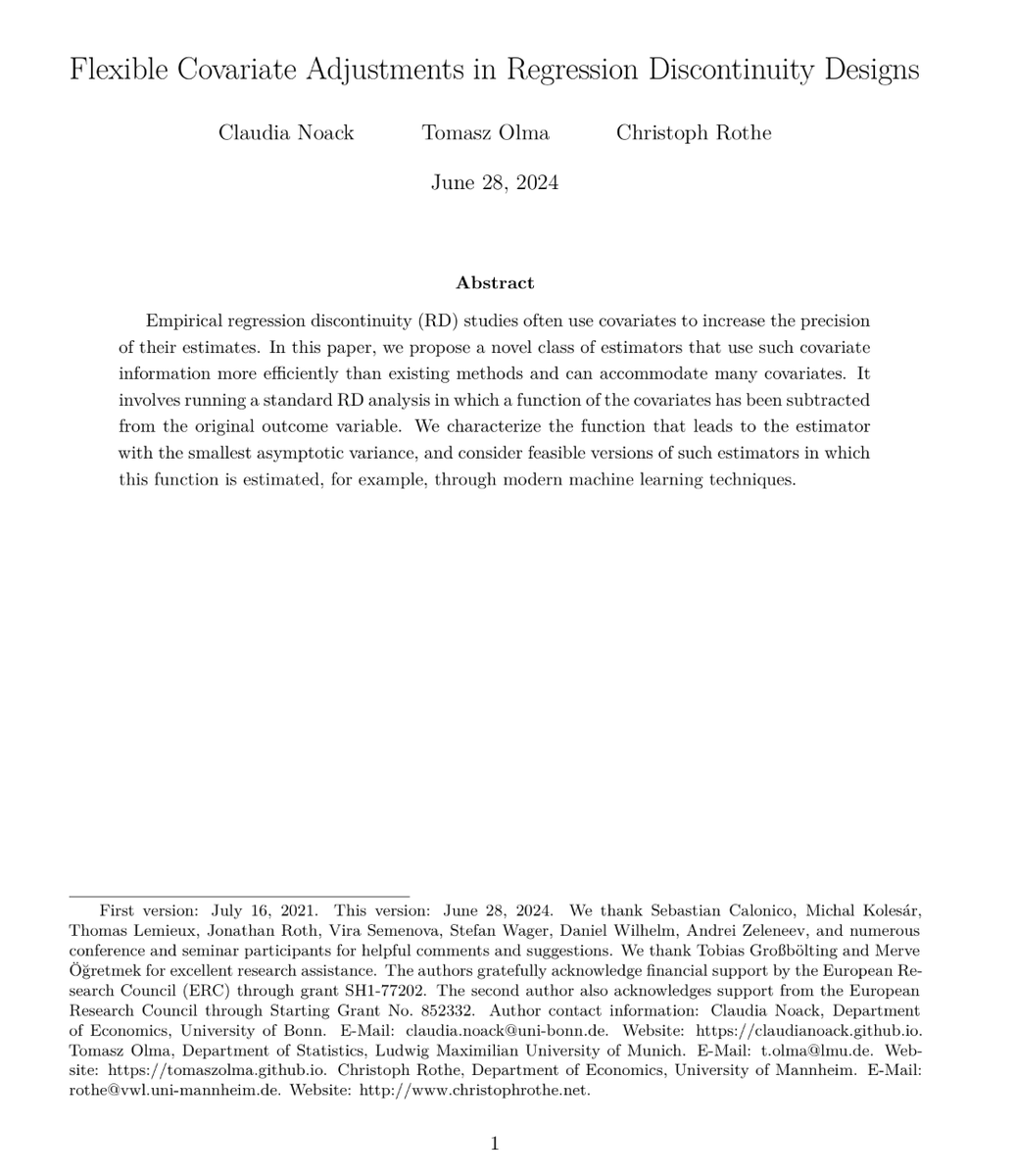
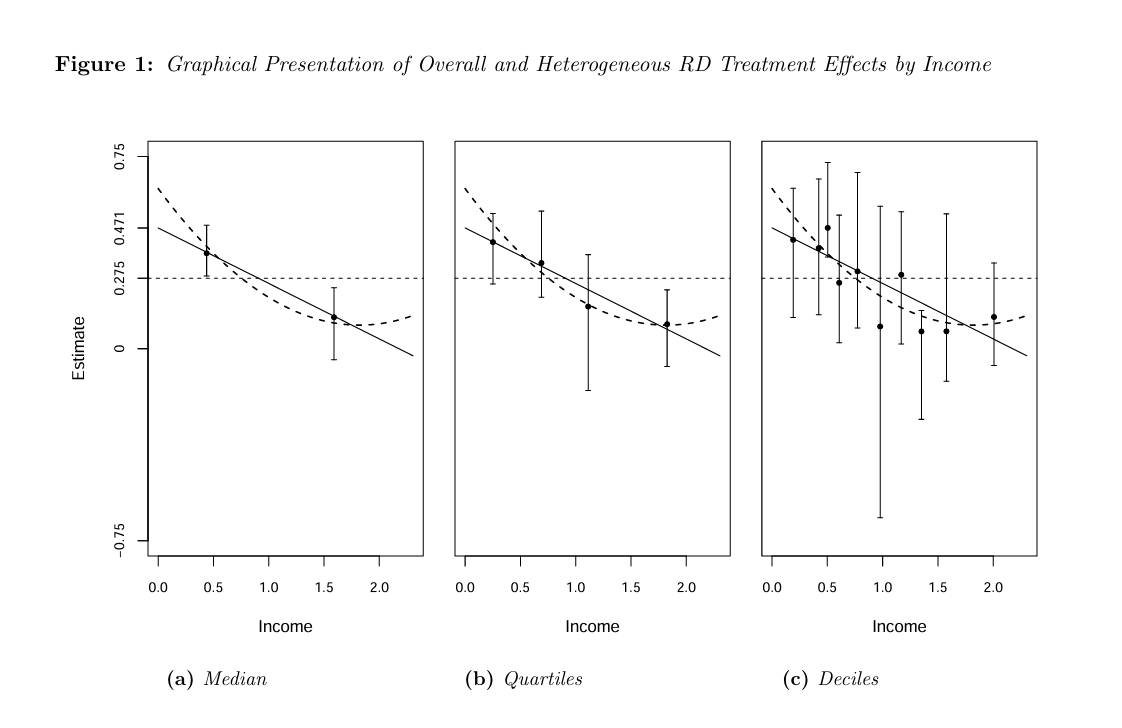
#RDDers: check it out.
Flexible Covariate Adjustments in Regression Discontinuity Designs
"In this paper, we propose a novel class of estimators that use such covariate information more efficiently than existing methods and can accommodate many covariates."
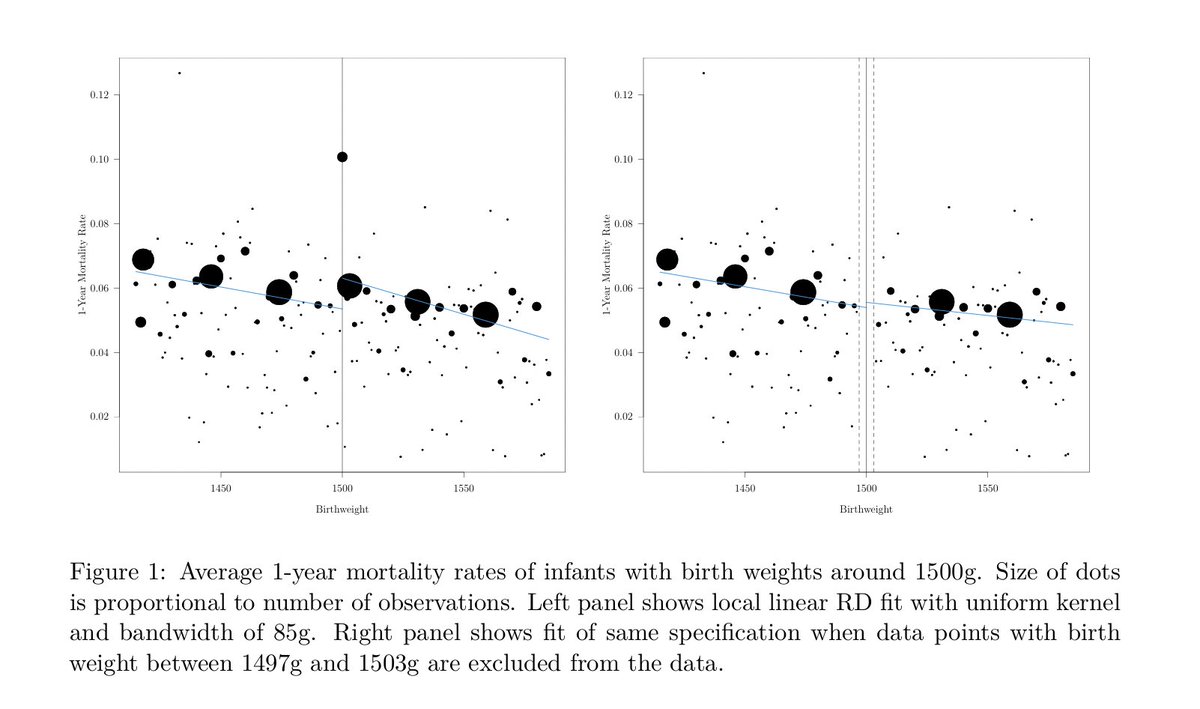
#RDDers: check it out.
Donut Regression Discontinuity Designs
"While the donut approach is very popular in empirical practice, it is generally carried out in a heuristic fashion without much supporting statistical theory."
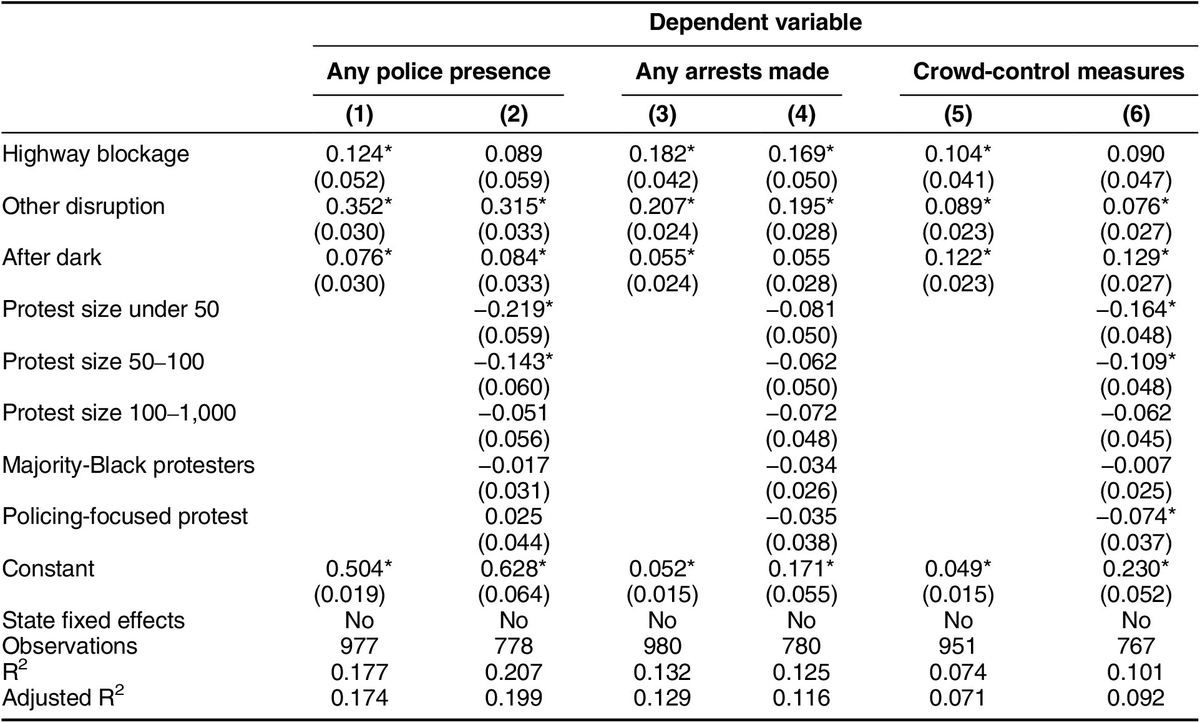
Observers of Black Lives Matter protests are more likely to describe protesters as violent if the protest is met with heavy police presence, finds English, White &
@l_eckhouse in @PoPpublicsphere https://t.co/FIjF4PEBQd
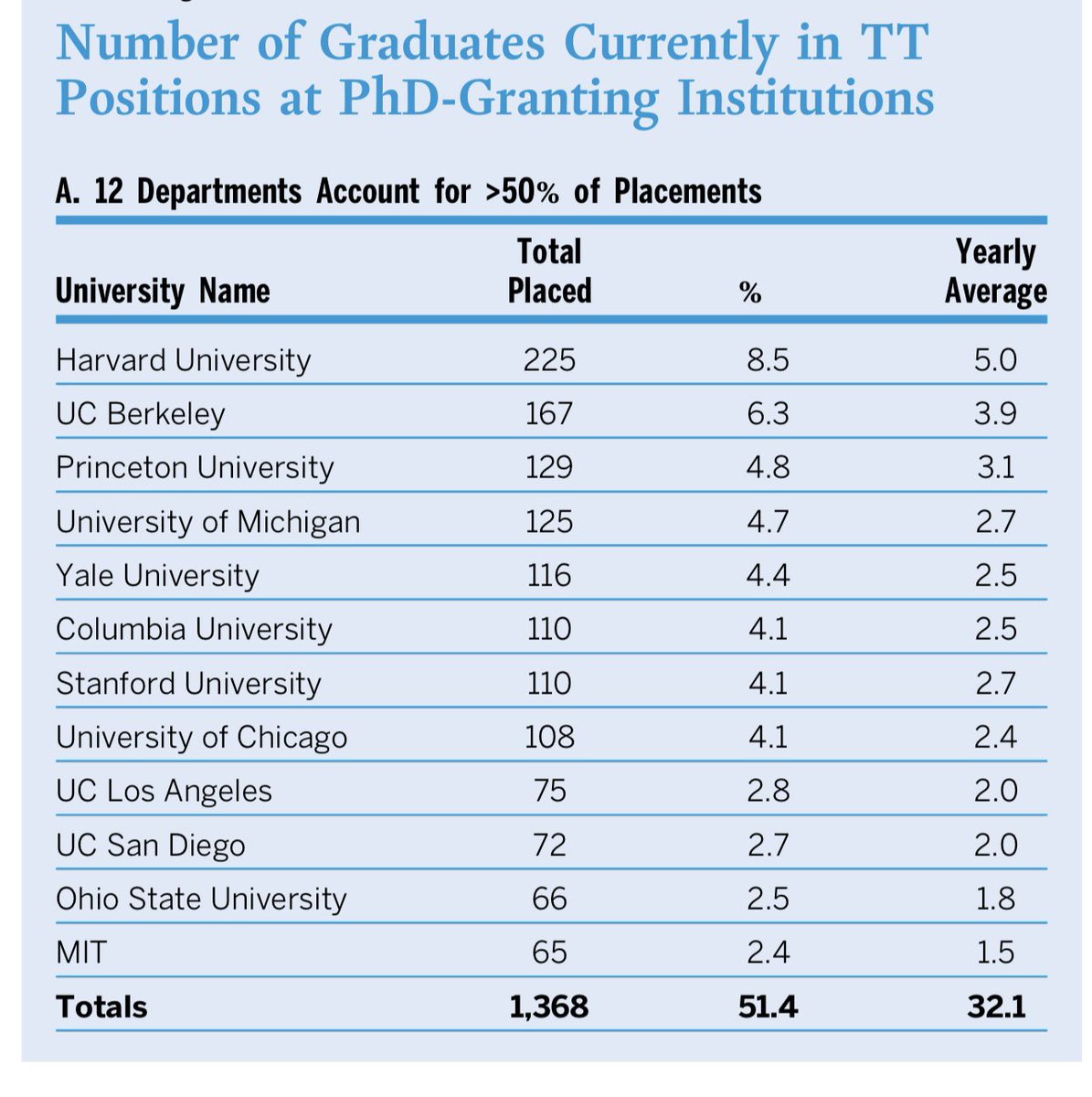
The top 20% of political science departments produced 75% of all tenure track research university faculty & the bottom 50% accounted for less than 5%
https://t.co/UNc2I0NrYP
Excited to share that my paper on citizen-to-citizen persuasion, co-authored with Carlos Rueda-Cañòn and Tim Ryan, was just accepted at the Journal of Politics. Link: https://t.co/xYvzFjJ9DJ🧵
Excited that this paper is out! @p_fomby and I describe nonresident parent wealth among children in the US using the @umpsid. We show that children likely have access to this wealth, and that it matters for their educational attainment in young adulthood.
We are now accepting applications for our Annual Workshop on Formal Demography, taking place in-person at UC Berkeley on June 2-6, 2025. Deadline to apply is March 10.
See more information on the workshop and how to apply here: https://t.co/Js6fBwVeAn
Please share widely!
Do citizens stereotype Muslims as inherently homophobic?
In a new @BJPolS paper w/ Stuart Turnbull-Dugarte and @m_hunklinger we answer this question using a double-list experiment across 🇬🇧 🇺🇸 🇩🇪 🇳🇱.
https://t.co/2eptNTm0xV
Spoiler: Yes. 🧵