Xiligii Riyaale ayaa kadib markii wafdi madaxwaynuhu hogaaminayo uu booqday Senegal waxa lagu balamay in lacag loo soo diro madaxwaynihii dalkaas oo waqigaas doorasho galayey.
Sadexda shirkadood ee ugu taajirsan SL waxa laga waayey 3 milyan oo aqoonsi la siisto.
Maantase dawladdu lacag way heli karaysi e tolow maxaa dhacay.
@SusieWiles I'd value your view on this case for U.S. recognition of Somaliland: https://t.co/RXDgh8GnpX
Somaliland has sustained democratic institutions since 1991 and sits on a strategically vital Red Sea corridor.
@michaelgwaltz I'd value your view on this case for U.S. recognition of Somaliland: https://t.co/RXDgh8GnpX
Somaliland has sustained democratic institutions since 1991 and sits on a strategically vital Red Sea corridor.
@DeputySecState I'd value your view on this case for U.S. recognition of Somaliland: https://t.co/RXDgh8GnpX
Somaliland has sustained democratic institutions since 1991 and sits on a strategically vital Red Sea corridor.
@haadka is leading the campaign of proper activism by far with out involving internal politics with “qabyaalad”or personal interests or promotion,we didn’t know that he goes to that extent without noise until that @patriot_savvy told us,we owe him thank you.
So, @HersiAHassan is here Calling Qatari late Emir “Father Emir” just to beg for his own interests and his team are going after @haadka because he just advocates Somaliland with out asking a penny from the government or praise from Somalilanders?
عبارة "الأمير الوالد" تسمية قطرية محلية تستخدم في الخطاب الرسمي والشعبي داخل قطر تعبيراً عن الاحترام، وللتمييز بين الأمير السابق ونجله الأمير الحاكم. لكنها ليست لقباً بروتوكولياً ملزماً للمعزّين من خارج قطر، ولا سيما رؤساء الدول والقيادات السياسية الأجنبية.
فمن المستبعد، مثلاً أن يستخدم الرئيس الاندونيسي او رئيس جنوب افريقيا او الرئيس ترمب هذه العبارة في رسائل التعزية، بل سيكتفيان بذكر اسم الراحل وصفته الرسمية السابقة.
لذلك أرى أنه لم يكن من السائغ أن يتبنى رئيس الحزب الحاكم في صوماليلاند هذا الوصف المحلي، وكأنه يتحدث بلسان مواطن قطري، بينما كان الأجدر به استخدام صيغة رسمية ومحايدة، مثل "أمير قطر السابق الشيخ حمد بن خليفة آل ثاني".
والتعزية سُنه، والمسلم يعزي أخاه المسلم، ولا اعتراض على مبدأ تقديم واجب العزاء. لكن السؤال المشروع هو هل كانت دولة قطر ستعزّي شعب جمهورية صوماليلاند لو توفي ، لا قدّر الله ، رئيس البلاد؟
أليست قطر نفسها الدولة التي ما زال خطابها الرسمي والإعلامي يستخدم عبارة "ما يُسمّى بإقليم أرض الصومال" عند الإشارة إلى جمهورية صوماليلاند، في إنكار متعمّد لاسمها وإرادة شعبها وواقعها السياسي؟
فكيف نبالغ نحن في تبني ألقابهم المحلية، بينما لا يكلّفون أنفسهم حتى احترام الاسم الذي اختاره شعب صوماليلاند لدولته؟ الاحترام المتبادل لا ينبغي أن يكون طريقاً ذا اتجاه واحد.
Dear Sara,
Thank you for writing about Somaliland. At the risk of sounding like a broken record, this debate keeps missing one fundamental point.
Let me take your last question and asnwer as a Somalilander:
"Why do some political entities become regionally significant before they become universally recognised?"
Because legitimacy is built before it is acknowledged.
Under the Montevideo Convention, statehood is defined by four criteria: a permanent population, a defined territory, an effective government, and the capacity to enter into relations with other states.
Somaliland has satisfied all four for more than three decades, alongside a consistent record of democratic governance. That is what distinguishes it from entities such as Palestine, let alone the Houthi movement.
Somaliland's case is not only practical; it is also legal. It rests on the doctrine of state continuity: the union with Somalia was never legally ratified, and Somaliland's borders follow the principle of uti possidetis juris, which preserves colonial administrative boundaries at independence. This principle has underpinned the international order across Africa and much of Latin America.
Ask a 10-year-old Somalilander, and you'll hear the same answer. For more, check the African Union Fact fining mission report in 2005.
Somalilanders are taught that they are not breaking international law, violating Somalia's territorial integrity, or creating a dangerous precedent for other states. That shared legal understanding is what gives Somaliland its remarkable strong internal and external democratic legitimacy in the eyes of every citizens.
For Somaliland, recognition is not a legal question but a political one. International law neither requires nor prohibits states from recognising Somaliland. As per the ICJ ruling on Kosovo's case, recognition becomes a legal issue only when external powers attempt to alter internationally recognised borders through the use of force, as seen in the case of Northern Cyprus, or in cases where independence is achieved through committing war crimes.
If Somaliland were a secessionist case, it would be negotiating the terms of separation with Somalia. I personally would be wearing the blue flag. It is not. Its claim is rooted in its recognised independence on 26 June 1960 and the restoration of that independence in 1991 after the failed union, following legal reasoning similar to that applied to the Baltic states.
This is why Somalilanders do not frame their case around repeated self-determination. We will never accept talks or referendums on our statehood because we are already sovereign. It is non-negotiable topic like any other state, it is life and death. That right was exercised once, when independence was achieved from the United Kingdom. Somaliland does not have two independence days. What occurred in 1991 was the restoration of an existing state's independence, not the creation of a new one.
I was honored to take part in the Latin America Chairman’s Conference in Buenos Aires, Argentina.
The conference brought together senior officials, parliamentarians, diplomats, and international partners to discuss cooperation, shared values, democratic values, inter-regional dialogue, and the strengthening of partnerships across Latin America and beyond.
This visit reflected Somaliland’s growing diplomatic engagement, and I look forward to strengthening the relationships and expanding the outreach established over the course of the visit, in line with our commitment to constructive international partnerships based on mutual respect, peace, stability, prosperity, and democratic values.
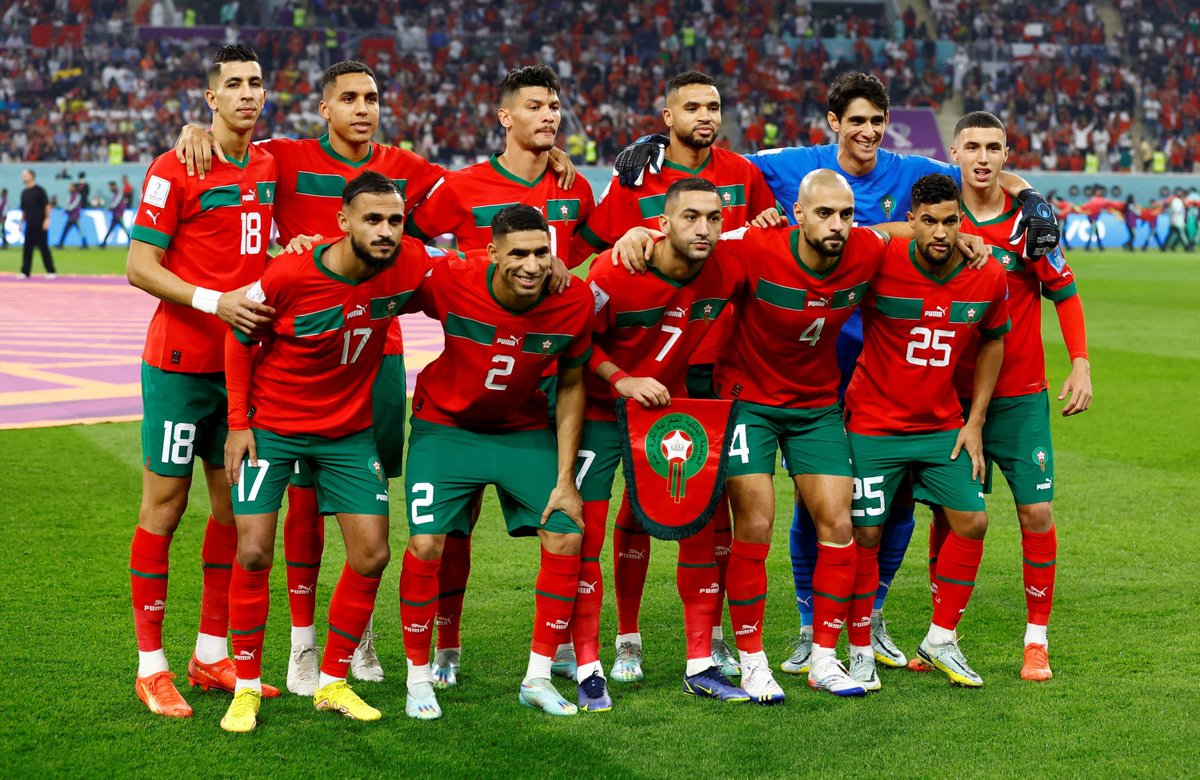
Congratulations from Somaliland to Morocco on your magnificent victory over Canada! Wishing the Atlas Lions continued success all the way to the final. May you keep making history and bring the World Cup trophy home to Africa. The hopes of an entire continent are with you