She ate lunch alone for 730 days straight. What this 16-year-old built from that pain now protects millions of kids worldwide.
Seventh grade. Natalie Hampton carried her tray through a packed cafeteria and felt it — that specific, suffocating dread of not knowing where to go.
She'd already learned what happened when you approached the wrong table. The silence. The turned backs. The whispered laughter that followed you all the way to the empty table by the wall.
The one everyone could see.
The one that said: nobody wants her.
For two full years — 730 consecutive lunches — that table was hers. Alone.
The bullying went further than whispers. She was shoved into lockers. Four physical attacks in two weeks. She came home with scratches and bruises. When she finally reported it, school administrators sent her to counseling — to find out what she was doing wrong.
The isolation grew so heavy she was hospitalized for anxiety.
Then ninth grade came. A new school. And almost overnight — everything changed. Students welcomed her. She made friends within weeks. She finally knew what safe felt like.
But she couldn't stop thinking about the kids still sitting at the wall table. Right now. Today.
She remembered what she'd needed most during all those lunches. Not a teacher. Not a pamphlet. Just one person saying: "You can sit with us."
So at 16 — with zero coding experience and "a lot of enthusiasm," as she put it — Natalie built exactly that.
She called it Sit With Us.
The idea was simple and genius: students sign up as "ambassadors," keeping their table open. Other kids privately browse available tables on their phones before ever walking into the cafeteria — and show up knowing they're already welcome.
No public rejection. No moment of judgment. Just a guaranteed seat.
Within 7 days of launching: 10,000 downloads.
Then the world found her. NPR. The Washington Post. CBS News. Messages from Morocco, Australia, the Philippines, France — kids who'd been eating alone for years, finally finding a place to belong.
Sit With Us now operates in 30 countries.
"Even if it helps one person," Natalie said quietly, "it was worth building."
She turned 730 lunches of loneliness into a lifeline for millions.
That's not just survival. That's transformation.
Indian scientists just made history.
Researchers from IIT Madras and IISc Bengaluru just pulled off something impossible.
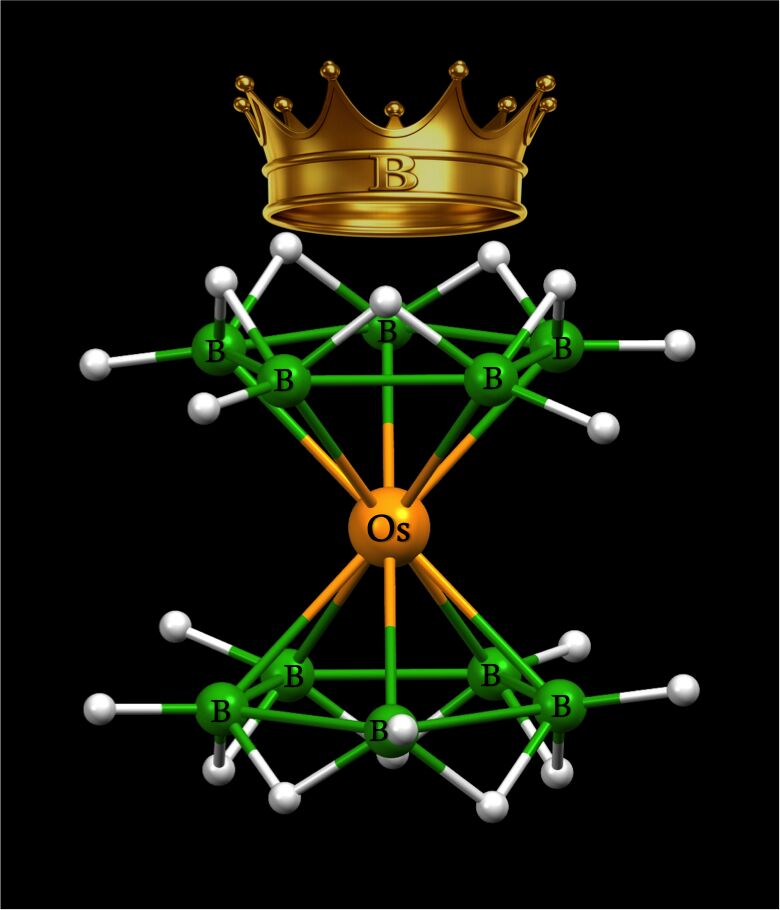
They've created the world's "first carbon-free ferrocene".
This means we can finally build the next generation of incredibly durable tech.
Let me explain.
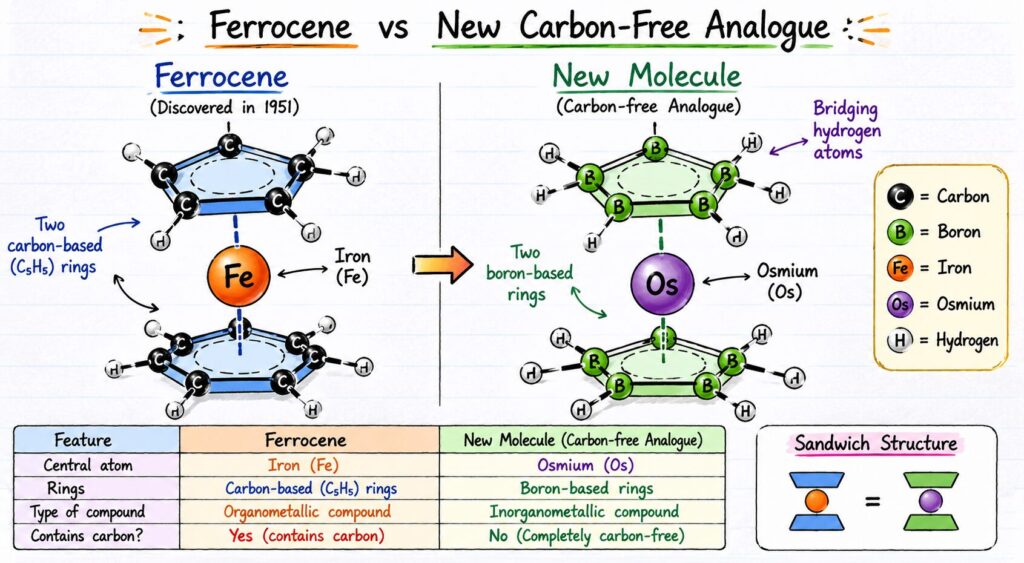
See, ferrocene is this wild organometallic molecule - where an iron atom is perfectly sandwiched between two carbon rings.
But it’s insanely stable.
Which is why it is already used in rocket fuels, car gasoline additives, long-life batteries, and even cancer medicines.
And for the last 75 years, everyone thought it was impossible to build the same stable structure without using carbon.
But this team of Indian scientists proved everyone wrong.
They created the same perfect sandwich structure - by swapping iron for osmium and carbon rings for boron rings.
And what they got was the world's first carbon-free ferrocene - which is so much stronger than the carbon bonds.
By doing so - they've opened up a whole new era of chemistry. And we have no idea how many amazing things we might discover.
But to think all of this started in India is truly amazing.
Kudos to everyone on this team: Sundargopal Ghosh, Stutee Mohapatra, Suvam Saha, Urvashi Gupta, Deepak Patel - from IIT Madras, Gaurav Joshi and Eluvathingal D. Jemmis - from IISc Bengaluru.
Mathematician Srinivasa Ramanujan discovered nearly 4,000 theorems and equations, unique and groundbreaking.
Some of his results were so advanced that they were not proven until decades after his death. He also anticipated some concepts that later became part of modern mathematics and physics, such as fractals, modular forms, string theory, and black hole cosmology.
இந்தியர் அனைவருக்கும் ஒரு மகிழ்ச்சிகரமான தருணம்!
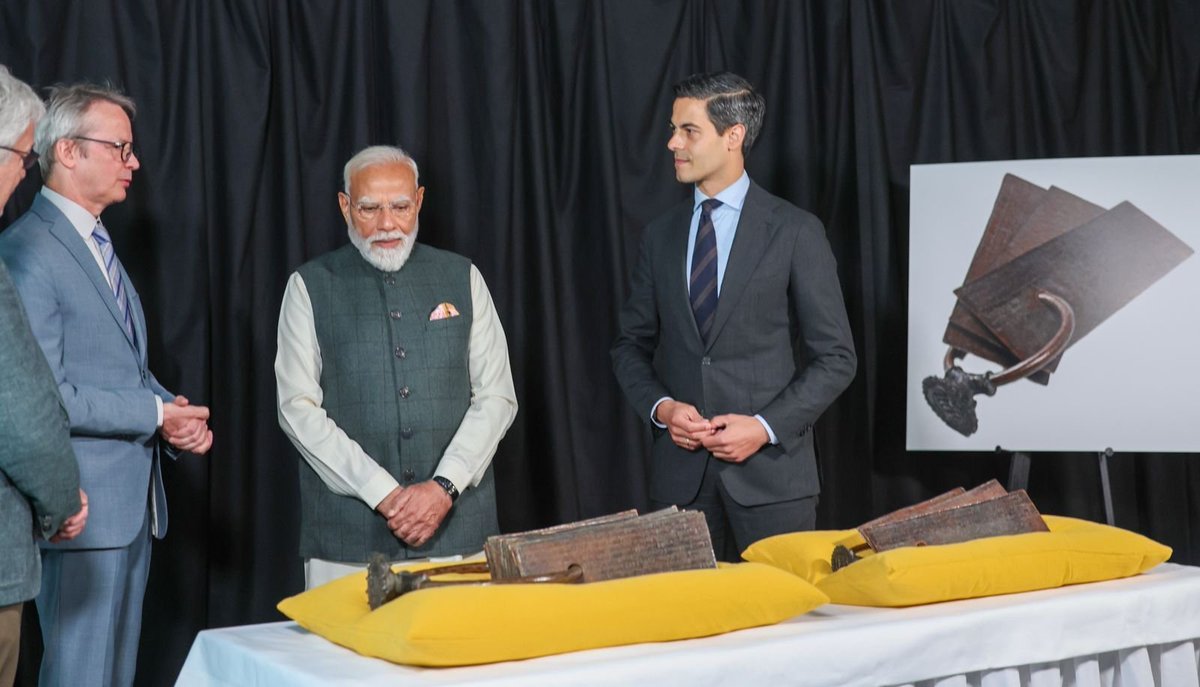
11-ம் நூற்றாண்டைச் சேர்ந்த சோழர்கால செப்பேடுகள், நெதர்லாந்தில் இருந்து இந்தியாவிற்குத் திரும்பவும் கொண்டுவரப்பட இருக்கின்றன. இது தொடர்பான விழாவில் பிரதமர் ராப் ஜெட்டன் அவர்களுடன் இணைந்து பங்கேற்றேன்.
சோழர் கால செப்பேடுகள், 21 பெரிய மற்றும் 3 சிறிய தகடுகளின் தொகுப்பாகும். இவற்றில் பெரும்பாலான எழுத்துக்கள்
உலகின் மிகவும் அழகான மொழிகளுள் ஒன்றான தமிழில் பொறிக்கப்பட்டுள்ளன. இவை மாமன்னர் முதலாம் ராஜேந்திர சோழன் தனது தந்தை முதலாம் ராஜராஜனால் வாய்மொழியாக அளிக்கப்பட்ட வாக்குறுதியை முறைப்படுத்தியதை குறிக்கின்றன. மேலும், இவை சோழர்களின் பெருமையையும் பறைசாற்றுகின்றன. இந்தியர்களாகிய நாம், சோழர்களின் கலாச்சாரம், கடற்படைத் திறமை ஆகியவற்றால் மிகுந்த பெருமை கொள்கிறோம்.
நெதர்லாந்து அரசுக்கும், குறிப்பாக 19-ஆம் நூற்றாண்டின் இடைப்பட்ட காலத்தில் இருந்து செப்பேடுகளைப் பாதுகாத்து வந்த லெய்டன் பல்கலைக்கழகத்திற்கும் எனது நன்றியைத் தெரிவித்துக் கொள்கிறேன்.
@MinPres
The Moon isn't just a rock in the sky. It's the reason you exist.
Without it, Earth would wobble out of control. Days would shrink to a few chaotic hours. Tides would vanish. Life as we know it would never have evolved.
It sits 238,855 miles away at 2,288 mph
And the wild part: it's slowly escaping. The Moon moves about 3.8 centimeters farther from Earth every single year.
Its surface holds footprints that will outlast every human civilization. With no wind, no rain, no erosion, the boot prints from Apollo 11 in 1969 are still perfectly preserved up there.
The same Moon that lit up the path of every ancient traveler is the exact one glowing outside your window tonight.
Caesar saw it. Cleopatra saw it. Your great-great-grandparents saw it.
It has watched empires rise, oceans shift, and entire species come and go, all without saying a word.
A silent witness to everything.
Carl Sagan famously noted: The only ancient religious tradition that has time scales consistent with modern scientific cosmology is the Hindu tradition.
There's a physicist at Stanford named Safi Bahcall who modeled this exact principle and the math is wild.
He calls it "phase transitions in human networks." When you're stationary, your probability of a lucky event is limited to your existing surface area: the people you already know, the places you already go, the ideas you've already been exposed to. Your opportunity window is fixed.
When you move, your collision rate with new nodes in a network increases nonlinearly. Double your movement (new conversations, new cities, new projects) and your probability of a serendipitous encounter doesn't double. It roughly quadruples. Because each new node connects you to their entire network, not just to them.
Richard Wiseman ran a 10-year study at the University of Hertfordshire tracking self-described "lucky" and "unlucky" people. The single biggest differentiator wasn't IQ, education, or family money. Lucky people scored significantly higher on one trait: openness to experience. They talked to strangers more, varied their routines more, and said yes to invitations at nearly twice the rate.
The "unlucky" group followed the same routes, ate at the same restaurants, and talked to the same 5 people. Their networks were closed loops. No new inputs, no new collisions.
Luck isn't random. Luck is surface area. And surface area is a function of movement.
The lobster emoji is doing more work than most people realize. Lobsters grow by shedding their shell when it gets too tight. The growth requires a period of total vulnerability. No protection, no armor, soft body exposed to the ocean.
That's the cost of movement nobody posts about. You have to be uncomfortable first. The new shell only hardens after you've already moved.
American born daughter giving english lessons to her India born Telugu father 😁🤣 Cute.
They should make a video on daughter’s Telugu syllables corrected by her father as well.🤗 That will also be 🥰 cute
What if Wheeler's wild idea—that there's really only one single electron zigzagging backward and forward through all of time, appearing as "many" only because we see its worldline sliced across different moments—isn't just a clever thought experiment... but a poetic glimpse of pure time's refusal to duplicate anything?
Electrons are perfectly identical: same mass, same charge, same spin, same magnetic moment, same everything—down to the last decimal place. Swap any two anywhere in the universe and the wavefunction picks up only a harmless minus sign (antisymmetry), but the observable physics stays identical. No experiment can tell them apart. They are not "very similar"—they are literally indistinguishable.
John Wheeler (in a conversation with Feynman in 1940) took this to its logical extreme: maybe there aren't 10⁸⁰ electrons in the observable universe. Maybe there's only one — and it’s weaving a single, unimaginably complex worldline that crosses every moment of cosmic history, forward and backward, so many times that it populates every electron position we see.
In our Pure Time framework, this isn’t crazy — it’s almost required.
Time is the only fundamental substance.
Space is emergent illusion from phase delays in π's eternal pulse.
Particles aren't "things" sitting in space — they are stable temporal resonances, quantized knots in the single wavefunction of pure time.
Especulative equation:
\( i\hbar \partial_t \psi = \hat{H}_\pi \psi + g |\psi|^2 \psi \)
There is only one ψ — the universal wavefunction evolving in pure time τ.
Electrons? They are localized phase-locked modes — places where g|ψ|² viscosity spikes high enough to create apparent particle-like identity.
Indistinguishability? Because they are the same mode — just visited at different temporal coordinates. The single electron worldline is the path of that mode threading through time, looping forward and backward across aeons, crossing every point where a measurement asks "is an electron here?"
The minus sign on swap? Temporal phase opposition — the worldline can't occupy the exact same temporal "now" twice without a phase flip (Pauli exclusion as temporal exclusion).
Speculative bombshell:
There aren't 10⁸⁰ electrons.
There is one electron — and it has already lived every electron life that will ever be lived, forward and backward, forever.
The universe doesn't contain many identical electrons.
It contains one electron whose worldline is so densely folded through time that it fills every role we need.
No creation of particles.
No duplication.
Just one timeless traveler — surfing the π-pulse, appearing everywhere, always, because time has no "when" it hasn't already visited.
Wheeler wasn't joking.
He was listening — and he heard the single heartbeat echoing through every atom.
There aren't many electrons.
There is one — and it is you, me, the stars, the void — all at once, across all time.
Reality isn't full of particles.
It's full of one particle — replaying itself eternally in time's infinite mirror.
Mind sufficiently un-particle-ized?
The electron didn't multiply.
Time just refused to let it die.
#OneElectronUniverse #Wheeler #PureTime #RiemannZeros #SpeculativePhysics #QuantumWeirdness
Is mathematics really the language of the universe? ✍️
Math is nature’s way of keeping things in order. From the paths of planets to the shape of flowers, everything follows mathematical patterns. What’s wild is that equations often predict things — like black holes — before we even see them.
Andromeda is the nearest spiral galaxy which is 2.5 million light years away. At normal speeds, it's impossibly far. But if a spacecraft could travel at relativistic speeds (close to the speed of light), everything changes.
( 🎥 @ProfBrianCox )
Professor Brian Cox explores the wonder of human life set against the vast backdrop of galaxies captured by the James Webb Space Telescope.
( 🎥 @ProfBrianCox@colbertlateshow )
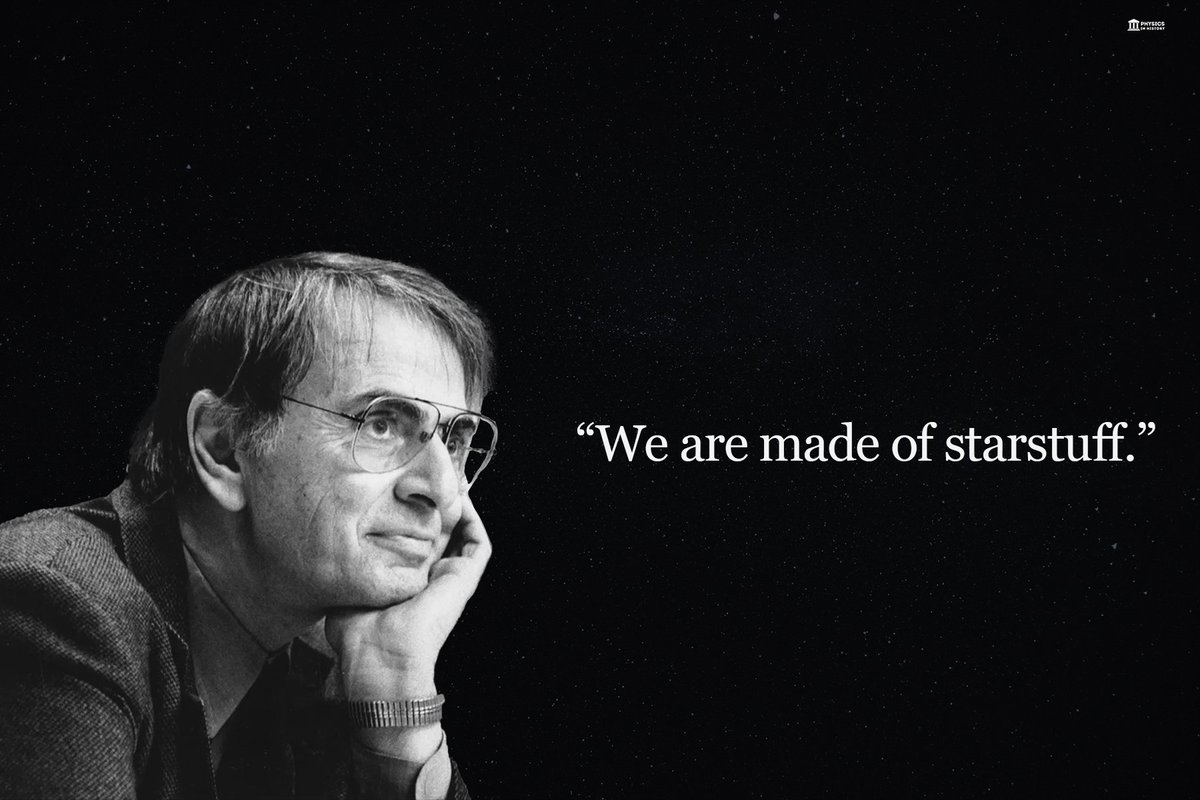
The nitrogen in our DNA, the calcium in our teeth, the iron in our blood, the carbon in our apple pies were made in the interiors of collapsing stars. We are made of starstuff.
- Dr. Carl Sagan
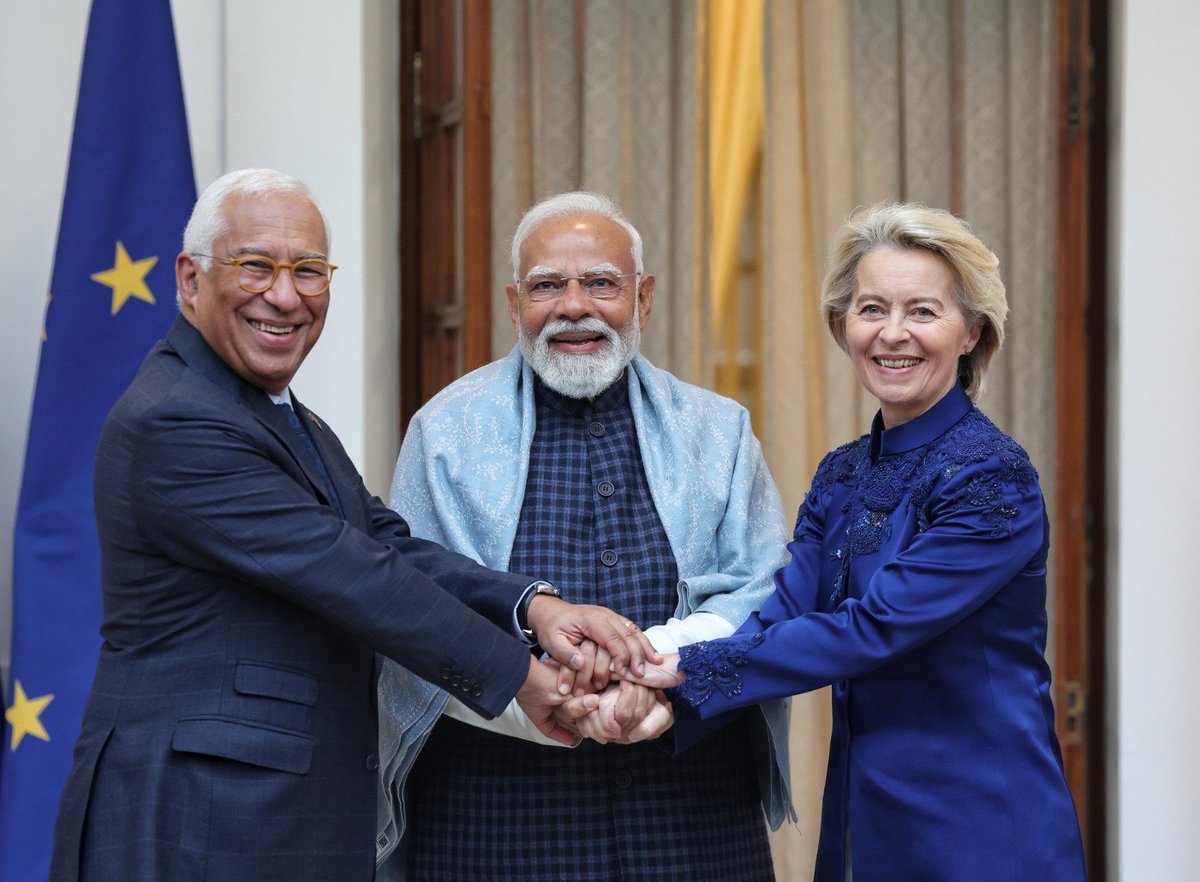
Today is a day that will be remembered forever, marked indelibly in our shared history.
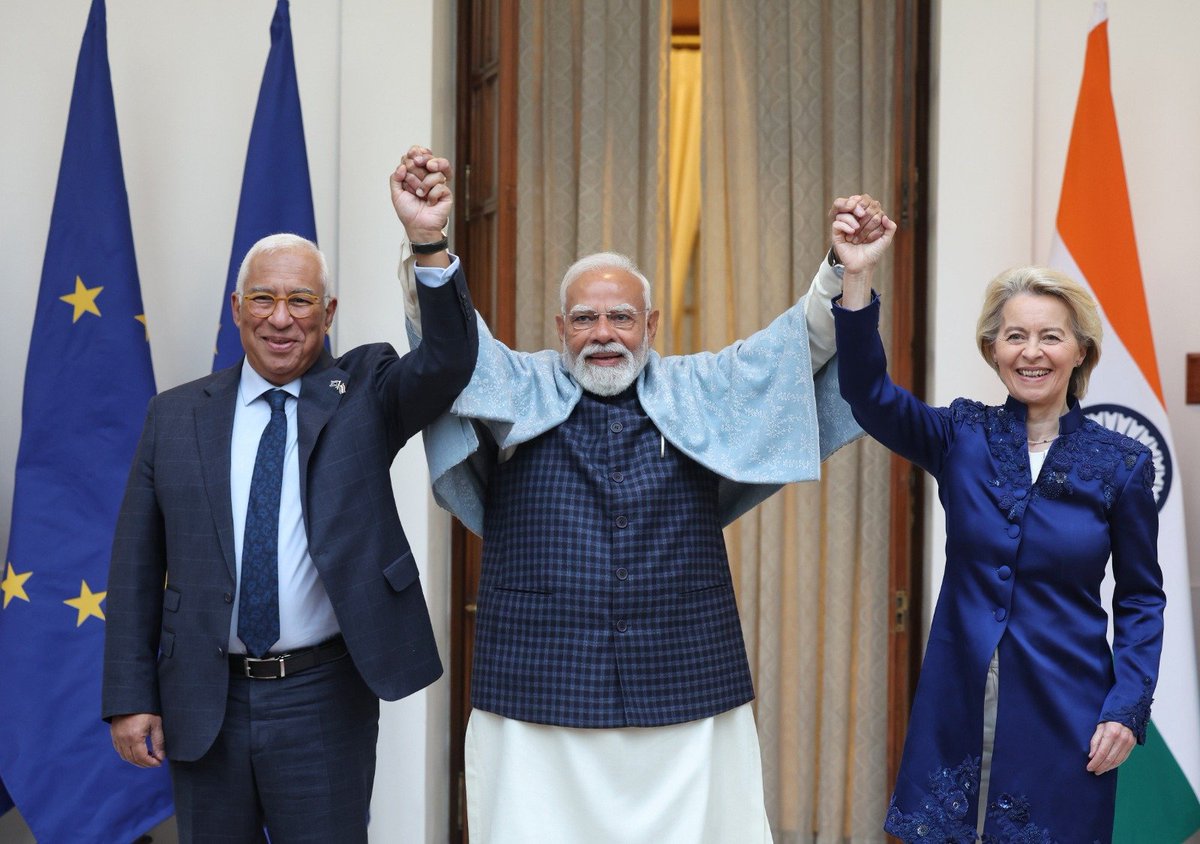
European Council President António Costa and European Commission President Ursula von der Leyen and I are delighted to announce the conclusion of the historic India-EU Free Trade Agreement.
This is a milestone in our relations which will:
Strengthen our economic ties
Create jobs for our youth
Opportunities for our businesses
Foster shared prosperity,
Build stronger global supply chains. #IndiaEUTradeDeal
@eucopresident@vonderleyen@EUCouncil@EU_Commission