For years, small-molecule ID relied on predicted or incomplete MS/MS data.
That era is ending.
METLIN 960K: >960,000 compounds with empirical MS/MS spectra from authentic standards.
https://t.co/Cx4xgGZOLn
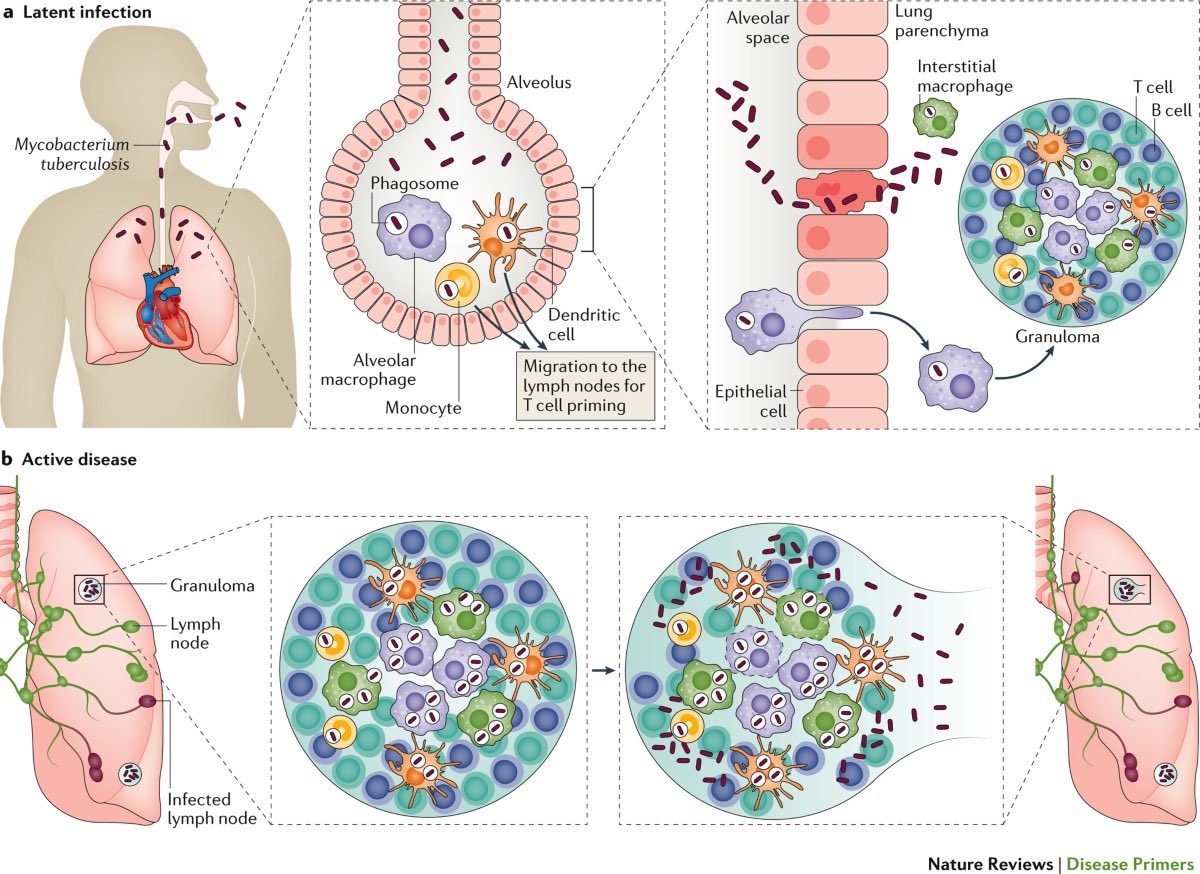
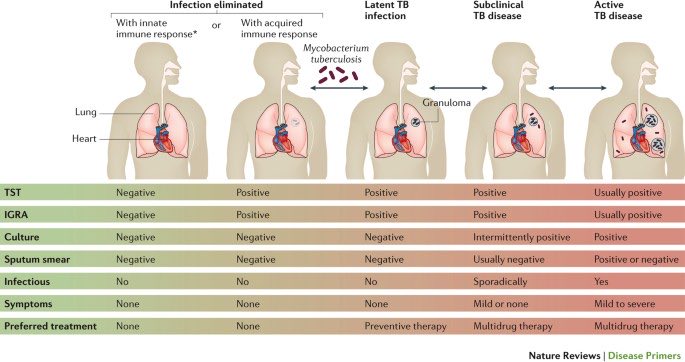
Out Now! Transcription co-inhibition alters drug resistance evolution and enhances Mycobacterium tuberculosis clearance from granulomas https://t.co/rrJ6El3l0v #MycobacteriumTuberculosis#DrugResistance#Antibiotics
BREAKING NEWS
The 2025 #NobelPrize in Physiology or Medicine has been awarded to Mary E. Brunkow, Fred Ramsdell and Shimon Sakaguchi “for their discoveries concerning peripheral immune tolerance.”
One bacterium’s trash is another’s treasure:
@samsyberg@LRajakovich highlight work of @Hatzios_Lab@ZheZhou_ICA discovering that two distinct species of commensal bacteria metabolize a dietary antioxidant through a cross-feeding pathway
https://t.co/JIxkWcjZMN
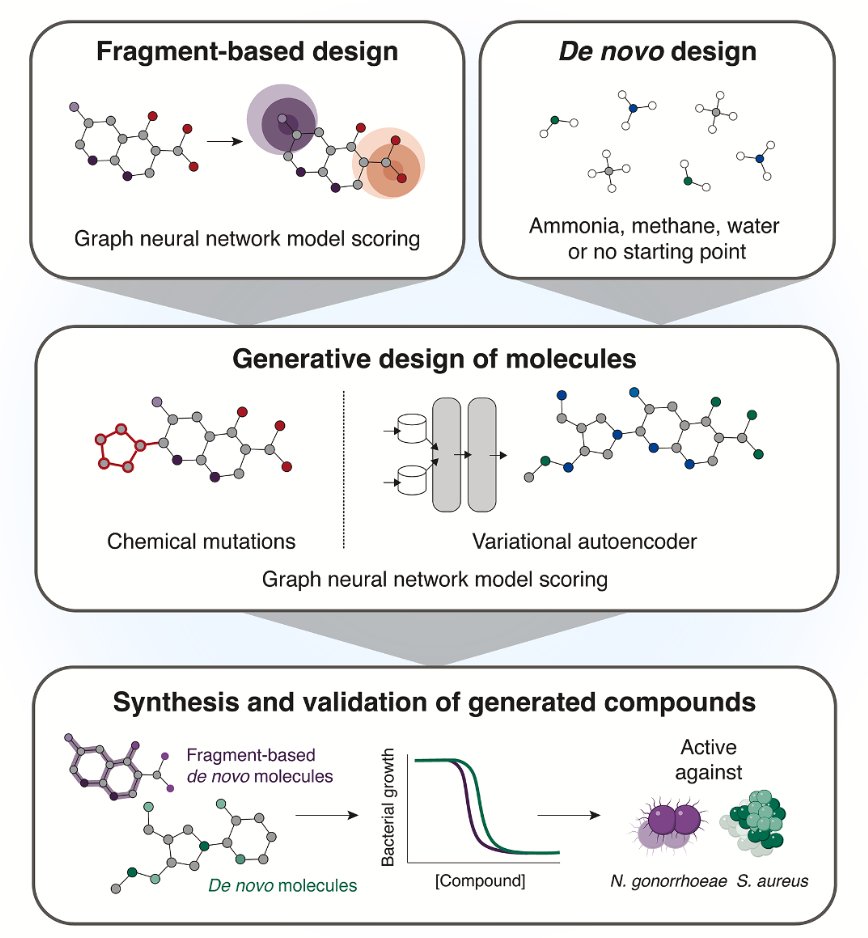
A Generative Deep Learning Approach to De Novo Antibiotic Design @CellCellPress
1. A new generative AI framework has been developed for designing de novo antibiotics, yielding lead compounds with selective antibacterial activity, distinct mechanisms of action, and in vivo efficacy against multidrug-resistant strains of N. gonorrhoeae and S. aureus. This innovative approach could significantly aid in combating the antimicrobial resistance crisis.
2. The study utilized a fragment-based method to screen over 10^7 chemical fragments in silico against N. gonorrhoeae or S. aureus, expanding promising fragments using genetic algorithms and variational autoencoders. Additionally, an unconstrained de novo compound generation approach was employed, showcasing the potential of AI in exploring vast chemical spaces.
3. Out of 24 synthesized compounds, seven demonstrated selective antibacterial activity. Two lead compounds, NG1 and DN1, exhibited unique modes of action and efficacy against multidrug-resistant strains in mouse models. NG1 showed bactericidal efficacy against N. gonorrhoeae, while DN1 displayed broad-spectrum activity against Gram-positive bacteria.
4. The mechanism of action for NG1 was investigated, revealing that it may act by decreasing membrane fluidity and compromising membrane integrity in N. gonorrhoeae. This was supported by experimental results showing increased membrane permeability and morphological changes in treated cells. Furthermore, NG1 exhibited low toxicity and was effective in a mouse model of N. gonorrhoeae vaginal infection.
5. The study also explored the design of compounds active against S. aureus using a similar fragment-based approach. One of the synthesized compounds, EN1, showed activity against both methicillin-susceptible and methicillin-resistant S. aureus strains. Additionally, the de novo design approach generated compounds without the need for specific fragments as starting points, further expanding the chemical space explored.
6. The generative AI models used in this study demonstrated the ability to produce realistic and synthesizable compounds with promising antibacterial properties. The platform enables the efficient exploration of uncharted regions of chemical space, providing a valuable tool for antibiotic discovery. Future work could focus on optimizing the lead compounds and exploring additional chemical starting points to enhance the diversity and efficacy of generated antibiotics.
📜Paper: https://t.co/TIalTPQvsZ
#AntibioticDesign #GenerativeAI #DeepLearning #AntimicrobialResistance #DrugDiscovery
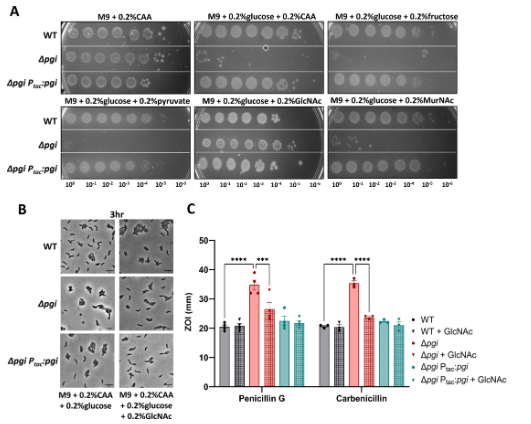
Disrupting Vibrio cholerae’s ability to eat glucose (by disrupting the pgi gene) inhibits enzymatic activity of GlmU, a key step of bacterial peptidoglycan precursor synthesis, increasing the bacterium's susceptibility to antibiotics. Learn more in #mBio: https://t.co/cwUXX1iIos
Happy to share my latest work in preprint.!!
We report a long debating generalizable fundamental level relationship of bacterial RNA polymerase with peptidoglycan biosynthesis, division and intrinsic antimicrobial resistance.!!
मंगलवार, 1 जुलाई 2025, सुबह 9:15 बजे
विज्ञान पत्रिका के अंतर्गत सुनियेगा -
"CSIR कोशिकीय और आणविक जीव विज्ञान केंद्र (सीसीएमबी), हैदराबाद के कार्य और उपलब्धियाँ" विषय पर डॉ. विनय के. नंदीकुरी, निदेशक, CSIR- CCMB, से बातचीत
भेंटकर्ता: सीमा कुमारी ।
प्रस्तुतकर्ता - दिलीप झा
चैनल : इंद्रप्रस्थ, Akashvani Live News 24x7 & 'Akashvani AIR' YouTube Channel
Premiere Link : https://t.co/ptDyEiV3oN
#NextGenSci asked young scientists to write a rule that all principal investigators should be required to follow to improve the experience of young scientists in their lab.
Check out their answers on #NationalHigherEducationDay: https://t.co/18ao7BZeFT
BBM registration open!!! Hang with us and talk all about bacteria from June 9th to June 10th at the Harvard Science Center with our amazing keynote speaker Dr. Petra Levin!
See you all there!
https://t.co/LJOn1HB8Uc