അവർ മന്ത്രി ആയിരുന്നു
സ്വാഭാവിക മായും അവർക്ക് സർക്കാർ വക വഹനവും എസ് കോർട്ടും ഉണ്ടായിരുന്നു
തിരിച്ച് ജനം അവരെ തോൽപിച്ചപോൾ അവർ വീണ്ടും ഒരു സാധാരണക്കാരി ആയി
അതേ സമയം ഇത് കോൺഗ്രസ് ആയിരുന്നു എങ്കിൽ മൂന്ന് ബെൻസ് ഇപ്പഴേ ഉണ്ടായോന
കഴിഞ്ഞ പത്ത് വർഷത്തിലേറെയായി ജനങ്ങളുമായി സംവദിച്ചിരുന്ന കേരള സർക്കാരിന്റെ ഔദ്യോഗിക X ഹാൻഡിൽ ആയ @cmokerala യും, ഫേസ്ബുക്ക് പേജ് ആയ CMOKerala യും ഡിലീറ്റ് ചെയ്തിരിക്കുന്നു.
ഏതു വിവരദോഷിയാണ് ഈ ഗവണ്മെന്റിന്റെ IT ഉപദേഷ്ടാവ്..?
കഴിഞ്ഞ 10 വർഷത്തിലേറെയായി സംസ്ഥാനത്തെ സംബന്ധിക്കുന്ന ലക്ഷക്കണക്കിന് ഔദ്യോഗിക വിവരങ്ങളാണ് ഒരു ആലോചനയുമില്ലാതെ ഡിലീറ്റ് ചെയ്തു കളഞ്ഞത്..!!
കഴിഞ്ഞ സർക്കാരിന്റെ കാലത്ത് പ്രളയങ്ങളെയും മഹാമാരികളെയും പിടിച്ചു കെട്ടാൻ സർക്കാർ കയ്യും മെയ്യും മറന്ന് ഇറങ്ങിയപ്പോൾ പ്രതിപക്ഷം അതിനെയൊക്കെ എങ്ങനെ രാഷ്ട്രീയമായി ഉപയോഗിക്കാം എന്നായിരുന്നു ചിന്തിച്ചത്....ജനങ്ങളുടെ ആശങ്കകൾ പരിഹരിക്കാൻ അല്ല അവർ ശ്രമിച്ചത്....
ഇപ്പോഴത്തെ ആരോഗ്യ മന്ത്രി കെ മുരളീധരൻ അന്ന് പറഞ്ഞത് എരണം കെട്ടവർ ഭരിക്കുമ്പോൾ മഹാവ്യാധികൾ വരും എന്നാണ്
ഇവിടെ മുൻ ആരോഗ്യമന്ത്രി ആയിരുന്ന ടീച്ചർ പറയുന്നത് നോക്കൂ....
സർക്കാരിനെ കുറ്റപ്പെടുത്താനോ മുതലെടുപ്പ് നടത്താനോ അല്ല ശ്രമിക്കുന്നത്... കഴിഞ്ഞ കാലത്ത് ആരോഗ്യ മന്ത്രി എന്ന നിലയിൽ കാണിച്ച ജാഗ്രതയിൽ നിന്നും ഇടപെടലിൽ നിന്നുമുള്ള ക്ലാസ് ആണ് ഭരണ പക്ഷത്തിനു കൊടുക്കുന്നത്....
ഇതാണ് രണ്ട് പ്രസ്ഥാനങ്ങൾ തമ്മിലുള്ള വ്യത്യാസം
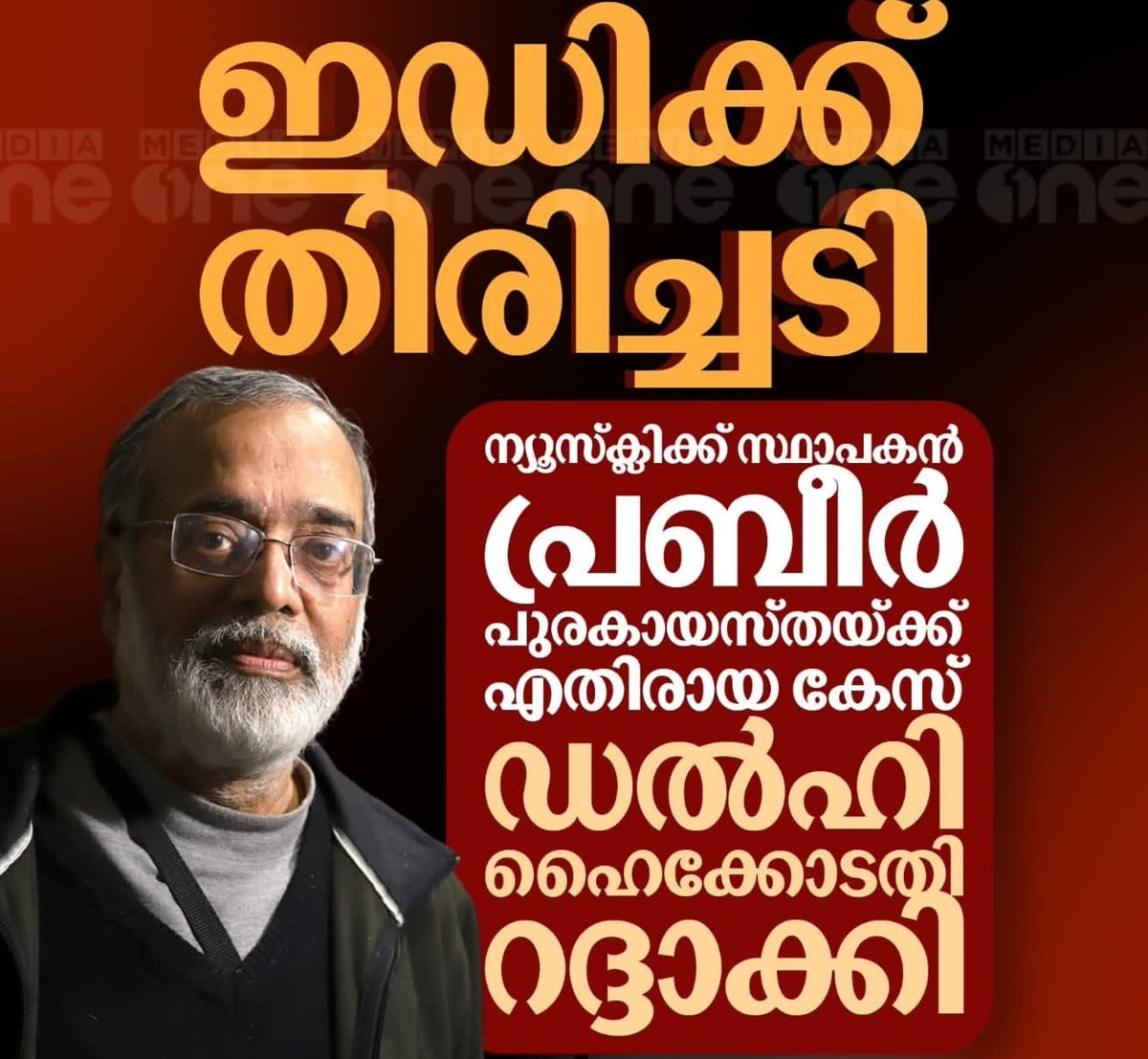
മോഡി സർക്കാറിന് എതിരെ വാർത്ത നൽകി എന്ന ഒരൊറ്റ കാരണം കൊണ്ട് ED വേട്ടക്ക് ഇരയായ ന്യൂസ് ക്ലിക്ക് സ്ഥാപകൻ പ്രബീർ പുരകായസ്ഥക്ക് എതിരെയുള്ള കേസ് കോടതി റദ്ദാക്കി..
നേരത്തെ ഡൽഹി മുഖ്യമന്ത്രി ആയിരുന്ന അരവിന്ദ് കെജ്രിവലിനെതിരെ ഉണ്ടായിരുന്ന കേസും കോടതി റദ്ദാക്കിയിരുന്നു..
ഈ നാണം കെട്ട ഏജൻസി പിരിച്ച് വിടാൻ ആണ് കോടതി ഉത്തരവ് ഇറക്കേണ്ടത്..
PR എക്സർസൈസും യാദാർത്ഥ്യവും ന്യൂജെൻ കുട്ടികൾ തന്നെ പറയട്ടെ .....!
നീലക്കുയിൽ, കാക്കക്കുയിൽ, മലർന്നാടൻ, കിടർന്നാടൻ ഒക്കെ ചേർന്ന് നമ്മുടെ നാടിനോട് ചെയ്യുന്നത് എന്തെന്ന് അവർ തന്നെ ഡാറ്റ വെച്ച് പറയട്ടെ .....!
പൂക്കി, കൂക്കി ......
ഈ നാടിനെ ഒറ്റുകയാണ് ഗയ്സ് ....!!
ആരെങ്കിലും ഭരിക്കുന്നത് കൊണ്ടാണ് നിപയും കോവിഡുമൊക്കെ വരുന്നതെന്ന് മൈക്ക് കെട്ടി വിളിച്ചു പറയാൻ യാതൊരു ലജ്ജയും ഇല്ലാത്തവരൊക്കെ എങ്ങനെയാണ് പക്വമായി പ്രതികരിക്കുന്നത് എന്ന് ഇവിടെ നിന്ന് പഠിക്കണം.
#NipahVirus#malayalam#kerala#healthylifestyle
ഷിഗല്ല...നിപ... ഡെങ്കി വെസ്റ്റ് നെെല് ,പകര്ച്ച പനി തുടങ്ങിയ രോഗങ്ങള് പടര്ന്നുപിടിക്കുന്ന സമയത്തും മാലിന്യങ്ങള് ഇങ്ങനെ കൂട്ടിയിടുന്നത് നിരുത്തരവാദപരമാണ്...
ഇത് യുഡിഎഫ് ഭരിക്കുന്ന പിറവം നഗരസഭപരിധിയിലെ പള്ളിക്കാവ് പ്രദേശത്തെ സ്വകാര്യ വ്യക്തിയുടെ പറമ്പിലാണ് ഈ മാലിന്യശേഖരം ഉള്ളത്..
ഹരിതകര്മ സേന വീടുകളില് നിന്ന് ശേഖരിക്കുന്ന അജെെവ മാലിന്യങ്ങള് ആണിത്...
മുന് എല്ഡിഎഫ് ഭരണസമിതി എന്ത് കൃത്യമായി കെെകാര്യം ചെയ്ത വിഷയമാണിത്...
എറണാകുളം ജില്ലയിലെ ,,കൊച്ചി നഗരസഭ ഉള്പെടെ,യുഡിഎഫ് ഭരിക്കുന്ന എല്ലാ തദ്ദേശ സ്ഥാപനങ്ങളുടേയും ഗതി ഇതാണ്..
മഴയിങ്ങെത്തി.... ഒപ്പം രോഗങ്ങളും...
മാറ്റത്തിന് വേണ്ടി ജനം വോട്ട് ചെയ്തതാണ്...
അവനവന്റെ ആരോഗ്യം അവനനവന് തന്നെ സൂക്ഷിക്കുക....
പിറവം നഗരസഭയുടെ പൊതുശ്മശാനവും പ്രവര്ത്തന രഹിതമാണ്....
വഴിവിളക്കുകള് പലതും തെളിയുന്നില്ല....
തദ്ദേശത്തില് തെരെഞ്ഞെടുക്കപെട്ട പുതിയ ഭരണസമിതികളുടെ മധുവിധു കാലം കഴിഞ്ഞു...
ഇതൊരു ട്രെന്ഡാവാനാണ് സാധ്യത...
The white paper presented by the UDF government in the Legislative Assembly is nothing more than a politically motivated and deceptive document. Its purpose is to undermine the development achievements and welfare initiatives of the previous government by presenting misleading figures. In fact, the white paper itself exposes the hollowness of the UDF's earlier claims.
Those who repeatedly alleged that the state's debt had reached ₹6 lakh crore have now admitted, through the document tabled in the Assembly, that the actual debt stands at ₹5.07 lakh crore. Similarly, their claim that more than ₹1 lakh crore was pending as salary arrears for government employees has also collapsed. The white paper itself states that the total arrears amount to only ₹48,733 crore.
By arguing that 77% of the state's revenue income is spent on interest payments and salaries, the government is seeking a pretext to retreat from welfare programmes and development activities. While lamenting that development expenditure is only 1.3% of the state's Gross State Domestic Product (GSDP), the government appears to be laying the groundwork for the privatisation of public sector institutions and the imposition of a heavy tax burden on the people.
Those who portray the ₹21,000 crore liability of KIIFB as alarming conveniently ignore the schools, roads, and hospitals that have been built across the state through those investments. This white paper, which was prepared by involving external agencies and private individuals while bypassing the Finance Department, has no official credibility whatsoever.
Com. K. Radhakrishnan, MP
CPI(M) Central Committee Member
അധികാരം ഏറ്റെടുത്തിട്ട് മാസം ഒന്ന് ആയില്ല. അതിനു മുമ്പേ ഒരോ മാരണങ്ങൾ വരുന്നത് കണ്ടോ, കാരണഭൂതൻ, ജൂനിയർ മാൻഡ്റേക്ക് എന്നെല്ലാം പിണറായി വിജയൻ ആണ് മുഖ്യമന്ത്രിയെങ്കിൽ പറയുകയും വിളിക്കുകയും ചെയ്യുമായിരുന്ന മനുഷ്യപറ്റുള്ള ഒരു കൂട്ടം ആളുകൾ ഇവിടെയുണ്ടായിരുന്നു. അവർ വി ഡി സതീശനെയും അങ്ങിനെ പറയുകയും വിളിക്കുകയും ചെയ്യുമോ? ഞാൻ എന്തായാലും വിളിക്കില്ല!!
https://t.co/S8t8kbzVdJ
The Union Government has once again reduced the number of subsidised LPG cylinders provided under the Ujjwala Yojana scheme. The annual allocation has been cut from nine cylinders to four. The government has explained that the decision was made after taking into account changes in the average consumption of cylinders under the scheme.
Under the Ujjwala Yojana, economically disadvantaged women are provided with a free LPG connection, the first cylinder, and a stove. Subsidies are then provided for subsequent cylinder refills. Last year, the number of subsidised cylinders was reduced from 12 to nine per year. It has now been further cut to four. Critics argue that this is part of a phased attempt by the BJP government to gradually dismantle the scheme.
There are growing concerns that the ongoing conflicts in West Asia have led to an LPG supply crisis in the country. Citing these conflicts, the BJP government has significantly increased the price of domestic cooking gas cylinders. In this situation, the further reduction in the number of subsidised cylinders is likely to push economically weaker families into greater financial hardship. Earlier, the Parliamentary Standing Committee on Petroleum and Natural Gas had recommended increasing the subsidy amount provided under the Ujjwala Yojana. However, the government rejected the recommendation.
#LPGCrisis #UjjwalaYojana #BJPGovernment #Subsidy