Malinalco, near Mexico City, showcases the ruins of a temple named Cuauhcalli, or “House of the Eagles,” built directly into the hillside. It's the only example of such rock-cut architecture in the Aztec world.
https://t.co/STXvFMuYnf
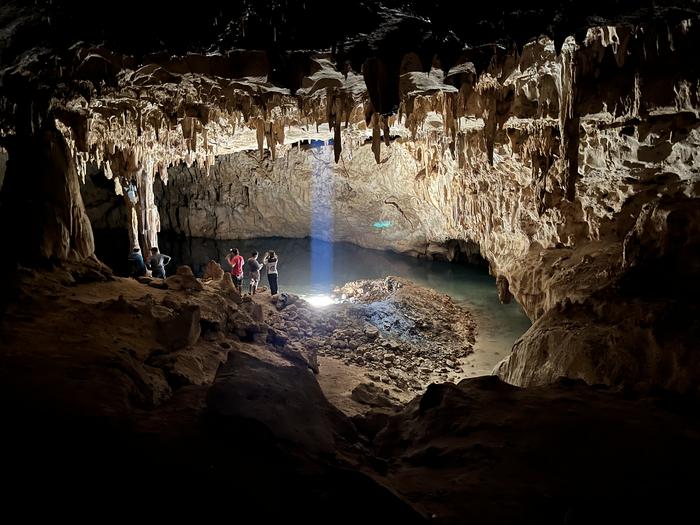
Archaeologists have long debated why the Maya suffered a period of devastation between A.D. 800 and 1000; dynasties collapsed and populations dwindled. Now, a study of stalagmites has provided clues to what may have fueled the society-wide upheaval.
https://t.co/D0lQqNkbnl
The Native American site of River Bend in Wyoming is particularly exceptional for its 5,000-plus adornment artifacts. The objects, made from bone, stone, ocher, metal, shell, and antler, represent old traditions but also new technologies and styles.
https://t.co/fuh9grnOSJ
𝗛𝗮𝗽𝗽𝘆 𝗡𝗮𝘁𝗶𝗼𝗻𝗮𝗹 𝗡𝗮𝘃𝗮𝗷𝗼 𝗖𝗼𝗱𝗲 𝗧𝗮𝗹𝗸𝗲𝗿𝘀 𝗗𝗮𝘆
Today, we observe August 14 as National Navajo Code Talkers Day. This is a special day to honor the bravery and sacrifice of our Navajo men who developed an unbreakable code using Diné Bizaad during World War II.
It’s a day to celebrate their heroic contributions to U.S. military history and to educate others about their extraordinary legacy.
Today, only two of these brave men — Thomas Begay and Peter McDonald — are still living.
To honor this as a Nation, we still proudly speak the Navajo language. Preserving our language remains a core priority for me, which is why I signed an executive order that marked our Navajo language as the official language of the Navajo Nation.
We as a sovereign nation would not be here without your heroism and courage.
Ahéhee’
-Navajo Nation President Buu Nygren
“Black drink,” made from a soupy, caffeine-rich brew of yaupon holly leaves, has been used by North American indigenous people in rituals for thousands of years. It tastes like a cross between coffee and cough medicine.
https://t.co/9qzRR7HA62
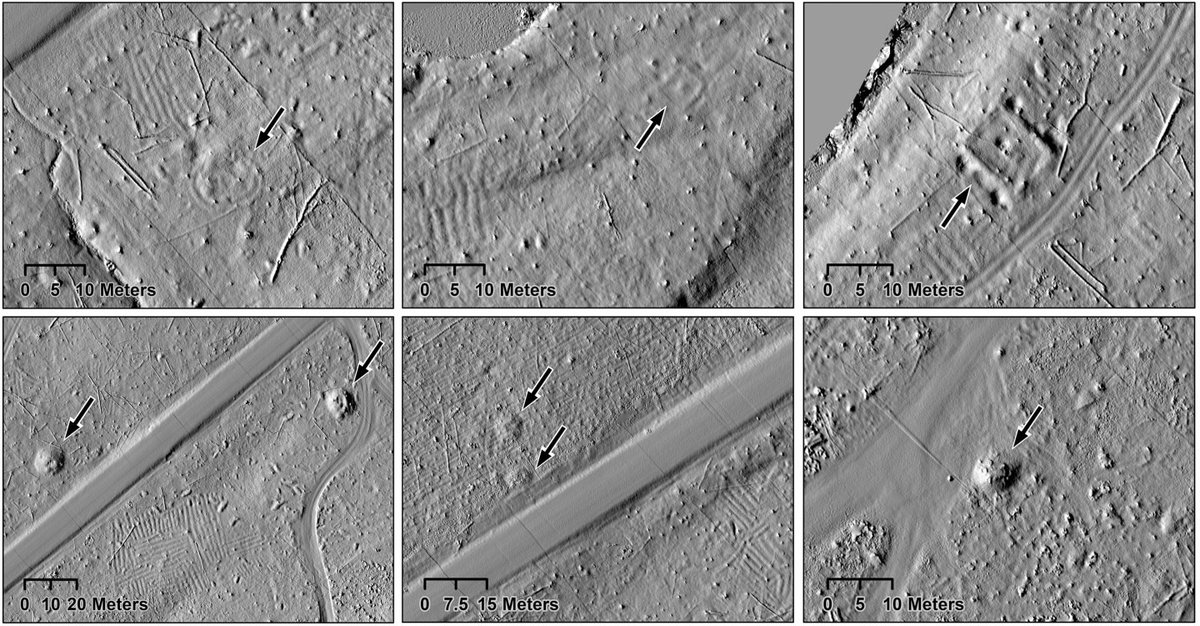
A lidar survey of Michigan’s Upper Peninsula has revealed evidence of extensive ancient farming, including at the Sixty Islands archaeological site, where the ancestors of the Menominee Tribe grew crops between A.D. 1000 and 1600.
https://t.co/tcpJog9AvA
A study of all of the known peach pits excavated from archaeological sites in the American Southeast has suggested that the fruit didn’t spread on its own but was first cultivated in Georgia by people ancestral to the Muscogee between 1620 and 1645.
https://t.co/6JXIgJ2v0b