For a second analogy, think of a laser cavity. Light of a particular wavelength is amplified (via stimulated emission) in the laser tube. The ends of the tube are mirrors reflecting the light into the tube building power. But light leaks through the mirrors nonetheless.
Rossby waves reflect & evanesce when they travel in the atmosphere meeting winds they cannot pass through (like the polar vortex after it breaks down). This general characteristic of waves is called total internal reflection and waves can leak through if the barrier is thin.
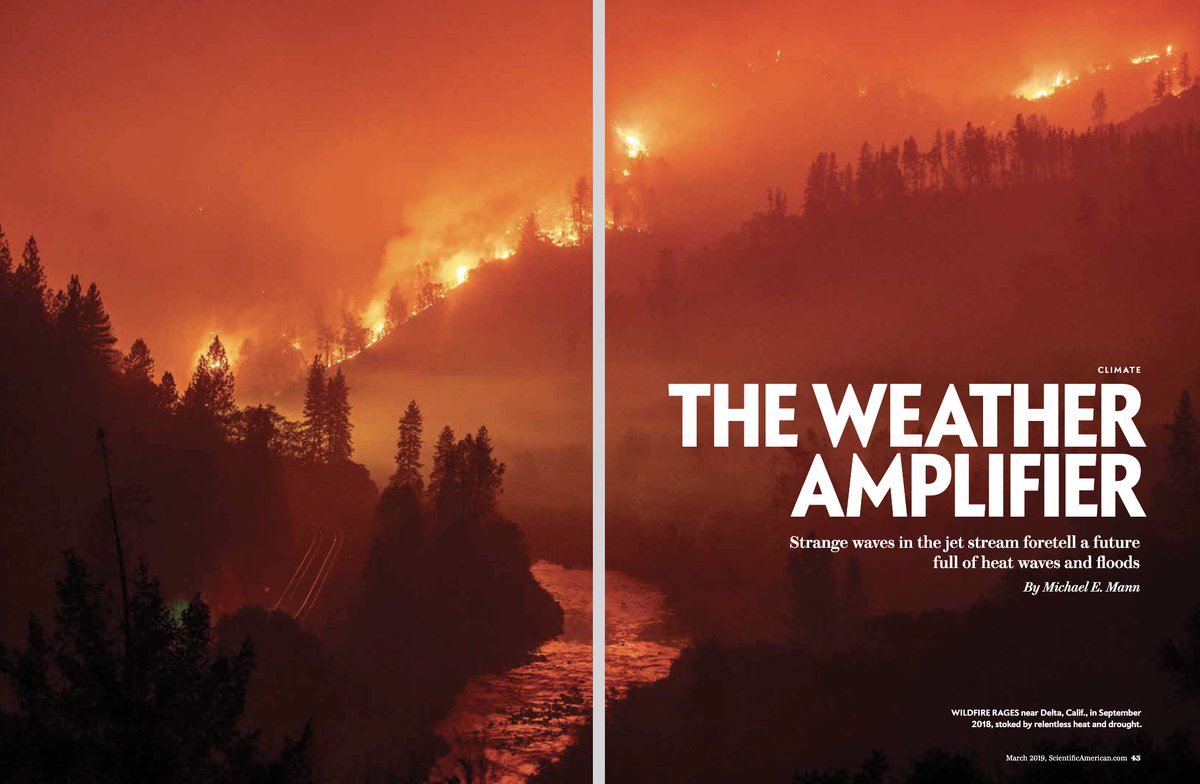
I wrote an article ("The Weather Amplifier") about the phenomenon of resonant amplification of the jet stream and impact of climate change six years ago in @SciAm (for the physics nerds, there's a discussion of the tie-in with quantum mechanics): https://t.co/ZBw4I7s4BT
📢Do not forget to register for next week's webinar
📅23 April⏰2pm (14:00) CET 🔎Simon Klein from Office for Climate Education will talk about #educational#resources around climate extremes and especially XAIDA
📌Details and regsitration👉https//xaida.eu/xaida-webinar-17/
Great little video from the BBC about the Polar Vortex and how it can influence wintertime weather. It would be really good to have more of these sorts of explainer videos out there.
https://t.co/IXWKHyYpd4
@mikeharrisNY@skdh Modern Large Language Models are copied from the neuronal structures within the brain. So it is more like a modern computer AI is a “toy brain”.
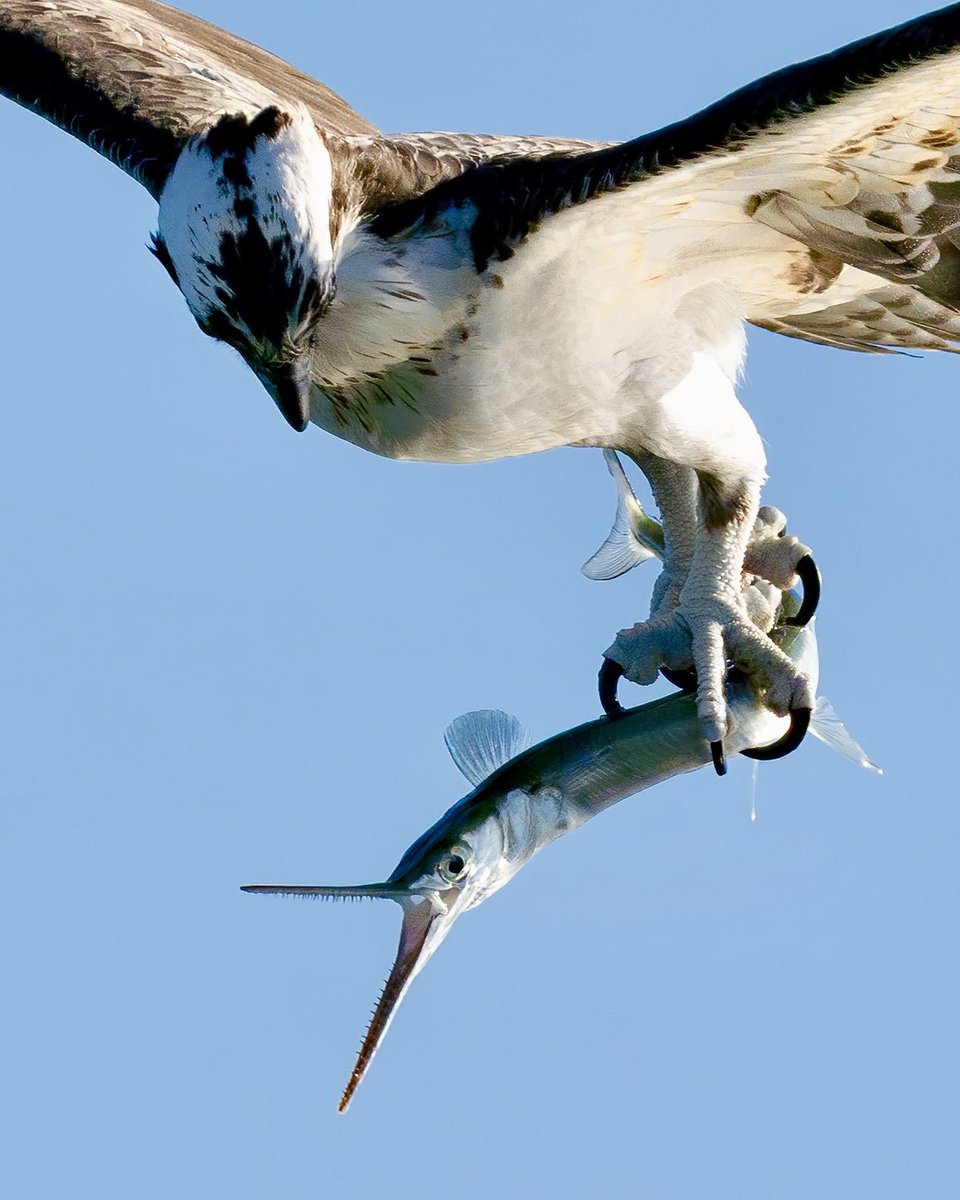
I have seen Ospreys grab so many different things. One fish, two fish, red fish, blue fish. For a while, it was a goal of mine to complete the Dr. Seuss Osprey challenge, and I’ve happily done it many times since, but I never tire of seeing what they catch. To me, it’s just as fascinating as seeing them fall out of the sky, and when they are fishing in the Atlantic Ocean, you never know what they will come up with, and sometimes the bird glances down and seems surprised at what it managed to wrangle from the sea. The needlefish is always one of my favorites. This fish usually fights and bites back and always makes for a great photograph, as you can clearly see here. Glad I’m not a fish.
🆕 Next webinar: February 18th, 2025 at 2PM (14:00) CET
@Ajezeq will talk about ‘Broadening the scope of anthropogenic influence in extreme event attribution?’
💡Ref.: Jezequel et al. 2024, Environ. Res.: Climate 3
🔎Details & registration 👉 https://t.co/GsS2LZRDxp