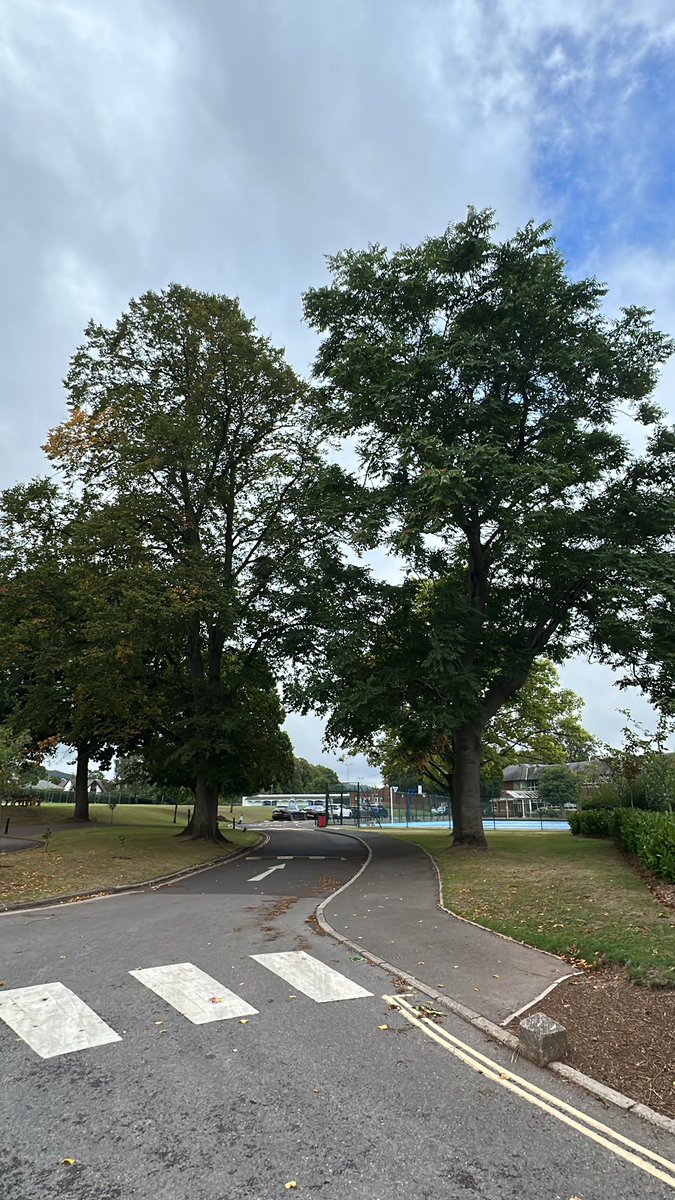
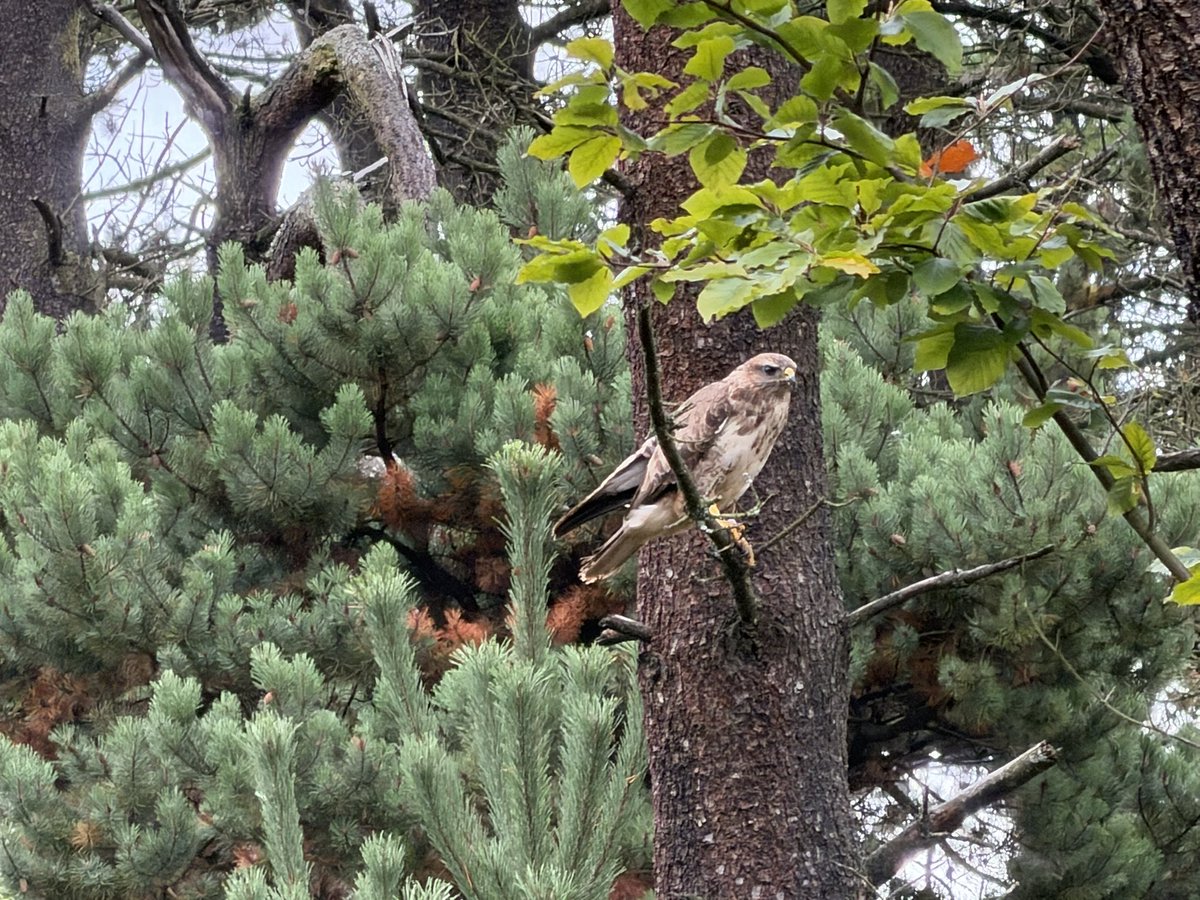
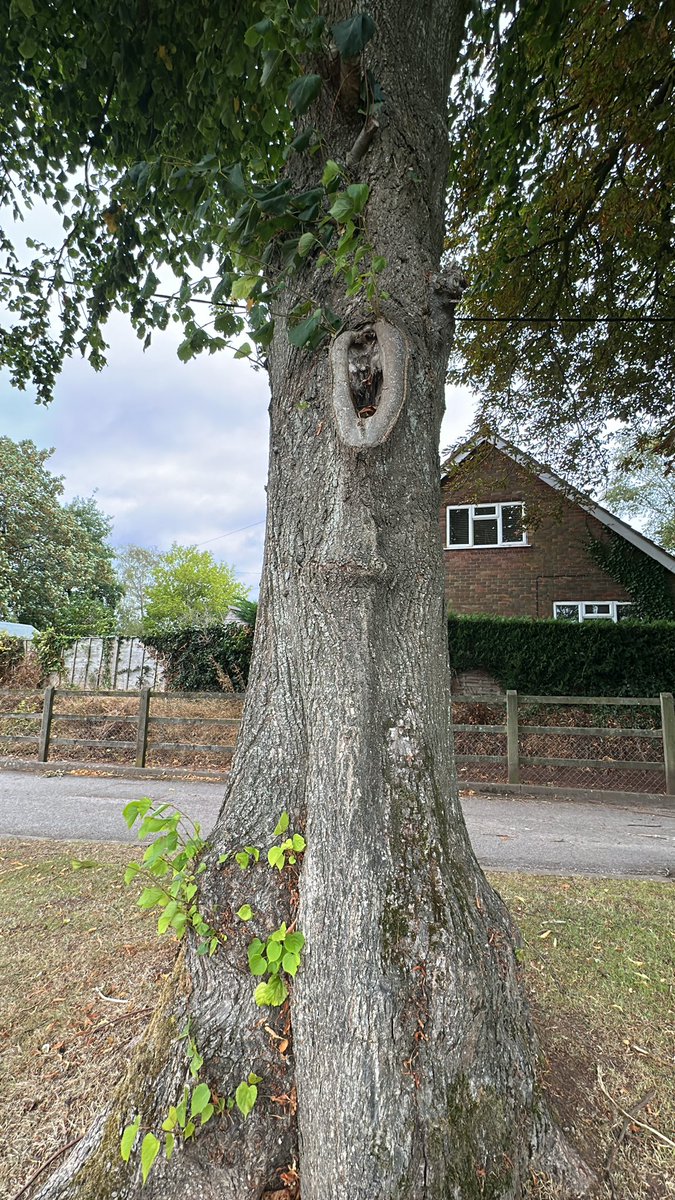
Bat roost season might be over, but preliminary roost assessments (PRAs) carry on all year. Autumn and winter are a great time to check buildings and trees before spring planning applications. #bats#ecology#Somerset#Dorset
RFK Jr. exposes why Gluten Allergies skyrocketed...
“2006 marks the date when suddenly these gluten allergies began exploding... celiac disease & wheat problems... you can draw a red line: 2006—the year they began spraying GLYPHOSATE on wheat as a DESICCANT.”
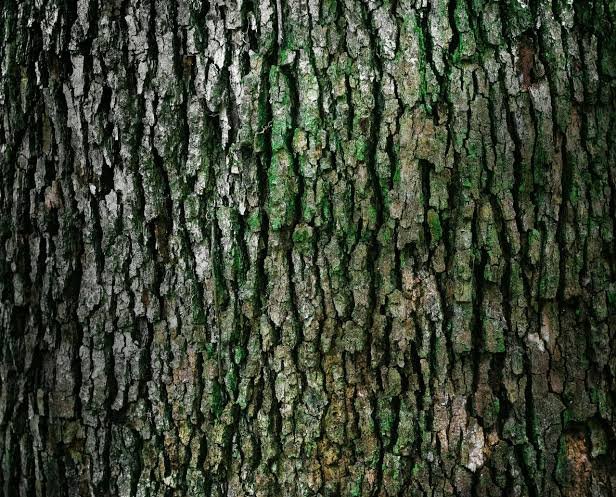
Tree bark is secretly eating methane.
Scientists discovered that the world’s forests absorb 25–50 million tons of atmospheric methane every year through their bark.
Trees just got 7–12% better for the climate than we thought. Nature’s been quietly saving us this whole time.
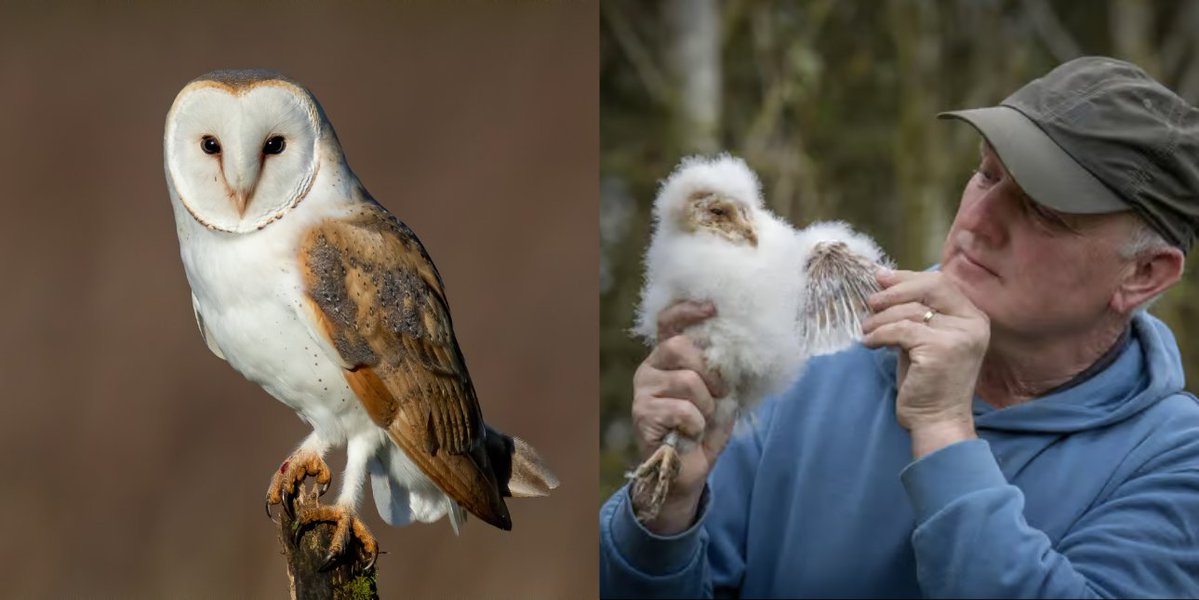
Somewhere between 75 and 80% of Britain's barn owls now have to nest in a box somebody built for them. One man has built 350 of them.
The reason the number is that high is that almost everything they used to nest in is gone. Hollow trees came down. Old barns got converted into houses or replaced with sealed steel sheds.
The rough field margins where voles live got farmed right to the edge, so even where a bird finds a site there's often nothing to feed a brood.
Add road deaths and rodenticide moving up from poisoned mice, and the species spent most of a century sliding toward extinction.
Robert Salter, a bricklayer from Camerton in East Yorkshire, has been working to save the barn owl for 35 years. He has no grants, no formal organization, no funding. He started at 21 after watching a news segment about a man in Lincolnshire putting up owl boxes.
Every June he takes four weeks off work, unpaid, and does the rounds with his wife Sue. Up ladders into farm sheds and trees, checking boxes, repairing them, weighing and ringing owlets under a British Trust for Ornithology license. He built a brick owl tower in his own garden, and a pair in it raised five young this year.
Last season he ringed 308 owlets. The year before it was 95.
That jump was mostly due to voles. Barn owl breeding tracks field vole numbers, which boom and crash on their own schedule, and 2025 was a boom year in his patch. Across the rest of England it was a poor season, dry spring, thin grass, not enough cover for voles.
That's what a box does. It doesn't create owls. It makes sure that when the food is there, there's somewhere to raise a brood, and the good year actually converts into more birds.
"I don't see it as a hobby," he told the Yorkshire Post. "I see it as my duty. As long as I can keep doing it I will keep doing it."
Monsanto patented glyphosate as an antibiotic in 2010, and your gut is bacteria.
It kills a weed by blocking one pathway, the shikimate pathway. Humans do not have that pathway, which is the entire safety argument, printed on every bottle for fifty years.
Bacteria have it. The bacteria in your gut have it. So the company that sells the weedkiller took out patent 7,771,736 to sell the same molecule as an antimicrobial, and got it.
It was patented first in 1964, by a different company, as a chelator. A chelator grabs minerals and will not let go. Iron, zinc, manganese, magnesium: it binds them in the soil, which is why it kills the plant, and it binds them in whatever eats the plant.
It is sprayed on wheat, oats and barley a fortnight before harvest, to kill the crop on purpose so it dries evenly for the combine. Which is why the highest residues in the shop are in porridge, bread and cereal, and why the steak has none.
The CDC tested 2,310 Americans and found it in the urine of 1,885 of them. In the children, 87 per cent.
In 2015 the World Health Organisation's cancer agency classed it a probable carcinogen. Bayer bought the company in 2018 and has paid out more than ten billion dollars to people with lymphoma since.
Not one loaf on the shelf has changed.
So the nation eats an antibiotic with its cereal, a mineral chelator with its toast, and is told the red meat is the cancer risk.
The bullock in that field ate grass. Nobody desiccates a pasture a fortnight before something eats it.
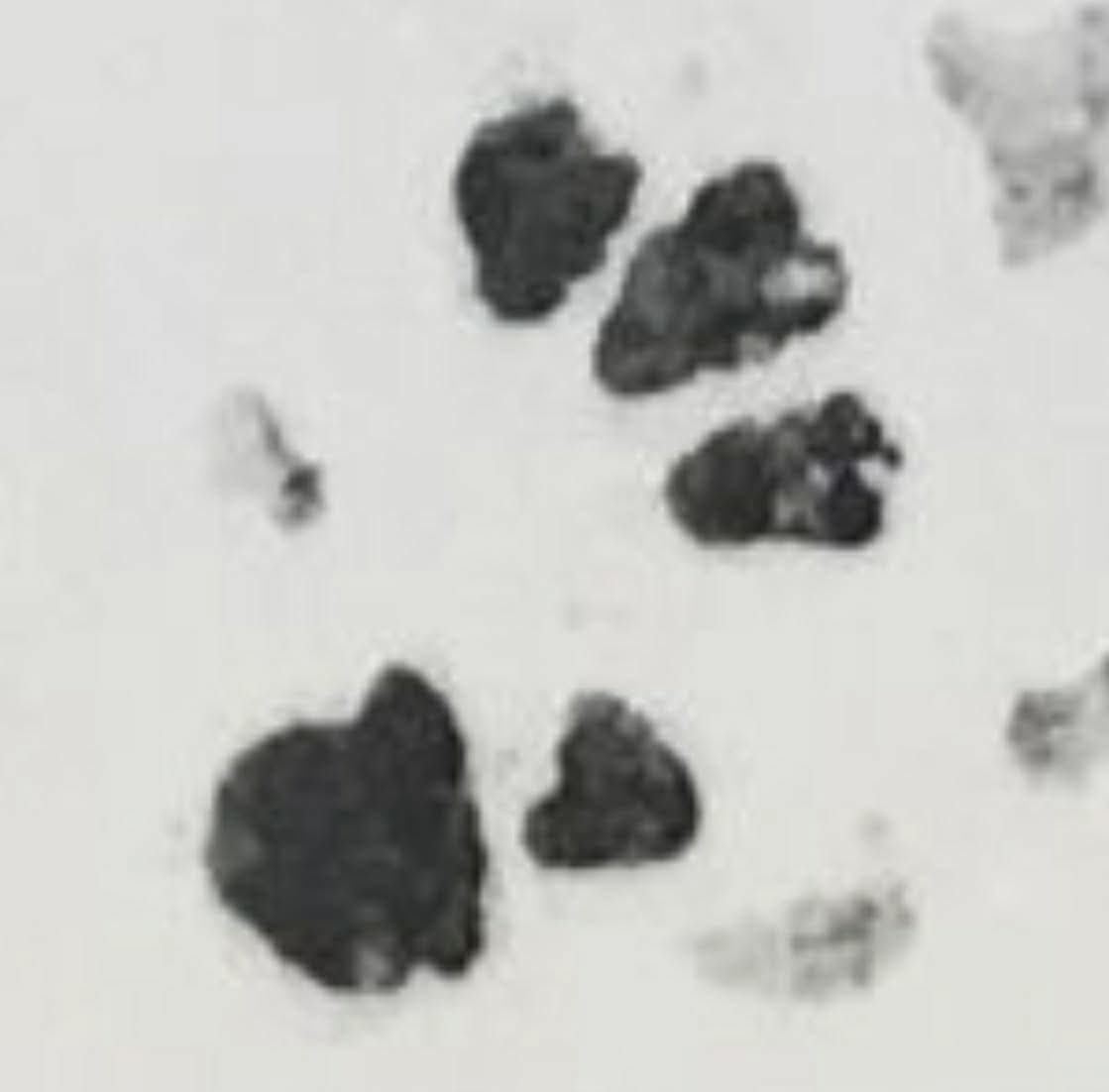
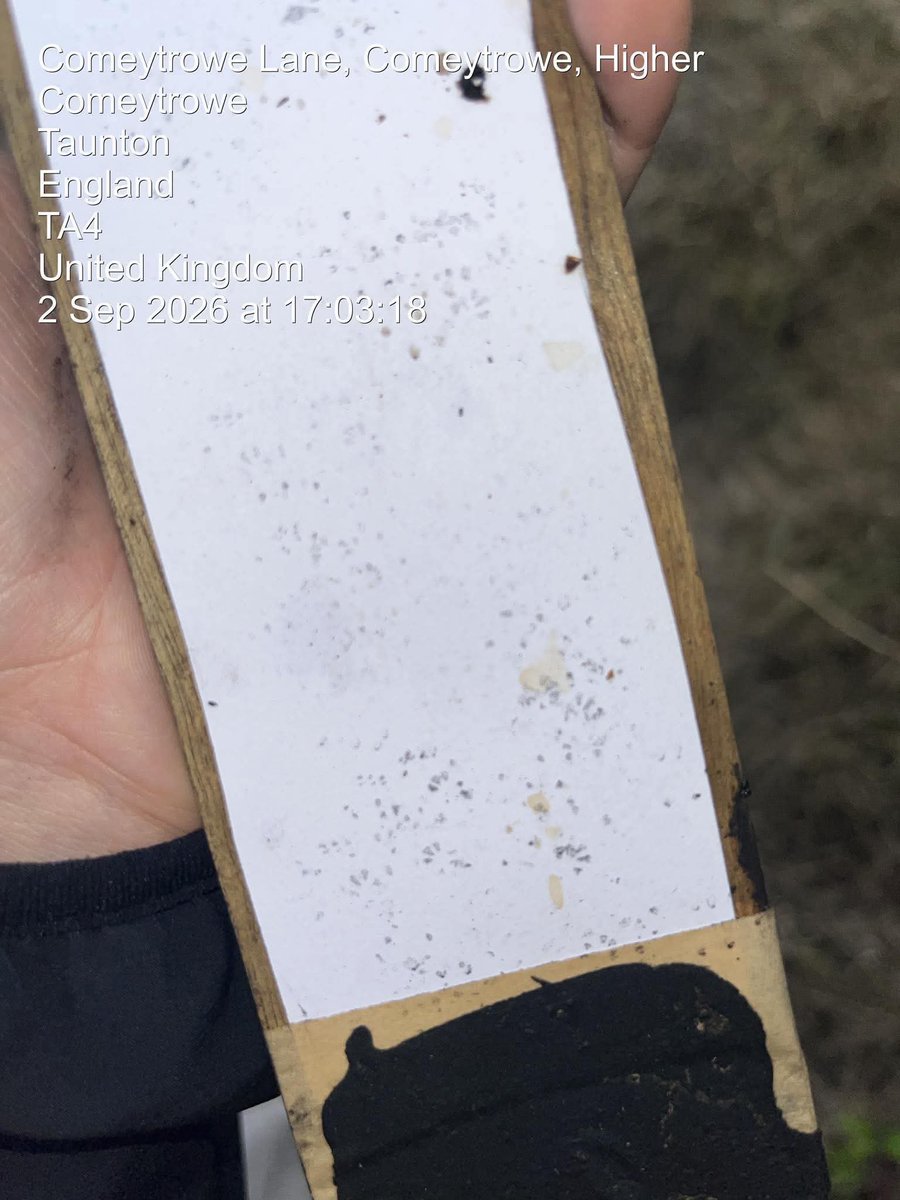
Yesterday we did a ~ 200 tree survey at a private school & a Hazel dormice (HDM) survey in Somerset, and today it’s going to be another HDM survey and later a bat PRA & possibly an emergence survey in Hampshire & West Sussex.
Busy bunnies.