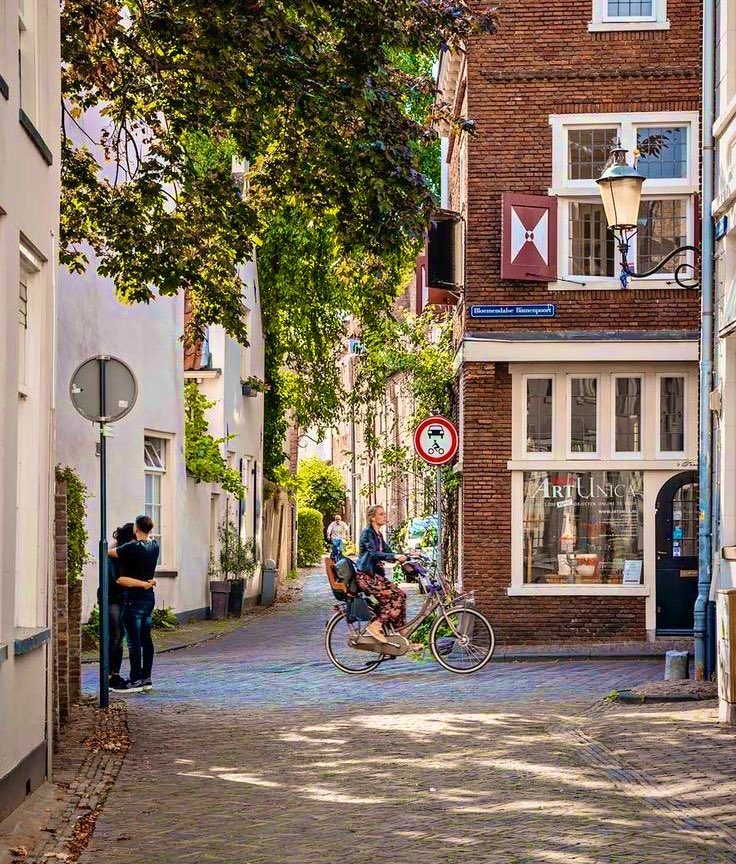
A key lesson from Dutch cycling history is cities didn't start with protected lanes. They began by making streets safer and more inviting—with lower speeds, parking restrictions, traffic filters and reduced through-traffic to create an environment in which bikes could flourish.🧵
When we change the question from how many cars can fit through this street into how many people can it move.
This street now serves 30.000 cyclists on an average week day. Plus thousands of bus passengers and pedestrians.
(🎞️ of Vredenburg, #Utrecht🇳🇱 by @BicycleDutch)
When you design urban infrastructure to feel safe, enjoyable, and inviting, you'll find that people will use it and leave their cars behind.
If you don't see people walking or on bikes, it's not because they don't want to, it's because your urban landscape is hostile.
Oxford Street is going traffic-free.
I’ve given the green light to transform it into a world-class, fully accessible pedestrian avenue. The heart of London, reclaimed for people.
https://t.co/CK8XbT95l3
Die schönsten Aufnahmen aus dem verschneiten Europa kommen mal wieder aus Utrecht. Ich liebe alles daran. Es zeigt, dass nicht "schlechtes Wetter" die Menschen vom Fahrradfahren abhält, sondern allein schlechte Infrastruktur🙏❤️
Video von @BicycleDutch
40 changements de Paris en deux minutes, vidéo de 2023 après une vague de travaux. Notez que les "après" ont souvent peu de vert encore. A l'époque, pas d'accusation de "retouche". Depuis, les rues sont plus vertes, mais l'IA existe, et les opposants parlent de "manipulation" :)
🚗 The illusion of a large parking lot:
While the trip to a suburban mall might actually be longer than to a restaurant downtown, the layout of the parking lot tricks us: the store entrance is visible, making the distance seem shorter.
(🎞️ by @streetcraft__)
Redesigning city streets to support human behavior isn't rocket science. But it does take a willingness to challenge the status quo assumptions about public space.
📹 Transport Infrastructure Ireland
Dodici regole, semplici e chiare, a Vilnius per progettare e ridimensionare la viabilità...
A Roma c'è ancora chi pensa sia necessario allargare le strade per rendere più veloce il traffico delle auto.
Tutto nacque da quella bicicletta , quando la madre macinava chilometri per portarlo al #RosarioCentral
Ora ci è arrivato lui, dopo diciotto anni di una carriera straordinaria.
Angel #DiMaria, di nuovo a Rosario
Amsterdam closed parts of its A10 ring road for a city-wide birthday festival — and what many feared would cause gridlock turned into a joyful, car-free celebration with 250,000 attendees.
🚗 No chaos.
🧑🔬 No traffic collapse.
🎶🌞🏙️ Just music, sun, and a reimagined city.
High volumes of car traffic degrade neighbourhood cohesion, reduce informal social ties, and weaken the liveability of streets.
Conversely, calmer streets encourage stronger community bonds and better quality of life.
(📜 Donald Appleyard, 1981)