Welcome Rob Mooney to PRI! 🎉 Rob recently joined the @illinois_river team at the @INHSIllinois. Get to know Rob by reading our recent interview with him: https://t.co/RDtfrHMJxs
#PeopleofPRI
This study highlights some of those ecological costs to consider when balancing the use of our rivers as significant navigation corridors AND significant ecosystems.
Article:
https://t.co/4HkeK2RgDP
Data:
https://t.co/eYQ8fwsdkQ
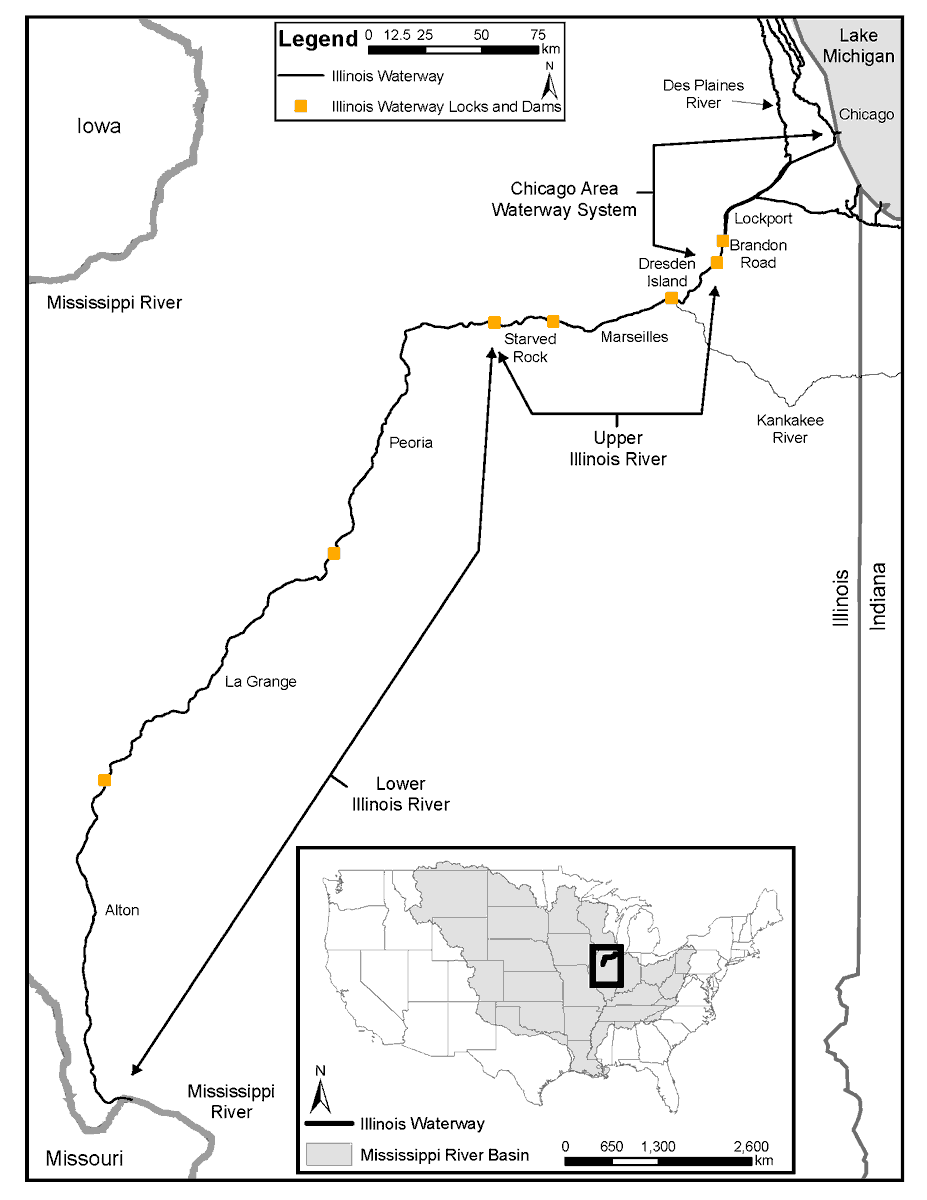
Crews across federal, state, and academic partners collected thousands of water quality and fish community samples before, during, and after the lock closure - a true multi-agency monitoring effort.
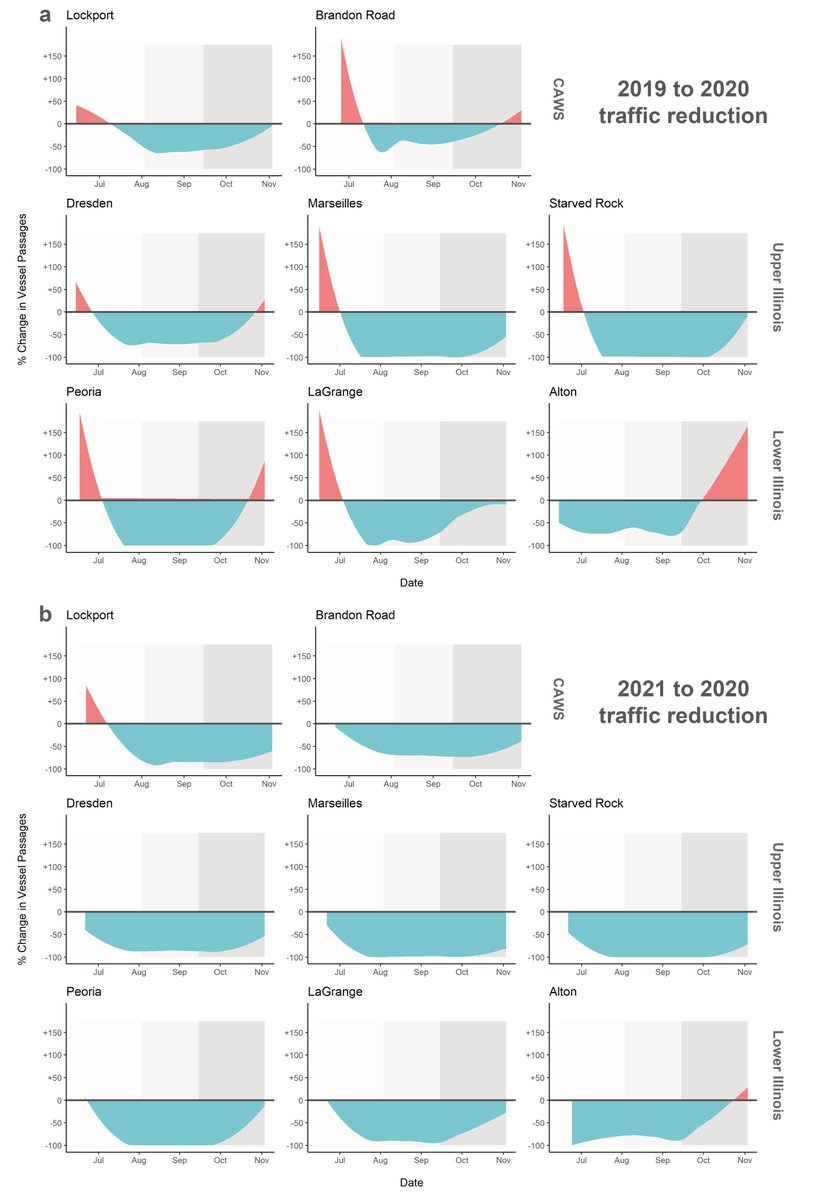
The BACI results were clear: turbidity declined when traffic declined
Fish responded, too!
When traffic declined, metrics of rheophilic fishes and fishes particularly sensitive to underwater sound increased in 'impact' areas relative to 'pseudo-control' areas. And gizzard shad!
Not all life history groups responded, though. Context-dependency!
When traffic halted on the Illinois Waterway, crews at @illinois_river quickly organized monitoring across hundreds of river miles to leverage this rare opportunity to study the impacts of vessel traffic on a river ecosystem.
When Illinois Waterway locks closed in 2020, a busy riverine shipping corridor ground to a halt. The river responded.
The vessel traffic pause led to improved water quality and a redistribution of fishes.
Read about it in our OA @STOTEN_journal article from @INHSillinois@USGS
River barges are a low-carbon means of long-distance shipping (90% more efficient than trucking and 30% more than rail) and so the shipping capacity of our rivers is expanding around the world to meet climate goals.
But the ecological cost of busier rivers is difficult to study.
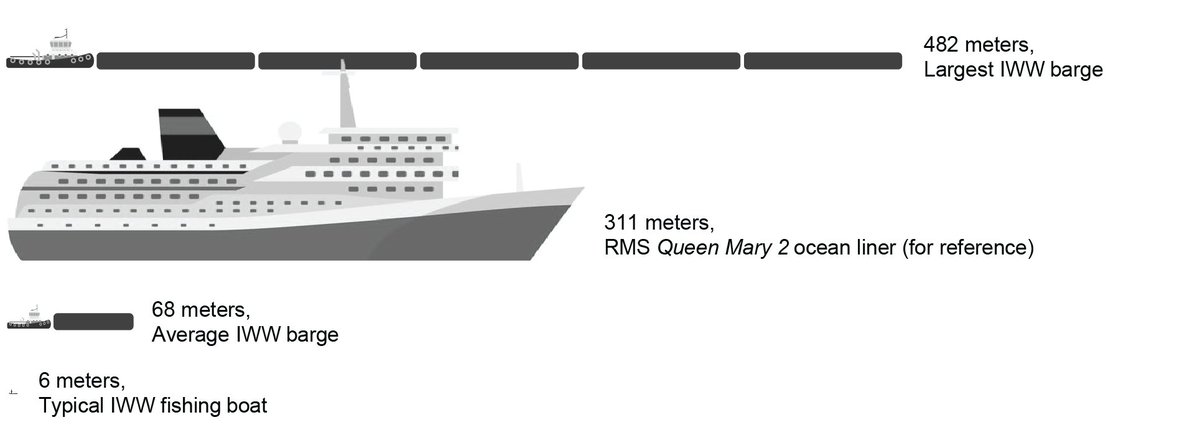
In normal years, enormous barge complexes - the size of ocean liners - churn up and down the Illinois Waterway, connecting the major economic hubs of the Great Lakes to the Gulf of Mexico. Huge propellers churn up sediment and wakes.
That intense traffic nearly halted in 2020.
I’ve been dreaming of this paper for a decade. One PhD and one postdoc later, here it is!
What do ecology and evolution look like in a 20-year freshwater time series? Turns out they blur together.
@sarilog@quendi @archaeal @USLTER@NSF@jgi
https://t.co/4ns99z4k1r
Sleeper Populations and Climate Change| Sleeper populations of invasive species can exist in low numbers until an environmental change triggers the population to increase. For example, increased water temperature under climate change. Learn more: https://t.co/x2CJZfQB2x
IRBS is looking to hire a PhD student to help study Shovelnose Sturgeon population demographics on the Rock River. For more info check out the link below!
https://t.co/8Dai9tdgPi
@INHSillinois@PrairieResInst
@EcoInvasions Took my nephew to @EvergladesNPS today. Park signs still boast a diversity of mammals; we saw only herps & birds. Ranger said it was once common to enjoy river otters on our hike but assured us we wouldn’t spot any today. Owen is <2 yrs old and already bummed out about invasions
I am so happy that this paper is out as a preprint (and submitted to journal)! Such a fun experience analysing the long-term @USLTER data by @WiscLimnology, and trying to understand what happened to oxygen after spiny invasion
Great paper by @Matthew_P_Adams et al in @Ecology_Letters who assessed pop models w/ time series: "we do not need to wait for models to produce well-constrained predictions before we start using them to inform decisions" 🤩🤯
https://t.co/yIsVPmurCe
🗞️#244-2022
We are seeking two technicians to help with aquatic macroinvertebrate research on the Illinois and Mississippi rivers! This position will be 40 hours per week and will be based in Macomb, Illinois.
Apply by 3/15 ➡️ https://t.co/cDKXH1MyFn
@INHSillinois@PrairieResInst