Cool!!! @zefrank features some of our lab's work on gall wasps & their parasitoids! The last time they featured our work, the video got over 1.7 million views! #biodiversity@RiceUniversity (cc-@FuSchmu)
"True Facts: Parasitoid Wasps" https://t.co/L9XkyflKEN via @YouTube
I wrote a spooooky piece about parasitoid wasps, viruses, and prospects for fruit fly pest control for @ConversationUS
(ok spooky is a stretch)
https://t.co/da1zwdKRb4
Come talk with me about our published and unpublished work on a new #braconid wasp at #EntSoc24!
D3543: First record of a parasitoid wasp using adult flies as hosts https://t.co/kkLXWbpYut
It's Giving Day at the University of Wyoming, and they are running a fundraiser in support of the UW Insect Museum and Gallery. Gifts of all sizes are appreciated and support efforts to discover and name the obscure little insects in the world!
https://t.co/OpdpNh4KBd
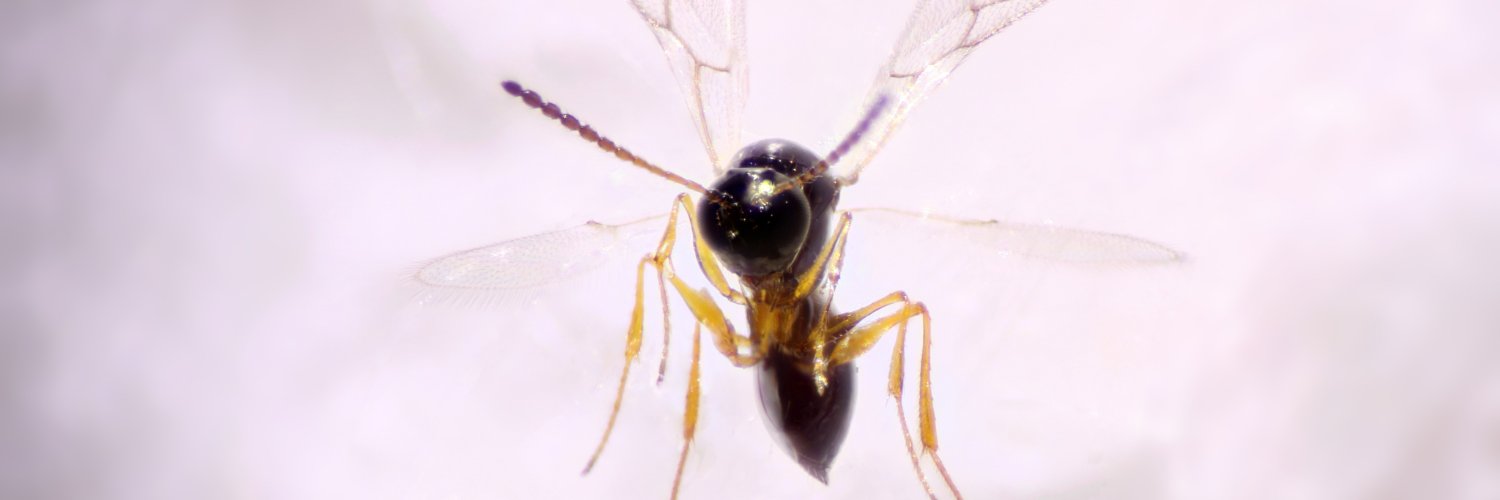
The 2 mm #braconid parasitoid wasp, Syntretus perlmani. This is about the best I can do...she needs a proper photographer (and/or a much bigger host!) #euphorinae#entomology#parasitoids
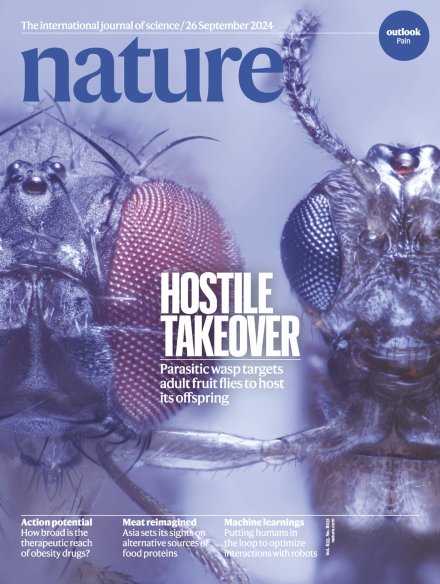
The life strategies of #parasitoids are stunningly diverse, but no wasps that attack and develop inside adult flies have ever been described. Our article describes the first one. Its hosts: Drosophila melanogaster and other species of #Drosophila#Entomology#Braconidae
Thanks @NaturePodcast for having me on! We talked about a new #braconid wasp species that uses adult Drosophila flies as its host. Fly lovers be warned, this timelapse of #parasitoid wasp larval emergence is in #natureismetal territory. Link to the episode below.
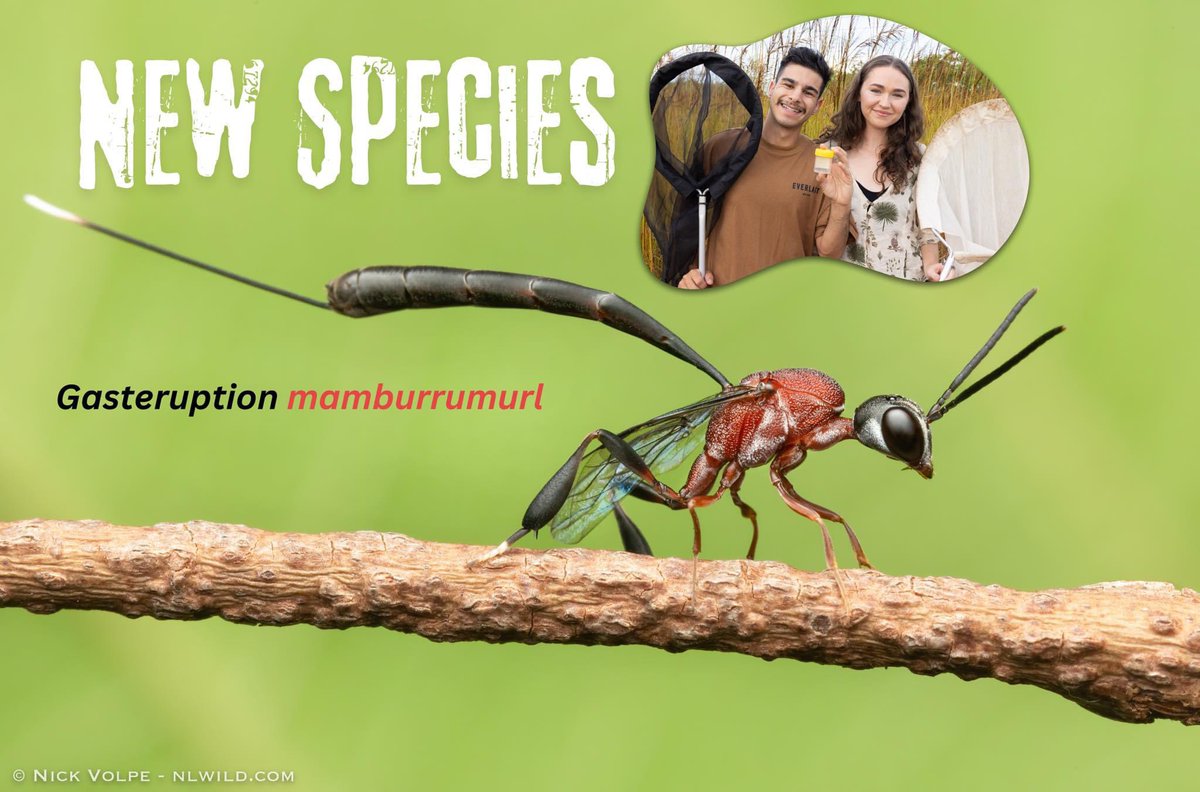
We are proud to announce this incredible new species of Ghost Wasp, the Mam-Burrumurl Wasp! 🖤❤️
Found in Jawoyn Country in the beautiful landscape of Leliyn in Nitmiluk National Park, the name ‘mam-burrumurl’ translates to Ghost Wasp in Jawoyn language! ☀️(1/3)
@C_Blei@NKWhiteman sorry for the lack of clarity, Christoph. it seems the abstract, which specified (Braconidae: Euphorinae) was replaced with the Nature "summary" paragraph. maybe too much overlap between the two, or the taxonomy was deemed too niche for the abstract.
@duplouy_anne we are seeing more behavioral variation. some females are absolutely voracious ovipositors. I would not be surprised at all to see a few oviposition attempts into a larval host. and it would be fascinating if wasp development is successful in those cases!
@duplouy_anne great question, the short answer is I don't know for sure, we haven't done a proper experiment. I have given drosophila affinis pupae to one wasp in small numbers did not seen any oviposition or infections come out of it. but now that we have dozens of wasps instead of a handful,
The first works on syntretine host biology were published in the 1950s and 60s, but they've not been successfully cultured for laboratory study. We have the species in the lab and would be thrilled to share the line with others!
The new species belongs to the subfamily #Euphorinae known for the unusual strategy of attacking adult insects. This is Syntretus perlmani, new member of a genus known previously to parasitize adult bees and wasps. Named for our colleague and friend, Dr. Steve Perlman.