The superficial scholar is a later scholar. He was shaped by selective readings, by decades of convenient interpretations of complex traditions, and by an intellectual economy that rewards provocative conclusions over rigorous scholarship. He prefers distance from anyone who asks for primary sources, historical context, or evidence that challenges his narrative.
This is an illogical take by @indiainpixels.
Going by the vedic orthodoxy view of sanatana dharma he is subscribing to, temples themselves are not a vedic idea and then he asks for building a temple.
Only when you are able to do samanvaya (which most followers do effortlessly as it is just parampara for them) of the vast amount of vedic literature (this includes veda shrutha, veda anusaari, veda aviruddha) then you are able to frame the correct questions in the first place.
Indra was never abandoned. Indra was, and is still, worshipped and honored through the yajñas. Indra worship technically never stopped in Hinduism, even if you adopt a historicist lens. It was through yajñas that Indra was honoured ; and it is still through them that Indra is still honored in the same way, down to every syllable. The continuity is not a metaphor. It is literal.
The people whom @indiainpixels is accusing of neglecting Indra worship, are also the same ones who spent millennia memorising, transmitting, and painstakingly protecting every syllable of the Vedic hymns praising him so carefully that, so that now he can open a PDF and pretend that he has discovered Indra for the first time.
In fact, if @indiainpixels adopts the same historicist approach, even temples and idols came much later in Hinduism. So, building temples to Indra is like a puranic method to worship a vedic deity. Why do does he then want to corrupt Indra worship through later day puranic methods?
@indiainpixels , If you really want to honour Indra exactly the same way he was honored in the Vedic age, you should actually sponsor the vaidikas who conduct yajñas and make them perform more and more of those yajñas.
@halleyji thoughts?
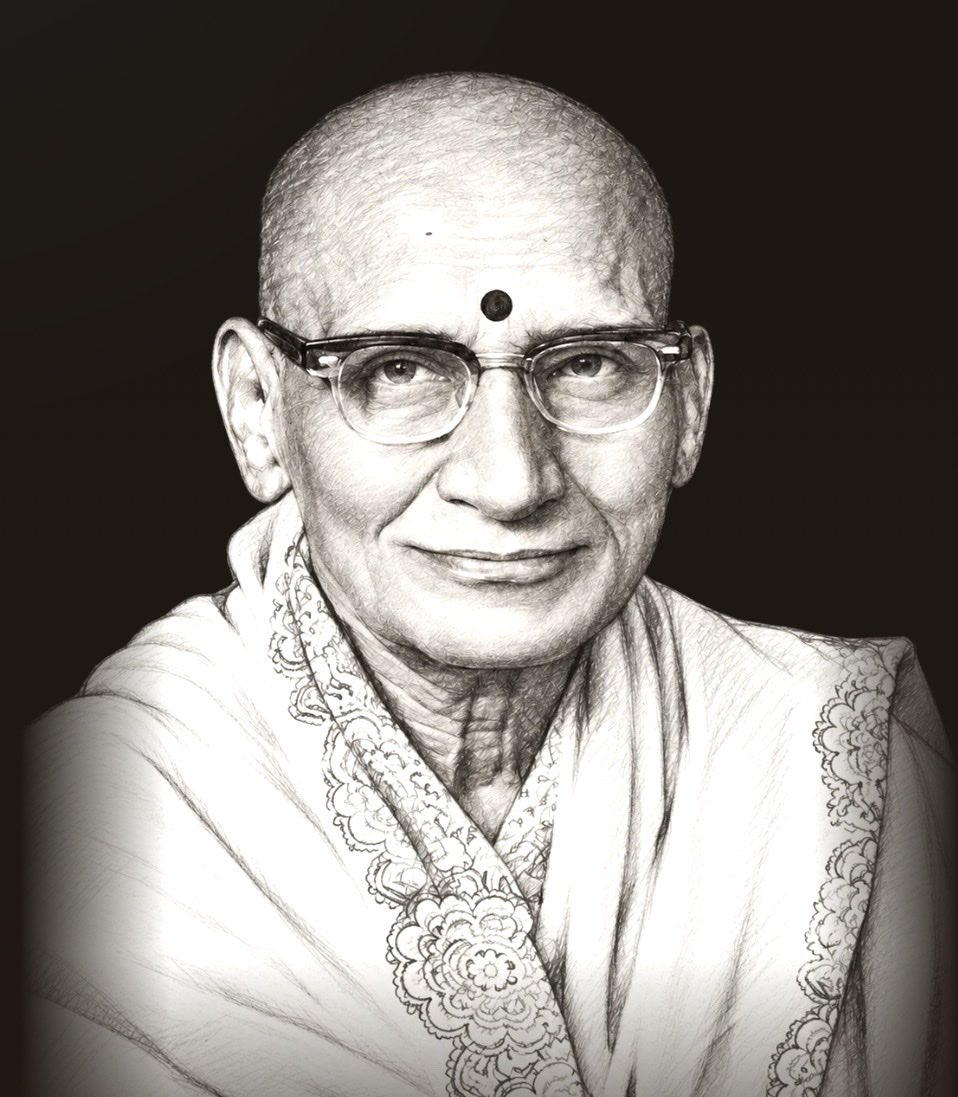
Today is the 131st Jayanthi - Bhādrapada Bahuḷa Ṣaṣṭhi of Kavisamrat Viswanadha Satyanarayana.
Launching his website - Telugu and English
https://t.co/Q5yXoQ26om
జ్ఞానపీఠ పురస్కార గ్రహీత, ‘కవిసమ్రాట్’ విశ్వనాథ సత్యనారాయణ గారి 131వ జయంతి (భాద్రపద బహుళ షష్ఠి) పురస్కరించుకుని ప్రారంభించిన వెబ్సైట్.
Do share your feedback.
> jsonCraft is live in beta 🚗
Build tiny interactive ASCII worlds with JSON and embed them on the web.
The driving demo was inspired by the legendary @bruno_simon portfolio
Still early. Go play with it and break things!
Best experienced on desktop 🖥️
https://t.co/HiMYsJ0wux
I can’t stress enough how little an idea matters compared to the agency of the people executing the idea.
I have had the privilege of knowing and sometimes even working with some of the most successful people (by various metrics).
The difference between mediocre and excellent work and outcomes is predominantly one of agency.
In practice this means: they dont wait for things to happen to them they go out and make things happen for them.
They don’t wait for someone else to do something, for someone to teach them, for someone to give them the path, etc. They just go out and find a way to do it.
I think the single biggest superpower these people have is the realization/belief that the world around them is completely mutable. Most everything that happens is because a person made it happen.
I used to tell people to look around the room you’re sitting in. Look at everything. Every noun. It almost all exists because a person willed it into existence. Nothing is stopping you from doing the same.
I see people online all the time dismissing someone else’s success because “I had that idea first” or whatever. I mean… yeah? If so then the difference is… you. So a bit of a self own whenever I hear that.
Number one tip: act with agency.
New art project.
Train and inference GPT in 243 lines of pure, dependency-free Python. This is the *full* algorithmic content of what is needed. Everything else is just for efficiency. I cannot simplify this any further.
https://t.co/HmiRrQugnP
💡The power of OpenClaw shines when you use it to run background coding agents.
It’s 100% self-hosted, secure, and controllable from your phone.
Let’s say you have a VPS. You install Docker and spin up these three containers:
• Authelia (2FA in front of your apps + OpenClaw gateway)
• Caddy as reverse proxy
• OpenClaw
Now you control the whole setup using a Telegram bot. You also have two or more preconfigured routes protected by Authelia:
app1.mydomain.* → openclaw-container:3001
app2.mydomain.* → openclaw-container:3002
I don’t open an IDE first anymore.
I tell the agent what to build.
Whenever I want to see something running, I just message the bot: "Spin up the React dashboard on port 3001", and follow up through Telegram.
This is the closest I’ve gotten to having my own private AI dev team that never sleeps.
#SelfHosting #AI #DevOps #Docker #AICoding #Homelab
The worst thing about developing software is how you have 37 non-reproducible different flaky errors, each of them appearing 0.01% of time.
And you just accept their existence and never fix them.
Chandrayaan-3 Mission:
'India🇮🇳,
I reached my destination
and you too!'
: Chandrayaan-3
Chandrayaan-3 has successfully
soft-landed on the moon 🌖!.
Congratulations, India🇮🇳!
#Chandrayaan_3#Ch3
Doesn’t mean I can’t or won’t find a place for it in my workflow. I’m just trying to figure out how it can fit and still leave the things I really enjoy doing.
@t3dotgg 1. You are missing out on the user base of users who don't have an account with any of the popular providers.
2. Lock-in. What if a user intends to delete their provider account but not the account for your application.