Hot take: it isn’t that hard to understand what internet etiquette should be. Speak and type as if you’re at a party, in public. Don’t say it if you wouldn’t say it to the women in the room across the dinner table from you. If you use that rule, you’ll be ok. We all will. ♥️🙏
הסרטונים מאתר הנובה בשמחת תורה שרפו לי את הבטן. מעגלים, ספרי תורה, שירה מתפרצת בדיוק על האדמה שבה נטבחו מאות ילדים. התגובה הראשונית של רובנו היא אגרוף בבטן: זעם, גועל, תחושה עמוקה של חילול מקום קדוש ואבל של אלפי משפחות. ריקוד על הדם, פשוטו כמשמעו.
אבל כשנרגעים מהעצבים ומנסים להבין מה לעזאזל עובר בראש של מי שנמצא שם בתוך המעגל, התמונה נהיית אפילו יותר מפחידה.
הם לא באו לעשות דווקא. הם לא קמו בבוקר עם רצון להתאכזר למשפחות שכולות או לחלל זיכרון. מבחינתם, הם יצאו למבצע הירואי של "להביא אור לחושך", לעשות "תיקון" רוחני לאותה שבת שחורה, ולהראות שעם ישראל חי ולא נשבר. בראש שלהם, הם הגיבורים של הסיפור.
וכאן בדיוק יושבת הטרגדיה: בצדקנות עיוורת כל כך, שהיא מוחקת כל טיפה של רגישות אנושית בסיסית.
כשקבוצה חיה שנים בתוך בועה סגורה, שבה כל המציאות נמדדת אך ורק דרך פריזמה של "גאולה", "קידוש השם" ומאבק סמלי, העולם האמיתי מפסיק להתקיים. האנשים האמיתיים מפסיקים להתקיים. הכאב הפצוע, השותת, של קהילת הנובה ושל ההורים שאיבדו שם את הילדים שלהם הופך לרעש רקע שולי לעומת המשימה הנעלה. האמפתיה מתנוונת. אין שום יכולת לקלוט איך המעשה הזה נראה ומרגיש למי שלא חולק את אותה אמונה יוקדת.
אתה לא צריך להיות אדם רע כדי לרמוס מקום של אבל. מספיק שתהיה משוכנע במאה אחוז שאתה מדבר בשם אלוהים, ושכל האחרים סתם "לא מבינים את המשמעות העמוקה".
מתחם הנובה לא צריך תיקונים קוסמיים, הוא לא צריך פטרונות דתית והוא לא זקוק לשום מעגלי שירה. הוא צריך שקט. הוא צריך ענווה. לפעמים המעשה הכי גדול שאדם יכול לעשות מול אסון הוא לא לפצוח בריקוד ניצחון מדומה, אלא פשוט להוריד את הראש, לסתום את הפה, ולתת לכאב מקום.
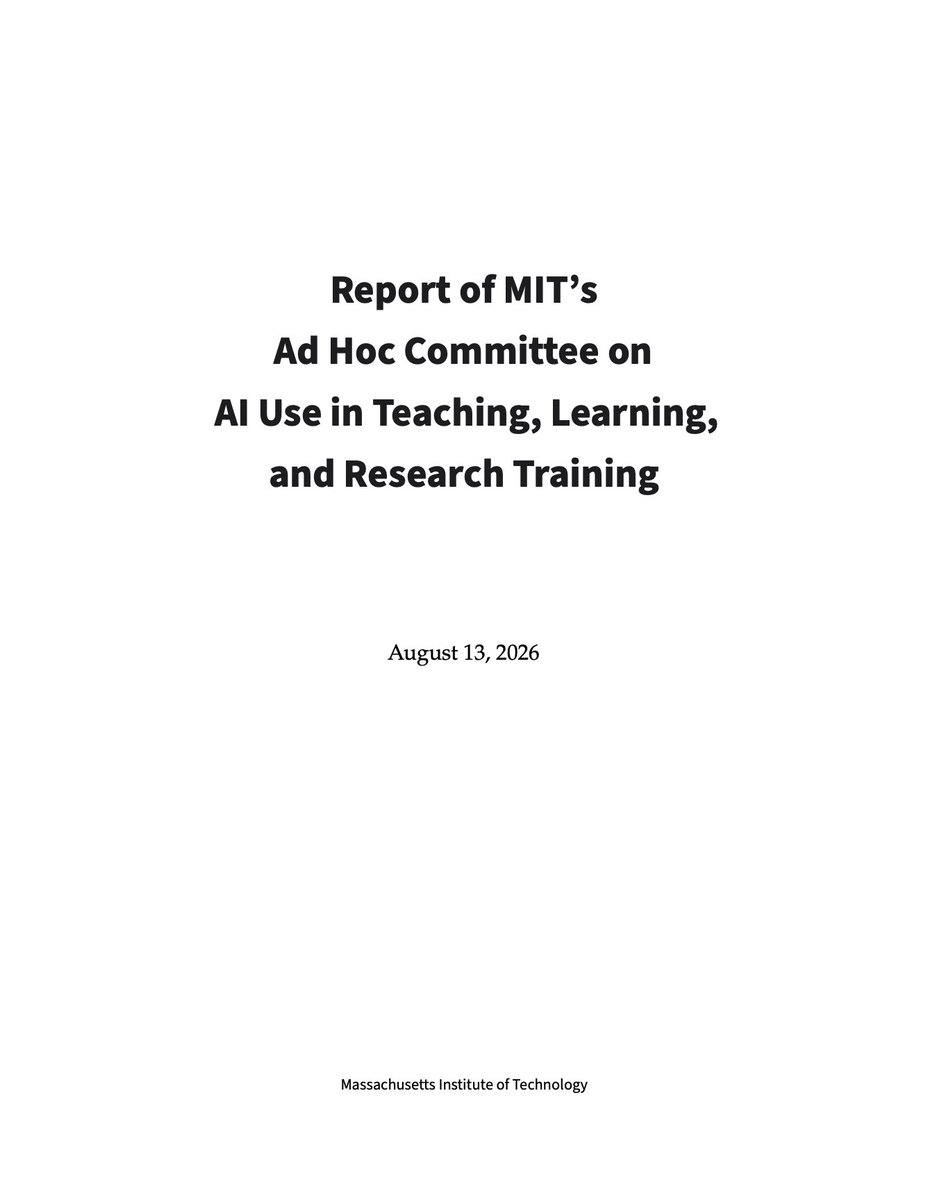
MIT published a brutally honest report on what AI is doing to students.
A committee of professors and students spent five months studying how AI changed learning on campus, and the findings read like a warning to every university on the planet.
Study groups are disappearing. Office hours are emptying out. Problem sets and take-home exams no longer prove anything, because AI can produce credible solutions to almost any written assignment in the undergraduate curriculum. Students who lean on chatbots lose mastery and confidence, and some slip into what the report calls cognitive surrender, reaching for AI at the first hint of struggle.
The numbers are rough. 46 percent of surveyed MIT undergrads use LLMs daily. 90 percent worry about their own overreliance. Undergrads who feel AI makes them replaceable now outnumber those who feel it makes them capable.
The committee's answer surprised me. They refused to fight AI with surveillance. The report calls AI detectors unreliable, says lockdown browsers feel like spying, and warns that policing students builds a classroom atmosphere of mutual distrust.
Instead, MIT wants to rebuild education around the things AI can't replace. That means oral exams, semester portfolios, in-person project work, and a required social component in every subject. The report even floats the idea of rethinking grades entirely, since without a GPA to optimize, much of the incentive to cheat with AI evaporates.
The committee warns professors against replacing undergrad research assistants with AI agents just because they're cheaper, because a university exists to grow people, not output.
The most famous tech school on earth admitted the machines broke its way of teaching. Its answer is more humans, not more software.
אתי אלון: הלו זה הבנק למסחר
הבנק למסחר: כן
אתי אלון: היי אני רוצה לנהל את הסניף שוב
ה: מה
א: אני רוצה לנהל את הס
ה: כן שמענו מה אמרת אבל זה משוגע לגמרי
א: למה
ה: הממ כי גרמת לאסון הכי גדול בתולדות הבנק
א: אוף חבל שאתם מתעסקים ככה בחרמות אישיים למה שלא נקים בורד אחדות רחב איתי ועם אחי עפר? כולנו אחים
לא התפניתי לזה במהלך השבוע כי פרנסה, אבל במסגרת התוכנית של אראל סגל ואייל ברקוביץ הם ראיינו השבוע את שר התקשורת. הדוקטור שלמה קרעי. במהלך השיחה הוא הפגין כמובן בורות וחוסר ידע בהמון נושאים, אבל בנושא אחד, שמאוד קרוב לליבי, הוא הפגין כסילות שעברה כנראה בסדנת שדרוגים, כי אהבלות כזאת לא שמעתי הרבה זמן. והנושא הוא כמובן ערוץ 14. אתמול והיום היה לי קצת זמן. להלן הממצאים בשרשור משעמם במיוחד. 1/7
I cannot explain how terrible it is to see OpenAI’s CEO advocating to use their own AI product to have LESS personal connection with those closest to you: family and kids.
No, don’t use AI to create a podcast about your kids based on their calendars. Talk to your kids, not to AI
מתישהו הפכנו מחברה שיש לה צבא, לחברת אבטחה חמושה של אנשים שפשוט עושים מה שבזין שלהם.
זה לא קרה ביום אחד, זה חלחל. התרגלנו בהדרגה.
התרגלנו לזה שקצין בן עשרים ושבע, מפקד סוללה שאמור לשמור על המדינה, משלם בחיים שלו כי קבוצה של אזרחים החליטה שבא לה לעשות טיול התגרות סמוך לכפר פלסטיני.
הם נכנסו לשטח A במודע, עברו על צו אלוף, יצרו פרובוקציה בזדון, והצבא, בדיוק כמו מאבטח נגרר בקניון שנאלץ להפריד קטטה בבר, נשאב פנימה לשלם את המחיר הקטלני.
רס״ן יובל עזרא מת שם על הג׳בל לא כי הוא הגן על גבולות המדינה, אלא כי הוא נשלח לחלץ אנשים שצפצפו על החוק ועל הצבא גם יחד.
אבל תדליק עכשיו טלוויזיה. תגלול ברשתות חברתיות. תשמע את ההספדים והנאומים. השרים עומדים מול המיקרופונים, מכחכחים בגרון. אף אחד מהם לא טורח להזכיר את עבירת המקור.
יש להם דם טרי בידיים, והם הולכים להשתמש בו. כבר בסוף השבוע הדם הזה יהפוך להצדקה מוסרית למבצע צבאי חדש, לעוד נקודת התיישבות לא חוקית, לעוד פלוגה שתישלח לשמור על צעירים שמחפשים אקשן. הרצחת, וגם ירשת, וגם הקמת מאחז.
זה הרי בדיוק אותו טריק מסריח שעשו עם גור קהתי בלבנון.
אזרח מקושר בן שבעים מחליט שהוא חייב סיור ארכיאולוגי באזור לחימה פעיל. קצין בכיר עושה לו טובה, מכניס אותו פנימה בלי שום סמכות מבצעית. ילד בן עשרים מגולני מת בשביל הסיור המפגר הזה.
ואז, אחרי עשרים חודשים תמימים של טיוח, הצבא מגיש למשפחה השבורה שלו חוברת מהודרת מודפסת על נייר כרומו. המון מילים יפות על ״מלחמת התקומה״, על גבורה, ועל ״חתירה למגע״, עוטפים את המחדל בצלופן של גיבורים. רק המילה ׳אחריות׳ פשוט לא הצליחה להיכנס לדפוס.
נתניהו והממשלה שלו שכללו את השיטה הזאת לאמנות. הם הבינו שאין חומר ניקוי חזק ויעיל יותר למחדלים שלהם מדם של קצין בצה״ל. כשיש לך בשטחים כאוס מוחלט, אפס משילות ואנשים ששורפים כפרים מתי שמתחשק להם? הפתרון הפוליטי הכי קל הוא לחכות שתקרה הטרגדיה. וכשהיא קורית, מכונת הכביסה הממלכתית מתחילה לעבוד.
פתאום כולם לובשים פרצוף תשעה באב. נתניהו יעמוד מול המצלמות, ישפיל מבט בדיוק בזווית המחושבת וידבר בקול הבריטון שלו על העוז וההקרבה. שרי הימין יתחרו ביניהם מי מוציא הודעת גינוי קיצונית יותר. הם ישפכו עלינו גלונים של טקסטים מצמררים על שכול, על מסירות נפש, על מגש הכסף. כי מילים יפות על שכול של קצינים הן מטהר האוויר המושלם. הן נועדו נטו לכסות על החרא האמיתי שקורה בשטח.
הם עוטפים את הקצין ההרוג בדגל ישראל, ומהדקים את הבד כל כך חזק עד שאי אפשר להריח את הסירחון של הקומבינה הפוליטית שהרגה אותו.
המוות שלו הוא לא באג בשיטה שלהם, הוא פיצ׳ר. הוא מאפשר להם לא לדבר על למה הוא נשלח לשם מלכתחילה.
החוזה הישראלי הבסיסי נגרס וירד באסלה.
הפכו אותנו לשכפ״ץ אנושי של פושעים שמציתים את השטח כל בוקר, ואז הממשלה פשוט מכבה את האש עם הגופות של הילדים שלנו. מחר בבוקר עוד קבוצה תעלה על איזה גבעה לעשות פרובוקציה, עוד פלוגה תישאב פנימה לחלץ אותם, ובמשרד ראש הממשלה פשוט ייקחו את נאום ההספד מהיום וישנו רק את השם ואת הדרגה.
בואו נדבר רגע על הבלוף הגדול של תשעה באב.
כל שנה, לקראת הצום, אנחנו עוברים את אותו טקס קבוע וצבוע. הפוליטיקאים שלנו מעלים תמונות צבעוניות מהכותל, שדרני הימין מצקצקים בלשון, וכולם מדקלמים את אותה מנטרה שחוקה: ״הבית חרב בגלל שנאת חינם. אחים אנחנו, רק יחד ננצח״,
איזה שקר נוח.
הבית השני לא נחרב בגלל איזה רגש אמורפי של ״שנאת חינם״, ולא בגלל שמישהו לא הסכים לחלוק את הדעות של השכן שלו.
הוא נחרב כי קבוצה של קנאים פסיכופתים, משיחיים וחסרי מעצורים השתלטה על המדינה. אותם סיקריים שרפו את אסמי המזון של ירושלים מבפנים, כדי להכריח את כולם להילחם מלחמה אבודה מול האימפריה הרומית. והם הצליחו לעשות את זה רק בגלל שההנהגה המתונה עמדה מהצד, חלשה, פחדנית, ונתנה לקיצוניים לגרור עם שלם להתאבדות.
״שנאת חינם״ זה לא ניתוח היסטורי. זה בסך הכל הספין הכי מוצלח בהיסטוריה היהודית, תירוץ שהומצא בדיעבד כדי להסתיר את פשיטת הרגל של מנהיגות שנתנה לקיצוניים לנהל אותה.
מצלצל לכם מוכר? ברור שכן. כי אנחנו חיים היום בדיוק את אותו תסריט.
יש לנו ראש ממשלה ציני ושבוי, שמנוהל על מלא ידי קנאים רדיקלים. בן גביר וסמוטריץ' הם הסיקריים המודרניים. הם אלה שמוכנים לשרוף פה הכל, את הכלכלה, את הביטחון, את הבריתות שלנו בעולם, את החטופים, העיקר לממש את הפנטזיה שלהם. ונתניהו? במקום לעצור אותם, הוא זה שמעביר להם את הגפרורים.
ואז מגיע ערב תשעה באב. ופתאום, מכונת הרעל עושה הפסקת אש יזומה ל-24 שעות. כל כוכבי ערוץ 14, אותם אנשים שבמשך 364 ימים בשנה מטנפים, מסיתים, מרעילים את הבאר וקוראים לכל מי שחושב קצת אחרת ״בוגדים״, ״קפלניסטים״ או ״אנרכיסטים״, פתאום מגלגלים עיניים לשמיים. אותו ראש ממשלה שהיה תלוי לו שלט ״שמאלנים בוגדים״ על שער הבית, עומד ומטיף לנו על סליחה ופיוס.
זה לא פיוס. זו הלבנת הון מוסרית.
כשהם צועקים ״אחדות״ בערב תשעה באב, הם לא באמת מבקשים לחבר את הקרעים. הם בסך הכל מבקשים שקט.
המסר האמיתי שלהם הוא: ״אנחנו נמשיך להרוס, אנחנו נמשיך לקדם את האג׳נדה הקיצונית שלנו, ואתם תפסיקו להפריע לנו כדי שלא תהיה פה עוד מלחמת אחים״.
הם רוצים שתשכחו שרגע לפני ששקעה השמש הם עוד שפכו פה דלק על המדורה, ושהם רק מחכים לצאת הצום כדי להדליק אותה מחדש.
אז תחסכו מאיתנו את תמונות הכותל המיוסרות. אנחנו כבר לא קונים את זה. הבית לא נחרב בגלל חוסר אחדות, הוא נחרב בגלל מנהיגות פחדנית שאיפשרה לקיצונים לשרוף את המדינה. בדיוק, אבל בדיוק, כמו היום.
פעם עוד הייתה משמעות למילה הזו, "עבריות".
אנשים נשאו אותה בגאון. מדינה עברית. שפה עברית, תרבות עברית, ספרות, היסטוריה, זיכרון קולקטיבי, תחושת גורל משותף, שאיפה לקים כאן חברה ריבונית וחופשית.
העבריות, במובנה הציוני-חילוני, הייתה הניסיון לזקק מהיהדות את האתוס הלאומי שלה מבלי להכפיף אותו לפולחן יהוה. היא הציעה שייכות לעם, לשפה, להיסטוריה ולארץ גם ללא אמונה באל או ציות לרבניו. ספק אם הפרויקט הציוני יכול היה לרקום עור וגידים ללא העברים, יהודים חילונים ואתאיסטים שחלקם צפה במו עיניו בקדוש ברוך הוא נשרף בארובות של אושוויץ.
אחד התהליכים שעברה החברה הישראלית בעשורים האחרונים, בהשפעה ישירה של האוכלוסיות שהמיטו עלינו את קואליציית הטבח והנקמות, הוא מחיקתה ההדרגתית של הזהות העברית והחלפתה ביהדות פולחנית ילדותית וממושטרת, בסגנון "השם יתברך תמיד אוהב אותי" ו"נראה אותך לא מניח תפילין בהפסקה יא בן של ז*נה".
זה מגיע מהשלטון, מחלחל ל"תרבות" לסלבס ולכוכבי הריאליטי היישר אל הנוער מנשק המזוזות ועוטה הציציות, עד שבהדרגה החברה כולה מתנהלת לפי קריטריונים של אמונות, ניסים, השגחה פרטית, ציות לרבנים וטקסים דתיים.
עד כדי כך שפולחן יהוה הפך לקריטריון המרכזי הקובע מהי "זהות יהודית". החילוני נדרש להצדיק את מקומו במדינה שנבנתה בידיו, מכספו, מדמו ומתרבותו, בעוד שהמאמין האורתודוכסי מוצג כבעל הבית הטבעי וכפרשן המוסמך של הזהות הלאומית.
חוק יסוד פיגול התורה, מעבר לפונקציה התועלתנית והבזויה שלו כאתנן פוליטי וכמכשיר השתמטות, הוא החותמת הרשמית על התהליך הזה. הוא מרומם את פולחן יהוה למעמד של ערך חוקתי מכונן. המדינה העברית עוברת תאוקרטיזציה, האזרחות והלאומיות הישראלית הולכות ומוכפפות לאמונות מטפיזיות מעולם הפיות והשדים.
החוק הזה הוא מצבתה של הזהות העברית והמדינה העברית.
בשולי הדברים. זה כל כך מוזר, ומביך, כמעט סוריאליסטי, שבמדינת ההייטק מתנהל דיון אמיתי בשאלה אם לימוד תורה תורם ומגן על המדינה.
מצופה מכולנו לקבל בשתיקה שאנשים מתנועעים מול טקסט של פרשן מימי הביניים על שור שנגח פרה, והפעולה הזו באורח פלא מפעילה כיפת ברזל רוחנית מעל מדינת ישראל ששווה בערכה לשירות צבאי, או רפואי, או לתשלום מיסים.
עכשיו ברור לי שלאנשים יש כל מיני אמונות מוזרות. קמעות. ניסים. באבות. אסטרולוגיה. פיית השיניים. סנטה קלאוס. ניתוח טכני. אבל כשאמונות מעולם המאגיה והכישופים מתורגמות למדיניות ציבורית ולמקור לאפליה בזכויות וחובות בין אזרחים זה פשוט מעורר צמרמורת של מבוכה, במיוחד כשאיש לא מעז לצעוק שהמלך הוא ערום.
This is a superb, extremely relevant article, thank you @mipsytipsy
https://t.co/KmSBQcqsg4
Remember @ponnappa saying how AI compounds everything, the good and the bad.
@abhinav always telling me how it is always the middle path, between optimism and skepticism
i wrote a post about the growing divide between AI skeptics and AI enthusiasts.
wins and costs are both real, but too often fall on different groups of people. when you're only experiencing half the story, it's too easy to write each other off.
https://t.co/qtjrOJA6a0
סרטון ההשפלה של בן גביר יגיע ל-15 מיליון צפיות רק בטוויטר.
זה עוד יעלה. וזה רק בטוויטר. בעולם זה רץ בשיגעון.
הנזק האדיר כבר נגרם בכל העולם, וגם לנו. פתאום ראינו מראה איומה של עצמנו.
ואני כל הזמן רק תוהה: האם מצביעי ימין כבר מבינים כמה נזק האיש הזה גורם? איזה אסון הוא מביא עלינו ועליהם?
כי האמת כל השאר לא חשוב. אותי ושכמותי יודעים שמדובר בעבריין, פרובוקטור, מחפש צומי, ליצן מסוכן. מה לא.
אבל האם האסימון נופל למצביעי ימין? למצביעי עוצמה יהודית?
הרי איזה עוצמה יהודית יש בסרטון הזה? וגם אם נניח שכל אחד מעצורי המשט הוא אנטישמי מובהק, הלגיטימציה להתנהל כפי שהוא התנהל, להשפיל, לבזות, להשתמש בכח שנתנו לשב"ס ולמשטרה בשביל זה? ואח"כ לתעד ולהפיץ בעולם. ככה אתם רוצים שנראה?
בן גביר הוא פחדן. תשאלו כל אדם שהיה סביבו מאז שהיה נער. פעולות של ממש מעולם לא עשה. בעיקר דירבן אחרים, היה מאחורי הקלעים. חיפש כל הזמן רק דבר אחד: את המצלמות. זה כל מה שעניין אותו. לכן אגב הוא שר כל כך כושל. כמי שמצוי במה שקורה מאחורי הקלעים של הלשכה שלו, תאמינו לי שאפילו שם כבר מתחרפנים ממנו. אבל הצלחות לא מעניינות אותו. רק אבו עלי, להראות, לצלם, להפיץ. אתמול בלילה, בזמן שכל המדינה ניסתה לכבות ללא הצלחה את שריפת הענק שיצר, הוא הלך לישון מבסוט אש.
אגב כל הדבר הזה יכול היה להימנע, אם לא הייתה את הבעיה השורשית הזאת: אין היום אחד במשטרה, ובטח בשב"ס, שמסוגל להגיד לבן גביר "לא".
המפכ"ל לא עוצר אותו, מפקד מחוז דרום חיים בובליל לא אומר לא. מתנהל כמו חייל שלו, רוצה גם הוא להתקדם, אולי למפכ"ל, אולי לנציב שב"ס. נציב שב"ס? נו באמת. יועמ"ש שב"ס, זה שעומד להיות יועמ"ש המשטרה? פחחח. בשום תחום. רועדים מפחד. לא מזמן אמר לי קצין בכיר: "אתה מצפה שאני אנתק לו בפנים?". אמרתי לו שכן. היה המום. הרי זה התפקיד המרכזי של קצין משטרה בכיר מול פוליטיקאים להגיד לשר 'לא'. אבל הם לא מסוגלים. רועדות להם הביצים. אז הוא נכנס. עם מצלמות כמובן. עם עוזרים ללא סיווג ביטחוני. עושה מה שהוא רוצה.
בן גביר הוא אסון.
אני רק מקווה שגם מצביעי הימין רואים את זה עכשיו. זה בידיים שלכם. הוא השתלט על המשטרה - ותראו לאיזה תהומות של שפל הגענו שם, מכל בחינה, מרציחות ועד להתנהגות מבישה מול עצורים.
אל תתנו לו להשתלט על המדינה.
עשור לנאום התהליכים של יאיר גולן: "אם יש משהו שמפחיד אותי בזכרון השואה זה זיהוי תהליכים מעוררי חלחלה שהתרחשו באירופה בכלל, ובגרמניה בפרט עד לפני 70, 80 ו-90 שנה, ומציאת עדות להם כאן בקרבנו היום ב-2016"
שודדי בנקים מקצועיים לא פורצים באישון לילה דרך הגג עם לום, הם פשוט קונים את חברת האבטחה חצי שנה מראש.
הפער התהומי בין הסקרים של ערוץ 14 לכל יתר העולם הוא לא טעות דגימה, והוא בטח לא ניסיון נואש לרייטינג. הוא יציקת יסודות מחושבת היטב לפשע המושלם. כשמפמפמים לציבור ערב-ערב פנטזיה אולטרה-סגולה של 66 מנדטים לגוש הימין, לא בודקים דופק אלקטורלי,
מייצרים דיסוננס קוגניטיבי לשעת חירום. המטרה היא אחת: להבטיח שביום הבוחר, תוצאה של 70-50 לצד השני לא תיתפס לעולם כהכרעה דמוקרטית, אלא כזיוף קולוסאלי.
תגזרו ותשמרו את הטקסט הזה, כי הנה הפלייבוק המדויק למה שעומד לקרות:
זה יתחיל בסיכול ממוקד של השופט. יריב לוין יתייצב מול המיקרופונים, חמוש בכריזמה של טופס ארנונה, ויסביר בנימוס מקפיא שאי אפשר להפקיד את ועדת הבחירות המרכזית בידי שופט עליון. ״מניין לנו ששופטים, שרגילים לפסוק רק לטובת ארגוני שמאל, יודעים לספור קולות אמיתיים?״ הוא ישאל. הלגיטימציה של הוועדה תפורק לגורמים באותו רגע. כל פתק שייספר יהפוך לראיה בתיק תפור.
ואז תגיע השעה 21:59 של ליל הבחירות. בערוצים 11, 12 ו-13 המדגמים יראו מהפך מובהק. בערוץ 14, לעומת זאת, ינון מגל ירסס קצף שלג על האולפן, יחלוץ בקבוקי תירוש ויכריז על ניצחון היסטורי שמוטט את הדיפ-סטייט. אבל חצי שעה אחר כך, כשתוצאות האמת יתיישרו באכזריות עם המיינסטרים, הבועה תתפוצץ בזעם.
המוח של הצופה הממוצע בערוץ 14, שכבר כויל חודשים לניצחון ודאי, לא יאשים את הסוקר שמכר לו לוקש, הוא יאשים את המדינה שנגנבה ממנו.
טלי גוטליב לא תמתין אפילו למעטפות הכפולות. היא תצייץ בקאפס-לוק רושף שאהוד ברק שכר צוללת כדי להבריח קלפיות, ושסוכני מוסד מחקו קולות ימין עם טיפקס.
סמוך לחצות, נתניהו יעלה לפודיום. עם פאסון ממלכתי, מבט מצועף וקול מהורהר של קורבן נצחי, הוא יכריז: ״אזרחי ישראל, בקלפיות ניצחנו. אבל הפקידים במחשכים, אלה שמעולם לא נבחרו, החליטו להעלים את הפתקים שלכם״. הוא לא יקרא למרי אזרחי, הוא פשוט יניח את הגפרור הבוער ליד חבית הדלק ויזוז צעד אחורה.
ולקינוח, כדי להשלים את הטרגדיה המקומית, יעלה בני גנץ. עם עיניים עגמומיות של מורה לתושב״ע שהכיתה נעלה אותו בחוץ, הוא יבקש ״להמתין בסבלנות לתוצאות הרשמיות, לכבד את החוק ולא לקרוע את העם״. ממלכתיות מתאבדת במיטבה, בזמן שהאולפנים בוערים.
אסור להיות אדישים למופע הזה. אל תפטרו את הסקרים של ערוץ 14 כבידור זול להמונים או כהזיה חסרת משמעות. האדישות והזלזול שלכם הם הדלק שלהם. המספרים המופרכים שהם מקרינים היום על המסך הם לא תחזית, אלא כתב האישום שמוכן מראש נגד התוצאות של מחר. תפסיקו לצחוק על הניתוק שלהם מהמציאות, ותתחילו לקלוט שהם פשוט כותבים עכשיו מציאות חלופית. כשהיא תבעט לכם בדלת בליל הבחירות, אל תעזו להגיד ״לא ידענו״.
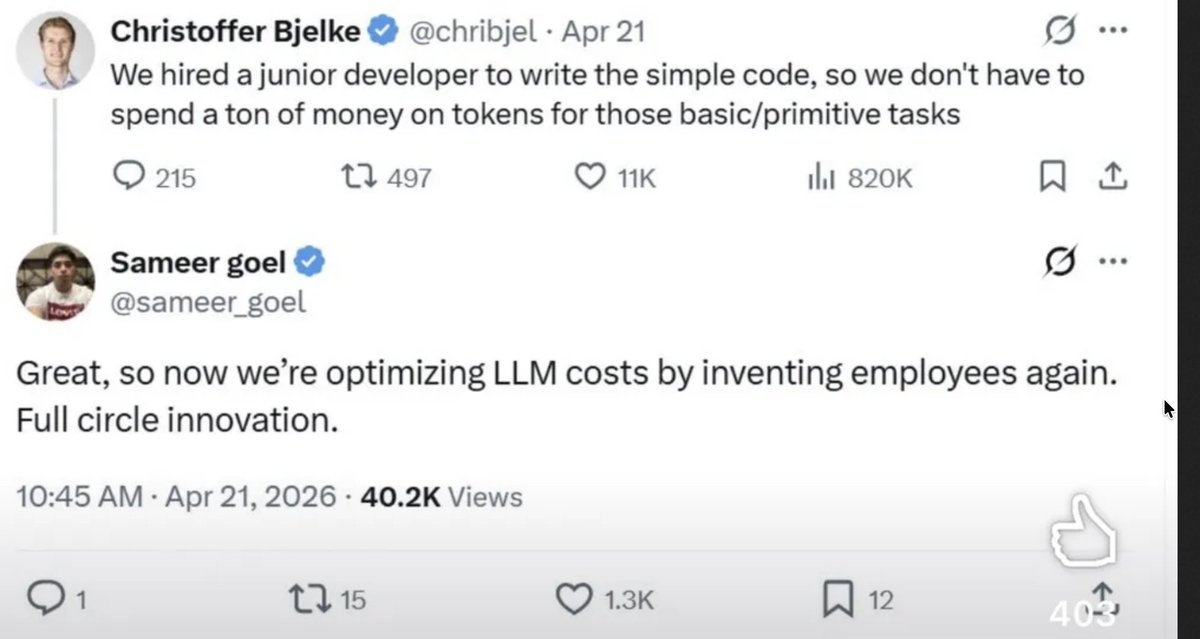
משפיען AI מציג קונספט חדשני: עובד ג׳וניור שיכתוב את הקוד הפשוט כדי לחסוך טוקנים. אכן, מרשים מאד ועשינו סייקל שלם והגענו חזרה לעובדים. מה רבו מעשיך וכו׳ וכו׳ וכו׳
Hello, Moon. It’s great to be back.
Here’s a taste of what the Artemis II astronauts photographed during their flight around the Moon. Check out more photos from the mission: https://t.co/rzM1P0QbOl
הרבה פעמים כתבתי פה שהפליי המרכזי של ביבי הוא לא למשול.
הוא לשלוט בשיח.
קודם כל הוא מחליט על מה מדברים.
אחר כך כולם רבים בעד ונגד, מקציפים פה ומתעצבנים שם, אבל הוא כבר השיג את שלו:
לא רק את הנושא שעל סדר היום, אלא גם את גבולות המחשבה.
ואז מגיע התרגיל הקבוע.
מישהו שואל שאלה אסטרטגית פשוטה, ומיד קופצים עליו:
אז מה אתה מציע?
וזה בדיוק הטריק.
במקום שהשלטון יסביר מה התוכנית שלו, דורשים ממי ששואל שאלות להציג תוכנית חלופית מלאה.
במקום שהממשלה תצדיק את המדיניות שלה, מי שמבקר אותה נדרש פתאום להגיש עבודת מטה.
נפל לי האסימון השבוע כששאלתי שאלה פשוטה:
מה האסטרטגיה שלנו מול חיזבאללה?
למה אנחנו שוב מדברים על רצועת ביטחון, כאילו הפעם זה ייגמר אחרת?
ומיד באה התשובה המוכרת:
אז מה אתה מציע?
אז הנה מה שאני מציע:
קודם כל, לשאול את מי שמקבל החלטות מה הוא עושה לעזאזל.
כי אני לא זה שאמור לספק פתרונות למדינה.
ואני גם לא מוכן יותר להשתתף במשחק הזה, שבו במשך שנים מסרבים לנהל דיון אמיתי, ואז כשהכול מתפוצץ דורשים תשובות דווקא ממי שהתריע.
וזה דפוס. לא אירוע חד פעמי.
ב-2018 היה הסכם גרעין עם איראן. לא מושלם, אבל כזה שקנה זמן והקפיא את תחום ההעשרה לחמש עשרה שנה.
גנבנו את ארכיון הגרעין, והיו בידינו הוכחות דרמטיות שאיראן בנתה נשק גרעיני.
ביבי וטראמפ החליטו לצאת מההסכם.
אפשר להתווכח על זה.
אבל הם יצאו בלי אלטרנטיבה.
הייתי בחדר. שאלתי בזמן אמת: מה התוכנית?
גלגולי עיניים.
טראמפ החליט, וזהו.
אמרנו: בואו ננצל את ההישג המודיעיני הזה כדי ללחוץ על הארכת ההסכם בלי מגבלת זמן.
לא התקבל. יצאנו והיום האיראנים עם אורניום שמספיק ל-11 פצצות.
אותו דפוס בעזה.
במשך יותר מעשור היה ברור שמדיניות הסבבים, ההכלה והכסף הקטארי תתפוצץ לנו בפרצוף.
אבל כל מי שאמר את זה בזמן אמת שמע מיד: אז מה האלטרנטיבה? הרשות המושחתת?
כאילו שהיעדר חלופה מושלמת הוא טיעון בעד המשך טירוף מוחלט.
כאילו שמותר לבנות מפלצת, כל עוד למבקר אין מצגת מסודרת עם לוגו.
ואז הגיע 7 באוקטובר.
אבל זה לא נגמר שם.
יצאנו למלחמה מוצדקת בעזה.
וכבר מהחודש הראשון אנשים שאלו:
מי ישלוט שם ביום שאחרי?
סירבו לנהל את הדיון.
ומה קיבלנו?
חמאס שמשתקם שוב, בין היתר על כסף קטארי.
אותו דפוס באיראן עכשיו.
חייבים להכות באויב. חייבים לפגוע בו קשה.
בסדר. ואז מה?
מה התוכניות לשמור את הורמוז פתוח? מה אנחנו רוצים שיקרה באיראן ביום שאחרי?
מה יקרה עם האורניום?
איך מוודאים שלא נקבל משטר אפילו יותר קיצוני, שדוהר לפצצה?
צרצרים.
כי קל מאוד למכור פנטזיות על הפלת משטר.
הרבה יותר קשה להראות איך מבטיחים תוצאה טובה יותר.
ועכשיו שוב לבנון.
הצפון חוטף.
ושוב מדברים על עוד סיבוב.
ושוב אותה שאלה פשוטה: מה האסטרטגיה?
אז לא, אני לא קונה יותר את ההיפוך הזה.
אני לא זה שצריך להחזיק תוכנית מגירה לכל זירה, בזמן שהאיש שמחזיק בשלטון כבר כמעט עשרים שנה פטור אפילו מלתת תשובה אחת.
יש פה אדם אחד שמקבל את ההחלטות.
אדם אחד שמנהל את המדיניות.
אדם אחד שבוחר פעם אחר פעם לא לחשוב עד הסוף, לא לבנות חלופות, ולא לנהל דיון אמיתי על היום שאחרי.
ואז, כשהמציאות מתפוצצת, הוא משאיר את כולנו להתווכח עם מי ששאל שאלות במקום עם מי שקיבל החלטות.
אז תחסכו לי.
את השאלות צריך להפנות אליו.
לא אליי.
אני לא קובע שום דבר.
יש אחד שמחליט.
והוא שם עליכם כזה זין, שאפילו שאלות מעיתונאים הוא לא מוכן לקחת.
וזה לא נגמר רק בביטחון.
אותו דפוס קיים גם בחרדים, גם בחינוך, גם ביוקר המחיה, גם ביחסים עם ארה"ב, גם בפלסטינים.
לא בונים עתיד.
דוחים הכרעות.
קונים זמן.
ואת הזמן הזה לא משקיעים בבניית חלופות, אלא בשרידות פוליטית. ואז, כשזה מתפוצץ, שואלים דווקא אותנו: אז מה אתם מציעים?
שליש מהתינוקות שנולדים בישראל הם חרדים, ואין למדינה אסטרטגיה אמיתית לשילוב, לפריון ולצמיחה.
מערכת החינוך מידרדרת, ואין אסטרטגיה אמיתית לשימור היתרון האנושי שלנו.
יוקר המחיה חונק, ואין אסטרטגיה.
התמיכה בישראל בציבור האמריקאי הרחב נשחקת, ואין אסטרטגיה.
הפלסטינים לא נעלמים, הטרור היהודי בשטחים משתולל, ואין אסטרטגיה.
יש רק ניהול שיח.
יש רק הדלקת וכיבוי שריפות.
התעלמות מבעיות יסוד.
פירור החוסן.
עוד סבב של מילואים, ועוד סיסמה, ועוד דחייה.
ואז לעמוד במסיבת עיתונאים ולהפריח שקרים בקול בריטון, שכבר ברור לכולם שאין מאחוריהם כלום.
אז מה האלטרנטיבה? הנה מה שאני מציע:
להשתמש בזמן שאנחנו קונים כדי לטפח חלופות, לא כדי לממן את האויב.
להעמיק את היתרון האיכותי שלנו.
לבנות מנועי צמיחה.
לחזק חינוך, תשתיות וכלכלה.
להפוך את התמיכה בישראל בעולם לפחות מקטבת ויותר עמידה.
לבנות מיצוב אסטרטגי שמייצר הזדמנויות במקום לרדוף אחרי אסונות.
לדעת לסיים מלחמות, לא רק להתחיל אותן.
נשמע לכם כללי מדי? תתמודדו.
ככה מתחילים.
לא זבנג וגמרנו, אלא בניין כוח, חלופות, ועבודה של שנים.
התוצאות יגיעו.
הצעד הראשון הוא להחליף הנהגה.
- Drafted a blog post
- Used an LLM to meticulously improve the argument over 4 hours.
- Wow, feeling great, it’s so convincing!
- Fun idea let’s ask it to argue the opposite.
- LLM demolishes the entire argument and convinces me that the opposite is in fact true.
- lol
The LLMs may elicit an opinion when asked but are extremely competent in arguing almost any direction. This is actually super useful as a tool for forming your own opinions, just make sure to ask different directions and be careful with the sycophancy.