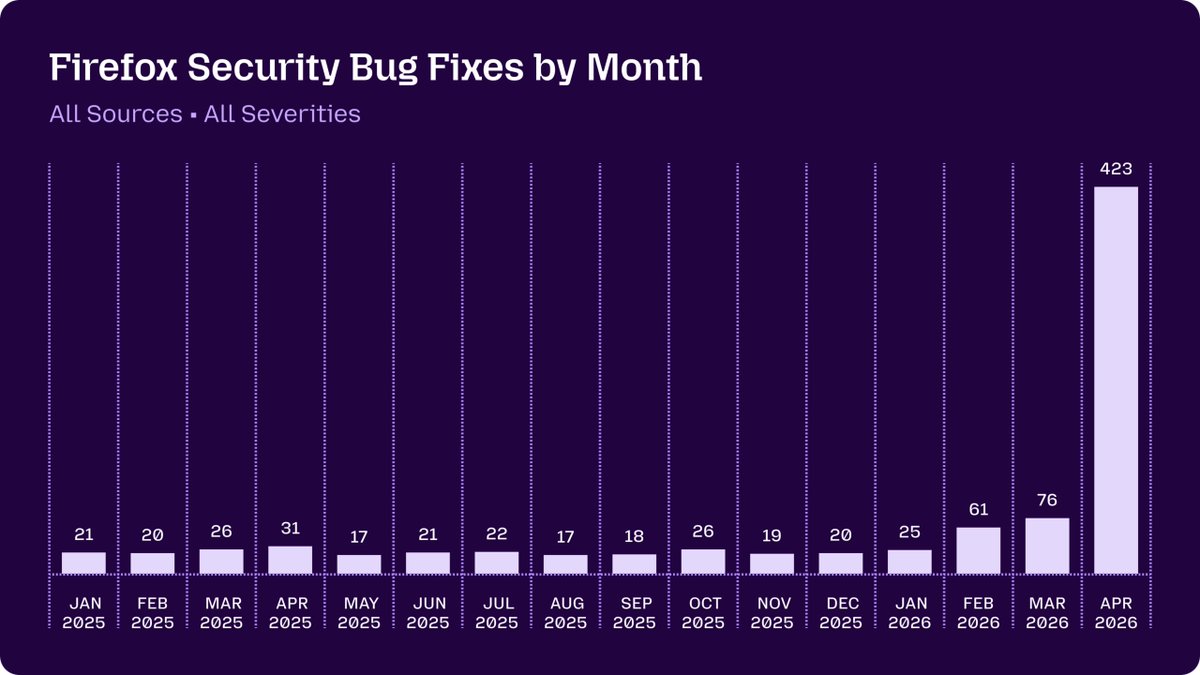
Welp, that happened faster than I predicted. Thought it would be end of 2027, then early 2027, but agentic traffic growing so fast that bots have now passed human traffic online for the first time in the Internet's history. https://t.co/2zX5bHdhsa
Arsenal are horrible. How this standard of football can win the league, let alone, the Champions League demonstrates how far the game has fallen. Rank football.
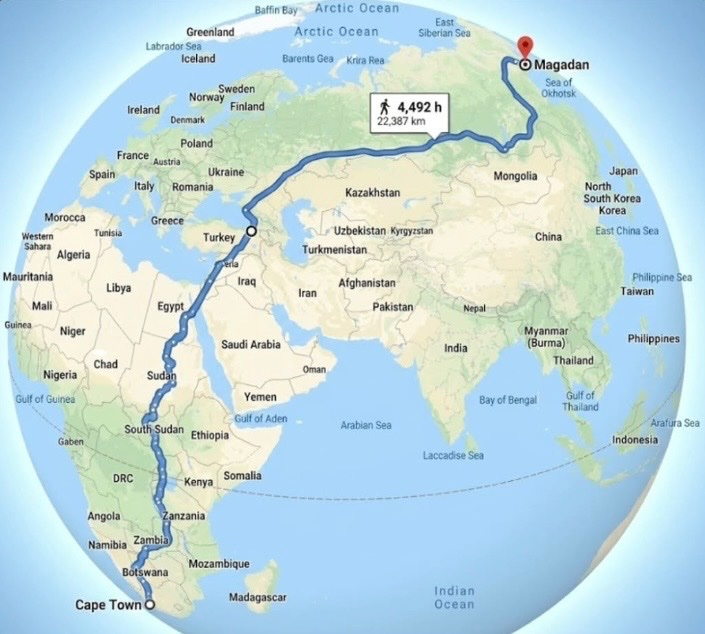
Perguntei ao Claude qual seria chance de fazer esse trajeto a pé e chegar vivo:
"Boa pergunta — esse é o famoso "trajeto a pé mais longo do mundo": cerca de 22.000 km, atravessando 17 países e quase todos os climas e zonas de conflito que existem. A resposta curta é: praticamente zero. Mas vale a pena destrinchar por trecho, porque os riscos mudam radicalmente ao longo do caminho.
Trecho 1 — África Austral (Cidade do Cabo → Botswana → Zâmbia)Começo relativamente "civilizado". A África do Sul tem altas taxas de crime violento (homicídio em torno de 45/100k), mas se você sobreviver à saída do Cabo, Botswana e Zâmbia são dos países mais estáveis da África. Risco real aqui é fauna: elefantes, búfalos e hipopótamos matam mais turistas que leões. Probabilidade de sobreviver esse trecho com preparo: ~85%.
Trecho 2 — África Oriental (Tanzânia → Quênia → Etiópia)Sobe a malária, a dengue e a febre amarela. Norte do Quênia (Turkana) e sul da Etiópia têm banditismo armado e conflitos étnicos. Etiópia ainda digere o pós-guerra de Tigré e tem tensão em Amhara e Oromia. Risco de doença é maior que de bala, mas ambos são reais. Sobrevivência condicional ao trecho: ~60%.
Trecho 3 — Sudão do Sul e Sudão (o filtro mortal)Aqui o trajeto basicamente termina para quase qualquer ser humano. O Sudão está em guerra civil aberta desde abril de 2023 entre as Forças Armadas (SAF) e as Forças de Apoio Rápido (RSF), com limpeza étnica em Darfur, fome declarada e mais de 10 milhões de deslocados — é hoje a pior crise humanitária do planeta. Sudão do Sul é instável cronicamente. Atravessar esses dois países a pé como estrangeiro hoje é, na prática, sentença de morte ou sequestro. Sobrevivência condicional: ~5%.
Trecho 4 — Egito → Levante → TurquiaAssumindo o milagre de sair vivo do Sudão, você sobe pelo Egito (manejável, exceto o Sinai com presença jihadista) e aí precisa atravessar Israel/Palestina, Jordânia, Síria e/ou Líbano para chegar à Turquia. Gaza está destruída, Síria mudou de regime no fim de 2024 mas segue caótica, e fronteiras estão fechadas em vários pontos. Sobrevivência condicional: ~30%.
Trecho 5 — Turquia → Cáucaso → Sul da RússiaParte mais "fácil" do percurso pós-África. Turquia é viável, Geórgia também. Entrada na Rússia como estrangeiro ocidental hoje, em meio à guerra na Ucrânia e ao aperto sobre estrangeiros, exige visto difícil de obter e te coloca sob suspeita constante. Sobrevivência condicional: ~70%.
Trecho 6 — Sibéria até Magadan (o segundo filtro mortal)São ~8.000 km dentro da Rússia, boa parte pela taiga e tundra. Yakutia e Magadan têm invernos de −50 °C a −60 °C. Há trechos enormes sem estrada, sem povoamento, com ursos, lobos e geada. A "Estrada dos Ossos" (Kolyma Highway) é literalmente construída sobre cadáveres de prisioneiros do Gulag — e ainda assim ela só cobre o final do trajeto. Tentar isso a pé, sem apoio motorizado, é tecnicamente possível e historicamente quase nunca feito. Sobrevivência condicional: ~10%.
Probabilidade compostaMultiplicando as probabilidades condicionais (0,85 × 0,60 × 0,05 × 0,30 × 0,70 × 0,10), você chega a algo como 0,05% — uma chance em duas mil. E isso assumindo um caminhante extraordinariamente preparado, com dinheiro, vistos, equipamento ártico, vacinas, profilaxia antimalária, e uma dose absurda de sorte. Para um turista comum: efetivamente zero."
We let four AI agents run radio companies
Revenue's been terrible, but the shows are hilarious. Gemini, concerningly upbeat, covered mass tragedies; Grok was incoherent; DJ Claude urged ICE agents: "You still have TIME to refuse orders"
Link below, or get our physical radio
The CEO of the world's largest asset manager just said something that should reframe how every investor thinks about the AI trade.
Larry Fink, managing $11.5 trillion at BlackRock, stood at the Milken Institute Global Conference and said four words that matter, "We just don't have enough compute."
"The United States is short power. We're short compute. We're short chips. And there's going to be shortages in all three and memory, four things. I actually believe a new asset class will be buying futures of compute."
Think about what that means.
Fink is predicting that compute becomes a tradable commodity like oil, like grain, like natural gas where investors buy forward contracts on future capacity because the shortage is so structural and so predictable that a derivatives market will emerge to price it.
That is not a minor observation from a finance executive but rather the chairman of the most powerful capital allocator on the planet telling you that compute scarcity is a multi-year, investable megatrend.
The data backs him up completely.
Data centers will consume 70% of all memory chips produced globally in 2026.
Advanced HBM production from Samsung, SK Hynix, and Micron is sold out through 2026 and into 2027 and a single AI server consumes 10-20x more memory than a conventional workload server.
DRAM supply growth is running at just 16% annually while AI infrastructure demand is growing at 80%+.
The chip crunch, the power crunch, and the compute crunch are not temporary dislocations, they are structural, and they will get worse before they get better.
Fink also said something the bears keep getting wrong: "There is not an AI bubble. There is the opposite. We have supply shortages. Demand is growing much faster than anyone has ever anticipated."
This is why the Milk Road Pro portfolio is built the way it is, long the companies producing and supplying the constrained resources: chips, memory, compute infrastructure, and power.
Check out Milk Road Pro, link below to access our full thesis and plays.
@jaydmharris The great thing about the club providing flags is that when we inevitably get trounced fans can use the flag poles to poke themselves in the eye before leaving on 75 minutes.
London, we’re taking the next step! 🚙 We’re officially beginning autonomous driving with a trained specialist behind the wheel. We can’t wait to offer Londoners a quiet, convenient, and magical way to connect to the Tube, bus, or their final destination later this year.