#EverythingHasAHistory, including the slave quarters at Ross House in Frederick, Maryland. Gabrielle McCoy shares the history of this structure in #AHAPerspectives. https://t.co/beammJgQIe
This dataset contains the thousands of formerly enslaved and free Black builders and defenders of @FortNegley and #Nashville. The article connects their paper trails to broader arguments across the Atlantic World about labor, citizenship, and claims-making after emancipation.
More data from the "Builders and Defenders" (https://t.co/dlbxCm9Rj0) project! @DrAngelaSutton and @_jsfletcher discuss claims for back-pay by women relatives of black Union laborers in Civil War-era Nashville in https://t.co/tA1y36hu8c
#OnThisDay in 1866 a mob of white men, led by local police, attacked the Black community surrounding Fort Pickering in Memphis, Tennessee. From May 1-3 an estimated 46 Black residents were murdered, while 4 churches, 12 schools, and 91 homes had been burned.
1/3
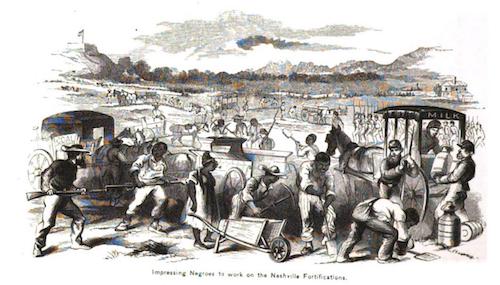
OTD, 1863, the US Army Engineers Dept forward $27000 to Nashville to compensate Black laborers, the majority formerly enslaved, who built Fort Negley.
Little of that $$ made it into the hands of Black laborers whose work was essential to holding the city for the Union
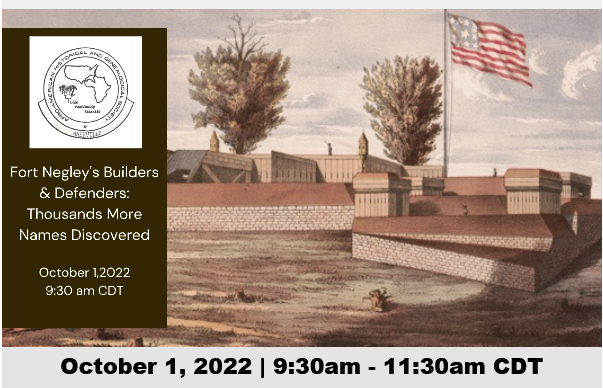
Join @AAHGSNashville at Saturday's meeting for my progress report on the database of enslaved & free Black builders and defenders of @FortNegley and the Battle of Nashville. Hear about how the number of laborers increased from ~2,900 to nearly 5,000.
https://t.co/pPj6km7bV3
@jeremyfuzy defended his brilliant PhD dissertation identifying the importance of cultural journalism to democracy. He identifies a “humanistic role” for journalism to stand alongside existing role typologies (monitorial, facilitative, etc.).
This remains true in the following decade, as well. More African Americans in Nashville in 1890 (29,395) than the entire city population in 1870 (25,856).
The Black pop. nearly tripled in size during the same years, though it remained consistently 38-39% of the city total.
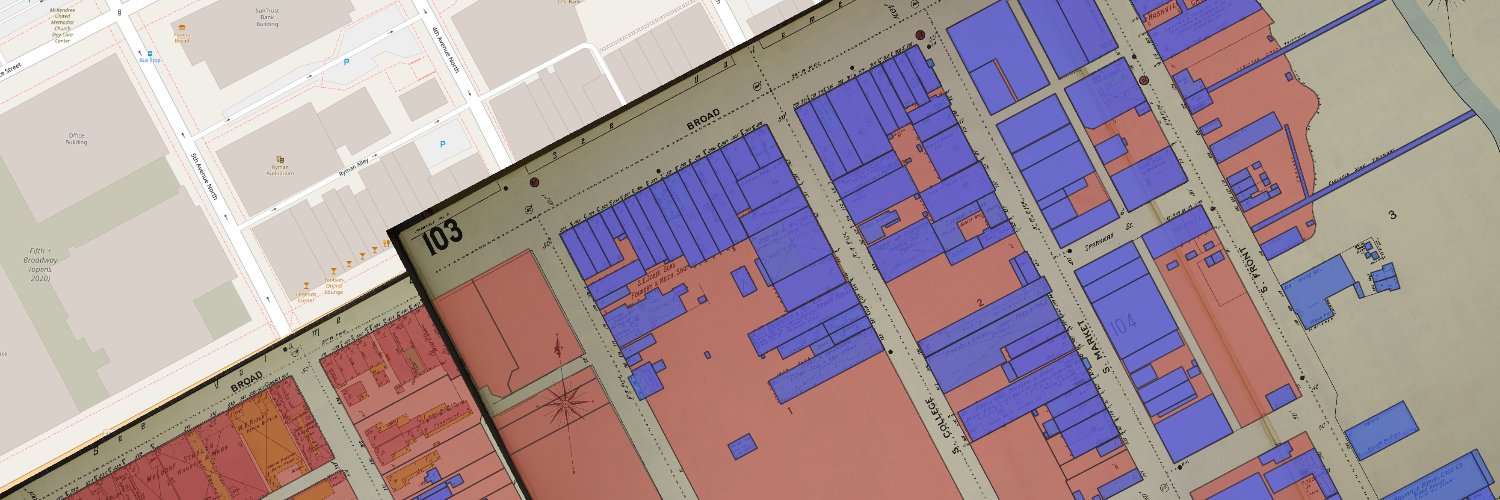
Writing about the growth of Black communities in Nashville after the Civil War and their significant role in shaping the city.
By 1880, the Black population of Nashville was greater than the population of the ENTIRE city prior to 1860.