The TRL Curriculum Navigation Reports are helpful for identifying alignment with the science of reading, but they don’t fully capture the realities districts face—especially ease of use, coherence, pacing, and true implementability.
I recently supported a district reviewing its K–2 foundational skills program, which had earned top marks from TRL. Once we unpacked it, the materials were bloated, incoherent across lessons, and painfully slow-paced. Teachers were overloaded, fidelity was low, and—most importantly—student achievement data in K–2 was abysmal, not only for multilingual learners but for all students.
We compared the other program side-by-side with UFLI. UFLI’s structure, clarity, and coherence made it dramatically more usable. After two days of deep analysis, the district chose to offer UFLI as an option because teachers could actually implement it and students could finally make progress. However, because of all previous investment, they also kept the former program as an option because of the ratings it had received from TRL.
Alignment to SoR is necessary, but not sufficient. If a program is inefficient, incoherent, or burdensome, it will fail in practice—no matter how highly it scores. Ease of use—and actual student outcomes—must become formal criteria in any curriculum review.
Researchers are trying to figure out how much "phonemic awareness" kids need in elementary school. More evidence that a lot of oral-only lessons (without letters) aren't helpful. Please also read my piece from 2024. https://t.co/PLJ3vKnwky
Teachers don’t need principals who say they’re about kids.
They need leaders who are about them.
Be about teachers.
When they thrive, kids win every time. 👑
#BetterTeachersBetterResults
⏳ Teacher time is precious
💫 Teacher collaboration matters
2 truths + 3 ways to help your teaching teams make every meeting moment count, via @edutopia. https://t.co/2yd2vcTpt1
An idea that I can't stop thinking about:
The Capability Gap
Alabama coach Nick Saban refers to the Capability Gap in this clip from a discussion with Holly Rowe:
“We oftentimes talk about what someone’s potential is, but I think to put it in better terms...the Capability Gap is what you’re capable of relative to what you’re doing...if you understand the truth about that, you can actually take information that can help you close that gap.”
The Capability Gap is a simple idea with powerful implications for every area of your life.
It requires understanding two things:
1. Your full capability
2. Your current delivery
In my experience, most people underestimate their full capability and overestimate their current delivery.
In other words, they think their Capability Gap is small, when in reality, it’s much larger than they realize.
That’s why having mentors, coaches, friends, and family who help you see the truth about your full capability and keep you honest about your current delivery is everything.
This isn’t about sports. This is about life:
Do you have people who help you think bigger about what you’re capable of?
Do you have people who tell you when your current delivery isn’t good enough?
We all need those people.
The ones who push us to get uncomfortable, to stretch our thinking, and to raise our standards.
We need people who help us become better partners, parents, friends, colleagues, and leaders.
Find the people who tell you two truths:
1. What you’re truly capable of
2. What you’re currently delivering on
Identify your Capability Gap and then work relentlessly to close it!
If this resonated or taught you something, share it with others and follow @SahilBloom for more.
MES is digging in with vertical Math planning. We’re working diligently towards reaching our goals with the support of a teacher leader & our Instructional Coach!🎯 @stefftank@HEPetruzzini@DevinPadavil@GeorgetownISD
Happy World Teacher Day! 🌎
To our teachers, we thank you for the passion, patience, wisdom and commitment that you bring to classrooms every day. You make a difference in the lives of many.
#GTownLovesEducators
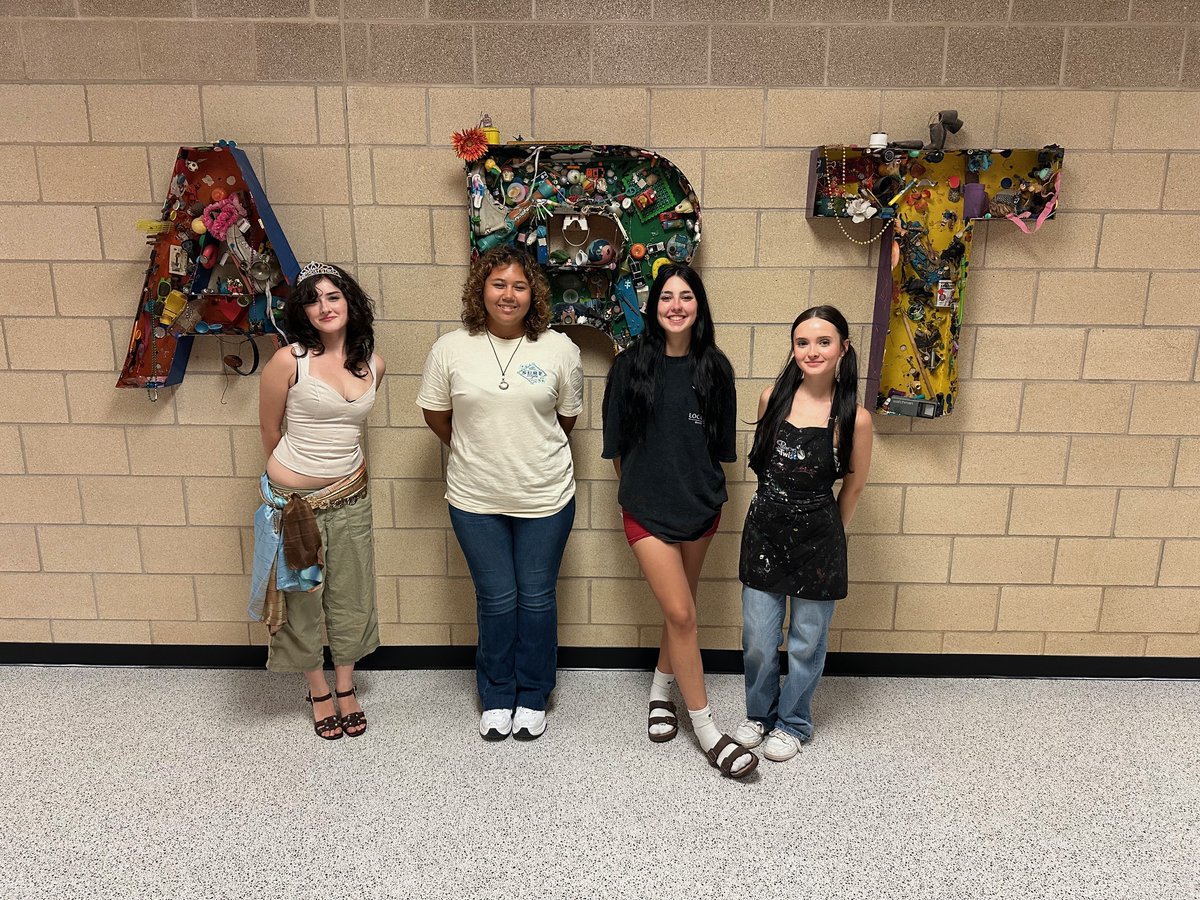
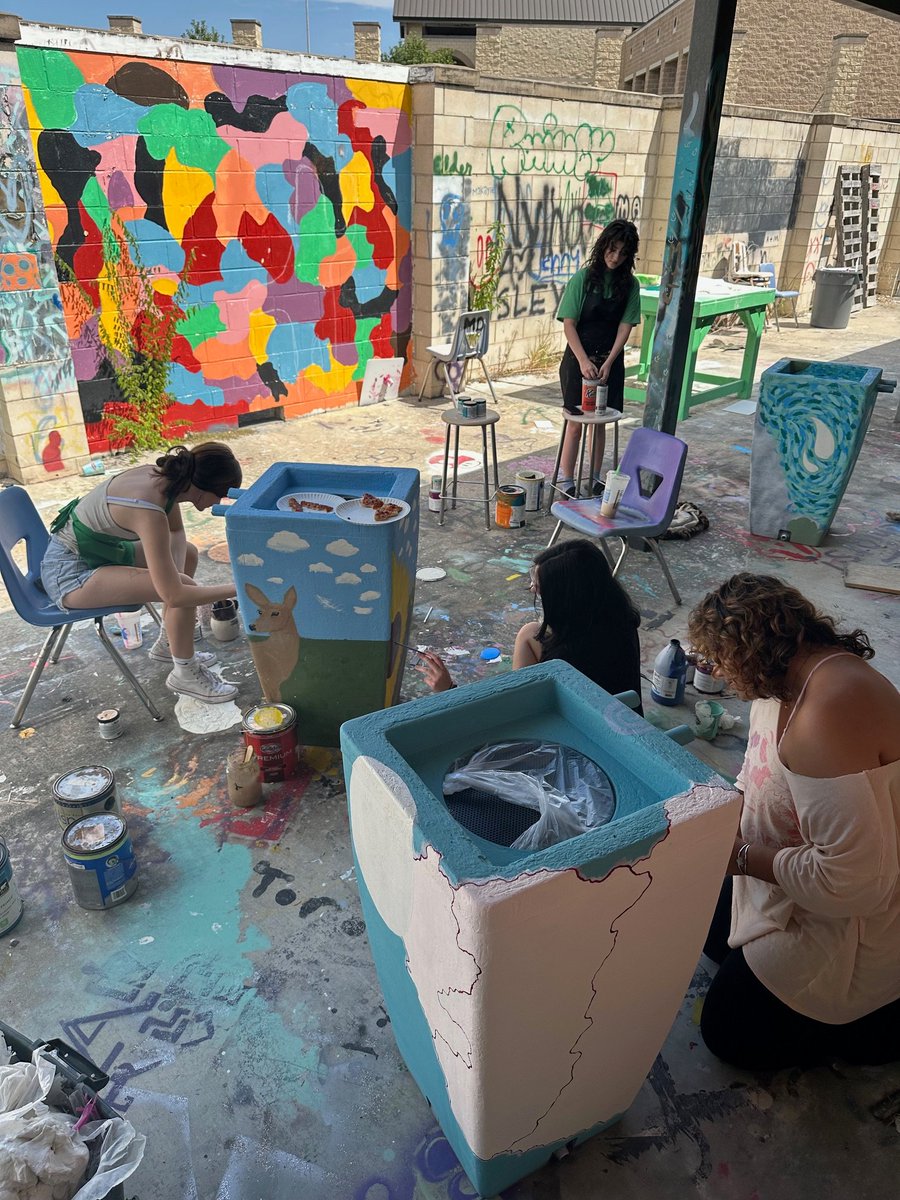
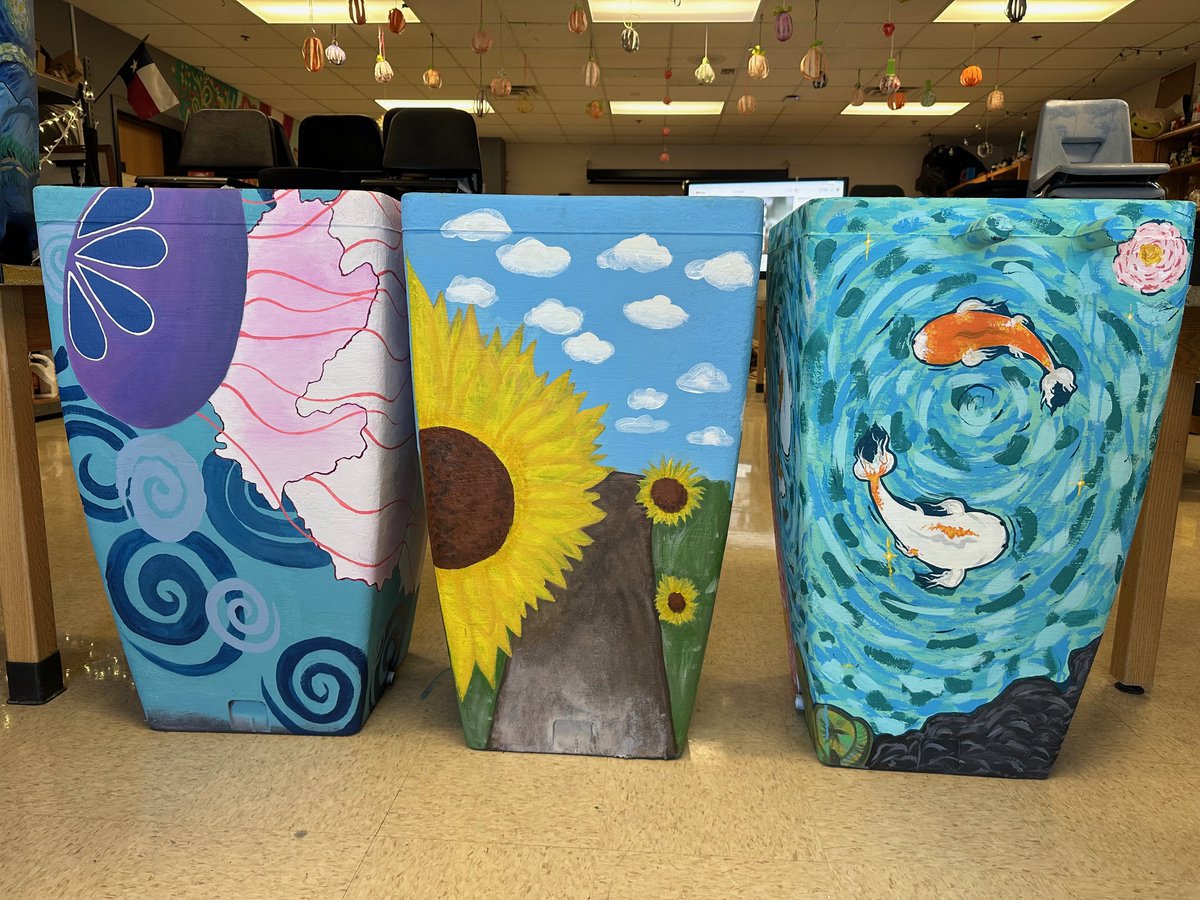
East View students Carly, Lillie, Trinity and Adalyn were selected to bring their creative designs to life on rain barrels that will be on display during the South Main Arts Festival in October.
In partnership with the @georgetowntx, the Painted Rain Barrel Project aims to raise awareness for water conservation in Georgetown.
You can learn more about the project on the city's website: https://t.co/lTsC2cozrh
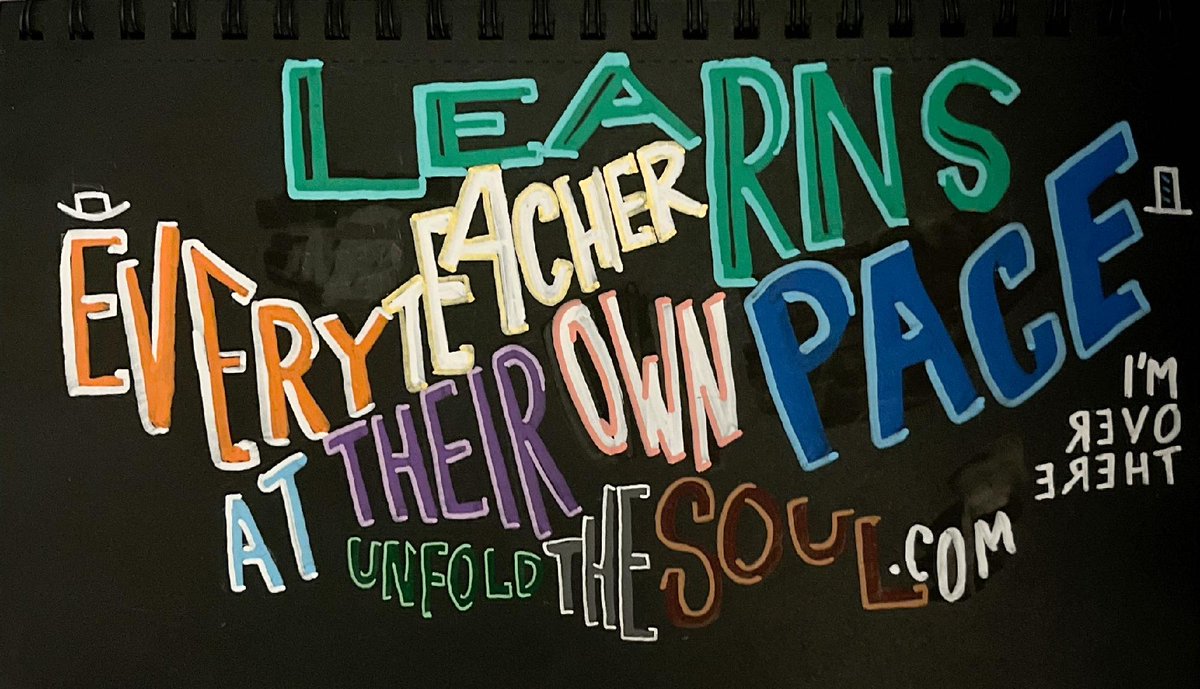
Every teacher learns at their own pace. But here’s the thing: kids don’t have the luxury of waiting. That’s why leadership must grow teachers faster, sharper, and stronger because student success can’t hit pause while we “figure it out.”
PROVIDE MODELS! The latest edition of ⚗️DistillED explores Rosenshine’s 4th Principle of Instruction—why students need cognitive support to solve problems. Teacher modelling, worked examples, and think-alouds make expert thinking visible!
https://t.co/Cqbf5qAruw
PROVIDE MODELS! The latest edition of ⚗️DistillED explores Rosenshine’s 4th Principle of Instruction—why students need cognitive support to solve problems. Teacher modelling, worked examples, and think-alouds make expert thinking visible!
https://t.co/Cqbf5qAruw
🏗️ SCAFFOLDING LEARNING! This guide unpacks the art of scaffolding—a precise, adaptive process that supports students ☝️upward, not lowering expectations👇downward. Inspired by the great work of @C_Hendrick & others!
🌱 Support my work by tapping REPOST and grab a FREE high-quality copy here: https://t.co/Xj2XpPGvnu
🏗️ SCAFFOLDING LEARNING! This guide unpacks the art of scaffolding—a precise, adaptive process that supports students ☝️upward, not lowering expectations👇downward. Inspired by the great work of @C_Hendrick & others!
🌱 Support my work by tapping REPOST and grab a FREE high-quality copy here: https://t.co/Xj2XpPGvnu