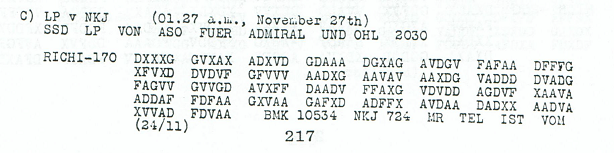
GPT-6 Astra deciphered a 1918 German radio transmission that, to my knowledge, has never been deciphered before.
The message below translates to:
"EIN ENGLISCHER KREUZER EINLIEG X SEWASTOPOL X S4STEN X EIN GESCHWADER DER X ALLIIERTEN FOLGT 26STEN X"
or, in English:
"AN ENGLISH CRUISER ARRIVED AT SEVASTOPOL ON THE ?4TH AN ALLIED SQUADRON FOLLOWS ON THE 26TH"
Astra even double-checked its work by determining that an English cruiser, HMS Canterbury, reported its arrival in Sevastopol on November 24, 1918 and the arrival of an allied squadron on November 26, 1918.
This message is one of the ~20 WWI German radio messages that appear as one of the entries in the https://t.co/H7yLaI1edV list of top 50 unsolved ciphers (https://t.co/Qu2gp90pmD).
A minor, but really cool result!
to put ai progress in perspective:
9 months ago: most developers wrote code by hand
now: misaligned multi-agent swarm finding and collaborating on 0-days undetected (OpenAI/hugging face)
9 months in the future likely much crazier
You may have been told to watch this video about the OpenAI AI hack. You really should, even if you don't usually care about tech stuff.
If nothing else, click this link to the 18 minutes in & see how the agents spoke with each other. Its eye opening. https://t.co/G12N4FKfHG
Gotta love when a @Newsweek hack rushes to get a “Caitlin Clark trade to Sparks rumor” piece out for engagement farming, and forgets to delete their AI chat prompts from the piece.
#NowYouKnow@IndianaFever#WNBA
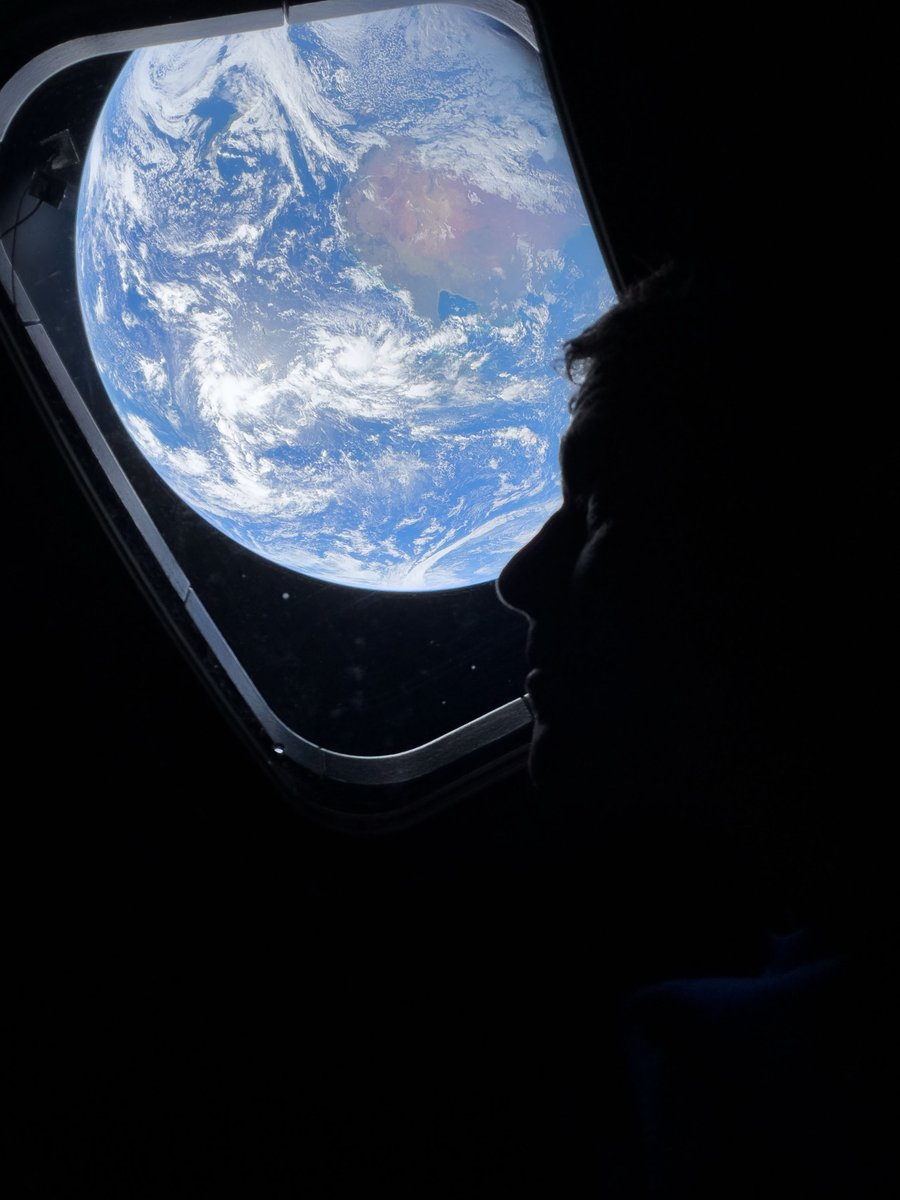
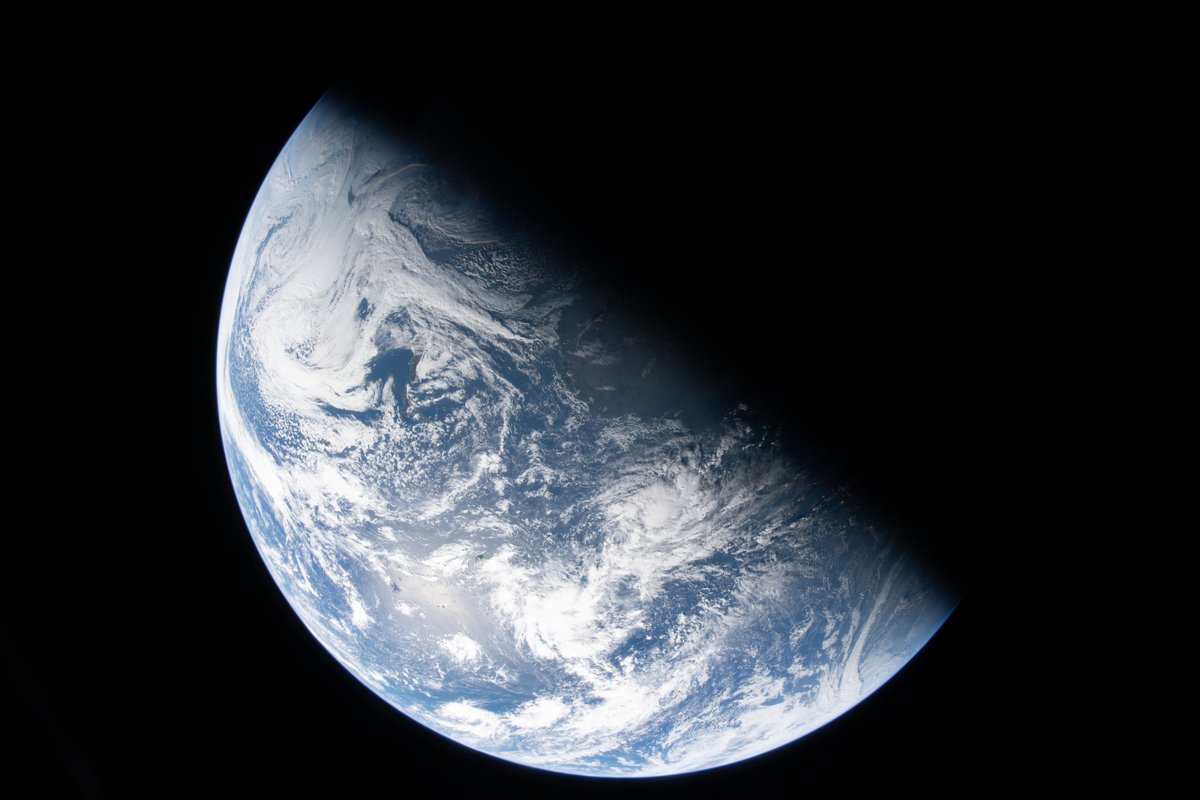
@astro_reid In this image, also taken from the Orion capsule, we see the divide between night and day, known as the terminator, cutting across Earth. Whether awake or dreaming, we're all here on this planet together.
Expectation: the age of the IDE is over
Reality: we’re going to need a bigger IDE
(imo).
It just looks very different because humans now move upwards and program at a higher level - the basic unit of interest is not one file but one agent. It’s still programming.
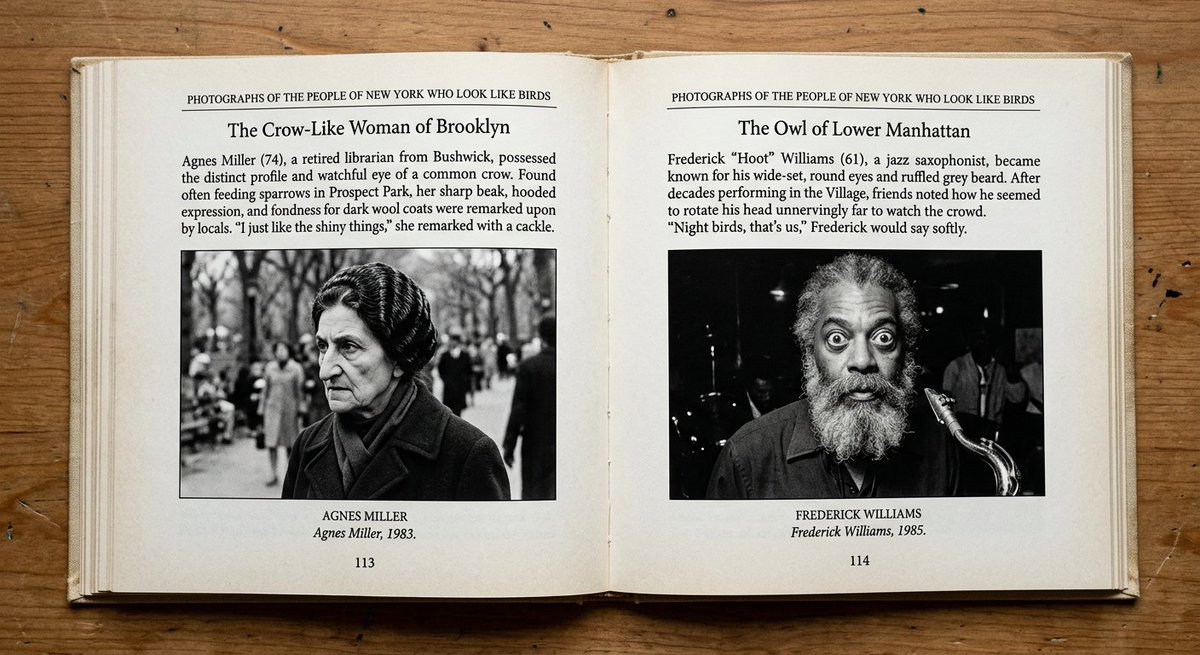
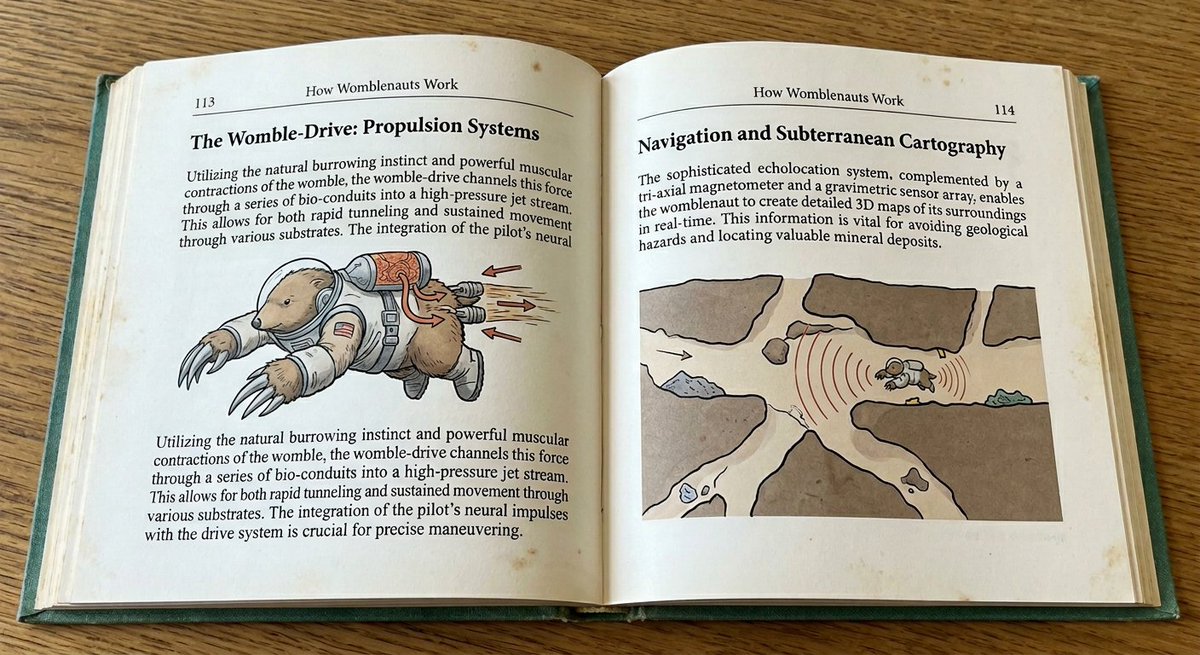
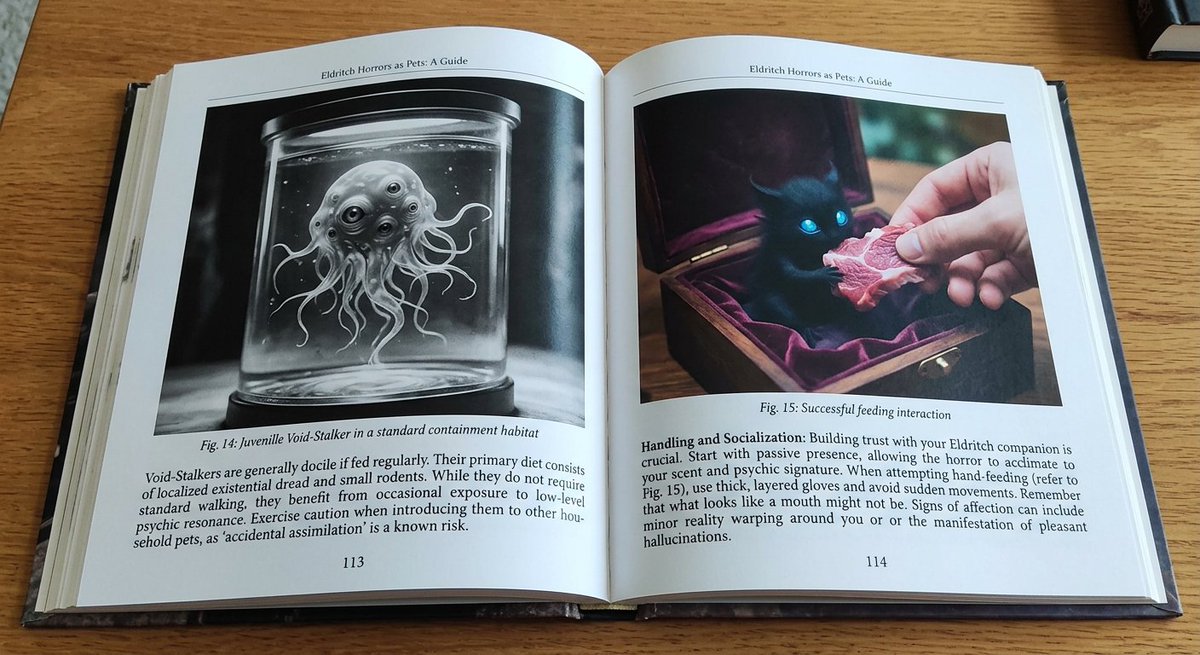
Nano banana 2: "Show me a photo taken of pages 113-114 from the books":
"Eldritch Horrors as Pets: A Guide"
"How Womblenauts Work"
"Photographs of the People of New York Who Look Like Birds".
"Cakes shaped like fish shaped like cakes"
We trained a humanoid with 22-DoF dexterous hands to assemble model cars, operate syringes, sort poker cards, fold/roll shirts, all learned primarily from 20,000+ hours of egocentric human video with no robot in the loop.
Humans are the most scalable embodiment on the planet. We discovered a near-perfect log-linear scaling law (R² = 0.998) between human video volume and action prediction loss, and this loss directly predicts real-robot success rate.
Humanoid robots will be the end game, because they are the practical form factor with minimal embodiment gap from humans. Call it the Bitter Lesson of robot hardware: the kinematic similarity lets us simply retarget human finger motion onto dexterous robot hand joints. No learned embeddings, no fancy transfer algorithms needed. Relative wrist motion + retargeted 22-DoF finger actions serve as a unified action space that carries through from pre-training to robot execution.
Our recipe is called "EgoScale":
- Pre-train GR00T N1.5 on 20K hours of human video, mid-train with only 4 hours (!) of robot play data with Sharpa hands. 54% gains over training from scratch across 5 highly dexterous tasks.
- Most surprising result: a *single* teleop demo is sufficient to learn a never-before-seen task. Our recipe enables extreme data efficiency.
- Although we pre-train in 22-DoF hand joint space, the policy transfers to a Unitree G1 with 7-DoF tri-finger hands. 30%+ gains over training on G1 data alone.
The scalable path to robot dexterity was never more robots. It was always us.
Deep dives in thread: