My latest weekly @CNBC#PowerInsider energy intelligence piece is out.
This week: Our Inside Line with the CEO @USCleanPower
Plus:
One solar stock that an analyst loves right now.
What I'm reading this week
and the link to my song of the week .. this one with heritage back to the Allman Brothers.
It's only 2 months old but the support has been tremendous. It's evolving and will keep changing and getting better as weeks go on. Let me hear your thoughts on what you want to see / read / hear more or less of.
Read it and sign up today, friends.
https://t.co/nINDcfNPDW
Can’t remember the last time I cried at the written word. But sitting here sobbing at the last paragraph, “an exercise in daydreaming.”
I’ve done lots of daydreaming. So have millions of other special-needs parents. What a blessing Sean — and sweet Judson — are to our community.
All the President’s Men turns 50 today.
This famous “six‑minute shot” is a masterclass in phone acting and pure technical nerve.
Director Alan J. Pakula and cinematographer Gordon Willis pull off a single, unbroken slow zoom: from a wide, humming newsroom to a tight close-up on Redford. No cuts. No safety net. Tension builds in real time.
Redford carries it with typical quiet confidence. Six minutes of note-taking and talking into a phone, no flashy “Oscar clip.” He even flubs a name (“McGregor” for “Dahlberg”), corrects himself naturally, and Pakula keeps it because it feels authentic.
The background is part of the story. As Woodward hones in on his phone call, everyone behind him huddles around a TV watching Senator Tom Eagleton resign. The contrast is deliberate: they chase the “obvious” headline, while the camera drifts past them to Woodward, and the real story.
To hold Redford and the busy background in focus early on, they used a split‑diopter lens, then had to ease it out as the camera moves in. A technical tightrope. The timing of both actor and cinematographer is spot on.
As Woodward closes in on the truth, the world literally falls away: the newsroom blurs, the noise fades, and we lock into his obsession. It’s one of cinema’s great moments: Redford doing almost nothing—and somehow everything at the same time.
What makes this shot brilliant is the contrast it carves between Redford and the newsroom around him. The visual language does the talking: he’s locked in, disciplined, driven, all focus and fire. He stands apart because the work matters more than anything else.
Give Bob McNally a good listen. Bob is former advisor to George W. Bush who understands the intersection of oil and geopolitics.
His book Crude Volatility taught me how to think about OPEC and spare capacity a decade ago. An absolute masterpiece.
I just revisited the 1985–1990 chapter. My base case is that this episode could run for months, and we may need to get used to a landscape that starts to resemble the tanker-war environment of the 1980s.
That would force tanker & cargo owners to reassess risk. In the mid-80s, producers like Kuwait had strong incentives to keep selling barrels after October 1985, as OPEC’s pricing power collapsed. The Saudis, fed up with quota cheating then like now, opened the taps and Brent crashed from $30 to $11/bbl.
Today the incentive structure may be very different. Among others, Middle Eastern suppliers are sitting on decades of sovereign wealth accumulation, giving them far more financial resilience than producers had back then. And no, war insurance isn’t the issue as often wrongly claimed. Anyway, time will tell.
Some news: I am taking on a new role within WSJ covering Google/Alphabet and the way AI is changing how we search for info. My focus is shifting, but power will continue to be a big part of the story. Expect more from me on the data center boom and its implications for the grid.
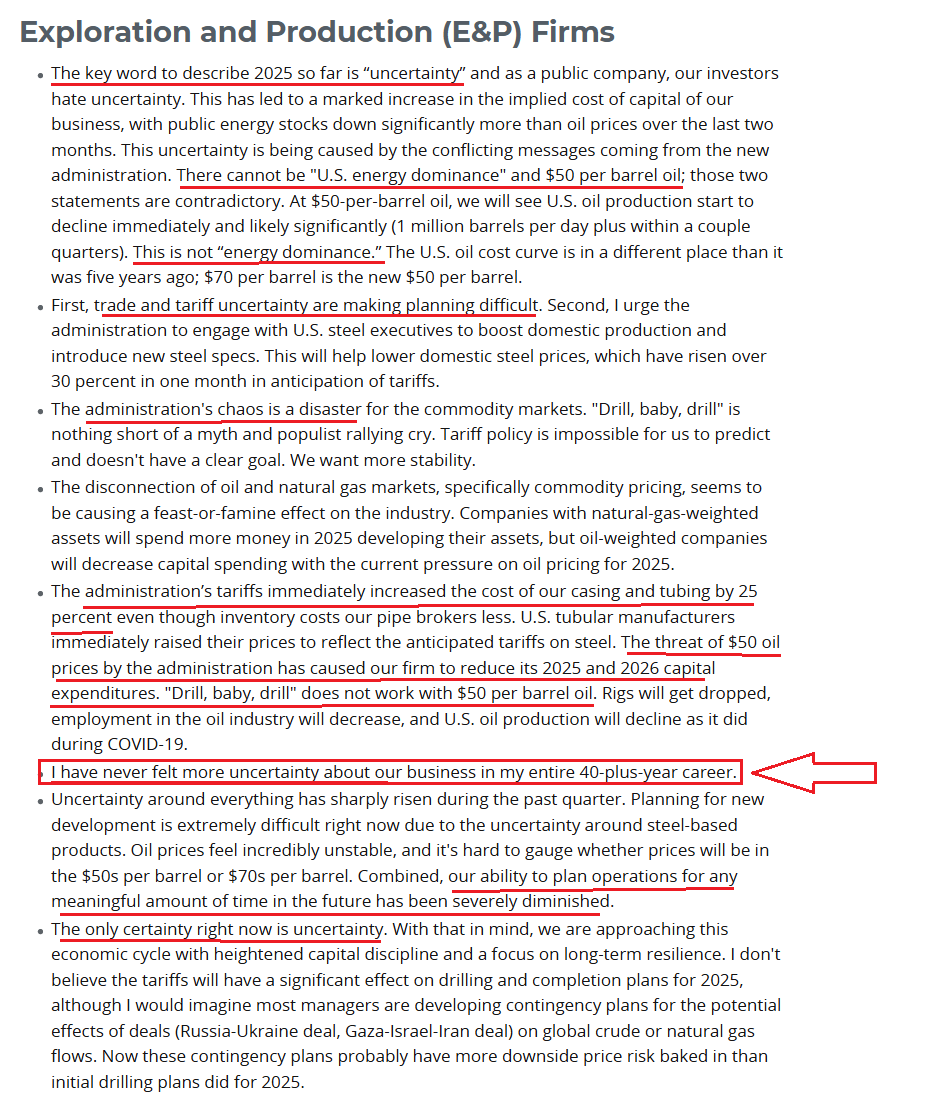
If you were to awake today for the first time in 6 months and read the @DallasFed quarterly energy survey, you may think Joe Biden is still at the White House.
Few times have I seen the American oil and gas industry so unhappy with Washington's policy | #OOTT
What does it say about the state of local journalism that it took five months for reporters to discover that the lawmaker repping Fort Worth is living in a memory care facility and no longer working?
https://t.co/q5Z0xF7NiV
@NERC_Official’s LTRA is a critical tool that informs policy and planning. Its latest outlook suggests tight conditions 2025-2029. POWER breaks it down here. #reliability
https://t.co/X7It9SUuuL
I am so fortunate to have worked with @JBWEyesonroad since I arrived at @Reuters. He and I worked on so many stories together including many late nights on last year’s @uaw talks and EV policy
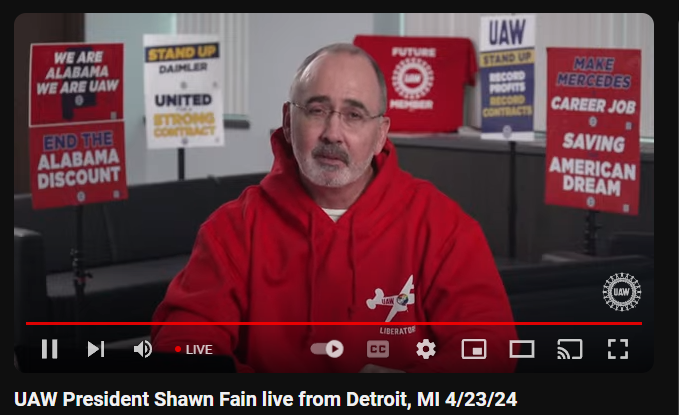
UAW President @ShawnFainUAW, with a smirk, shouts out "my friend" @jimcramer for saying that workers are winning. Fain agrees. (Cramer previous called Fain "frightening," and compared him to Russian revolutionary Leon Trotsky.)
Bloomberg News is looking for a deputy bureau chief in Germany - based in Berlin - who will also lead our German-language offerings. Great opportunity to take on a key role in a top-notch newsroom, check out details here: https://t.co/uSyv3PAs43
Since 2019, the electricity supplying New York City and Long Island has become dirtier and more emission intensive than the electricity system in Texas and the U.S. as a whole.
https://t.co/7L0251XAsL
"Three years ago, Angwin self-published Shorting the Grid: The Hidden Fragility of Our Electric Grid, the first-ever explanation for laymen of America’s labyrinthine, abstruse power markets."
https://t.co/SeLr7wuuc8
Starting a new gig today as the FT's Houston corro.
Still (obviously) covering energy, but also the wider corporate, economic and political scene in Texas.
Plz get in touch with tips on everything from oil patch gossip to brisket and sunburn remedies: [email protected]
A distant relative and the reason my hockey friends call me Motel 6. Have never met him but have known the voice for 3 decades. Bodett, Beaudette, Boudette - no matter how it’s spelled, we can all trace out lineage back to Jean Baudet, who came to Canada in 1665