Excited to share our #AmericanPsychologist paper on leveraging human-centered design (& its psychological underpinnings) to achieve contemporary #ImpSci goals. It's time to exact our "return on investment!" :) @stephkbrewer @patjisan #HCD@APA@UWALACRITY
https://t.co/kAOssPXSQu
Excited to have our #openaccess#mixedmethods pilot study of the Equity-Explicit Establish-Maintain-Restore (E-EMR) intervention published in J. of School Health as part of a @rwjf spec. issue on the #wholeschool, #wholecommunity, #wholechild framework! https://t.co/kz5NfwL1HU
Really enjoying the @UW@SMARTCtr's virtual hangout today! Fantastic to see so some of our folks' smiling faces & to just connect about things that have nothing to do with our projects! #COVID19@UWPsychiatry@UWCollegeOfEd
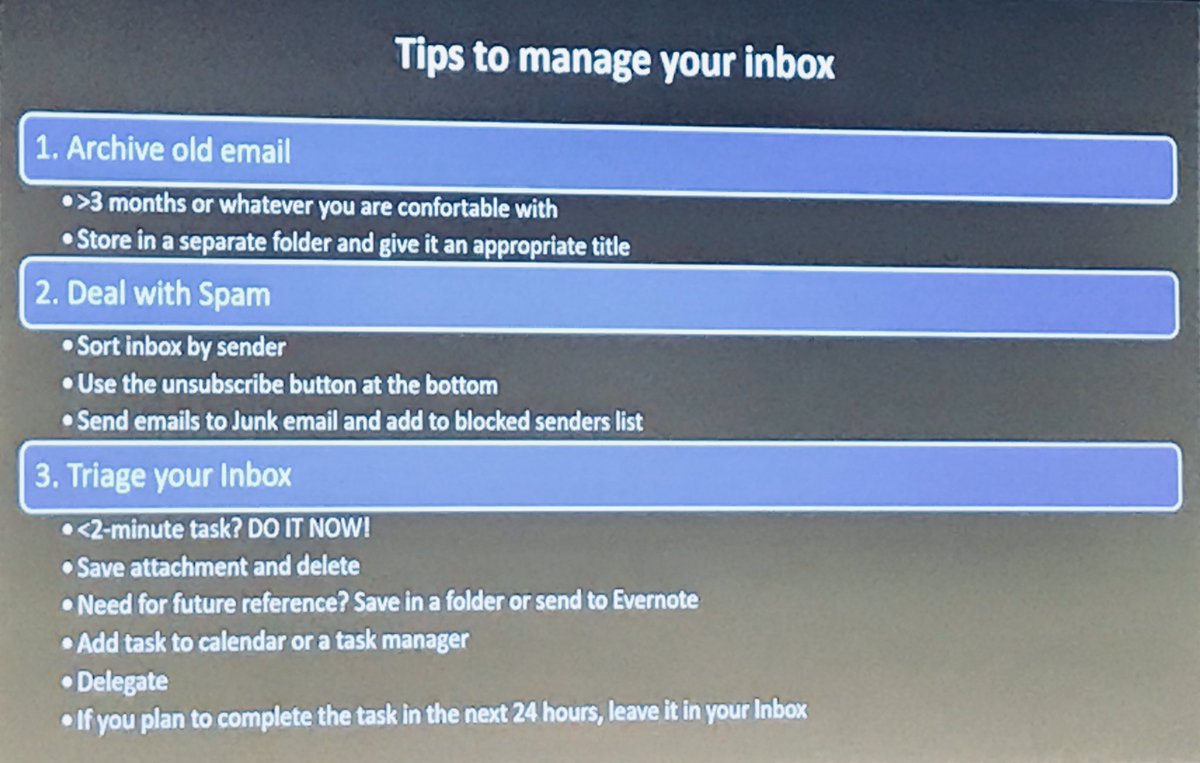
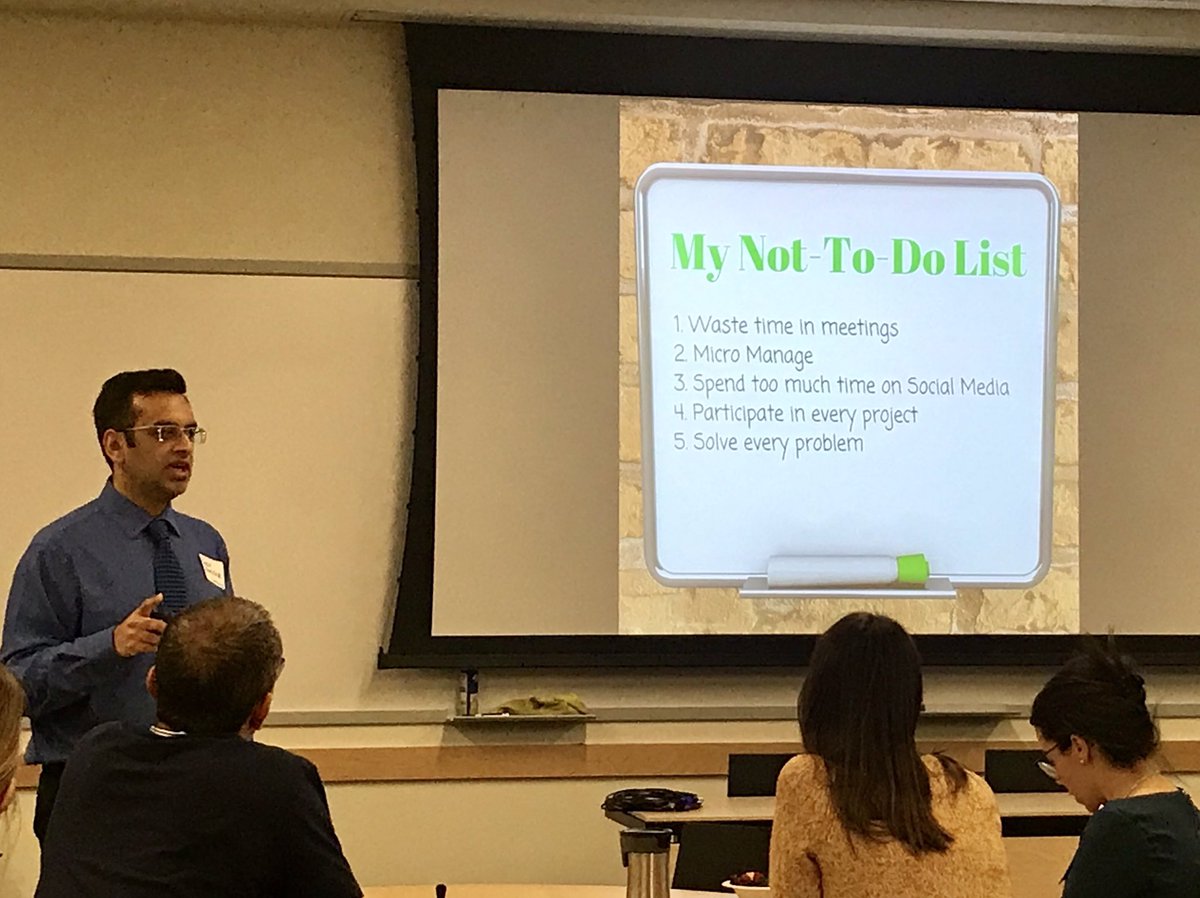
Plus tons of fabulous strategies for managing email, tech tools that support productivity, and integrating productivity systems in a 2-career household!
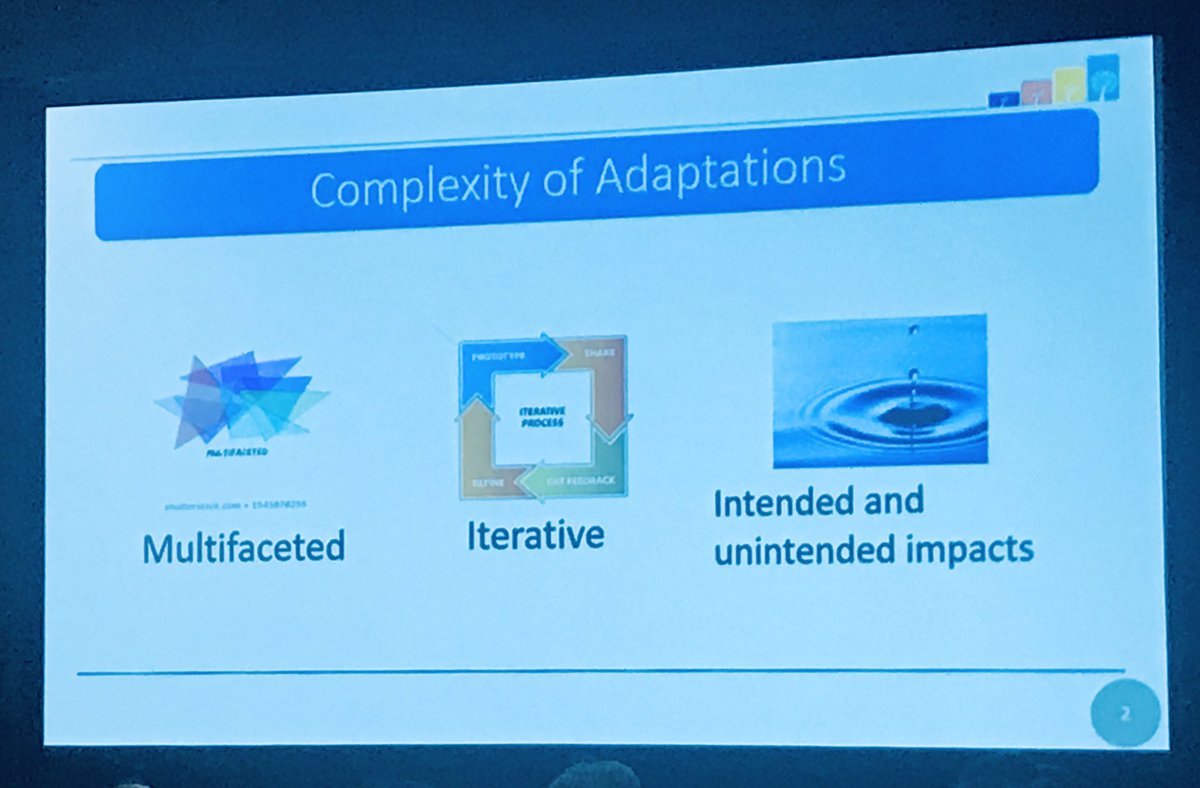
What a cool session for this final morning of #DIScience19 ... Here are some of @MittmanBrian 's implications when thinking about core *functions* and *forms* of interventions! @AcademyHealth#impsci
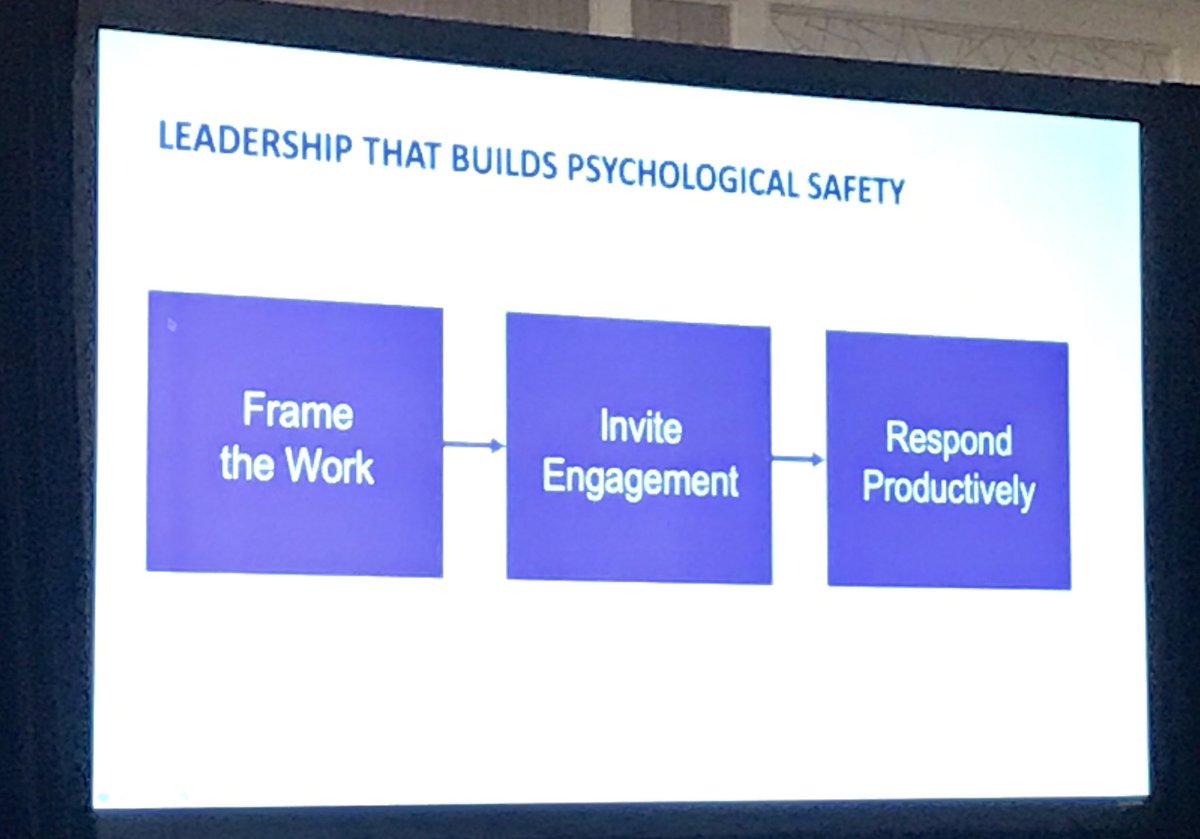
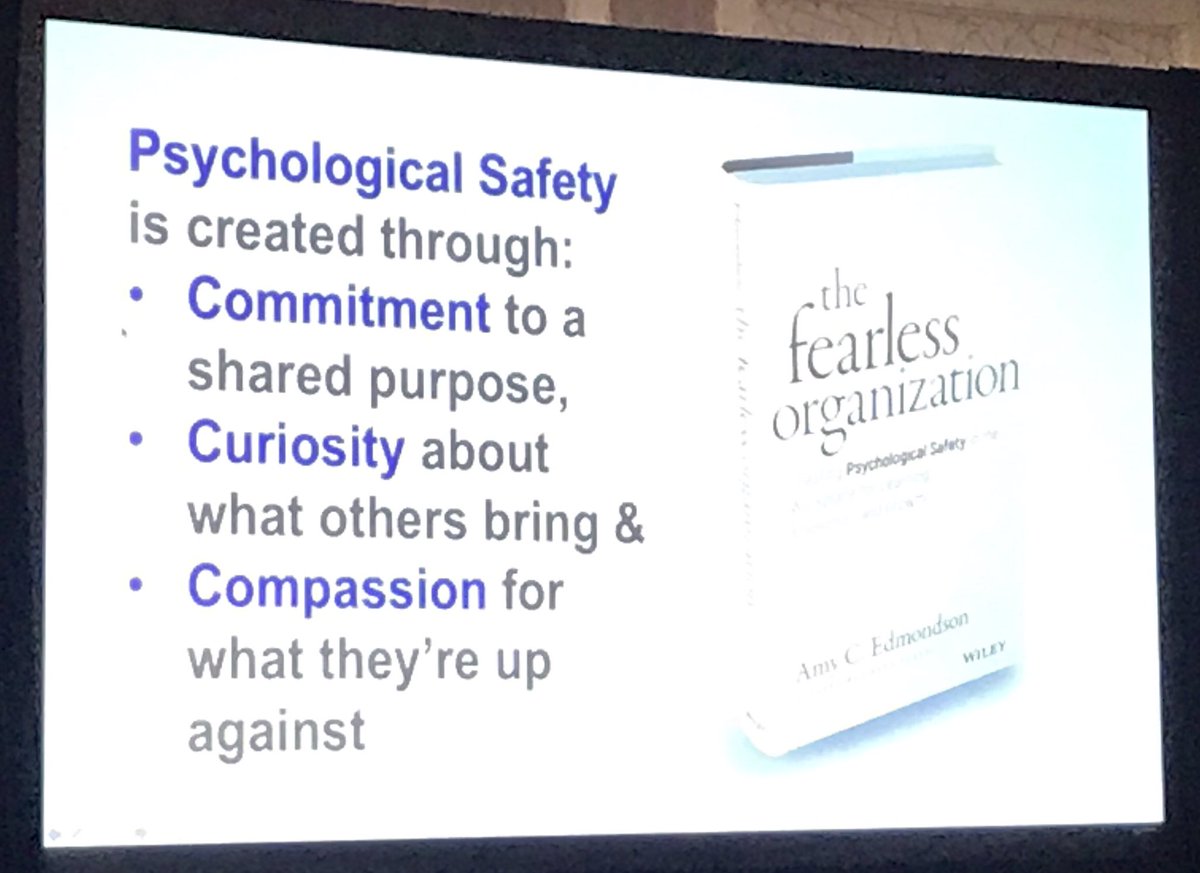
Thank you @AmyCEdmondson for sharing how groups with psychological safety have better outcomes! Leaders can ask questions like "Who has a different perspective?" to frame the work, invite engagement, & respond productively #DIScience19@AcademyHealth@WorkFearlessly
The @SMARTCtr’s own Kristine Lee kicking off a session on the RELATE program for building student-teacher relationships! Take note, all, she’s amazing, applying to graduate school this year, & you’d be lucky to have her! #ASMH2019@NCSMHtweets @ClayCook_phd
@Rsbeidas@DrRachelShelton@mlanefall@Penn_MSHP @SWS_FASTLab @BaumannAna@bethp_DI I love this discussion!! Lots of "on the ground" changes are made to improve imp outcomes (feasibility, appropriateness), but for me it's hard to think about reactive/unplanned tweaks as an imp strategy per se