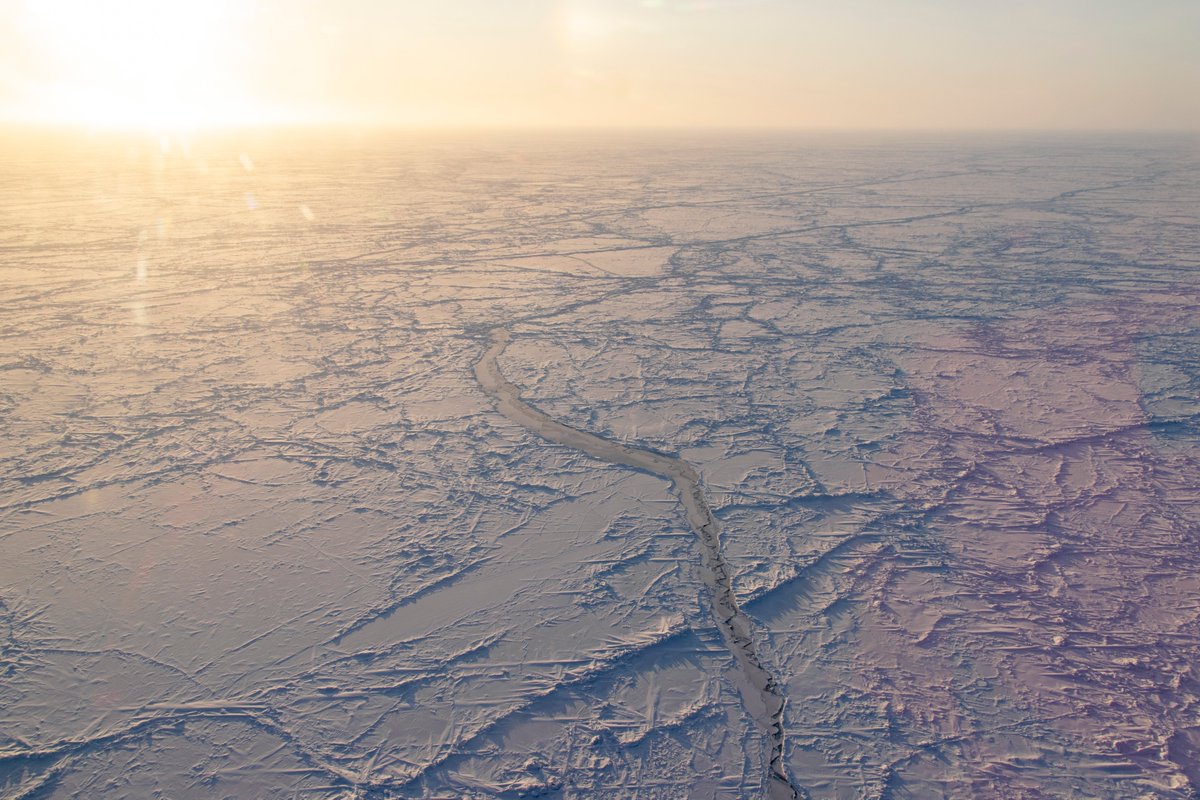
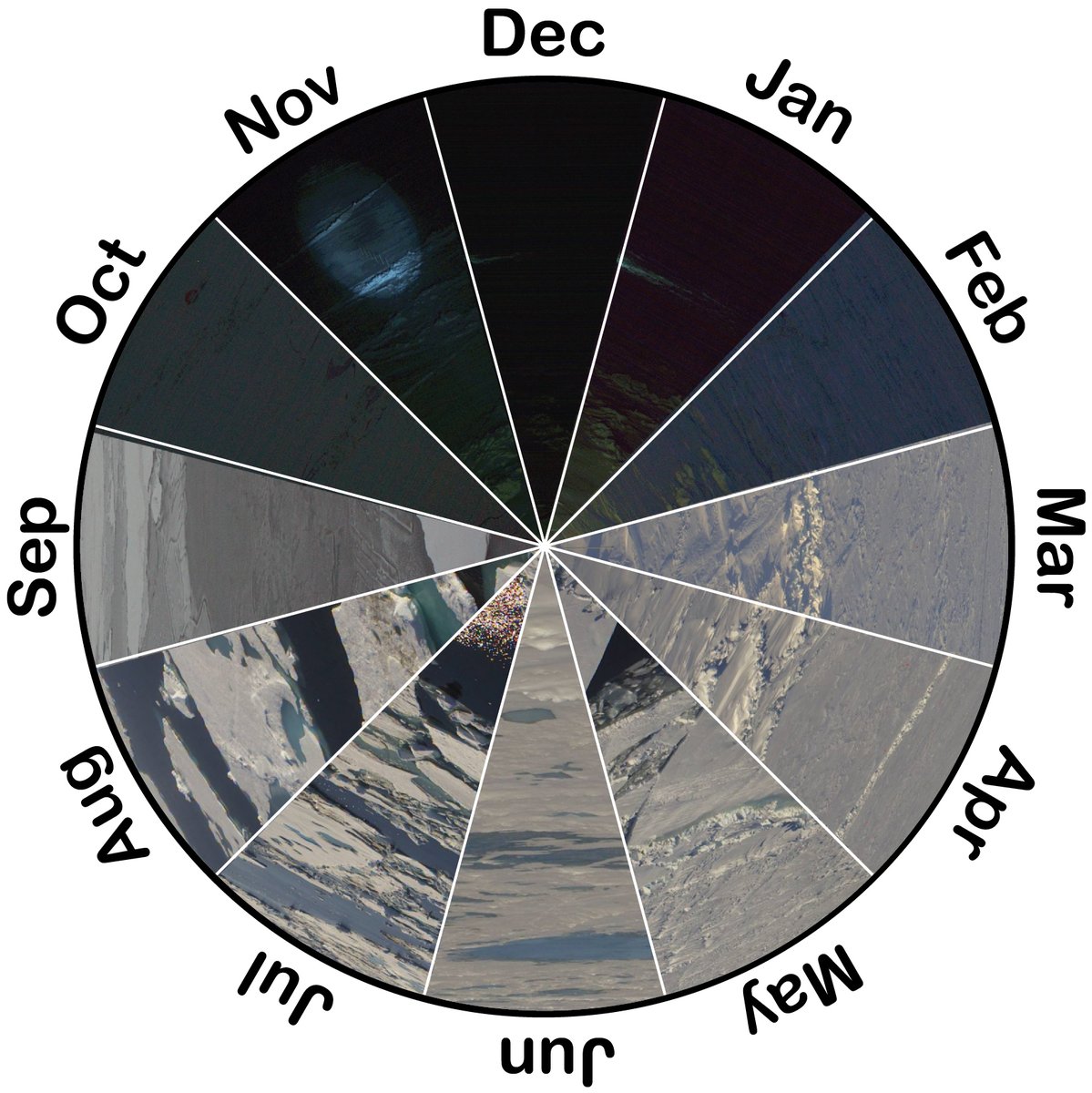
New @MOSAiCArctic / @NASA_ICESat2 pre-print on sea ice topography at different scales and most importantly - linking them! 🛰️🚁 Some great work lead by @_RobertRicker and @steven_fons! Check it out, it's open for comments.
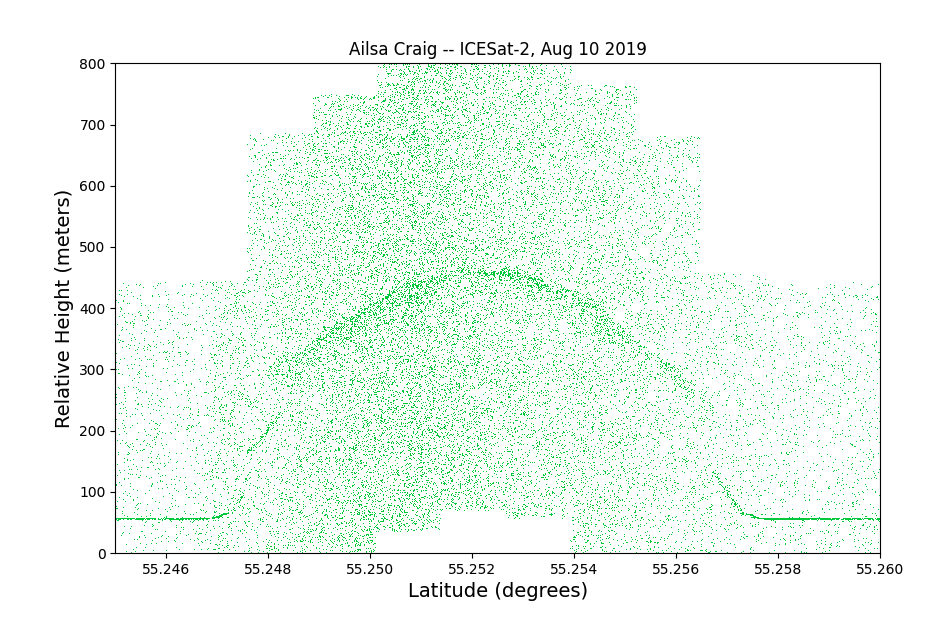
As the Winter Olympics draw to a close, we still have questions about curling -- like, how high is the rocky uninhabited island where their stones are quarried?
It’s #PhotonPhriday to the rescue! #ICESat took height measurements of the Scottish isle in 2019.
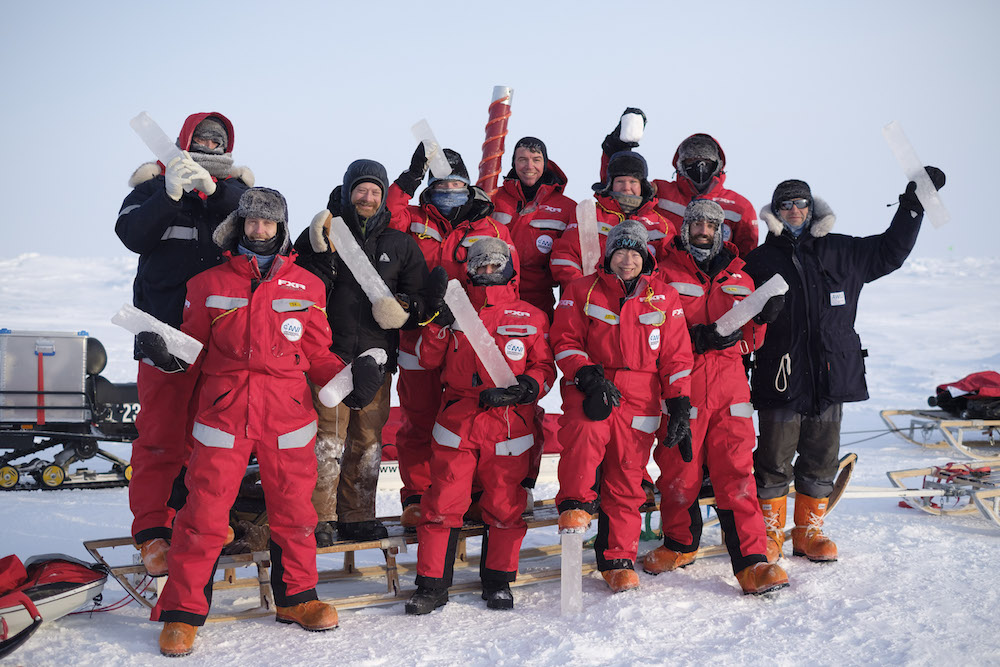
@MOSAiCArctic results published today: Overviews from #ice, #ocean, and #atmosphere in Elementa @ucpress. Thanks to >200 co-authors from all over the world. It became an amazing collection. @AWI_Media https://t.co/oVQCWm0NP0
Some of the coolest jobs around take place here on our home planet. 🌏
Rachel Tilling studies sea ice and how we measure it using data from satellites like NASA's ICESat-2 mission. Learn more about Rachel and @NASA_ICE: https://t.co/P0V8pRnzAz
With the powers of ICESat-2 & CryoSat-2 combined, scientists have a new way to study Arctic sea ice!
In today's #PhotonPhriday, discover what happens when you measure the same stretch of ice, snow, & open water with laser (#ICESat2) & radar (@esa_cryosat) instruments.
🛰️ ❄️ 🛰️
🐼 A precious giant panda cub has arrived! We’re overjoyed to share that Mei Xiang gave birth at 6:35 p.m. and is caring for her newborn attentively. Positive mothering behaviors include nursing her cub and cuddling it close. 👀🎥 TUNE IN: https://t.co/99lBTV2w92. #PandaStory
.@esaoperations just confirmed that the last #CRYO2ICE manoeuvre was successfully executed and #CryoSat is in perfect shape!🎉 This means CryoSat is now officially in sync with @NASA_ICE's #ICESat2. We can't wait until we can share the first results with you🛰️🧊🛰️
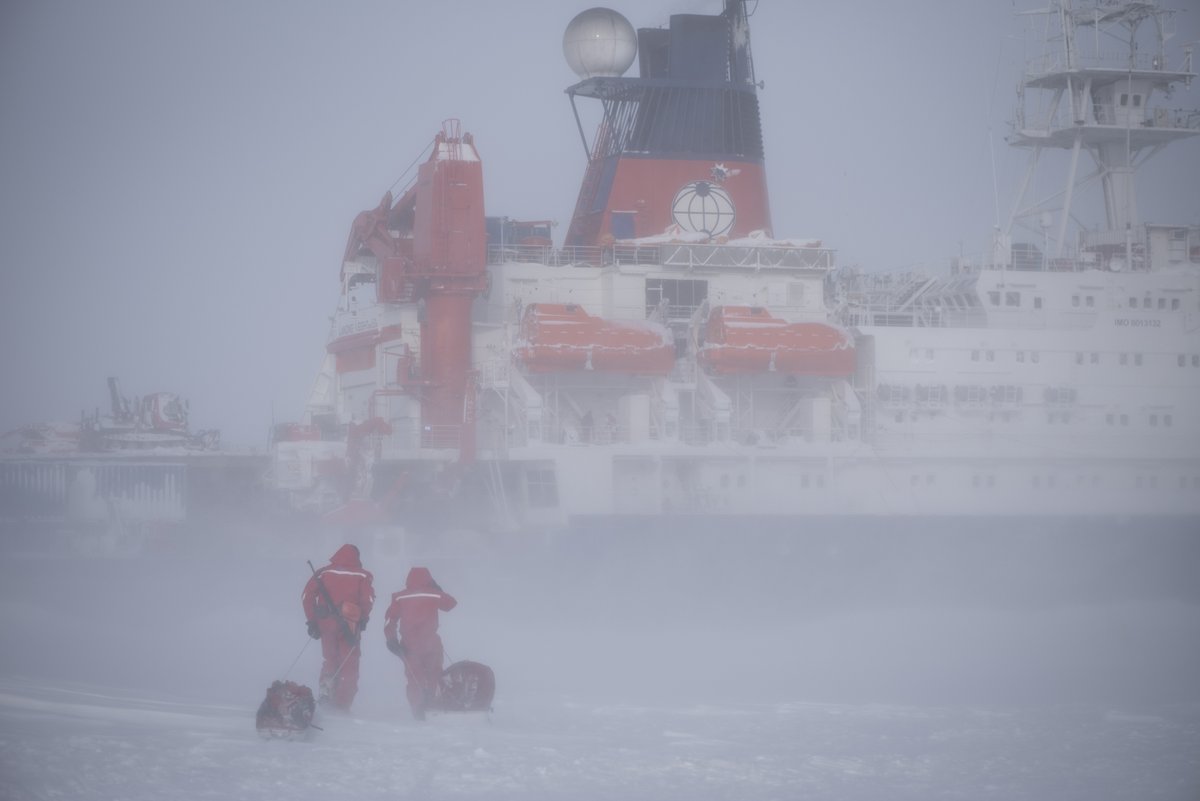
It’s hard to imagine intentionally freezing a ship into the Arctic ice, but that’s just what researchers with the @MOSAiCArctic#EarthExpeditions mission did. Over the course of a year, they’re compiling data on marine biology, meteorology and more.
https://t.co/TO6flcT0bP
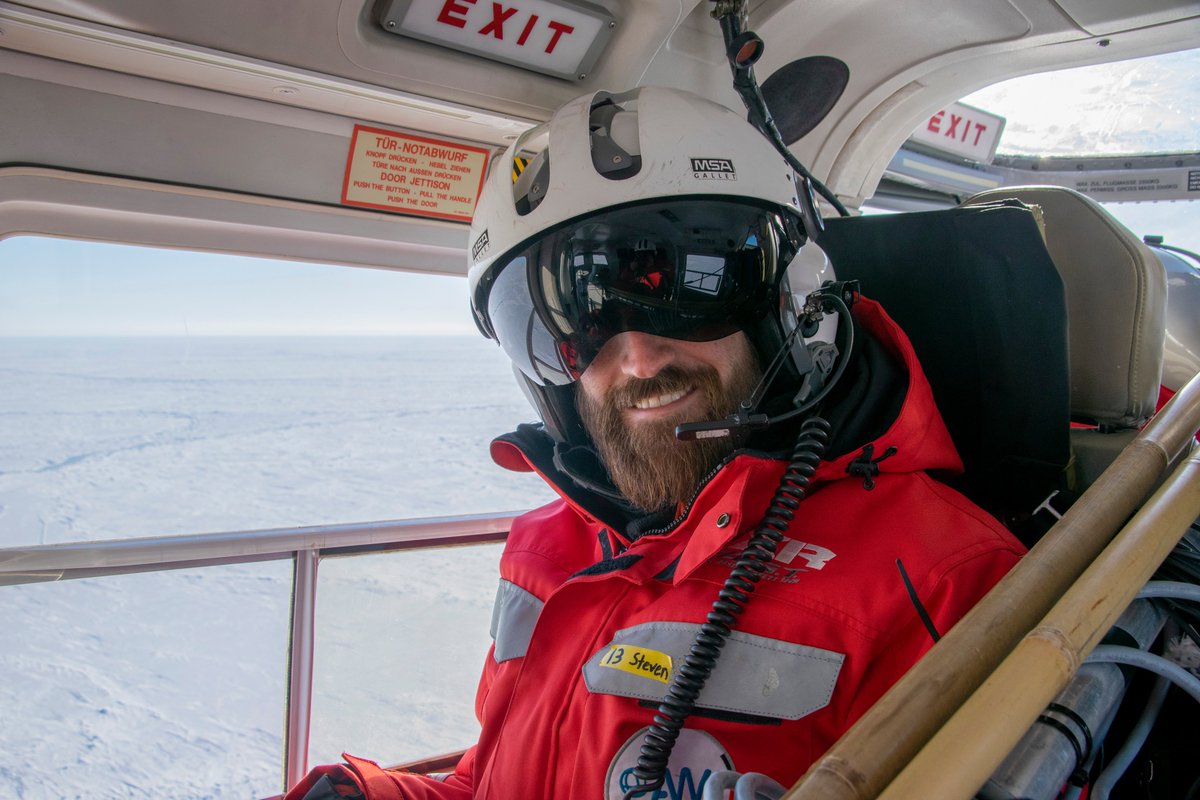
It’s #FieldworkFriday! Today we feature @steven_fons (PhD candidate @UofMaryland). This satellite scientist ventured out to join leg 3 of @MOSAiCArctic, where he drilled sea ice cores, grew a wicked expedition beard, and collected data to help validate @NASA’s ICESat-2 satellite.
#CRYO2ICE is kicking off in one week!🎉 Once #CryoSat and #ICESat2 will be in sync, their combined data will, among others, allow scientists to measure snow depth from space, improving the accuracy of sea ice thickness measurements and ice-sheet elevation time series🛰️🧊🛰️
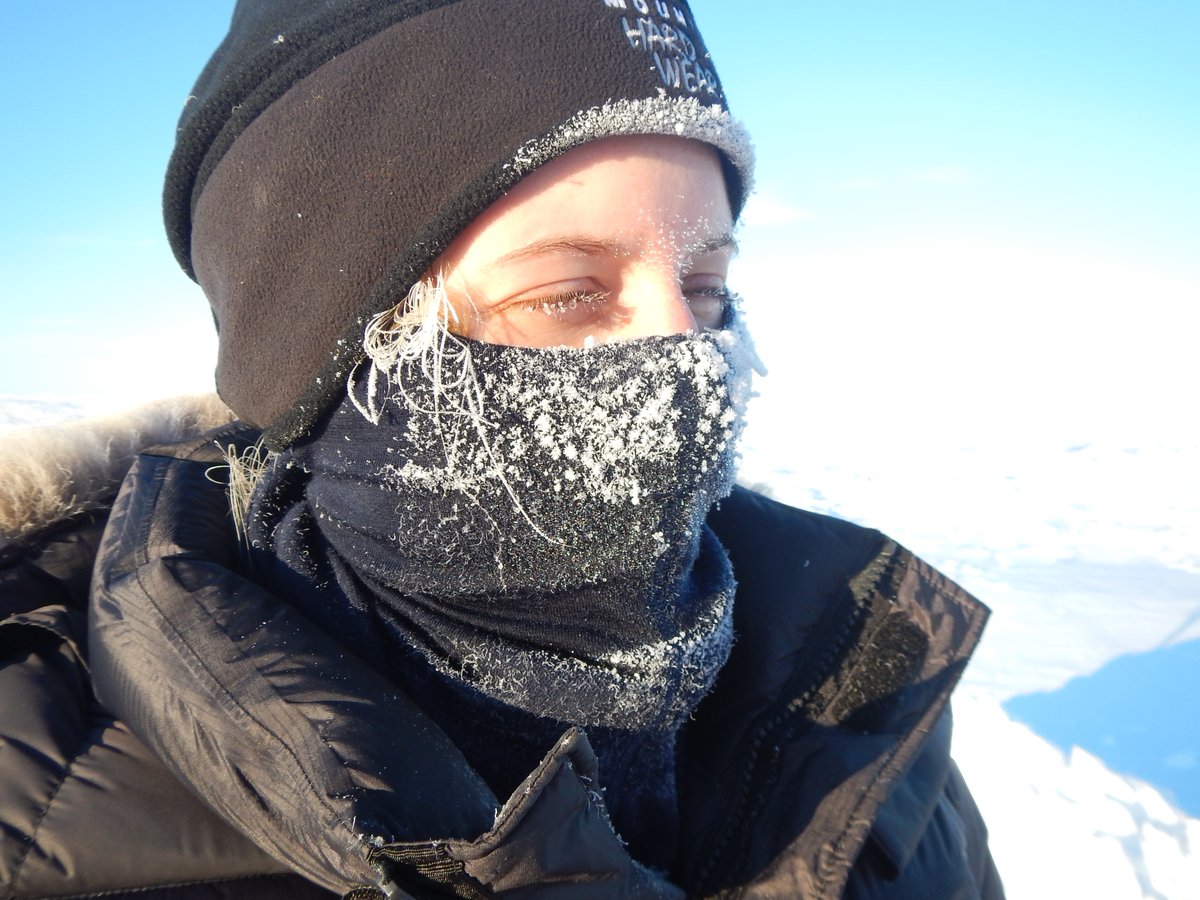
Had a great time @plymouthschools talking with 3rd grade students about winter weather, sea ice, and @MOSAiCArctic. This is how we felt after learning how cold it gets in the Arctic!
Satellite scientists need fieldwork too! @rachel_tilling uses satellite data to measure sea ice thickness from space. She’s traveled to the #Arctic and #Antarctic to validate her measurements using a ground-based radar and says it’s the best “office” on Earth. #FieldworkFriday
Great new paper out on PPM1D mutant DIPGs and synthetic lethality with NAMPT inhibitors! A lot of blood, sweat, (some tears) and hardwork went into this one, but you #cantstopbiology. @ranjitbindra@CharlesMBrenner @TGen @NatureComms https://t.co/d85gOY3hB7
Congratulations to @UW_AOS & @NelsonInstitute Professor @profdesai, who was recently named the Reid Bryson Chair for CPEP. Learn more at: https://t.co/G9HV1Mb4iu