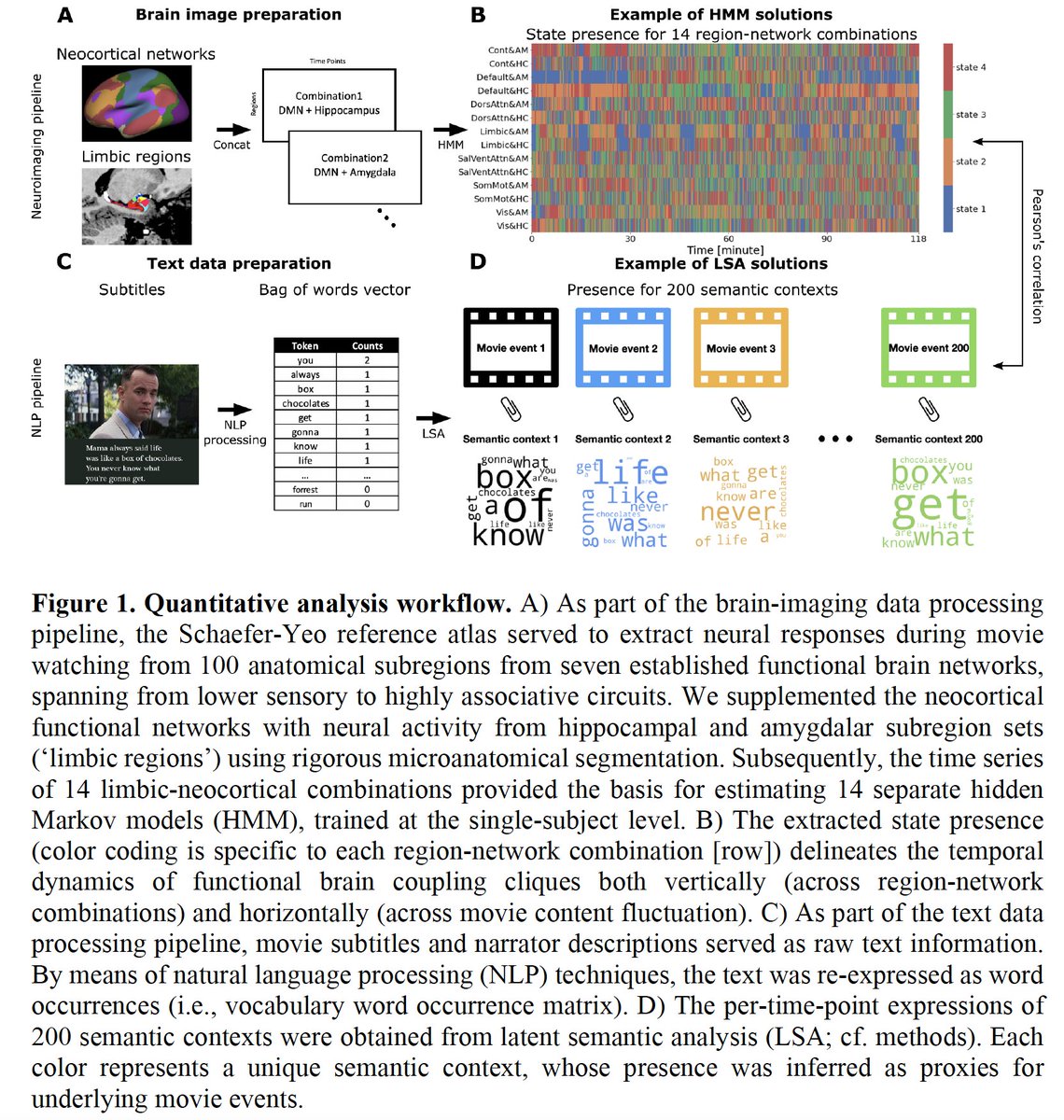
We used data from 14 participants who watched Forrest Gump while their gaze was tracked (https://t.co/4u4TYoiTEl; thanks @eknahm and colleagues).
We determined phases of relatively high/low heart rate and used them as indicators of high/low arousal.
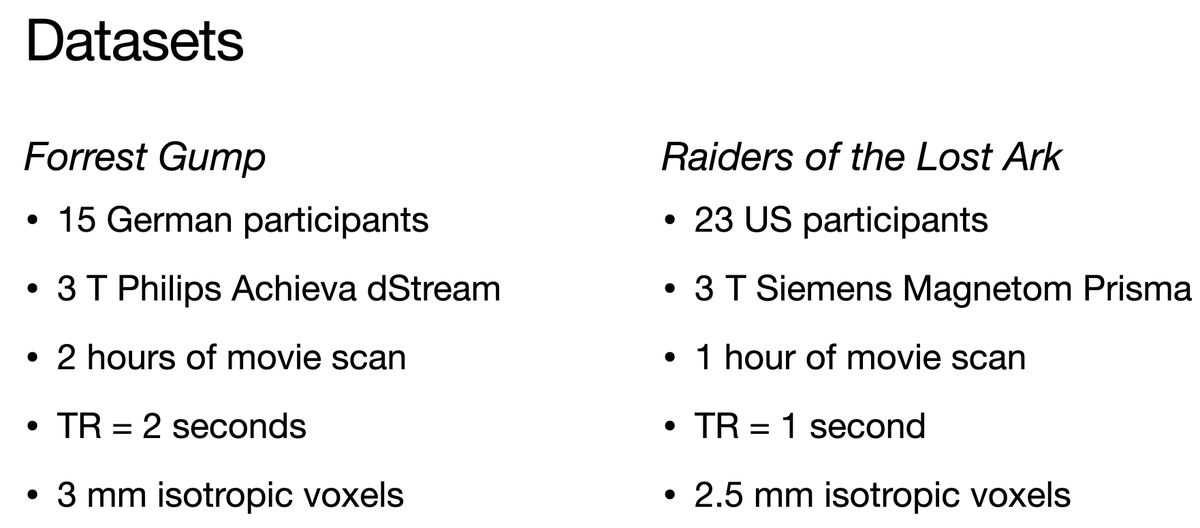
We used the amazing @studyforrest dataset and an in-lab Raiders dataset to assess our model. These two datasets were collected with different movies, different participants, and different scanners and scan parameters, allowing us to evaluate model performance in diverse settings.
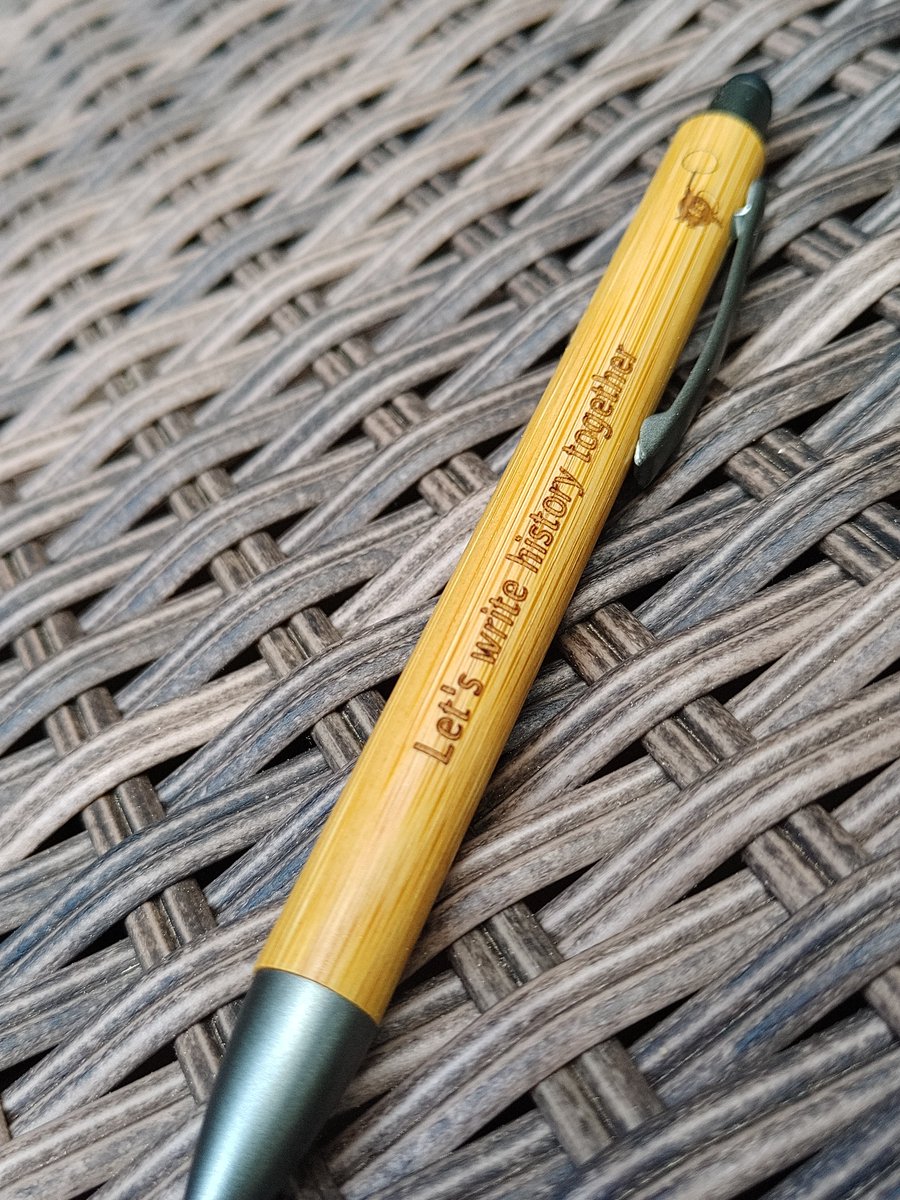
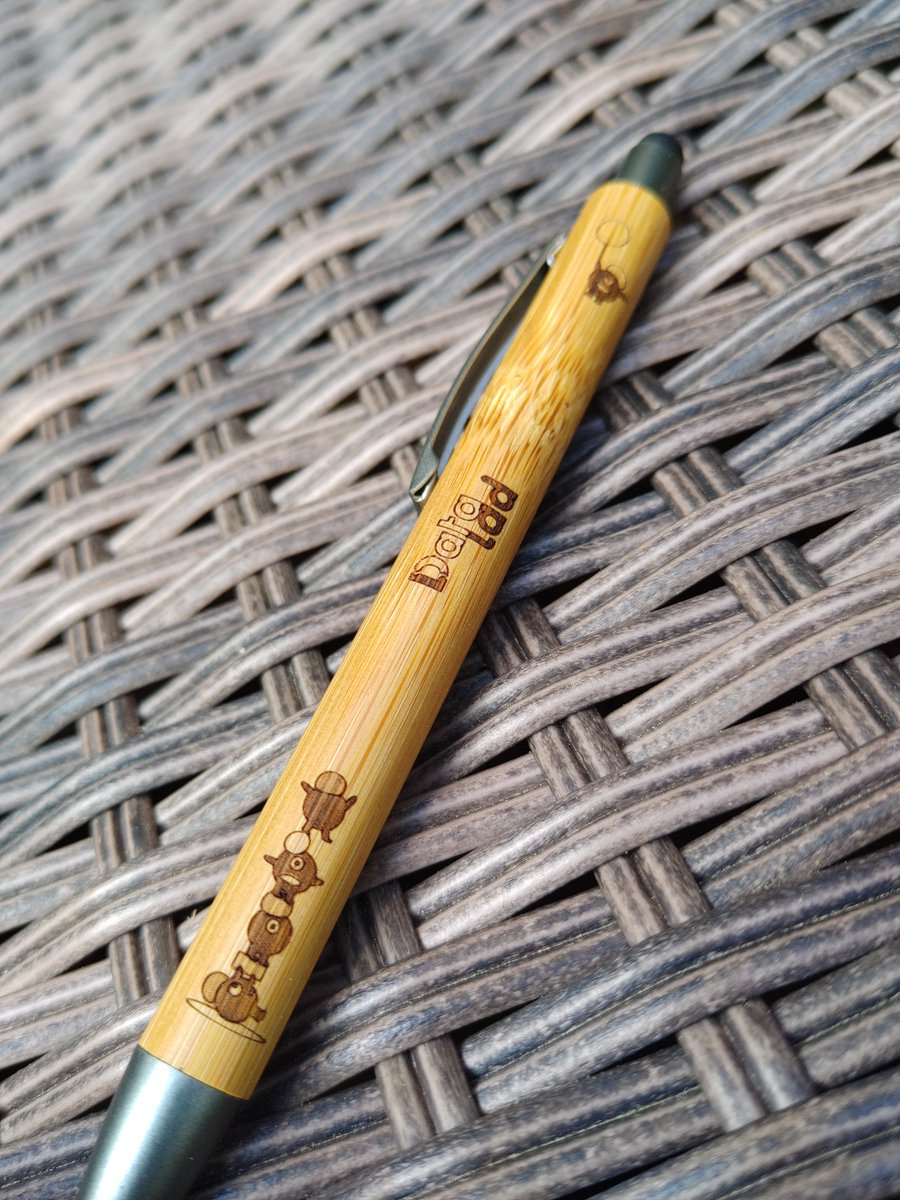
Psst... We'll be at the @OHBM in Glasgow next month, and fired up a laser cutter to bring hand-crafted goodies - we just need more puns! So here's the deal: The DataLad-related pun with most likes underneath this posts wins a custom DataLad pen with their own message. Let's go!🥳
But does the framework generalize? To demonstrate its potential for transparent sharing we adapted it to open data (@studyforrest) and open source software (#fmriprep). Thanks to @ReproNim and @yarikoptic for readily providing it in a container collection!
7 years after the first data publication of the project there is now an independent extension with full-length MEG data!
A studyforrest extension, MEG recordings while watching the audio-visual movie “Forrest Gump” https://t.co/VpWeSXflJ3
This is crazy cool! I did not have a close look at the data yet, but the possibilities are huge! Finally data to explore the temporal domain, and maybe even play with fusion approaches. I am so glad that the authors did this, and took the open path. Thank you very much!
7 years after the first data publication of the project there is now an independent extension with full-length MEG data!
A studyforrest extension, MEG recordings while watching the audio-visual movie “Forrest Gump” https://t.co/VpWeSXflJ3
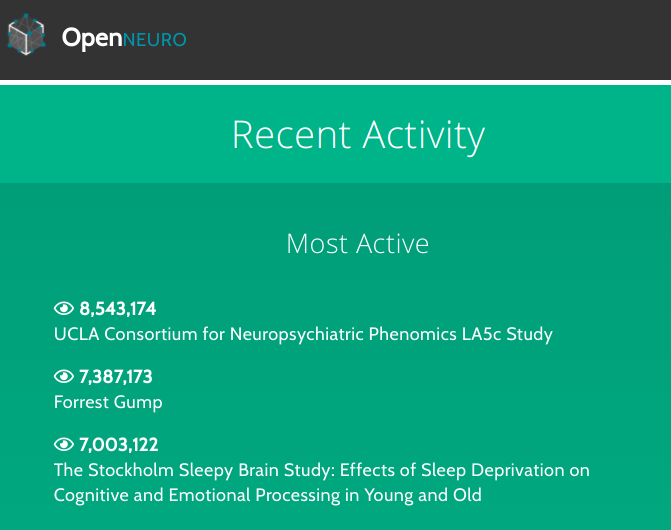
Initially published 7 years ago, the @studyforrest dataset is the 2nd most active dataset on @OpenNeuroOrg today (check it out on https://t.co/uh3qaz3icx). Thanks y'all for the continued interest. Every day, the time spent on it in the past becomes more meaningful!
@aina_puce @eknahm@yarikoptic@g_kiar@OHBM I feel like everyone should leave an emoji-appreciation on the PR that did the magic, as a little bit of feedback on how much this has improved all of our experiences: https://t.co/oaJhRDwNqQ
@mafeilong will present at 8pm EDT @OHBM#OHBM2021 on modeling idiosyncratic cortical functional topographies using movie data and #hyperalignment https://t.co/Dt9KDWyqHW. Watch introduction video at https://t.co/PWUoY9tfCC
Thanks to @PsyInfOlaf low-level perceptual confound annotations are now available for the Forrest Gump movie stimulus and its audio description. 1/5 #studyforresthackathon
https://t.co/6nEhyO8hVS
The latter are like md5sums for the pixel content of a movie frame (also available), but their bitwise distances are interpretable as "magnitude of visual difference". This information can be used to quantify the visual "load" of the stimulus (e.g. to detect cuts). 4/5