The theatre of the privileged: can’t cook, can’t clean, can’t manage kids, can’t drive, can’t walk the dog… and now apparently can’t carry shopping bags either.
The availability of cheap labor in India has created an entire class of adults without basic life skills.
🦔 Meta contractors in Kenya told Swedish newspapers they're being asked to review intimate footage from Ray-Ban AI glasses, including people undressing, using the bathroom, watching porn, and filming sex. One contractor said users often don't realize they're still recording when they set the glasses down. Meta sold 7 million pairs in 2025, up from 2 million in 2023-2024 combined.
Users can't use the AI features without agreeing to share data with Meta's servers, and the terms of service bury the fact that humans may manually review your footage. One annotator said "if they knew about the extent of the data collection, no one would dare to use the glasses."
My Take
This is the Google Home story again but worse. At least with cameras in your house, you know where they are. These are glasses you wear on your face that keep recording when you take them off and set them on your nightstand. And the footage goes to contractors overseas who are paid to watch and label it for AI training. One worker described seeing a man leave the room, then his wife come in and change clothes. People forget the camera is still on.
Meta buries all of this in terms of service nobody reads. The product is marketed as a cool way to capture your life and interact with AI. The reality is strangers in Kenya watching you undress so they can annotate the footage to make Zuckerberg's AI better. Seven million people bought these last year. I'd bet almost none of them understood what they were actually agreeing to.
Hedgie🤗
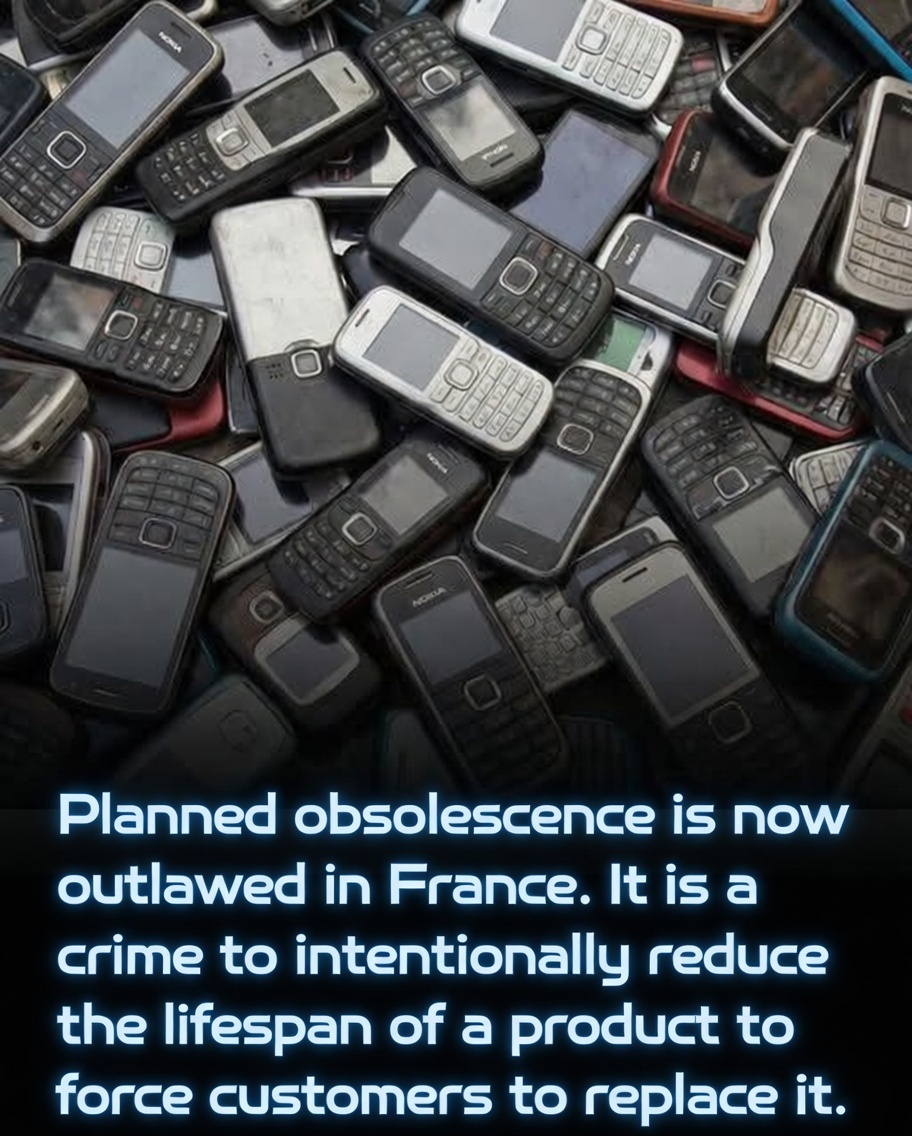
France has made planned obsolescence a criminal offense, becoming one of the first countries in the world to treat deliberate product shortening as a serious crime.
Manufacturers caught intentionally designing electronics, appliances, or other goods to fail prematurely or become unusable—whether through hardware flaws, software updates that slow performance, or other engineered limitations—now face steep penalties: up to 2 years in prison and fines reaching €300,000, or as high as 5% of their average annual turnover in the most serious cases.
This landmark law, building on France’s earlier consumer-protection framework and reinforced by high-profile scandals (such as the 2017–2018 investigations into smartphone “battery-gate” slowdowns), explicitly targets both physical and digital tactics used to push consumers toward frequent replacements.
The legislation is more than just punishment—it’s a cornerstone of France’s broader “right to repair” agenda. By criminalizing practices that drive premature disposal, the government aims to:
- Slash the massive environmental footprint of electronic waste,
- Protect consumers from hidden “forced upgrades,”
- Encourage manufacturers to prioritize durability, repairability, and longer-lasting support.
France’s tough stance sends a clear message to global tech and appliance companies: the era of disposable-by-design products is ending. By leading the charge on sustainability and consumer rights, the country is helping shift the world toward a more circular economy—one where goods are built to last, repaired when needed, and discarded only when truly necessary.
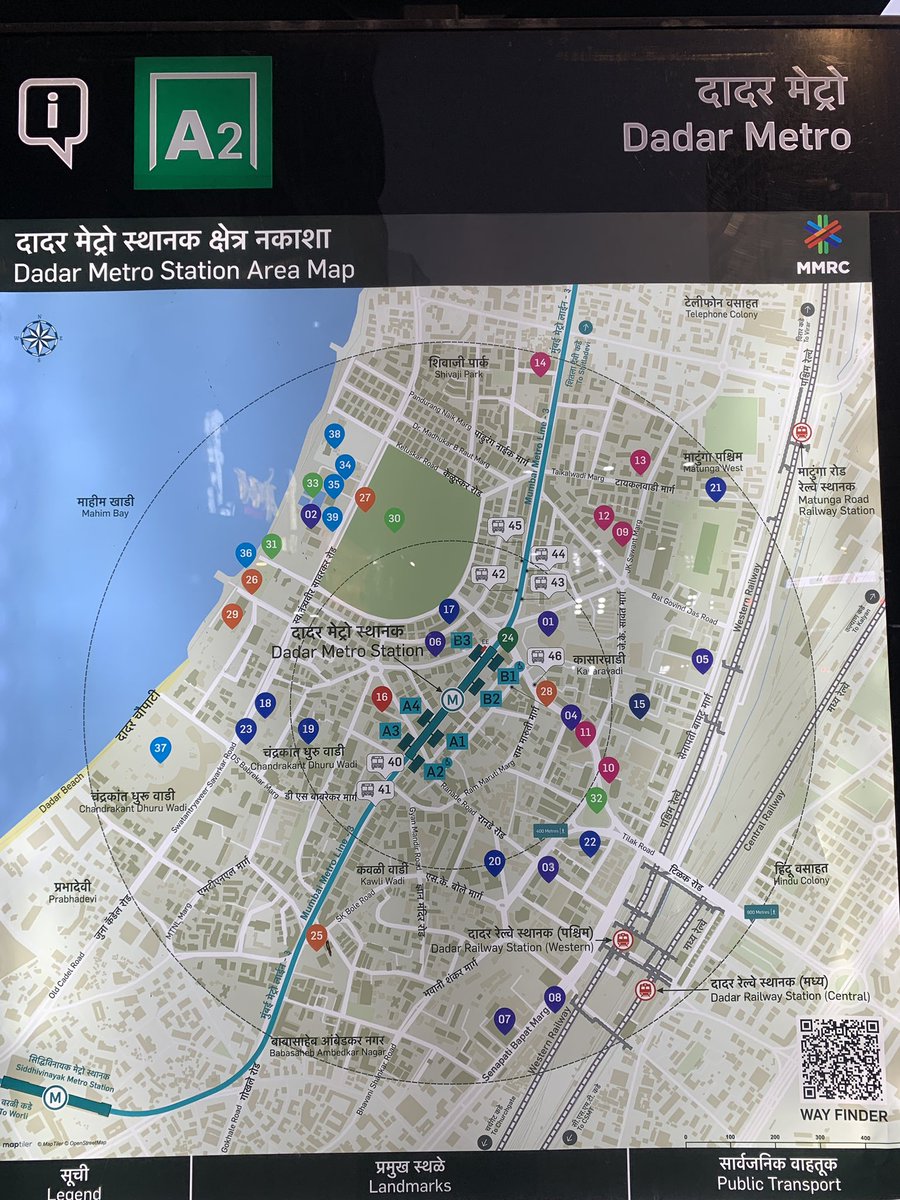
Oh wow, just found out that the Mumbai Metro Aqua Line 3 station area maps are made with #OpenStreetMap data 🤗
Have personally drawn many of the roads in this area over 15 years ago and now it’s out in the streets!
This is huge for @osm_in@openstreetmap 👏👏
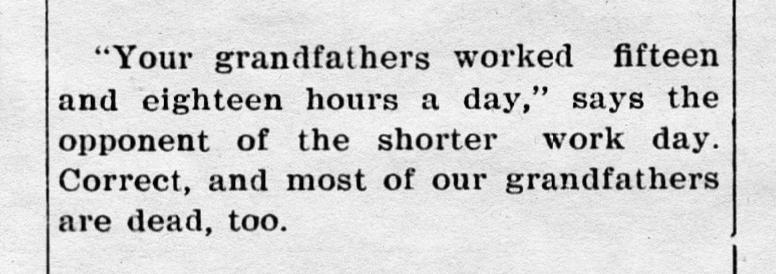
P…p..police 👮♂️ pls protect me and my capital from the workers who generate my wealth 🥺 they’re being so mean 😪 asking for their rights 👉👈 collectively bargaining 🤝 why won’t they just keep working in unsafe ‼️ and unfair ❌ conditions?💰 tbh it’s very selfish of them 😢