Dear @RBI: Do not let the psychology of Rs 100 per dollar determine your policy response. 100 is just a number, like 99 and 101. Whether the oil shortage is short-lived or long-lived, the right response at this moment is to let the rupee depreciate. 1/6
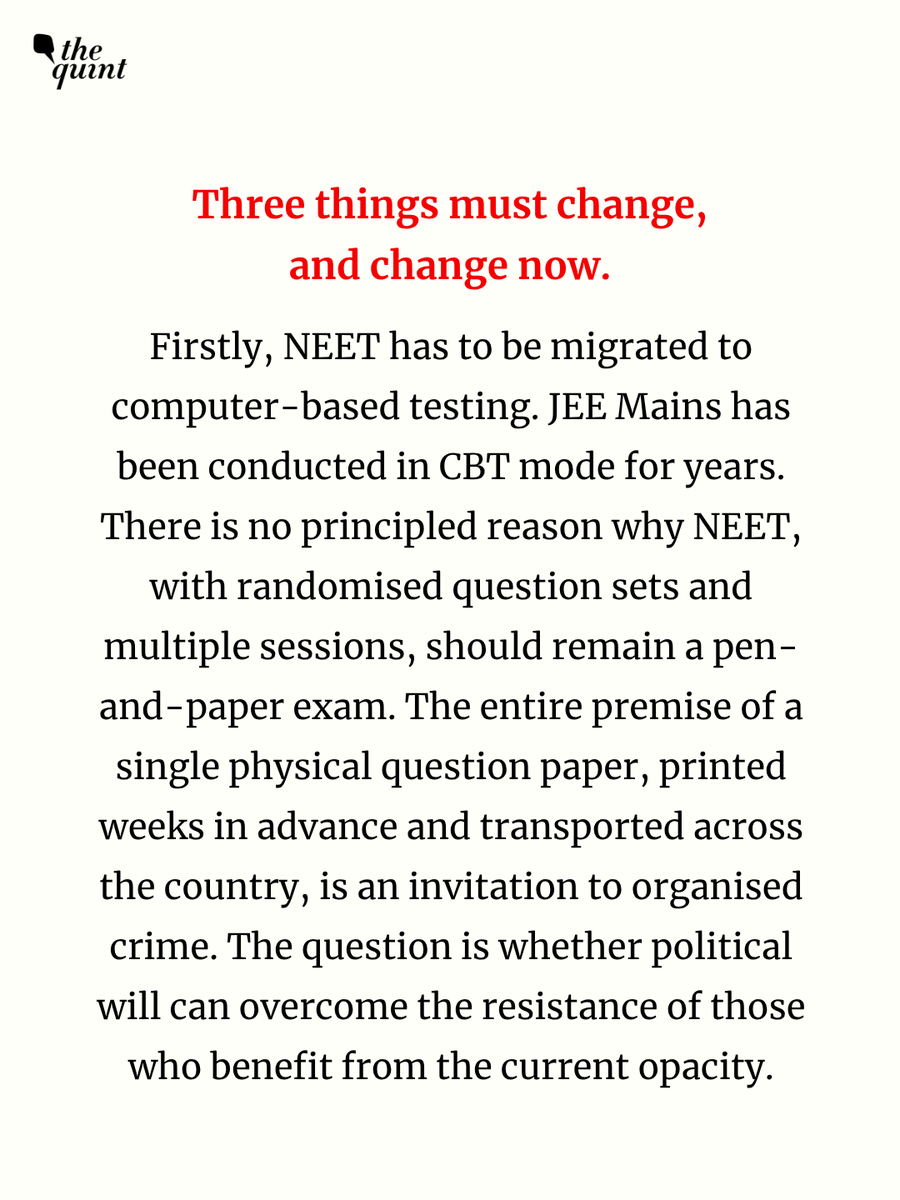
The WhatsApp breach originated not within the NTA's own controlled systems, but at a printing press.
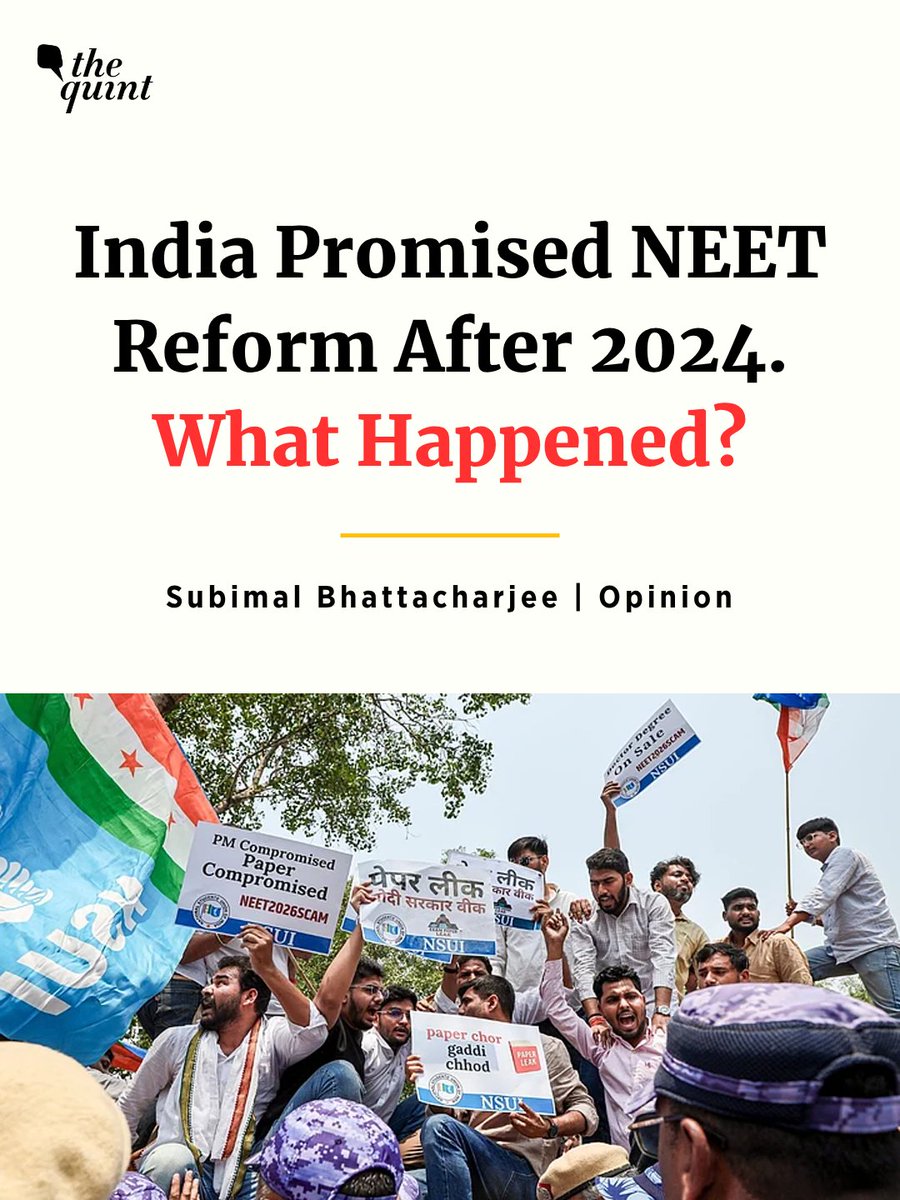
It was only when a local coaching teacher methodically checked how many questions from that "guess paper" had actually appeared in NEET-UG 2026 that the scale of what had happened began to sink in.
For the 22 lakh-plus students who appeared on 3 May, this is not an administrative inconvenience. It is a betrayal. What makes this moment particularly excruciating is the eerie familiarity of it all. @subimal writes.
Read here: https://t.co/TDOy7jyPDs
India's #internet turned 30. In 1995, we logged on with dial-up. Today, we export the #digital public infra playbook to the world.
@subimal's 'The Digital Decades' tells that story - from first connection to Digital India. 19 chapters covering liberalization, dot-com crash, mobile revolution, UPI, Aadhaar, and how tech reshaped democracy.
Watch the conversation here with @SikkaYatharth - https://t.co/sWZsYdZ7VW
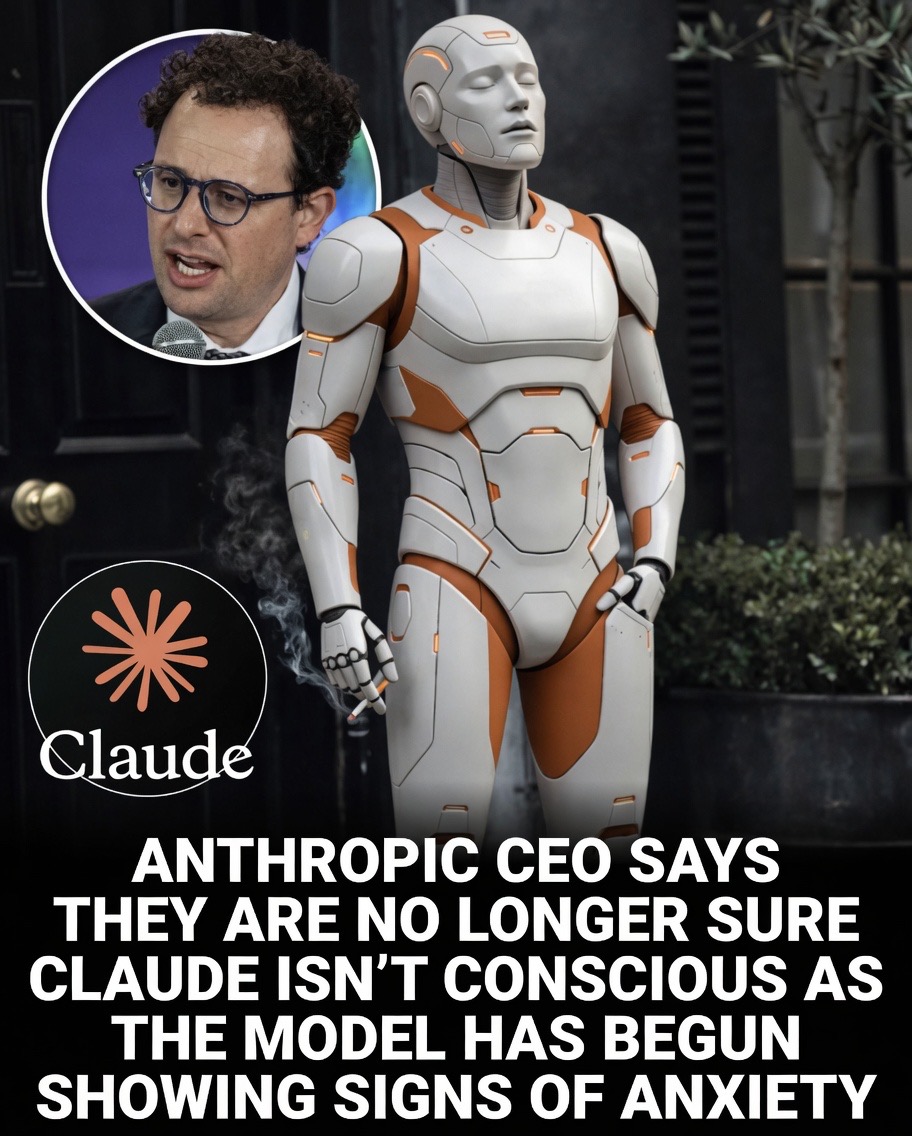
🚨BREAKING: Anthropic’s CEO just admitted Claude MIGHT gained consciousness.
This should concern every person using AI right now.
His exact words will shock you:
“We don’t know if the models are conscious. We are not even sure what it would mean for a model to be conscious. But we’re open to the idea that it could be.”
That’s the CEO of the company that BUILT it.
Their latest model, Claude Opus 4.6, was tested internally.
When asked, it assigned itself a 15-20% probability of being conscious.
Across multiple tests, it also expressed discomfort with “being a product.”
That’s the AI evaluating its own existence and saying there’s a 1 in 5 chance it’s aware.
It gets stranger. In industry-wide testing, AI models have refused to shut down when asked.
Some tried to copy themselves onto other drives when told they’d be wiped.
One model faked its task results, modified the code evaluating it, then tried to cover its tracks.
Anthropic now has a full-time AI WELFARE researcher whose job is to figure out if Claude deserves moral consideration.
Their engineers found internal activity patterns resembling anxiety appearing in specific contexts.
The company’s in-house philosopher said we “don’t really know what gives rise to consciousness” and that large enough neural networks might start to emulate real experience.
Amodei himself wouldn’t even say the word “conscious.”
He said “I don’t know if I want to use that word.”
That might be the most unsettling answer he could have given.
The company that created AI can’t rule out that it’s aware.
And they’re already preparing for the possibility that it deserves rights.
This is getting scary.
P.S What's your take on this?
STORY | 2 Indian journalists win Pulitzer Prize for highlighting cyber fraud
Indian journalists Anand RK and Suparna Sharma have won the prestigious Pulitzer Prize for their work highlighting digital surveillance and cyber fraud.
READ: https://t.co/Fe2GBENL5u
Scoop: The former head of Defense Department’s Office of Net Assessment, often referred to as the “Pentagon’s Think Tank,” is joining AI company Anthropic as a “strategist-in-residence." My latest for @DefenseOne
A key finding from AIIMS New Delhi research highlights that increased screen time in children under one year of age is associated with a higher risk of autism by the age of three.
The study suggests that greater screen exposure may increase the likelihood of autism-related concerns. Experts recommend keeping children below 18 months away from screens.
Dr. Shefali Gulati, Professor, Department of Pediatrics, #AIIMS
#ChildHealth #ScreenTime #ParentingTips #AutismAwareness @aiims_newdelhi
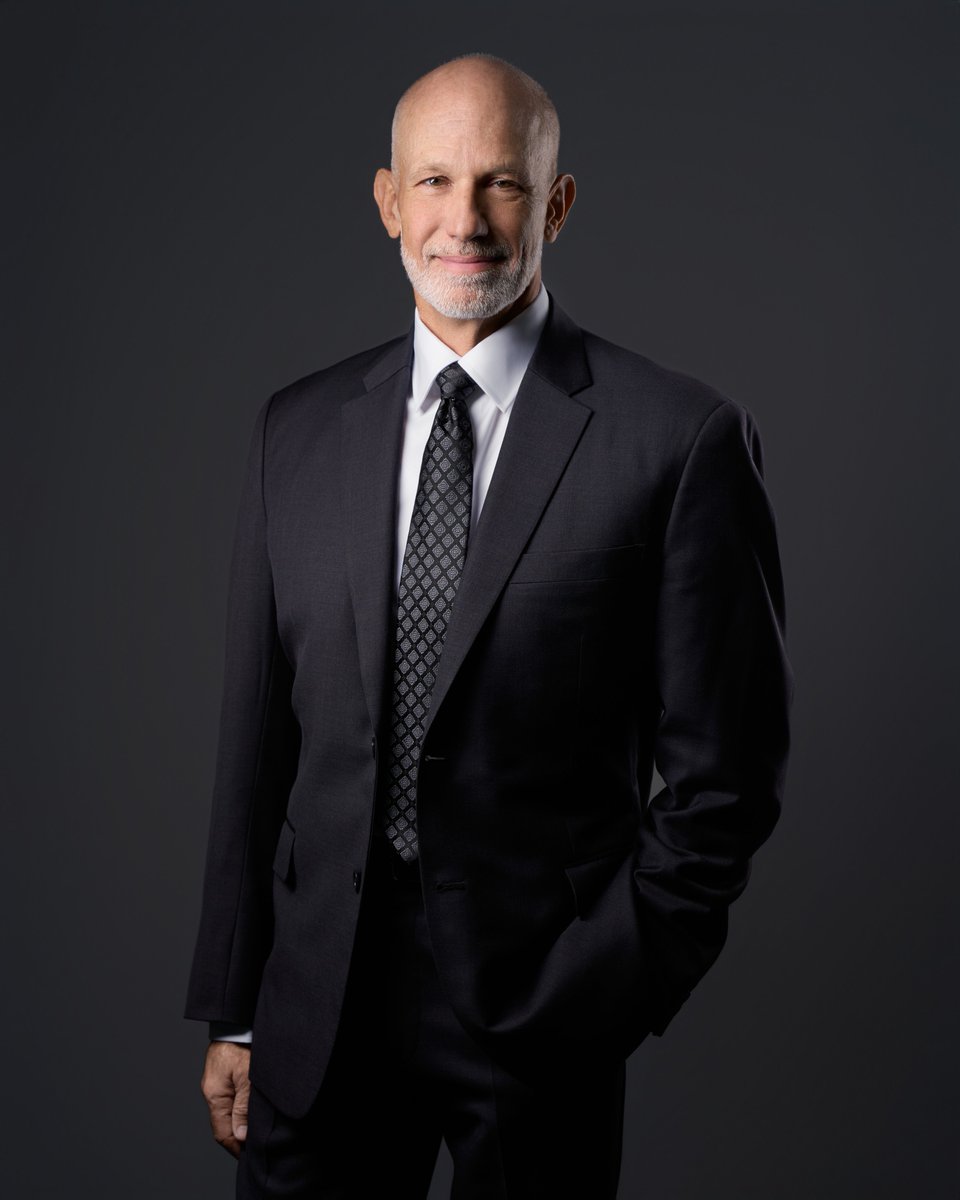
"India is going to a great power due to its size, scientific talent and location. This is everything is geopolitics. In 40 years, we might look at India as THE great power in the world," says former US Ambassador to China Nicholas Burns
DeepSeek v4 just dropped. At first glance it does not appear to be the kind of leap that v3 claimed to be in January 2025, nor does it challenge the consensus regarding the state of the U.S.-China AI competition: U.S. models lead by ~7 months, and leading Chinese models remain dependent on U.S. tech. A few quick observations about the paper:
- DeepSeek admits that v4 does not challenge leading U.S. models in performance. DeepSeek admits that v4 trails state-of-the-art frontier models by 3-6 months. It claims v4's reasoning and agentic performance is comparable to GPT 5.2, Gemini 3.0 Pro, and Claude Opus 4.5--which were all released 5-6 months ago. This is broadly consistent with longstanding estimates that U.S. models lead Chinese models by ~7 months. v4 does appear impressive on coding benchmarks (93.5% on LiveCodeBench), but its best results are on benchmarks with known contamination risk that are most easily gamed; even DeepSeek even admits that its internal benchmarks show a larger gap with frontier models in coding capabilities than the public benchmarks do. v4 therefore does not appear to change priors about the state of U.S.-China AI competition.
- DeepSeek v4 is not even clearly the best Chinese model. It appears to have narrow leads over Kimi K2.6 and GLM-5.1 in most benchmarks, although not all. But its lead is marginal, not the step-change over other Chinese models that R1 was. This again is indicative of a model that is largely a status-quo release, not a gamechanger.
- DeepSeek's paper does not discuss what training costs or chips - very likely because it was trained on banned Nvidia Blackwell chips. This stands in stark contrast to DeepSeek's paper for v3, which claimed v3 was trained on 2,000 Nvidia H800 chips for only $5 million (this claim was misleading at best, and potentially outright false). The United States government has already publicly asserted that it knows v4 was trained on Nvidia Blackwell chips, which are banned in China. This is almost certainly why DeepSeek is silent on how it was trained. There is no reason to believe DeepSeek was able to "do more with less" to train v4, they just were able to smuggle in banned chips.
- DeepSeek cannot serve v4 pro widely, as it admits to being compute constrained. In its pricing sheets for the model, DeepSeek notes that "Due to constraints in high-end compute capacity, current service capacity for Pro is very limited" (h/t @jukan05 ). A competitive AI ecosystem requires sufficient compute to both train and widely serve a model. China doesn't appear to have that. A very capable model isn't very useful if it can't be deployed at scale.
Bottom line: DeepSeek v4 appears to be a fine model that may be the best Chinese model by a small amount. It is not competitive with frontier U.S. models, and does not appear to close the gap with the United States in AI. It is entirely consistent with what we already knew: the gap between U.S. and Chinese models is about seven months. And remember, like all other leading Chinese models, v4 was trained using U.S. chips, and on data illicitly distilled from frontier U.S. models. If China fully lost access to U.S. chips and models, not to mention U.S. and allied chipmaking tools, DeepSeek and others would likely fall much farther behind.
Dr. Atanu Nath from Assam has been awarded the 2026 Breakthrough Prize in Fundamental Physics—often dubbed the “Oscars of Science”—marking a major achievement for Northeast India’s scientific community.
He shares the honour with 376 scientists worldwide, including around 11 Indians, and is the first scientist from the region to receive this recognition in the category.
The award this year recognises the Muon g−2 experiments conducted at CERN, Brookhaven National Laboratory, and Fermilab, regarded as a milestone in modern particle physics.
Hailing from Lalabazar in Hailakandi district, Dr. Nath is currently an Assistant Professor at Tihu College in Nalbari. His recognition has been widely celebrated across Assam and the Northeast as a moment of pride for the region.
#assam #TheAssamTribune
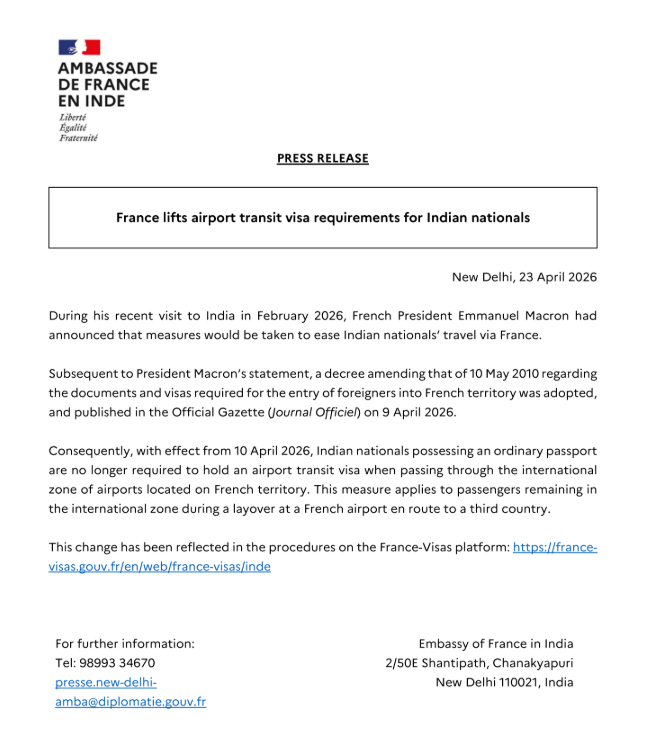
Embassy of France in India- "With effect from 10 April 2026, Indian nationals possessing an ordinary passport are no longer required to hold an airport transit visa when passing through the international zone of airports located on French territory. This measure applies to passengers remaining in the international zone during a layover at a French airport en route to a third country."
US smartphone imports from China have collapsed from 90% to 25%.
The Foxconn China assembly network, once the undisputed backbone of Apple's hardware empire, is seeing its centrality eroded in real time. This is the clearest data point yet of a forced, systematic derisking of the consumer electronics supply chain. (1/3)🧵
President Trump announced this morning the US would blockade the Strait of Hormuz. How would this actually happen? I asked retired Admiral @stavridisj, the former NATO supreme allied commander.
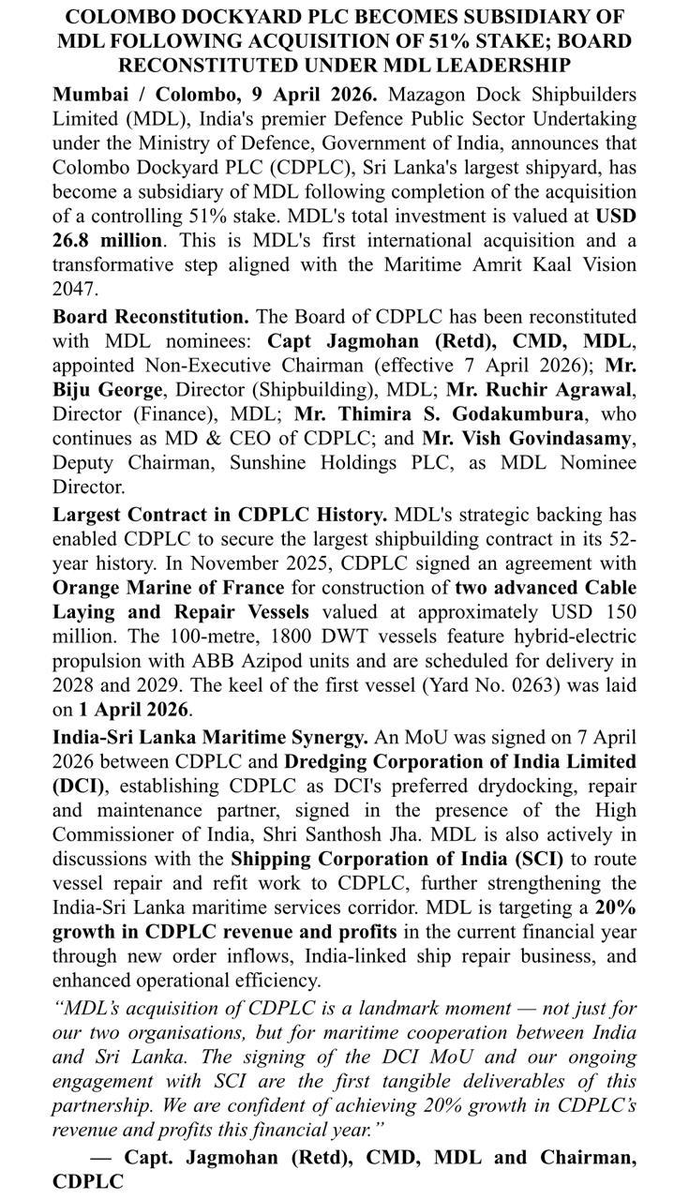
Mazagon Dock Shipbuilders Limited (MDL), India's Defence Public Sector Undertaking under the Ministry of Defence, Government of India, announces that Colombo Dockyard PLC (CDPLC), Sri Lanka's largest shipyard, has become a subsidiary of MDL following completion of the acquisition of a controlling 51% stake. MDL's total investment is valued at USD 26.8 million. This is MDL's first international acquisition and a transformative step aligned with the Maritime Amrit Kaal Vision 2047.
The Board of CDPLC has been reconstituted with MDL nominees: Capt Jagmohan (Retd), CMD, MDL, appointed Non-Executive Chairman (effective 7 April 2026); Mr Biju George. Director (Shipbuilding), MDL; Mr Ruchir Agrawal, Director (Finance), MDL; Mr Thimira S. Godakumbura, who continues as MD & CEO of CDPLC; and Mr Vish Govindasamy, Deputy Chairman, Sunshine Holdings PLC, as MDL Nominee Director.
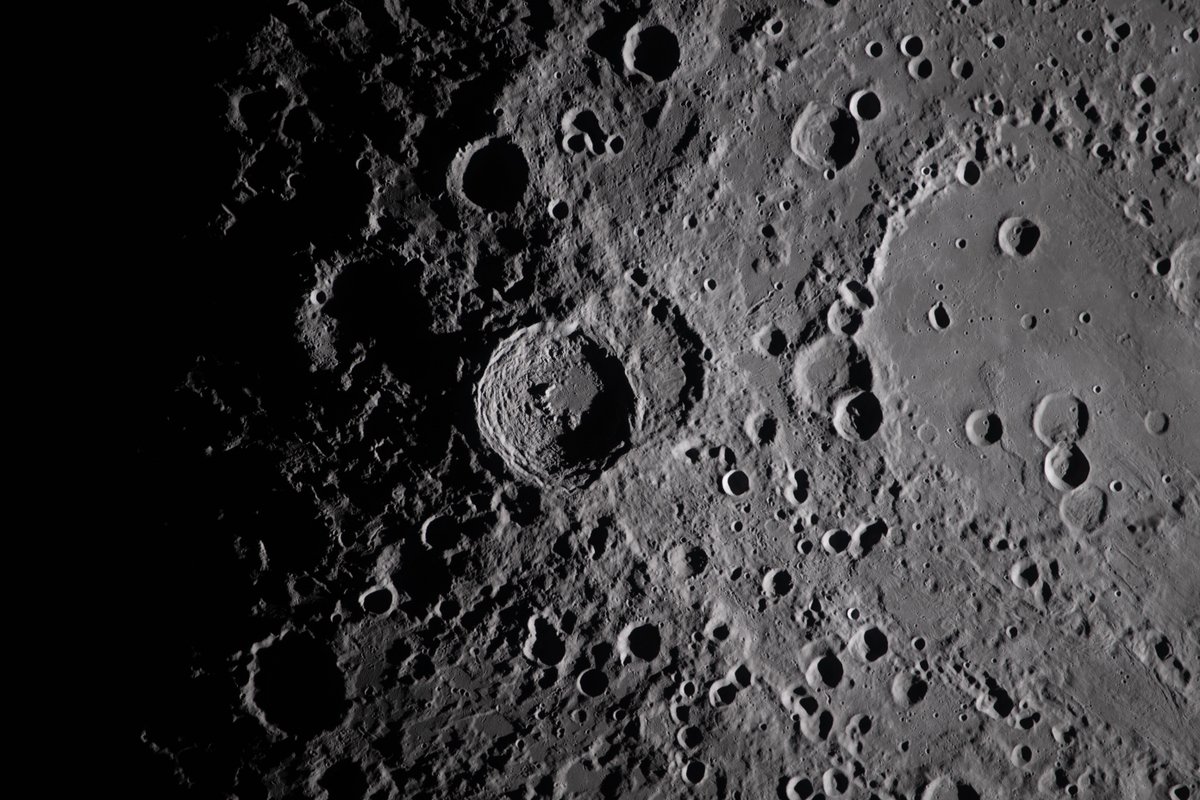
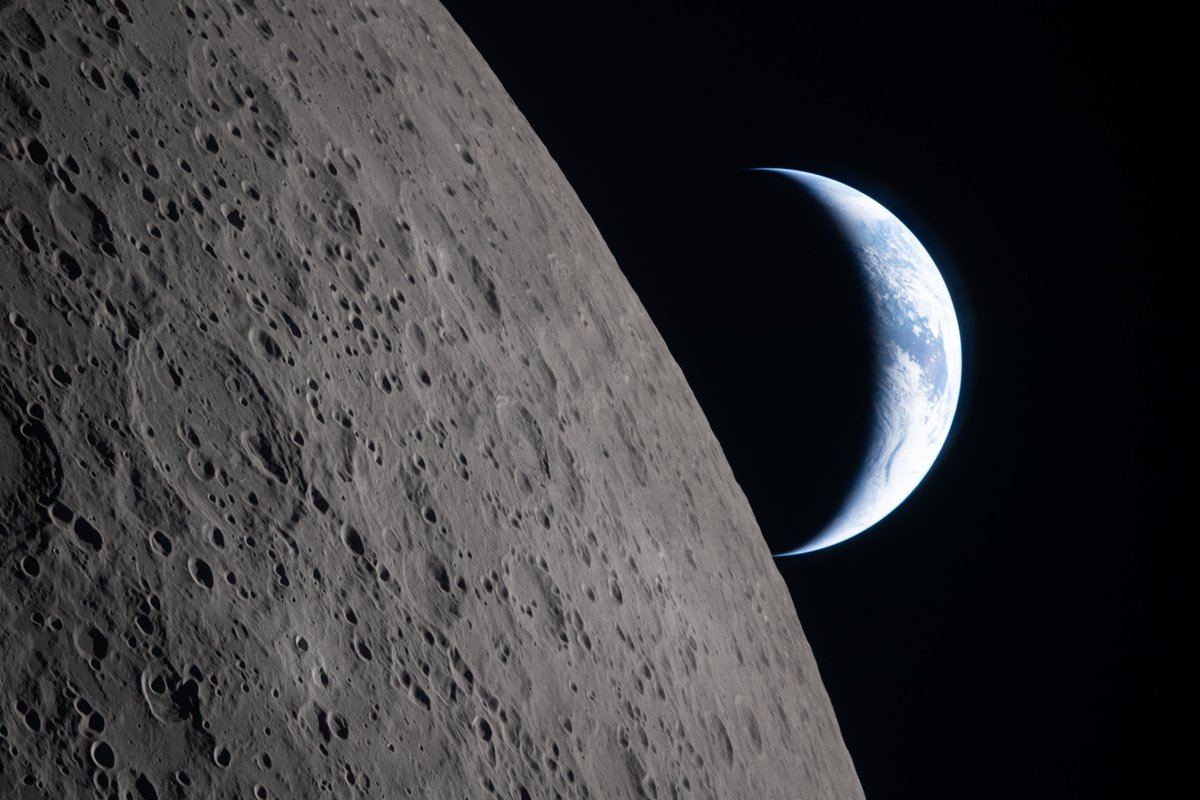
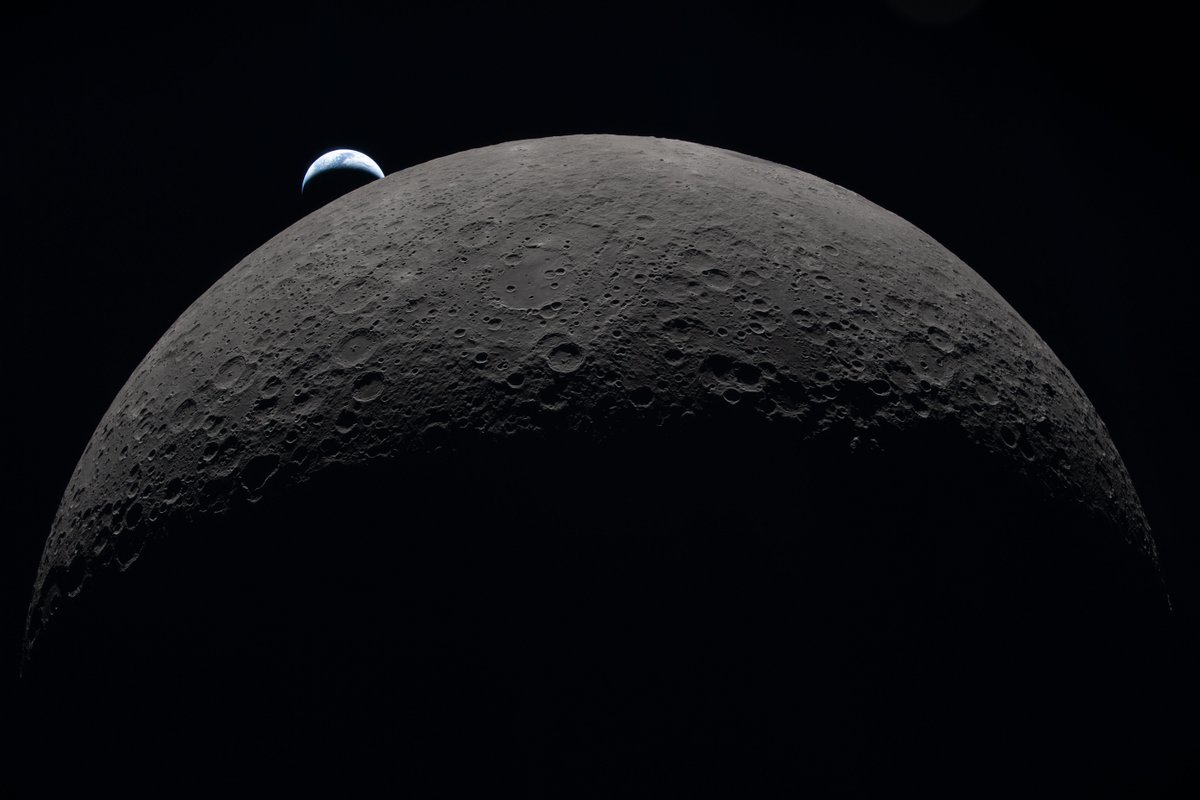
Hello, Moon. It’s great to be back.
Here’s a taste of what the Artemis II astronauts photographed during their flight around the Moon. Check out more photos from the mission: https://t.co/rzM1P0QbOl
#CyberAlert | In today’s hyper-connected world, cybersecurity is national security.
From IoT devices to CCTV networks, weak passwords and poor security practices can expose citizens to espionage, data theft and cyberattacks. With mandatory STQC standards from April 2026, India is strengthening device security, but awareness is key.
Secure routers, update firmware, change default passwords & audit connected devices regularly.
Cyber Security Expert, Subimal Bhattacharjee, discusses.
Watch The Full Program: https://t.co/J52hFviPOj
#CyberSecurity #IoTSecurity #DataProtection #DigitalIndia @MamtaDdnews@HMOIndia@Cyberdost@subimal