Techie. Building in AI. Impatient. High-sensitivity BS sensor.
Been there, scaled that. Pace up.
🏏 Fan thru Sachin's Sharjah Innings → Virat's RCB wins
The empty restaurant problem.
I am more likely to enter a mediocre restaurant with people buzzing in it than a high quality one with only a trickle of people.
Thinking of this as I am solving GTM for a consumer AI startup that aims to reinvent how professionals connect with each other. How do you get people to join before the platform is buzzing with people?
If anyone has solved this, my DMs are open!
Coffee/beer on me
This is why I think networking is like tuning a radio.
Strong ties are the local stations, clear and familiar, playing the songs you know by heart.
The right weak ties are the long-range antenna, catching a faint signal from a distant city.
The best roles never hit a job board. They move quietly through people who vouch for each other. I've been matchmaking inside my own circle for a while, and the volume on both sides has outgrown the side-project version. So I'm opening it up >>>
The engineers getting the most out of AI are the ones who pause for a few seconds before they build, to picture the person who will actually use the product.
That habit is a floor of product sense most engineers can reach without becoming PMs, and it compounds harder than raw speed.
If you’re a 5-15 years experienced professional, this is a must read. Simple yet profound insights around how we let envy drive our careers and are left dissatisfied anyway
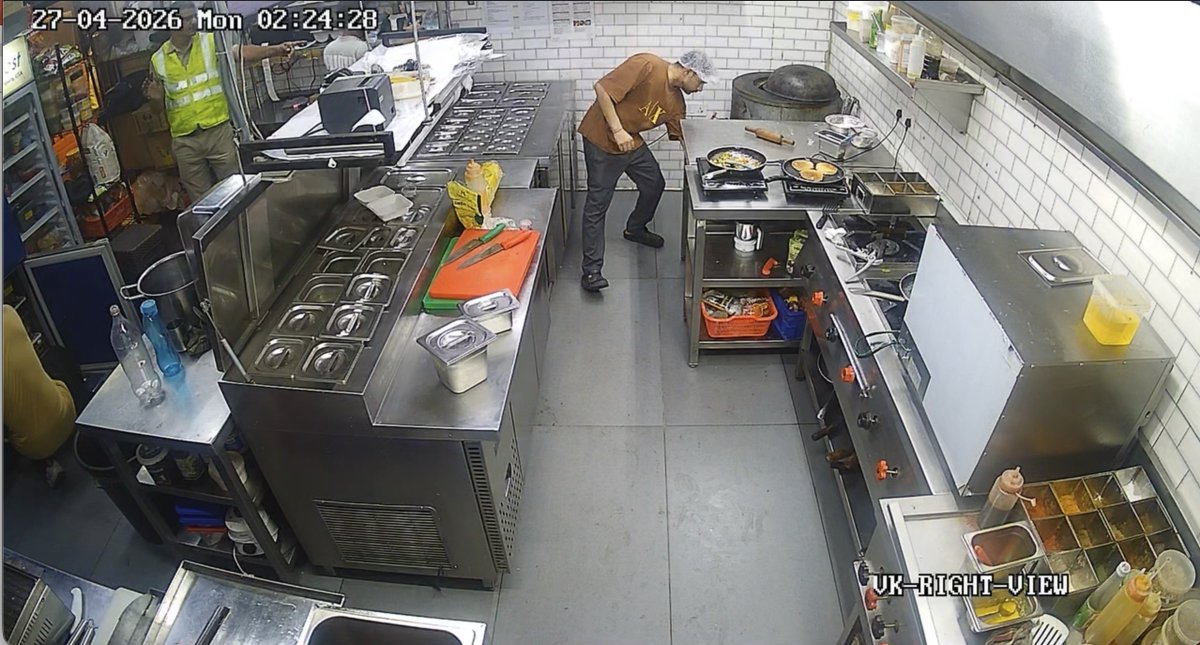
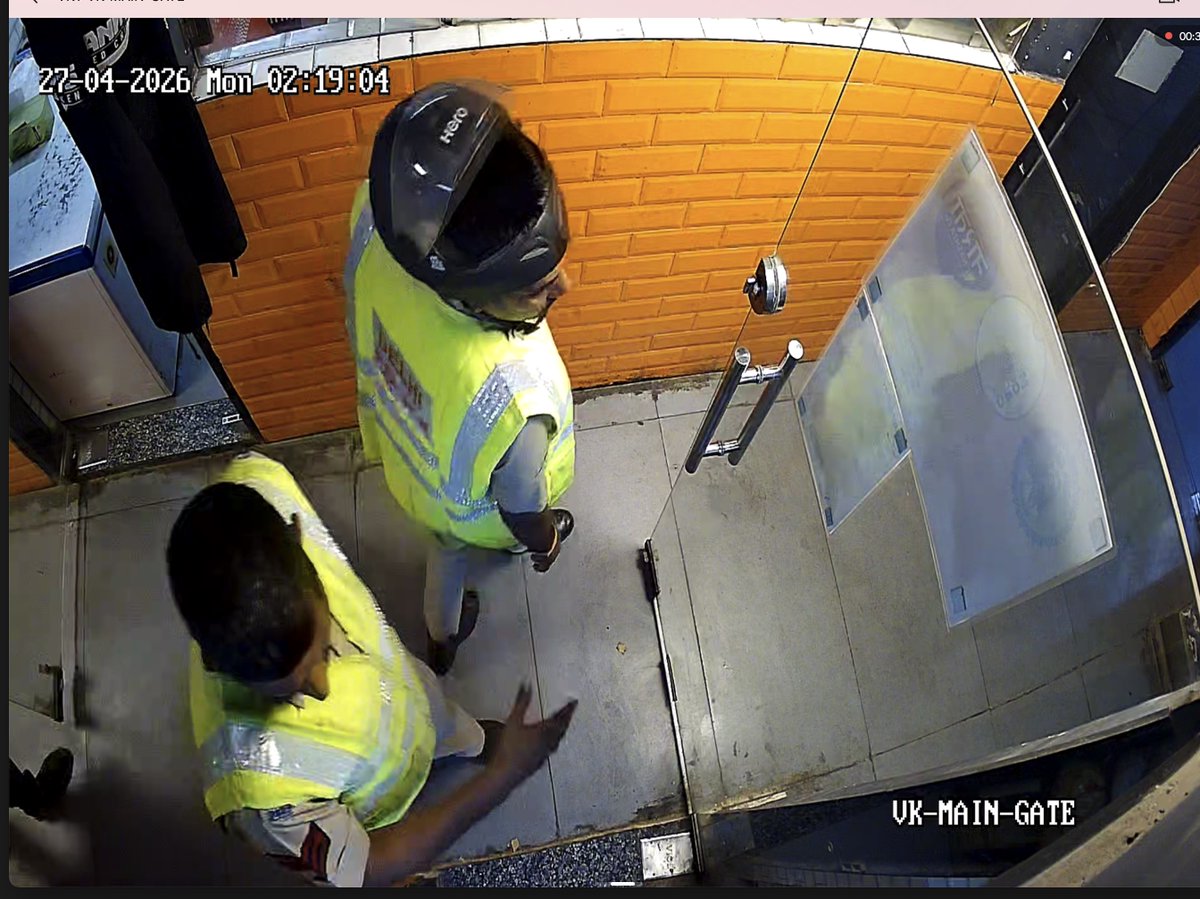
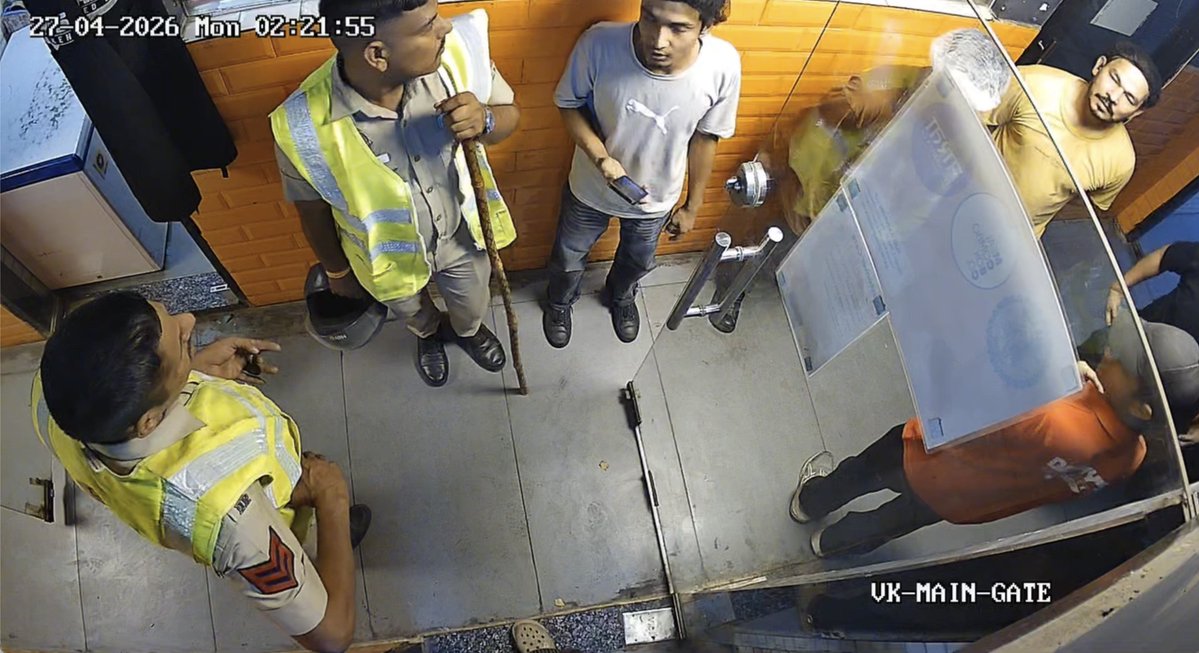
“Taang tod doonga. 10 baje ke baad kitchen kholi toh dekh lena.”
The story starts again. Same pattern.
Police walk in and shut us down.
Refuse to take a complaint.
We employ 15 people per kitchen.
Jobs now at risk because we won’t pay a bribe.
Police that should protect us are hurting us.
🎥 https://t.co/rRXMGXN22r
@CPDelhi@LtGovDelhi@PMOIndia@dcp_southwest@CMODelhi@FinMinIndia
While @thesouledstore collection may be good but they use such shitty delivery services that you keep on getting messages of delivery attempted three times a day without moving anything!
Of late, worst experience from goblitz, elasticrun, etc.
Looking for a 100x engineer to build a global consumer product.
If you tinker with agents, openclaw and your build workflows late into the night and run multiple Claude code agents before you go to sleep, come build the future with me! Share your work, side projects to get going
Minister @dpradhanbjp you are throwing your fellow citizens to the wolves who say they will file fake cases. Please withdraw these draconian regulations. @narendramodi@AmitShah
@blrcitytraffic@BlrCityPolice@bellandurutrfps
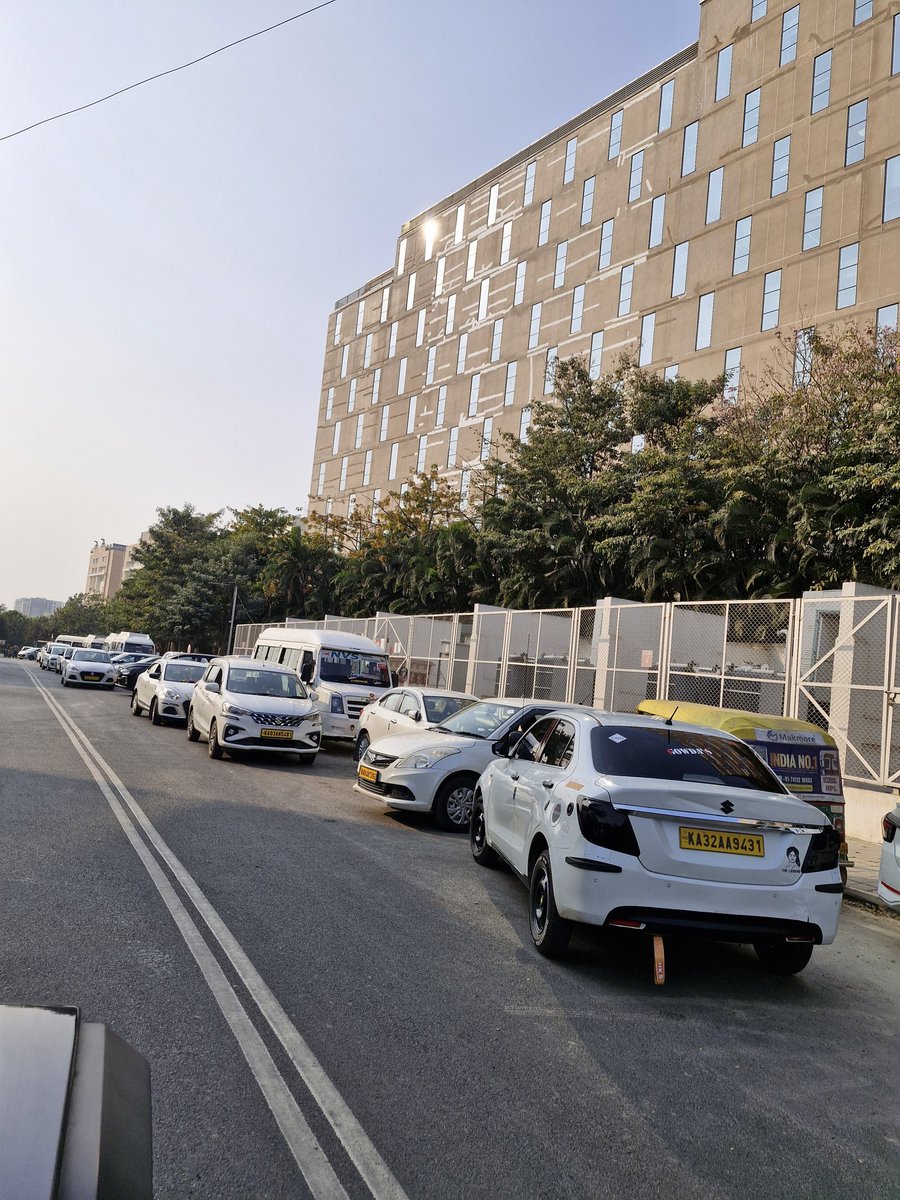
This is now a daily situation in front of a residential apartment inside Ecoworld. Cabs parked and encroaching half the road causing huge inconvenience to School Buses and residents. Why can't the encroachment be removed?
Dear @Healthkart , what's the fraud running with Gritzo delivery? I get a call everyday after 10PM to reschedule delivery! Every fking day! If your partner GoBlitz is defrauding you, you can say goodbye to your customers too!
Very well written @deepigoyal Every word is true. It beggars belief that a Champagne Socialist who married a film star and had a designer wedding in Udaipur and a first wedding anniversary in Maldives has the audacity to then shed crocodile tears around alleged exploitation of gig workers. Aam Aadmi my foot
Last one on this topic, and I have been holding this in myself for a while.
For centuries, class divides kept the labor of the poor invisible to the rich. Factory workers toiled behind walls, farmers in distant fields, domestic help in backrooms. The wealthy consumed the fruits of that labor without ever seeing the faces or the fatigue behind it. No direct encounter, no personal guilt.
The gig economy shattered that invisibility, at unprecedented scale.
Suddenly, the poor aren't hidden away. They're at your doorstep: the delivery partner handing over your ₹1000+ biryani, late-night groceries, or quick-commerce essentials. You see them in the rain, heat, traffic, often on borrowed bikes, working 8–10 hours for earnings that give them sustenance. You see their exhaustion, their polite smile masking frustration with life in general.
This is the first time in history at this scale that the working class and consuming class interact face-to-face, transaction after transaction. And that discomfort with our own selves is why we are uncomfortable about the gig economy. We want these people to look our part, so that the guilt we feel while taking orders from them feels less.
We aren't just debating economics. We are confronting guilt. That ₹800 order might equal their entire day's earnings after fuel, bike rent, and app cuts. We tip awkwardly, or avoid eye contact, because the inequality is no longer abstract. It's personal.
Pre-gig era, the rich could enjoy luxury without moral discomfort. Labor was out of sight. Now, every doorbell ring is a reminder of systemic inequality. That's why debates explode. It's not just policy. It's emotional reckoning. Some defend the system (“they choose it”), others demand change (“this isn't progress, its exploitation”).
And here’s the uncomfortable twist: the unsaid ask of clumsy ‘solutions’ isn’t dignity. It is about returning to invisibility.
Ban gig work and you don’t solve inequality. You remove livelihoods. These jobs don’t magically reappear as formal, protected employment the next day. They disappear, or they get pushed back into the informal economy where there are even fewer protections and even less accountability. Over-regulate it until the model breaks, and you achieve the same outcome through paperwork instead of slogans: the work evaporates, prices rise, demand collapses, and the people we claim to protect are the first to lose income.
And then what happens?
The rich get their old comfort back. Convenience returns without faces. Guilt dissolves. We go back to clean abstractions and moral posturing from a distance. The poor don’t become safer, they become invisible again: back in cash economies, back in backrooms, back in shadows where regulation rarely reaches and dignity isn’t even debated.
The gig economy just exposed the reality of inequality to the people who previously had the luxury of not seeing it. The doorbell is not the problem. The question is what we do after opening the door.
Visibility is the price of progress. We can either use this discomfort to build something better (which we keep doing continuously as delivery partners are our backbone), or we can ban and over-regulate our way back into ignorance. One of those choices improves lives. The other simply helps the consuming class feel virtuous in the dark.