Türkiye Psikiyatri Derneği’nin resmi X hesabına Savcılığın erişim engeli getirilmesi talebi kabul edilemez.
Bilimsel ve mesleki faaliyet yürüten bir uzmanlık derneğinin kamuoyuyla iletişim kanalının erişime kapatılmasının istenmesi, açık bir sansür girişimidir. Bilimsel bilginin ve sağlık alanındaki mesleki görüşlerin sansürlenmesi kabul edilemez.
Cinsel yönelim ve cinsiyet kimliği konusunda bilimsel gerçekleri dile getirmek suç değil, bilimin ve hekimlik sorumluluğunun gereğidir. Bilimsel gerçekler sansürle değiştirilemez.
Türk Tabipleri Birliği olarak Türkiye Psikiyatri Derneği’nin yanındayız.
Sansüre hayır!
Bilime müdahaleye hayır!
Sağlık hakkından vazgeçmeyeceğiz.
TÜRK TABİPLERİ BİRLİĞİ
MERKEZ KONSEYİ
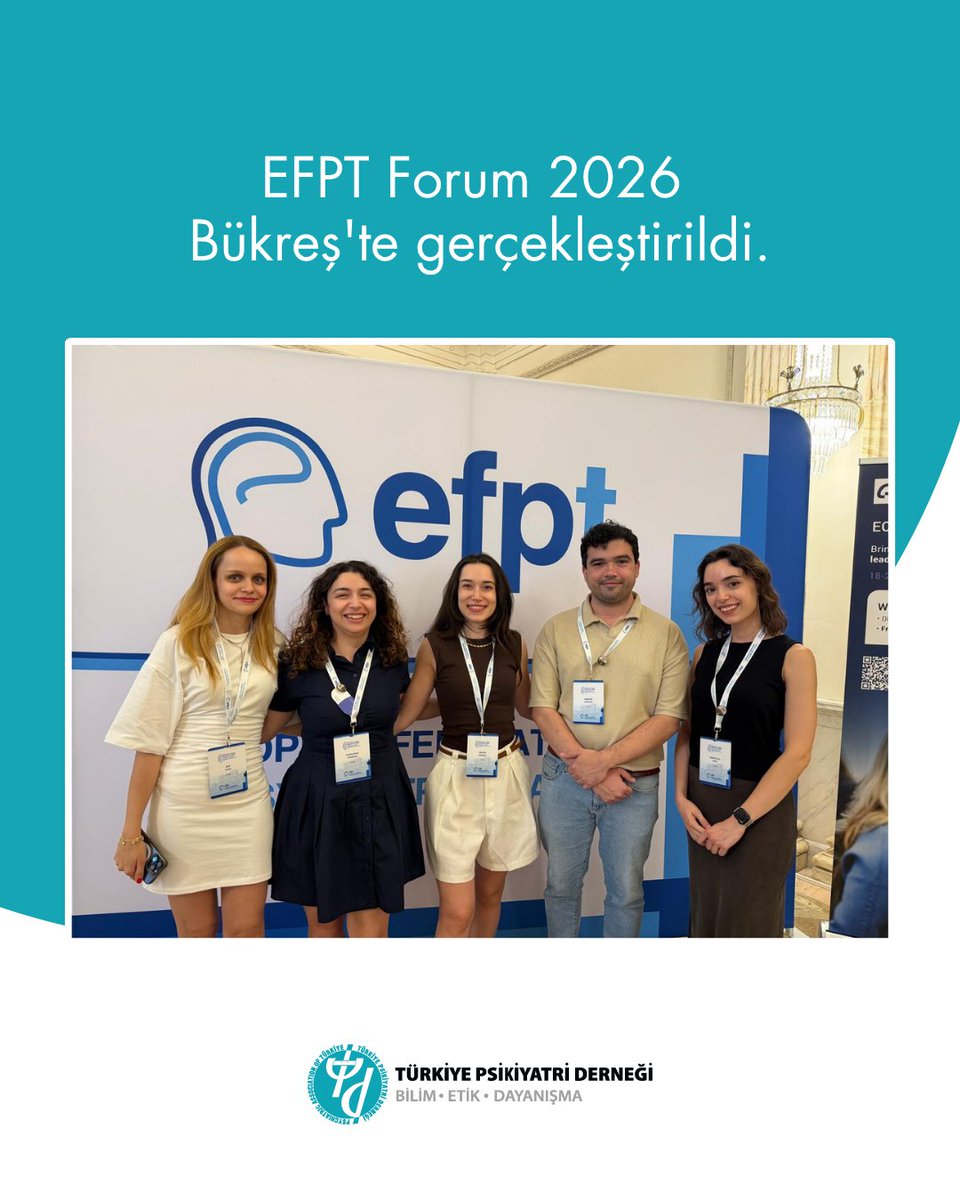
EFPT Forum 2026 Bükreş'te gerçekleştirildi.
European Federation of Psychiatric Trainees (EFPT) tarafından her yıl düzenlenen ve Avrupa’nın farklı ülkelerinden psikiyatri asistanlarını bir araya getiren EFPT Annual Forum, bu yıl 14–18 Temmuz 2026 tarihleri arasında Bükreş, Romanya’da gerçekleştirildi.
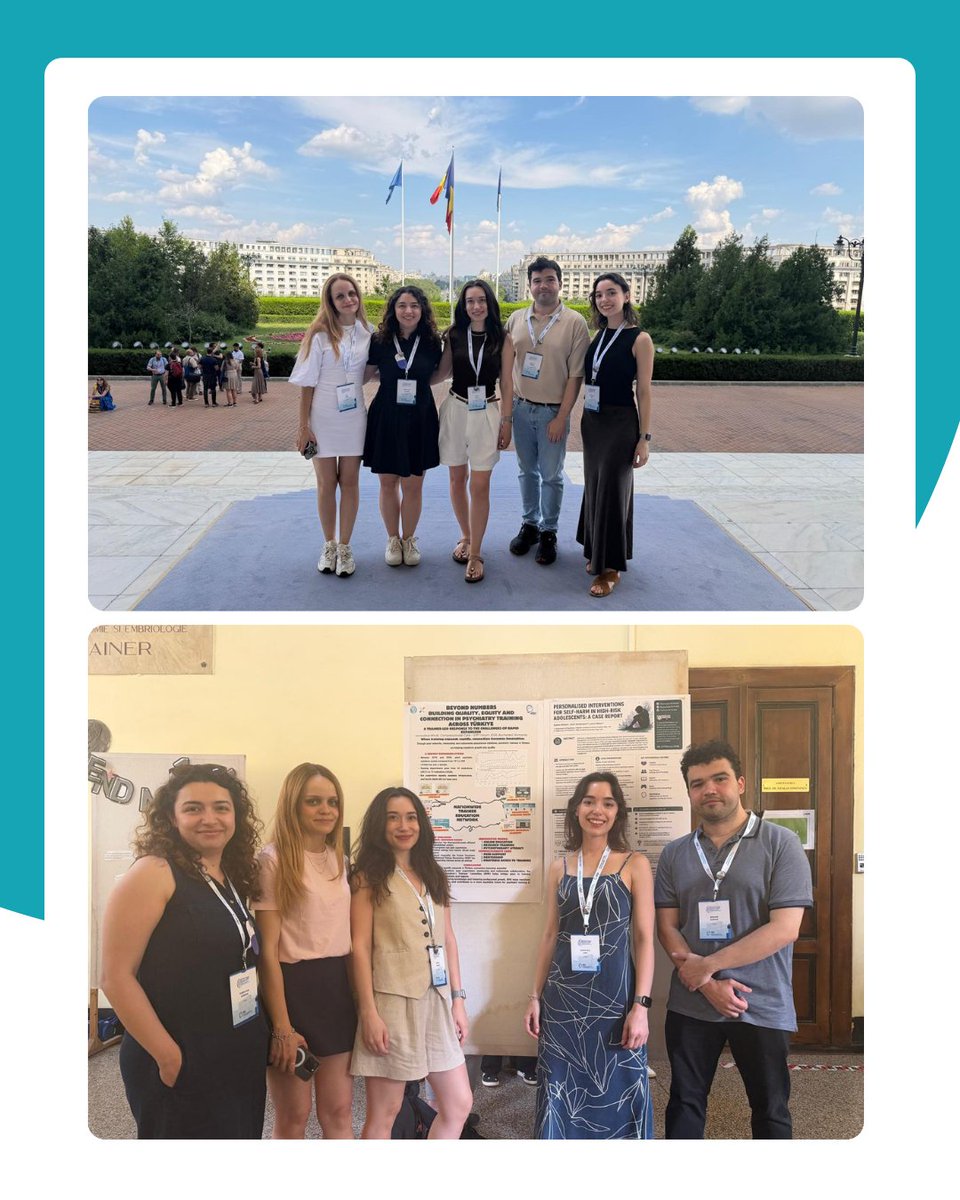
Türkiye Psikiyatri Derneği Asistan Hekim Komitesi adına Begüm Marşap, Ece Ilgın, Sueda Nur Aydemir, Deniz Sıla Arıcı ve İbrahim Sungur, Türkiye’yi EFPT Forum 2026’da temsil etti.
Forum boyunca farklı ülkelerdeki psikiyatri uzmanlık eğitimi uygulamaları ve güncel sorunlar ele alınırken; çalışma grupları, bilimsel ve eğitsel oturumlar ile Genel Kurul toplantılarında psikiyatri eğitiminin geleceğine ilişkin deneyim ve görüşler paylaşıldı. Türkiye delegasyonu da ülkemizdeki psikiyatri uzmanlık eğitimini, asistan hekimlerin çalışmalarını ve son dönemde yürütülen projeleri Avrupalı meslektaşlarıyla paylaşma fırsatı buldu.
🌍 EFPT çatısı altında gerçekleşen bu buluşmaların; ülkeler arasında deneyim paylaşımını, asistan hekimlerin uluslararası temsiliyetini ve psikiyatri eğitiminde ortak çalışmaların geliştirilmesini güçlendirdiğine inanıyoruz.
Türkiye’yi EFPT Forum 2026’da temsil eden meslektaşlarımıza teşekkür ediyor, uluslararası alandaki çalışmalarında başarılar diliyoruz.
#TürkiyePsikiyatriDerneği #TPD #AsistanHekimKomitesi #EFPT #EFPT2026 #PsychiatryTrainees #PsychiatryTraining #Bucharest2026
WONDERFUL TO MEET Prof Cagdas Eker @MCagdasEker (renowned psychiatrist + expert in bipolar disorder, from @SocatLab Ege University, Türkiye). Some take-aways from his brilliant lecture:
1️⃣ Unipolar and bipolar depression may look similar in some aspects, but the brain's reward circuits work differently in each disorder - In unipolar depression, the reward system is underactive: people expect less reward + experience less reward when it occurs (classic anhedonia). In bipolar depression, reward responses are more complex: some reward-related brain circuits remain active or even overactive, but responses can become blunted under uncertainty.
2️⃣ Anhedonia may not arise from the same brain mechanism in depression and bipolar, so careful clinical phenotyping is needed in imaging studies and treatment trials rather than assuming the same symptom has the same neural basis everywhere.
🔥The most pressing clinical goal is predicting which treatment will help each individual; each person has a unique mix of disturbances in the clinical domains of reward, mood, and drive.
🔥 Symptoms may even have a daily rhythm: many people with bipolar disorder start the day not wanting to get out of bed, deeply depressed but may improve later in the day + by evening are well enough to plan activities; often the effectiveness of treatments can be seen by this point of improvement moving earlier in the day
🧠 Cagdas proposes a 3-step framework to enrich existing studies with deeper bipolar-spectrum phenotyping. 1. all participants could complete a brief screening tool (HCL-32) to identify latent bipolar features that may be missed by standard diagnoses. 2. a short structured assessment should really capture 6 bipolar-spectrum traits, incl early onset, family history, antidepressant-induced activation, + atypical features.
🧠 🧠 These measures could be combined into a continuous bipolar-spectrum score, but you would still be able to test whether dimensional traits and subtyping can explain brain variations and treatment response better than traditional diagnostic categories.
@enigma_bipolar@enigmabrains
@chrisaikenmd Disorder commonly begins with a depressive episode, patients are frequently diagnosed and treated within a unipolar depression framework. As a result, lithium is often introduced later in the course of illness, typically after recurrent episodes, treatment resistance
Our new Guest Editorial examines the evidence on #SSRI use in #pregnancy and the risks of untreated #perinatal#mood and #anxiety disorders. It points clinicians toward practical resources to support high-quality perinatal psychiatric care.
🔗Read more: https://t.co/F37caiV5Kw
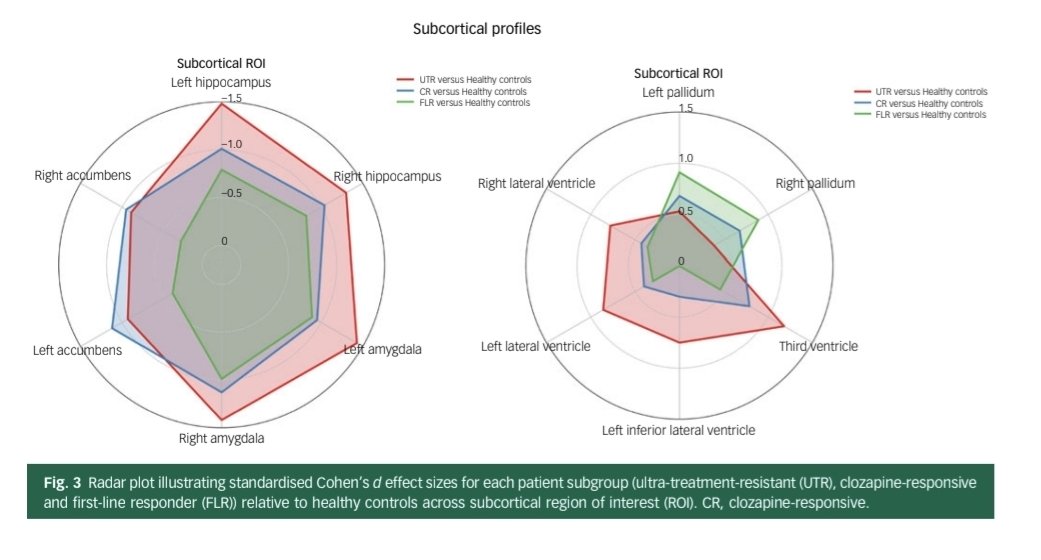
Hippocampal subfield analyses revealed:
-Widespread reductions in treatment-resistant patients, most prominently in the CA4/dentate gyrus, subiculum and stratum
-Treatment responsive patients showed more focal reductions in the CA4/dentate gyrus and left subiculum
*Our new paper, “Distinct Subcortical Neuroanatomic Profiles of Treatment-Resistant Schizophrenia,” has been published in BJPsych Open. https://t.co/3zbYPc6OOi
Subtyping schizophrenia via machine learning by using structural neuroimaging | Translational Psychiatry finally it is out @PTenigma @cemrecandemir https://t.co/DfstOHlkRY
-The other subtype exhibited increased subcortical volumes and preserved cortical anatomy.
-Despite the structural differences, no significant clinical or demographic differences were found between subtypes.
Our lab's new study has published in the Psychiatry Research: Neuroimaging. We explored the
heterogeneity of schizophrenia through advanced machine learning approaches. https://t.co/I75AI1JFAk
-Two distinct neuroanatomical subtypes of schizophrenia were identified using the machine learning algorithm, demonstrating different patterns of structural changes.
-One subtype showed widespread cortical atrophy, mainly in the insula, cingulate, frontal, and temporal regions.
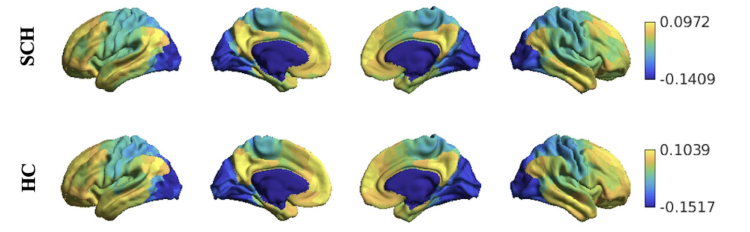
Our new paper on Disrupted cortical organization in schizophrenia based on functional connectivity gradients has been published https://t.co/TdCZ7dbgvv
1-Evaluate the safety, tolerability, and efficacy of the TIS regimen of Aripiprazole in treating manic episodes in Bipolar Disorder
2-Retrospective observational study involving 8 hospitalized patients with Bipolar Disorder in a manic episode https://t.co/xrLsMq3s2K
New Case report: Exploring the efficacy and tolerability of two-injection start regimen of long-acting aripiprazole: A descriptive case series analysis https://t.co/xrLsMq3s2K
Korku ve amigdala sanat için önemli ve ateşleyici unsurlardır. Sanat ve nörobiyolojinin gücü ve eşsiz harmonisi, fobilerin anlaşılması, kabul edilmesi ve iyileştirilmesi sürecinde bize rehberlik eder ve insan ruhunun derinliklerindeki korkunun dansına ışık tutar.
İ.S., Ali S.G.
Nörobiyolojik olarak incelendiğinde "haz" evrimin insana yaptığı en büyük hilelerden biridir. İnsanı beslenme, üreme gibi yaşama içgüdüsünün temeli olan eylemler için motive eder ve insanın hayatta kalmasını sağlar.
Ali Saffet Gönül, İbrahim Sungur, Psikeart, Haz
Munch’un “Çığlık” tablosu korku ve yoğun anksiyetenin oluşturduğu bozulmuş gerçekliği tasvir eder. Munch’un bu ikonik başyapıtı, onu saran acı ve dehşeti canlı bir şekilde yansıtarak, onun korkusunu, çaresizliğini ve endişesini paylaşmamıza sebep olur.
İbrahim S, Ali S. Gönül