@unicode has ignored the Assyrian & non-Assyrian requests for an emoji flag of the Assyrian nation while adding new ones every year.
To peacefully protest Unicode’s discrimination and abetting of ethnic cleansing, we’ve opted for the use of a flag that resembles our old one. 🇨🇭
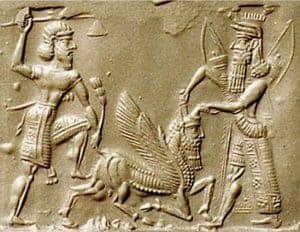
Les trois prochains threads seront consacrés à Gilgameš 🙏
-Gilgameš un roi historique?
-Les récits sumériens de Gilgameš
-La création de l'épopée de Gilgameš
Restez à l'écoute 😌👌
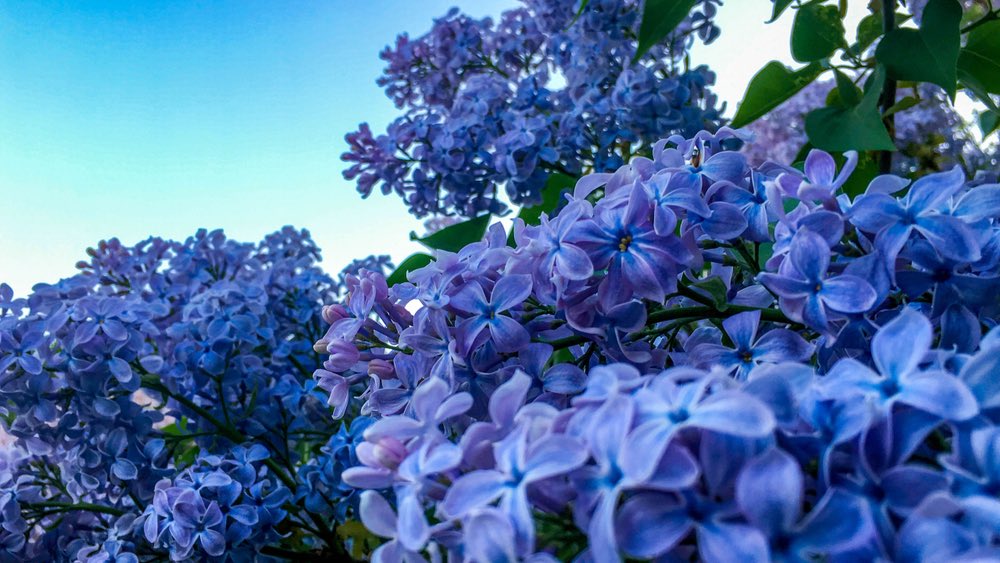
funny little realization. the assyrian word for blue »mìla« is the same etymology as the german word for purple »lila« (+ english »lilac«).
they range in ~indigo~~magenta, so the deviation makes sense.
Aammatour (عماطور), a glorious green paradise in the Chouf, Lebanon. 🇱🇧🙏
From Phoenician, Am-Tur (𐤀𐤌 𐤕𐤓) or “People of the Mountain”.
In Syriac Aramaic “Aamma d Tura” (ܥܰܡܰܐܕܬܳܘܪܰܐ).
the four greek classical elements in modern assyrian:
earth: ərru /öřo/ *ħäroae
ܐܖܥܐ / ארעא
fire: nòra /nüıra/ *nëvrae
ܢܘܖܐ / נורא
water: mı̀ȷa /mija/ *mëħjae
ܡܝܐ / מיא
air: huvu /hovo/ *haevae
ܗܘܐ / הוא
lebanese is the closest, tho these roots/words are partly shared with slavic, hebrish, turkish, georgian, and more.
Watch a royal lion hunt carved on a 2,600 year-old Assyrian wall panel brought to life by modern light technology! 🤩
The carved relief shows King Ashurbanipal driving a spear through a lion as it attacks the wheel of his chariot. Panel from the North Palace at the ancient city of Nineveh (present-day Iraq). Originally palace wall reliefs like this were brightly painted https://t.co/jDpLXdIRzB
The royal lion hunt, an ancient Assyrian tradition: https://t.co/hKVMG9J6o9
#Archaeology
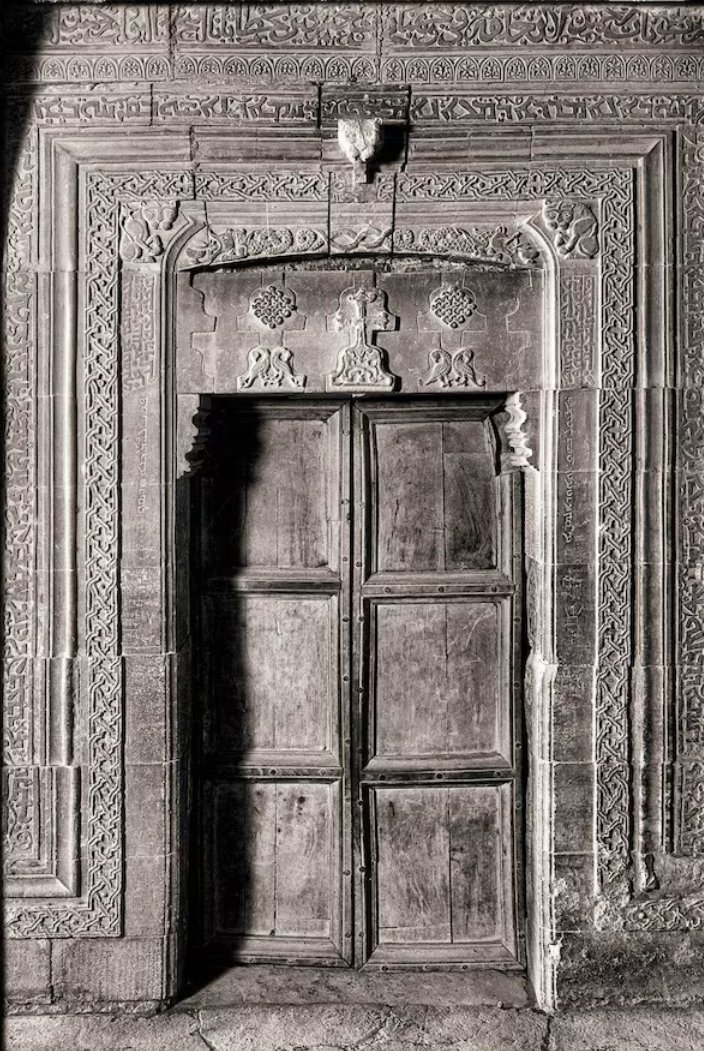
The Mār Behnam monastery in the Nineveh Plain of Iraq used to feature a doorway with a very rare trilingual inscription in 3 languages: Syriac, Arabic, and Uyghur (Old Turkic). It was gifted to the monastery by Mongols in the 13th century. It was destroyed by ISIS in 2015.
AnatolianArchaeology: A 4000 year old (OA) Assyrian tablet found in Kültepe, one of the most important karums of the Assyrian trade colonies, shows that the first established company in Anatolia was founded by 12 Assyrians with 15 kilos of gold.
Assyrian children from a kindergarten in Nineveh/Iraq. This region was the capital of the ancient Assyrian Empire. Copied from my friend, one of the kindergarten teachers.
The Rassam Cylinder (ten-sided clay prism) was created in 643 BC, during reign of King Ashurbanipal who ruled the Neo-Assyrian Empire from 669-631 BC. It was discovered in the ancient Assyrian city of Nineveh, near Mosul, present-day Iraq, by Hormuzd Rassam in 1854.
In over 1,300 lines of cuneiform text, cylinder records nine military campaigns of Ashurbanipal, including his wars with Egypt, Elam and his brother, Shamash-shum-ukin. It also records his accession to the throne and his restoration of the Palace of Sennacherib. The cylinder is the most complete chronicle on life of Ashurbanipal. There are some extracts from the cylinder below :
"I am Ashurbanipal, offspring of Ashur and Bêlit, the oldest prince of the royal harem, whose name Ashur and Sin, the lord of the tiara, have named for the kingship from earliest (lit., distant) days, whom they formed in his mother's womb, for the rulership of Assyria; whom Shamash, Adad and Ishtar, by their unalterable (lit., established) decree, have ordered to exercise sovereignty.
Esarhaddon, king of Assyria, the father who begot me, respected the word of Ashur and Bêlit-ilê (the Lady of the Gods), his tutelary (divinities), when they gave the command that I should exercise sovereignty; in the month of Airu, in the month of Ea, the lord of mankind, the twelfth day, an auspicious day, the feast day of Gula, at the sublime command which Ashur, Bêlit, Sin, Shamash, Adad, Bêl, Nabû, Ishtar of Nineveh, Queen of Kidmuri, Ishtar of Arbela, Urta, Nergal, Nusku, uttered, he gathered together the people of Assyria, great and small, from the upper to (lit., and) lower sea. That they would accept (lit., guard) my crown princeship, and later my kingship, he made them take an oath by the great gods, and so he strengthened the bonds (between them and me)....
By the order of the great gods, whose names I called upon, extolling their glory, who commanded that I should exercise sovereignty, assigned me the task of adorning their sanctuaries, assailed my opponents on my behalf, slew my enemies, the valiant hero, beloved of Ashur and Ishtar, scion of royalty, am I.
Egyptian Campaign :
"In my first campaign I marched against Magan, Meluhha, Taharqa, king of Egypt and Ethiopia, whom Esarhaddon, king of Assyria, the father who begot me, had defeated, and whose land he brought under his sway. This same Taharqa forgot the might of Ashur, Ishtar and the other great gods, my lords, and put his trust upon his own power. He turned against the kings and regents whom my own father had appointed in Egypt. He entered and took residence in Memphis, the city which my own father had conquered and incorporated into Assyrian territory. A swift courier came to Nineveh and reported to me. At these deeds, my heart became enraged, my soul cried out. I raised my hands in prayer to Ashur and the Assyrian Ishtar. I mustered my mighty forces, which Ashur and Ishtar had placed into my hands. Against Egypt and Ethiopia, I directed the march."
The Rassam Cylinder records the reign of Ashurbanipal until 645 BC. The latter years of his reign are poorly recorded, probably due to the fact that the Neo-Assyrian Empire was plagued with troubles. One of Ashurbanipal's last known inscriptions reads :
"I cannot do away with the strife in my country and the dissensions in my family; disturbing scandals oppress me always. Illness of mind and flesh bow me down; with cries of woe I bring my days to an end. On the day of the city god, the day of the festival, I am wretched; death is seizing hold upon me, and bears me down..."
The Rassam Cylinder is currently on display in the British Museum. A truly remarkable, yet biased, insight into reign of Ashurbanipal and the world in which he lived.
- Subscribe for Detailed Post -
#archaeohistories
Francis Vernon's "Voyages and Travels of a Sea Officer," published in 1792, details his encounter with both Turks and Assyrians.
“I landed, and found the small town inhibited by mixture of Turks and Assyrians”