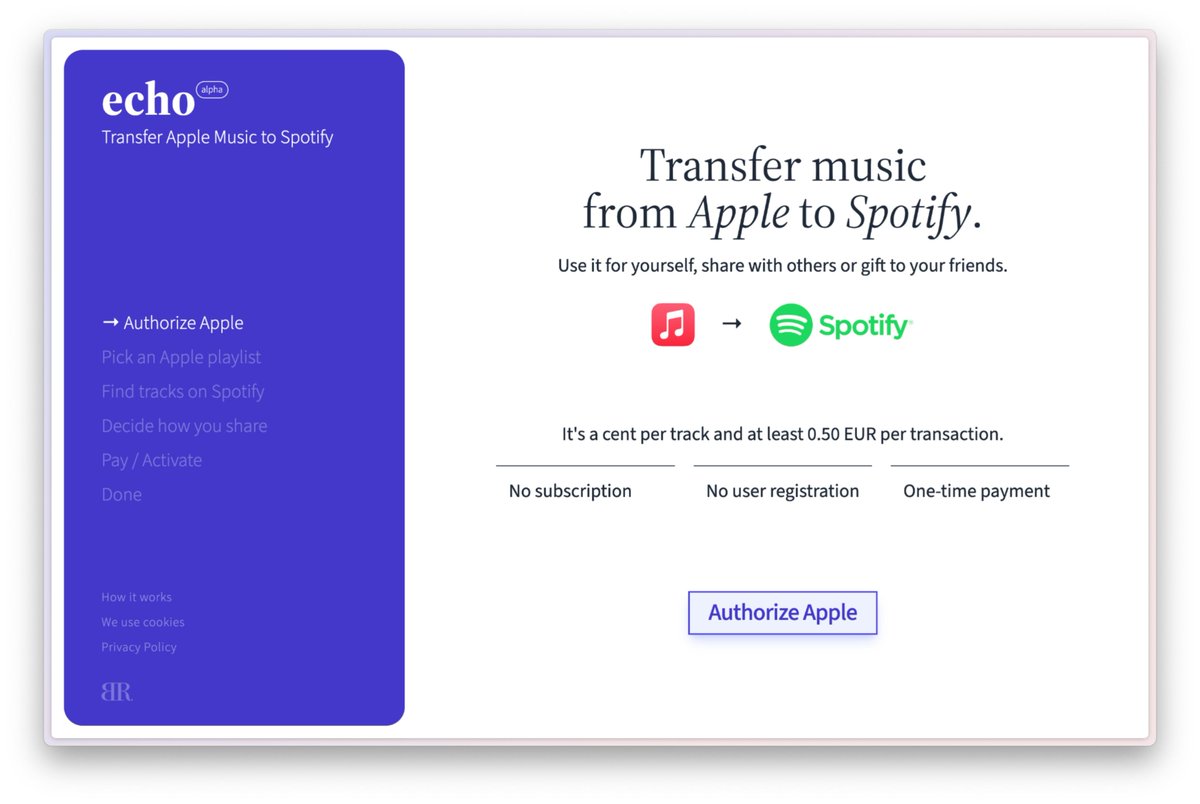
Adding one more discontinued project to my graveyard, https://t.co/Pq6SAfqDKS. All interactivity is implemented using #htmx. Backend is in #golang. #buildinpublic
I watched the C++ documentary. Here's my review.
We live in unprecedented times. We have the opportunity to talk to people who were at the origins of groundbreaking modern innovations. C++ will exist for millennia. Its creators will not.
I was fascinated by how C++ became so popular. Basically:
1. They did an outstanding job. Everyone wanted to use it.
2. Bjarne gave as many talks as he could to let people know about C++.
The marketing budget was abysmal in the beginning. Bjarne's employer gave him just $5,000. It was barely enough to organise a single conference.
C++ was so good that even Brian Kernighan himself said that C isn't suitable for problems where C++ excels (yes, that Brian Kernighan from the famous The C Programming Language).
What astonished me the most was how C++'s focus on performance enabled it to become so widespread and survive several "winters," such as periods when hardware was getting faster and faster every year. Nowadays, C++ is used everywhere: phones, operating systems, embedded systems, finance, energy grids, and scientific computing. Even the entire AI industry is powered by C++
C++ is a net positive for society, and making C++ better makes the entire world better.
Of course, C++ is not without its flaws. It is becoming bigger and more complex every year. It's really hard to learn C++ and use it effectively. The onboarding time is insane. Besides, safety remains a significant issue.
Regardless, exciting times lie ahead!
@ThePrimeagen Also,
> AI will create free/cheap energy, free education, cheaper and better food, homes that build themselves and medicine that makes you as healthy as a 30-year-old when you’re 100.
Should we expect free RAM at some point?
Who would’ve guessed that arbitrary code execution on fetching a dependency can be exploited. Nobody https://t.co/jijd10N0NP and https://t.co/cxvOrVV5Z7