Last week we tested a gamification challenge through @diehardmktg with a DJ + fine artist who turns every event into an art show.
Fans had to play to win. Here’s what happened 👇
Just went through TSA precheck at JFK terminal 4. Took less than 15mins. If you do not have precheck the line was super long so make sure to arrive early!
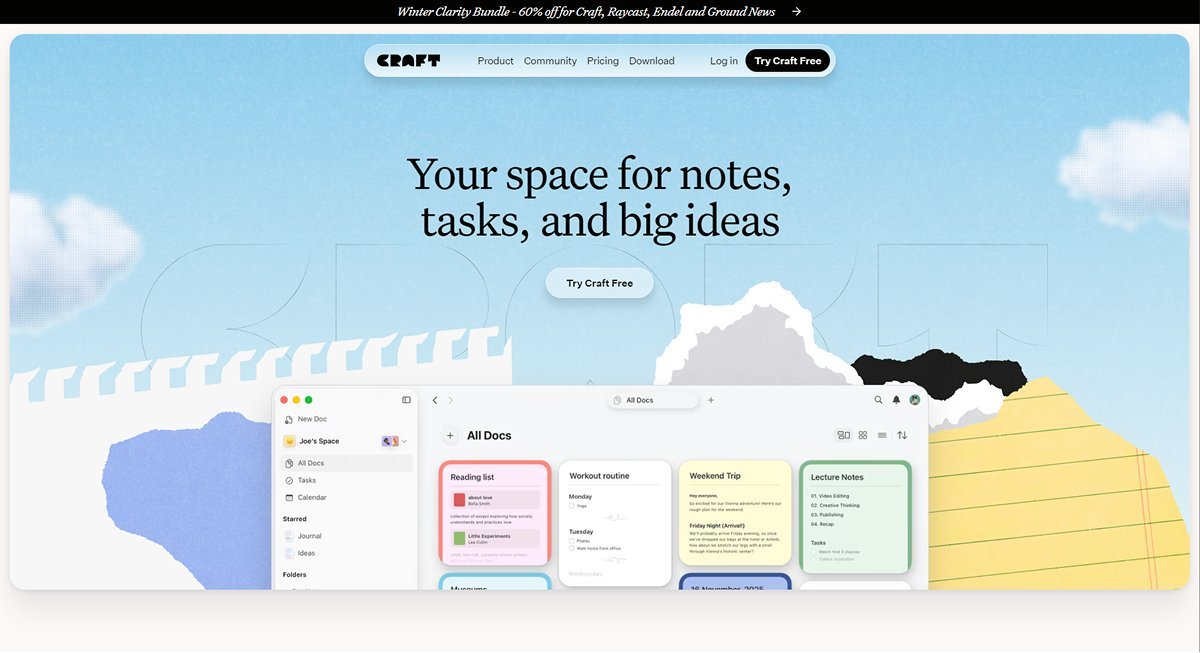
HOW TO VIBE CODE BEAUTIFUL UI
1\ sketch first, prompt second
don't start with text.
use excalidraw to draw a quick wireframe. boxes, buttons, where images go.
export it and tell the ai "follow this structure exactly"
ai copies way better than it imagines
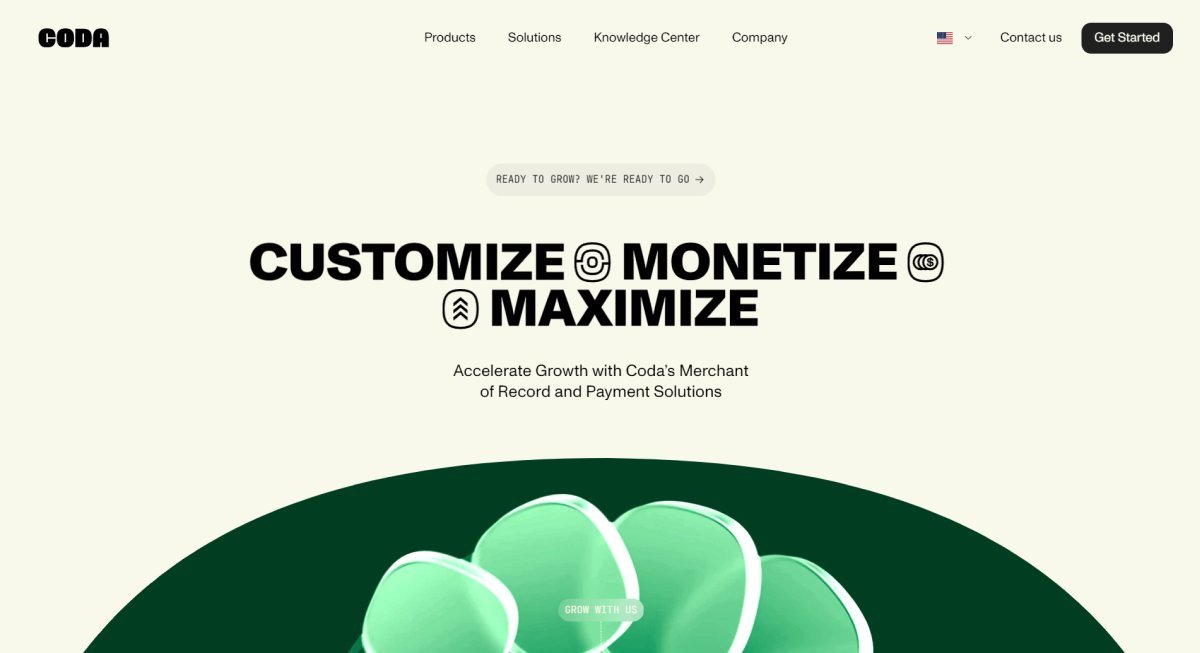
2\ screenshot what you like
go to dribbble, mobbin, or any site you think looks clean.
screenshot the specific section you want. a nav bar, a pricing card, a hero section.
paste it in and say "copy this style"
this alone changes everything
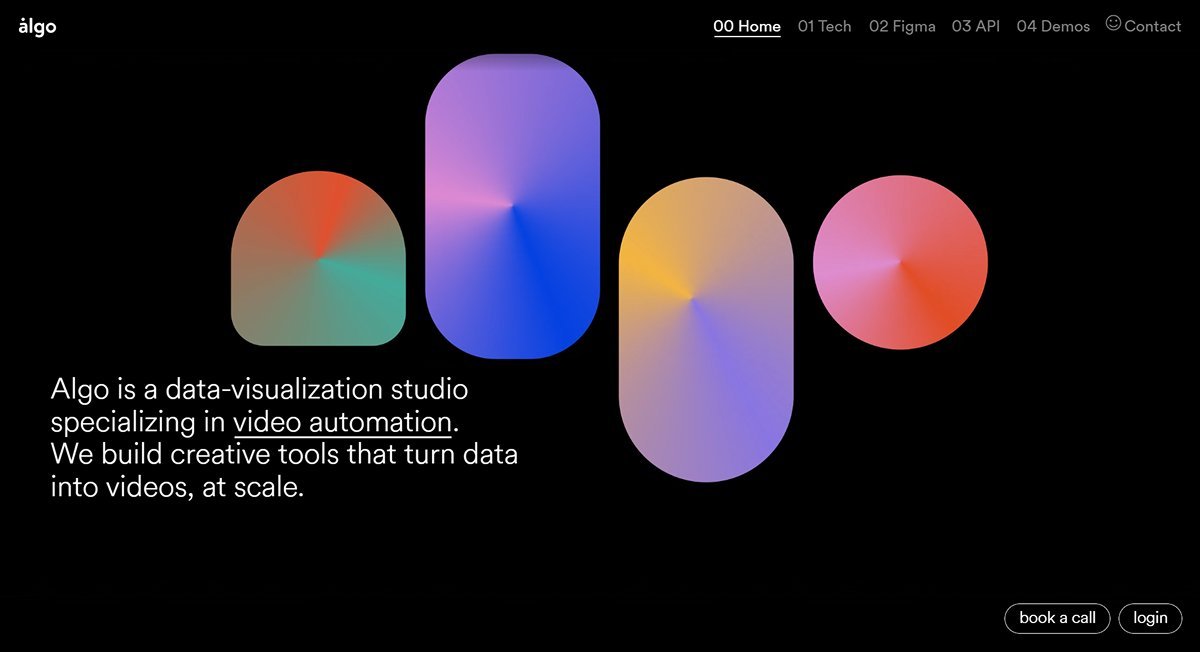
3\ feed it a mood board for colors
you ever try telling ai "make it feel modern and warm"? it just gives you the same blue every time
use a mood board generator like Nano Banner instead. feed that image to the ai and say "reference this for the color palette"
way more unique results than hoping for the best
4\ create a design system before you build
before writing any code, define your brand colors, typography, and spacing rules.
share that with your ai tool so every component stays consistent.
most vibe coded apps look off because there's zero consistency across pages
5\ use design skills and anti pattern rules
there's an open source tool on github called "ui/ux pro max skill" built for claude that forces it to use a reasoning engine before writing any ui code.
it generates a design system based on your industry and has built in rules that ban generic ai gradients.
basically tells claude "stop making it look like every other ai app"
6\ use screenshots as your primary communication
ai is good at copying. terrible at imagining.
the more visual context you give it the less it guesses.
stop typing "make it look clean" and start showing it exactly what clean looks like
7\ fonts and icons matter more than you think
ai always defaults to the same inter/lucide combo. instant tell that its ai generated.
go grab something unique from google fonts. swap out lucide for a custom icon library like phosphor.
small change but it immediately makes your app stop looking like a template.
the real issue isn't the ai
it's that most people just type "make a landing page" and hope for the best
Crazy thing about music marketing is…
the audience decides if your song is good.
The strategy just makes sure they actually hear it enough times to decide.
We ask if TikTok or Snapchat ads “work.”
The real question is — what happens after the first 3 seconds of attention?
LaRussell just sold an album for $18k.
Someone else paid $11k.
Others paid $10k.
(Nope, not an NFT!) It’s a pay-what-you want campaign.
You can only hear the record by contributing at least $1, but hundreds of fans have paid $100 or more.
LaRussell has already made more in one month than he’d get from 100 million streams on Spotify.
And it’s not even available on streaming yet.
We’ve been saying this for a while! There is unmet demand for direct-to-fan patronage models with exclusive access and scarcity.
Music Promotion makes people hear your song, Marketing makes people care about your song.
Most artists are just paying to be heard, not remembered.
Music Marketing includes:
•Audience research
•Artist positioning
•Story & narrative
•Brand identity
•Release strategy & rollout timeline
•Content strategy
•Platform focus
•Budget allocation
If you skip this part, PR and promotion won’t save you.
Most communities don’t fail loudly. They leak.
Part 3 of 10 biggest lessons learn from 10 years of running 250 communities.
Lesson 3: The Expectations Bucket (why communities quietly leak):
People show up once… maybe twice…and then they disappear.
Not because the concept was wrong - but because the expectations weren’t sealed.
Here’s the simple rule:
Every single thing you say will happen becomes an expectation.
And every unmet expectation punches a hole in the bucket.
One hole doesn’t empty it immediately.
But enough holes, and trust drains out.
This applies to everything:
-who the room is for
-how people are supposed to behave
-what’s safe to share (and what isn’t)
-how others will respond
-how long it will take
-what happens next
Online or offline - it doesn’t matter.
Unclear expectations = leaks.
Years ago, I ran an event called Vulnerability Breakfast.
It existed for one reason:
Founders wanted to talk honestly about how they were really doing - without worrying that something they said would come back to haunt them through an employee, investor, or board member. That only works if expectations are airtight.
So I didn’t just say “be vulnerable.”
I defined:
-what could be shared
-what could never be repeated
-how people should react
-what wasn’t acceptable
-what “normal” looked like in that room
It wasn’t restrictive - it was freeing. Because when people know the rules won’t change, they relax.
When the bucket doesn’t leak, people actually show up as themselves.
Another example:
I’ve hosted a monthly, hour-long deal flow call for over six and a half years.
One of the explicit promises is simple: We never go late.
And we never have.
If we’re about to run over, I will stop someone mid-sentence. Every time.
People still joke, “This will be the month Mike lets it slide.”
It never happens.
Not because I’m rigid - but because time is an expectation, and expectations are sacred.
That consistency compounds.
People trust the container.
They plan around it.
They show up without friction.
The same logic applies everywhere.
If you host an event where people aren’t supposed to ask, “So what do you do?”
you need to give them better questions to ask.
If you run an online community:
What’s okay to post?
What’s off-limits?
How do people introduce themselves?
What does a good response look like?
What happens when someone crosses a line?
Silence isn’t flexibility. It’s ambiguity. And ambiguity is the fastest way to leak trust.
Here’s the upside:
When your expectations bucket is fully sealed - when every promise you make is consistently true - people stop questioning you.
They don’t need more details.
They don’t need reassurance.
They don’t negotiate the value.
I’m about to announce a ticketed event that is a paid ticket event.
Everyone I’ve mentioned it to has said the same thing:
“I’m in.”
No follow-up questions.
No skepticism.
Not because of branding. But because the bucket has never leaked before.
A community with sealed expectations isn’t just well-run.
It’s trusted.
And trust, once earned, compounds faster than growth.
If your community needs to be loud to feel alive, it’s already leaking value.
Part 8 of 10 biggest lessons learned from 10 years of running 250 communities.
Lesson 8: The Noise Narrative (why loud doesn’t mean good)
There’s a story we tell ourselves about communities and events:
If it’s big, it must be good.
If it’s active, it must be working.
If everyone’s talking about it, it must matter.
That story is wrong more often than we admit.
In practice, there are two very different models people confuse with each other.
One is the nightclub model: long lines, constant promotion, “biggest event,” “most active group,” endless reminders, and a sense that popularity itself is the product. The noise is the signal.
The other is the speakeasy model: fewer announcements, quieter rooms, consistently high reviews, and a reputation that spreads person-to-person. You don’t hear about it often, but when you do, it’s from someone you trust.
Most people say they want the second.
Most people market like the first.
I see this most clearly in inboxes and group chats.
Some organizers send fifteen emails announcing how big and active everything is. Some WhatsApp groups pride themselves on being “the most active,” with 50–100 messages a day. That level of noise doesn’t create engagement for me. It creates fatigue.
I don’t think hyperactivity is a virtue.
I think it’s often a substitute.
In communities, more messages doesn’t mean more value. It usually means lower air quality. People don’t leave loudly. They mute, archive, and slowly disengage. Noise doesn’t build trust; it erodes it.
The same is true for events.
Being big doesn’t mean being good. In fact, size often works against quality. I’ve heard the same sentence many times: “That event used to be great. Now it’s just… a lot.”
That’s the cost of optimizing for scale without intention.
The best events I know don’t need to shout. One email goes out and they fill up in minutes. Not because they’re secret, but because they’re consistently good. The story travels without amplification.
Which gets to the real point:
Communities move on stories, not announcements.
Announcements say, “Look how big this is.”
Stories say, “This was worth my time.”
When someone tells you, unprompted, that an event was special, or a group is worth being in, that carries more weight than any metric you can publish.
The mistake isn’t having reach.
It’s mistaking noise for proof.
Great communities don’t try to be the loudest thing in the room.
They try to be the thing people talk about when the room is quiet.
So as you want to build up a community, what stories will the members tell? How do you build around that?
One trading app across Web, Mobile, and Telegram.
Quickscope lets you discover tokens, execute trades, share alpha, and earn from anywhere, all inside a single system.
Open Beta: https://t.co/CkAx98WKae
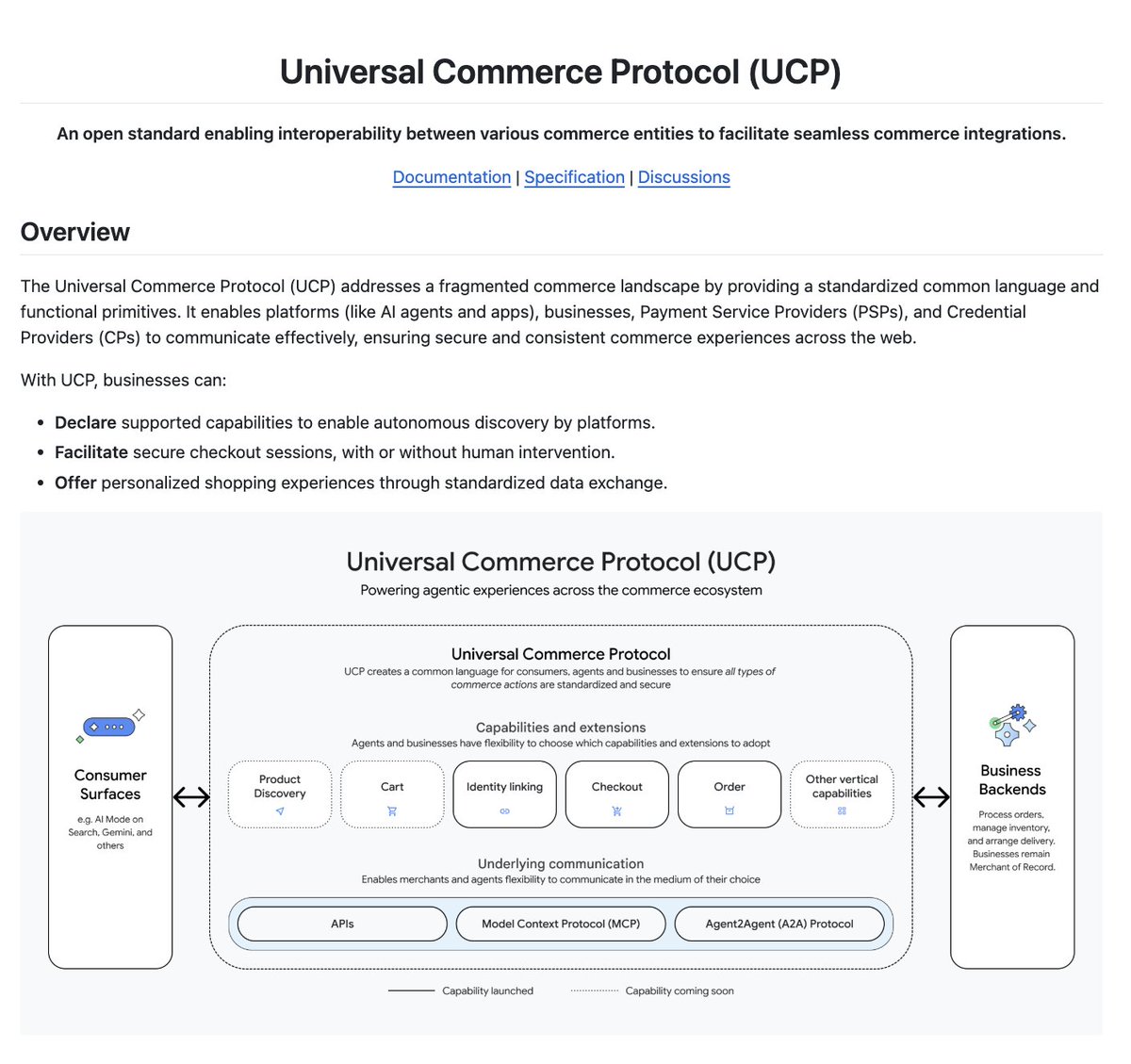
Google just opensourced Universal Commerce Protocol.
AI Agents can now discover products, fill carts, and complete purchases autonomously.
Works with Agent2Agent (A2A), Agents Payment Protocol (AP2) and MCP.
100% Opensource.
The one constant in memecoin trading has always been groups.
Telegram is where traders scan, debate, and decide together.
Quickscope is built with a deep understanding of how trading actually happens on Telegram.
Any founders interested in pitching my friends at Slauson & Co?
They are an early-stage VC firm investing in companies that empower the next generation of entrepreneurs and underserved communities.
💰 Check Size: $500K - $3M
Comment "DM" below. Happy to get you connect.