AI × filmmaking just hit the next level.
UNLIMITED Wan 2.6 on OpenArt
• Multi-shot control
• Up to 15s cinematic consistency
• Fraction of the price
Want copy-paste cinematic storyboard prompt pack?
✅ Follow + RT + reply “prompt” = prompts in DM
https://t.co/e3QvZ2SL72 On Wednesday evening, Luail, Ireland’s national dance company, will bring Chora, its acclaimed inaugural dance work, to Cork Opera House, and is offering an audio description and a pre-show touch-tour for people with visual impairment or neurodiversity.
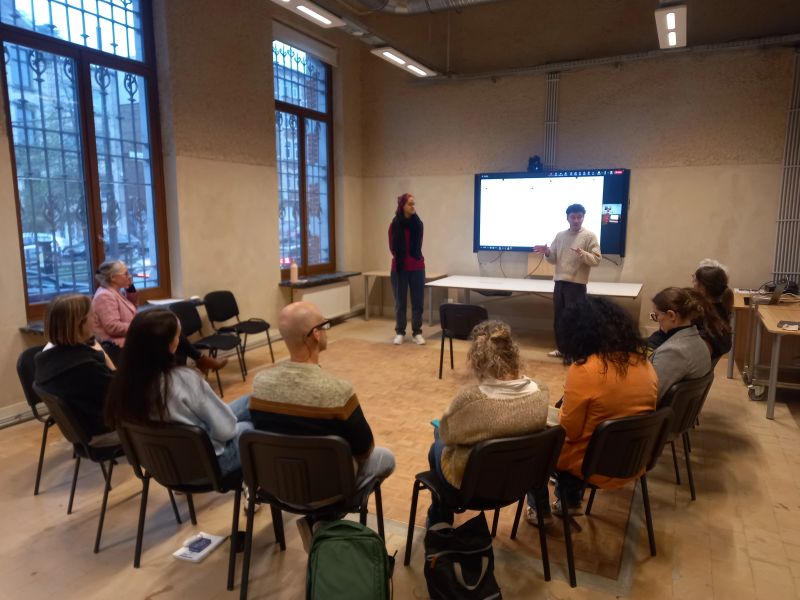
Always inspiring to see what participatory group work can achieve! 🌍✨Over two days in Brussels, 12 colleagues from 🇧🇪🇭🇷🇮🇪🇪🇸—university staff, students & experts—refined new tools to embed community engagement in curricula & university practices in Europe. More updates soon.🚀
Always inspiring to see what participatory group work can achieve! 🌍✨Over two days in Brussels, 12 colleagues from 🇧🇪🇭🇷🇮🇪🇪🇸—university staff, students & experts—refined new tools to embed community engagement in curricula & university practices in Europe. More updates soon.🚀
This came unexpected! @OpenAI released Swarm, a lightweight library for building multi-agent systems. Swarm provides a stateless abstraction to manage interactions and handoffs between multiple agents and does not use the Assistants API. 🤔
How it works:
1️⃣ Define Agents, each with its own instructions, role (e.g., "Sales Agent"), and available functions (will be converted to JSON structures).
2️⃣ Define logic for transferring control to another agent based on conversation flow or specific criteria within agent functions. This handoff is achieved by simply returning the next agent to call within the function.
3️⃣ Context Variables provide initial context and update them throughout the conversation to maintain state and share information between agents.
4️⃣ Client run() initiate and manage the multi-agent conversation. It needs an initial agent, user messages, and context and returns a response containing updated messages, context variables, and the last active agent.
Insights:
🔄 Swarm manages a loop of agent interactions, function calls, and potential handoffs.
🧩 Agents encapsulate instructions, available functions (tools), and handoff logic.
🔌 The framework is stateless between calls, offering transparency and fine-grained control.
🛠️ Swarm supports direct Python function calling within agents.
📊 Context variables enable state management across agent interactions.
🔄 Agent handoffs allow for dynamic switching between specialized agents.
📡 Streaming responses are supported for real-time interaction.
🧪 The framework is experimental. Maybe to collect feedback?
🔧 Flexible and works with any OpenAI client, e.g., Hugging Face TGI or vLLM-hosted models.
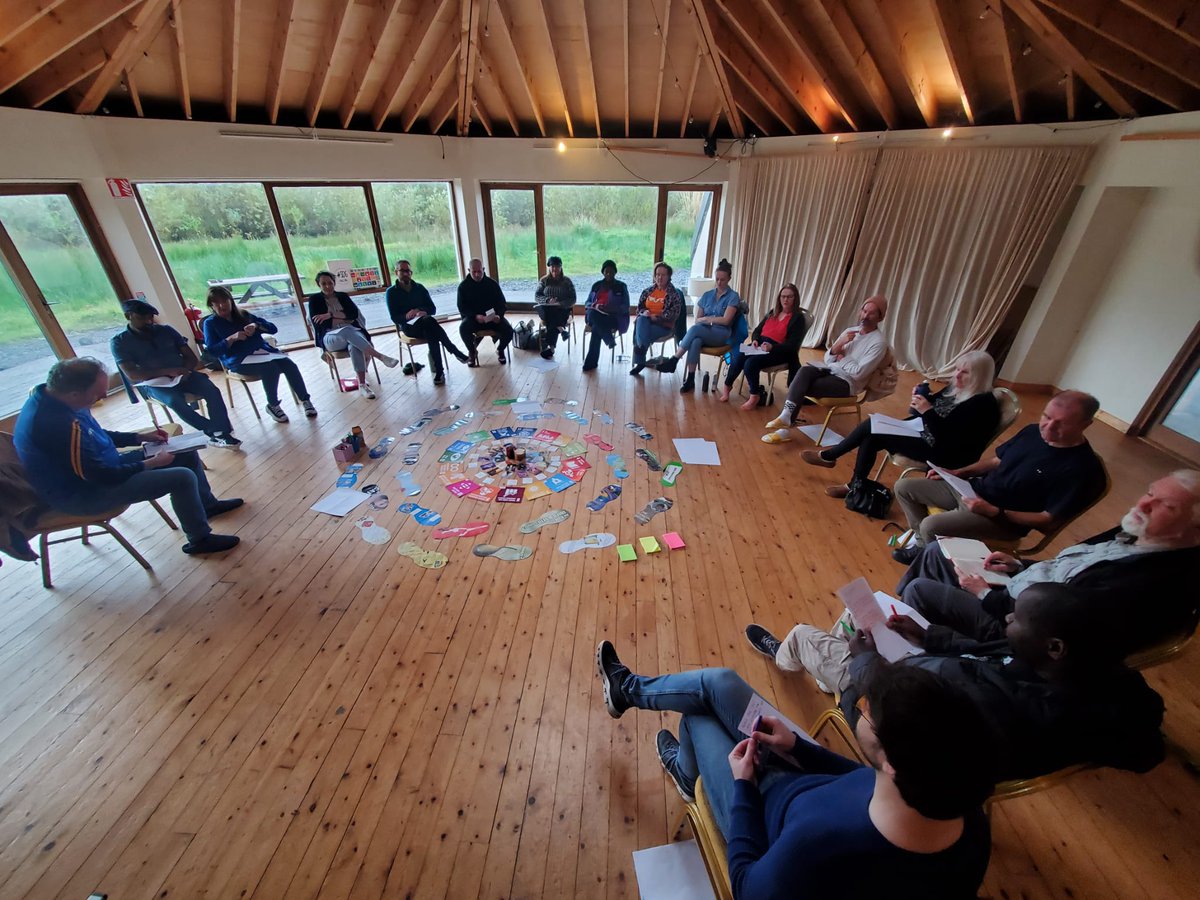
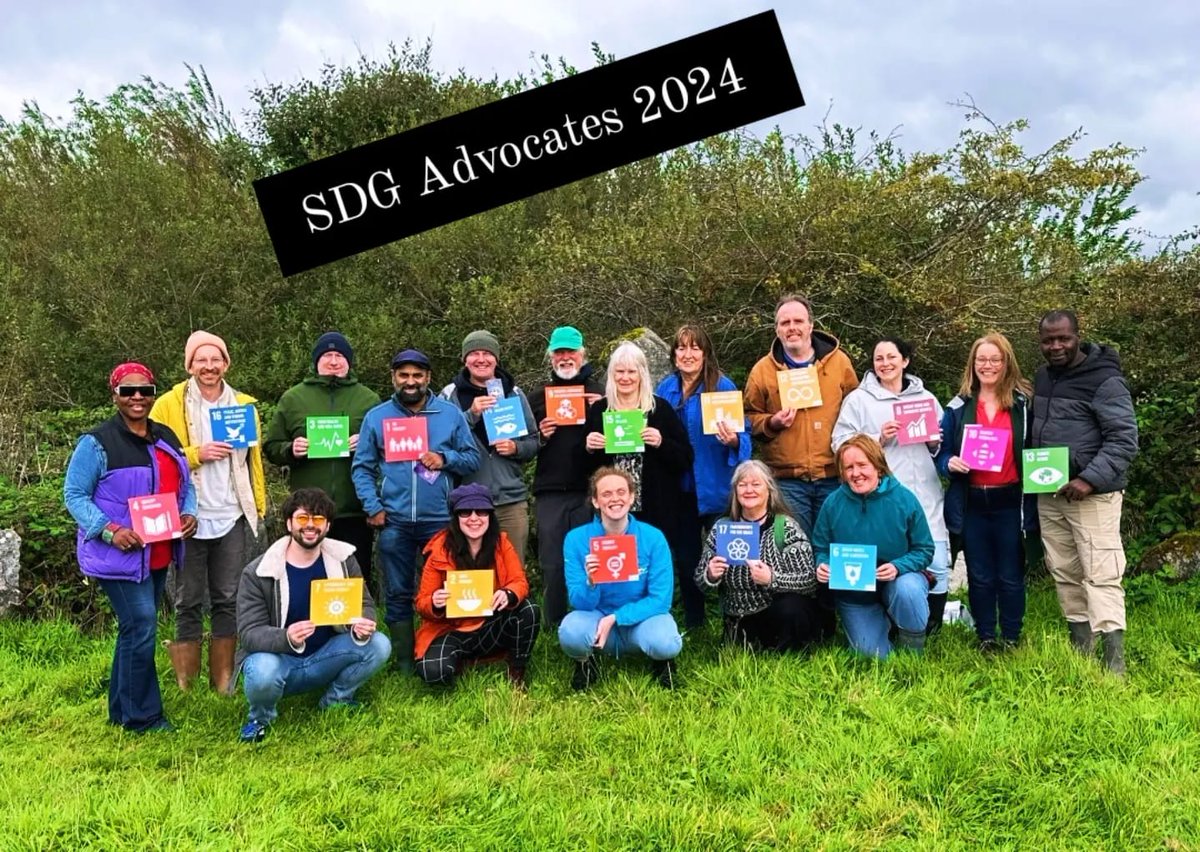
The #SDGadvocate training for 2024 came to an end yesterday. Such a wonderful and inspiring group of changemakers and educators who are active across the Island. A video and stories of action to come. #SDGsIrl
Special webinar/panel focused on recent UN Summit of the Future & progressing the #2030Agenda & #SDGs on an all-island basis.
Access virtual event via https://t.co/L3XkQatCZq & please distribute to your local networks
#sdg_irl#ESDW2024
@Dept_ECC
@SDSN_EU@SDSN_EU@SDG_Academy
Could the next big open source model be built by a global network of independent builders?
@NousResearch’s DisTrO is showing it’s possible—training powerful AI models using the public internet, without relying on big tech or massive data centers.
In this episode of the AI + a16z podcast with @AnjneyMidha, @theemozilla and @bloc97_ dive into the technical breakthroughs behind DisTrO and explore how it could democratize AI development for builders everywhere.
Hear the full conversation: https://t.co/4GBYwX5c6Q
Language models process data as one-dimensional sequences of tokens — ideal for text, but limited for understanding the physical world.
In contrast, spatial intelligence embraces a 3D representation, unlocking a deeper understanding of space and time.
More from @martin_casado's interview with @drfeifei and @jcjohnss:
Never thought I would be a podcast host, but...
my arm was twisted and I'm co-hosting this season's Complexity Podcast from @sfiscience. Our topic is "The Nature of Intelligence" 🧠🤖
We have an amazing lineup of guests over six episodes.
I hope you'll check it out!
Launching on Wednesday, Sept 25. Stay tuned!
Right now, #AI is having a moment — and it’s not the first time grand predictions about the potential of machines are being made. But, what does it really mean to say something like ChatGPT is “intelligent”? What exactly is #intelligence?
The next season of the #Complexity #podcast, 'The Nature of Intelligence', explores this question through conversations with cognitive and neuroscientists, animal cognition researchers, and AI experts in six episodes. Together, we'll investigate the complexities of human intelligence, how it compares to that of other species, and where AI fits in. We'll dive into the relationship between language and thought, examine AI's limitations, and ask: Could machines ever truly be like us?