Shopify CEO Tobi Lutke explains Goodhart’s law and why he doesn’t like KPIs or OKRs
“Goodhart’s law is real. The moment a metric becomes a goal, it’s no longer a useful metric… No metric by itself is a complete heuristic for a complex business. There’s a million different tensions in a company, and you can’t keep all of them in harmony by optimizing for one thing.”
For this reason, Shopify doesn’t use KPIs or OKRs. But as Tobi explains, this doesn’t mean they don’t value data and metrics.
“We are extremely data informed. We have invested enormous amounts of money and time into systems that give us basically everything at our fingertips… But what Shopify attempts to do is just not over-fit for what’s quantifiable.”
People love optimizing for highly-quantifiable things because there’s immediate gratification that comes from seeing a number go up. But Tobi thinks that the most important aspects of a product are rarely quantifiable:
“The overlap of the most valuable things you can do with a product and the things that happen to be fully quantifiable are like maybe 20%. Which leaves 80% of a value space unaddressable by the people who only look at quantifiable things.”
He continues:
“Shopify is comfortable with unquantifiable things like taste, quality, passion, love, hate… The sort of deep satisfaction that a craftsperson feels when they’ve done a job well is actually a better proxy if you allow it to be.”
They then have robust analytics systems that tell the company if something’s wrong or a new rollout breaks something.
“We think about it as a cockpit for a pilot. The decisions are still made by pilots, and we think this leads to better results… I think there needs to be more acceptance in business of unquantifiable things… And then metrics take a support function.”
Video source: @lennysan (2025)
The real progress with Cursor was when I have made very specific project rules. TBH, not PRD that mattered the most, but API and game logic rules - reduced AI hallucinations by a lot.
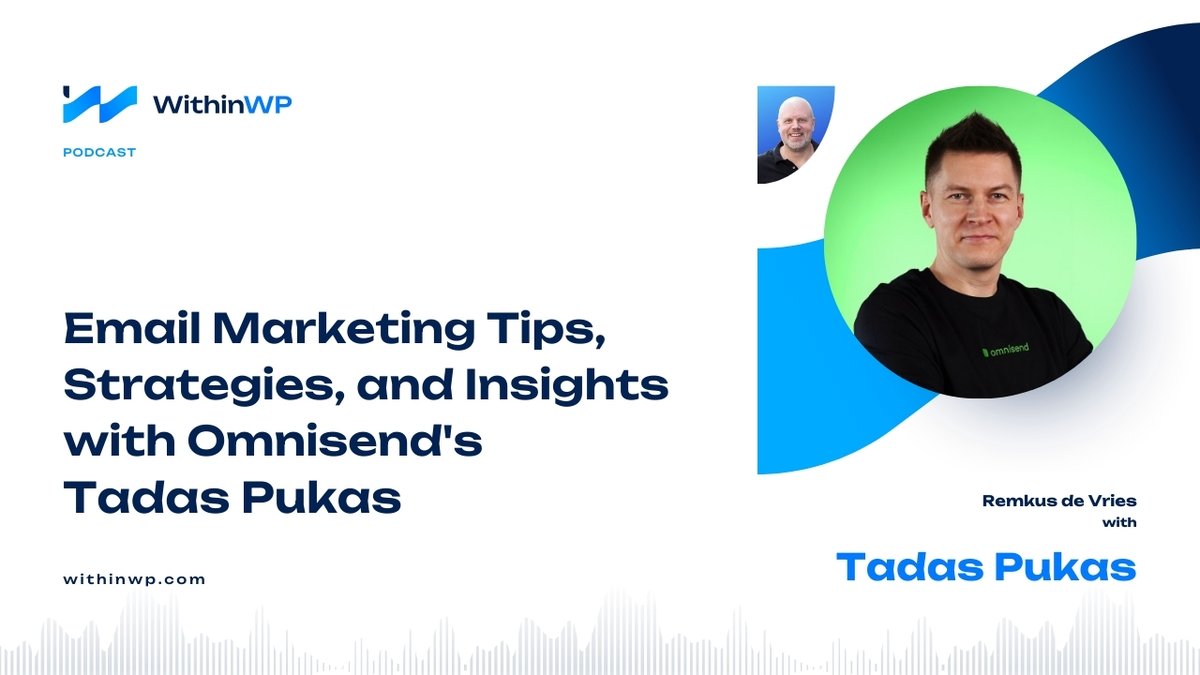
Most people do email marketing wrong.
This episode with Omnisend’s @tadaspadas lays out what right looks like:
✔️ Personalization that goes beyond {first_name}
✔️ Recovering lost sales with behavioral flows
✔️ Automations that run smarter, not just more often
If you care about long-term engagement, listen in, link in first comment →
If you're not yet doing email marketing, listen to this podcast. If you are already doing email marketing, definitely listen to this podcast I did with @tadaspadas from @Omnisend!
If you're not yet doing email marketing, listen to this podcast. If you are already doing email marketing, definitely listen to this podcast I did with @tadaspadas from @Omnisend!
@audiogeniusai @marclou I see that it has way way more details. As I'm no coder, do you think creating requirements first and then asking Cursor to create detailed rules is a good way forward? I have created those rules with Cursor, but not that detailed.
@audiogeniusai @marclou I use prd.mdc, plan.mdc, tasks.mdc as Cursor Project Rules and have some under AI Rules under Settings. Do you have good rules examples that are not about requirements and tasks?
@audiogeniusai @marclou I have both prd.mdc and high level plan.mdc. Then specific tasks in tasks.mdc for a specific phase of implementation and progress tracking in https://t.co/yJIB4lp13W . Nevertheless after two attempts the tasks were implemented, but it did not work on localhost.