@JAMANetworkOpen@CritCareReviews 💬 Editorial: Despite high use, sodium bicarbonate did not benefit return of spontaneous circulation or survival in in-hospital cardiac arrest, supporting guideline recommendations to avoid routine use.
#CCR26@CritCareReviews
https://t.co/6kc2iCDX5N
𝗦𝘂𝗴𝗴𝗲𝘀𝘁𝗲𝗱 𝗥𝗲𝘃𝗲𝗿𝘀𝗮𝗹 𝗦𝘁𝗿𝗮𝘁𝗲𝗴𝗶𝗲𝘀 𝗼𝗳 𝗢𝗿𝗮𝗹 𝗔𝗻𝘁𝗶𝗰𝗼𝗮𝗴𝘂𝗹𝗮𝗻𝘁 𝗨𝘀𝗲 𝗳𝗼𝗿 𝗠𝗮𝗷𝗼𝗿 𝗕𝗹𝗲𝗲𝗱𝗶𝗻𝗴 𝗮𝗻𝗱 𝗯𝗲𝗳𝗼𝗿𝗲 𝗘𝗺𝗲𝗿𝗴𝗲𝗻𝗰𝘆 𝗦𝘂𝗿𝗴𝗲𝗿𝘆.
As shown in Panel A, reversal management depends on the urgency of surgery or the invasive procedure. Reversal management includes administration of oral or intravenous (IV) vitamin K with or without 4F-PCC, depending on the timing of the procedure (emergency or urgent), baseline international normalized ratio (INR) value, and presence (or absence) of active bleeding. For patients receiving direct oral anticoagulants (DOACs), the decision also depends on time to surgery. Decision making is informed by DOAC type, time since last dose, half-life, presence (or absence) of active bleeding, and renal function tests to estimate residual drug activity.
Panel B shows reversal strategies for patients presenting with major bleeding while receiving an oral anticoagulant. The reversal strategy of vitamin K antagonists includes vitamin K given intravenously or orally, combined with 4F-PCC and INR testing. Management of anticoagulant reversal of direct oral FXaIs is based on four key factors (shown as the 4Ts): type of bleeding, timing of the last dose, thrombotic risk, and need for invasive procedures in the next 48 hours that would result in the administration of UFH. These factors may facilitate the use of specific (e.g., andexanet alfa) or nonspecific (e.g., 4F-PCC) antidotes. The reversal of dabigatran is informed by three clinical variables (shown as the 3Rs) — the type of bleeding, time of the last dose of dabigatran, and preserved renal function.
Learn more in the Review Article “Antidotes for Anticoagulation Reversal” by Bianca Rocca, MD, PhD, and Hugo ten Cate, MD, PhD: https://t.co/XobqwMebfy
NEJM subscribers: Explore this article deeper with AI Companion.
Surviving Sepsis 2026 is here & it's even more loony tunes than I was expecting.
They're promoting pre-hospital ABX & preemptive broad-spectrum IV antibiotics for intubated patients.
This insane fever dream is an antimicrobial stewardship nightmare.
Embarrassment for SCCM.
An estimated 61 million people used unregulated #opioids in 2023 worldwide.
This Review discusses the efficacy, safety, and practical considerations of treating patients with medications for #opioid use disorder, opioid withdrawal, and opioid overdose.
https://t.co/tIHNLKTcfO
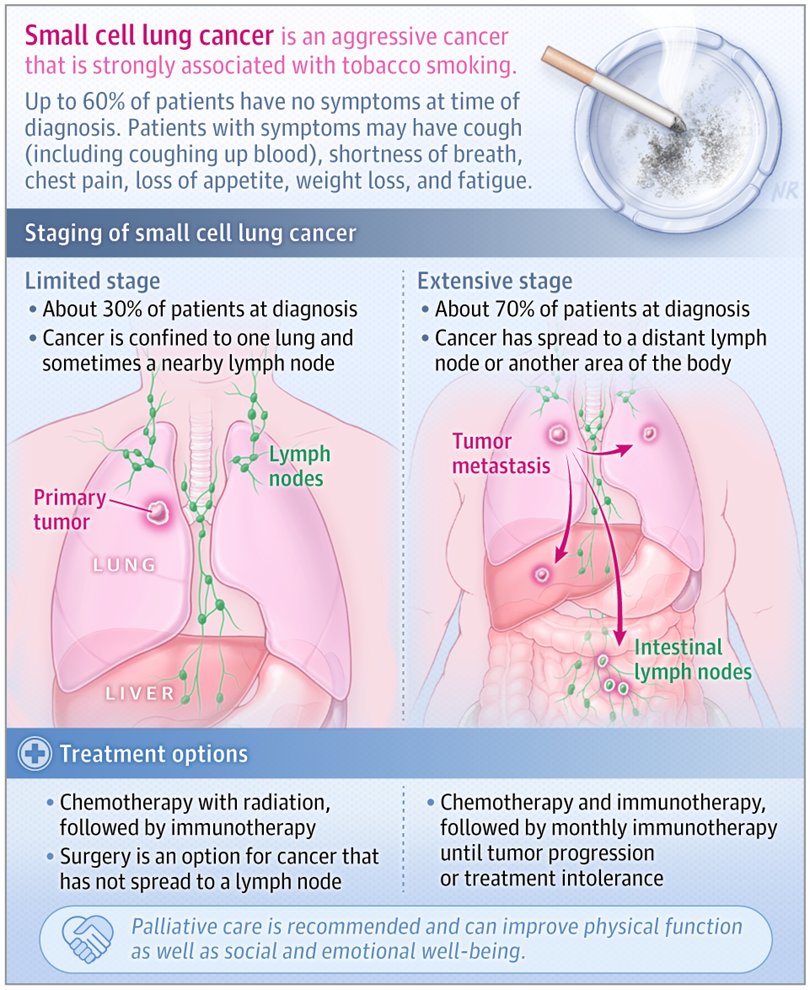
Small cell lung cancer is a fast-growing cancer that is strongly associated with tobacco smoking.
📝 This JAMA Patient Page describes small cell lung cancer and its symptoms, diagnosis and staging, treatment, and prognosis.
https://t.co/ccv6azQnQU
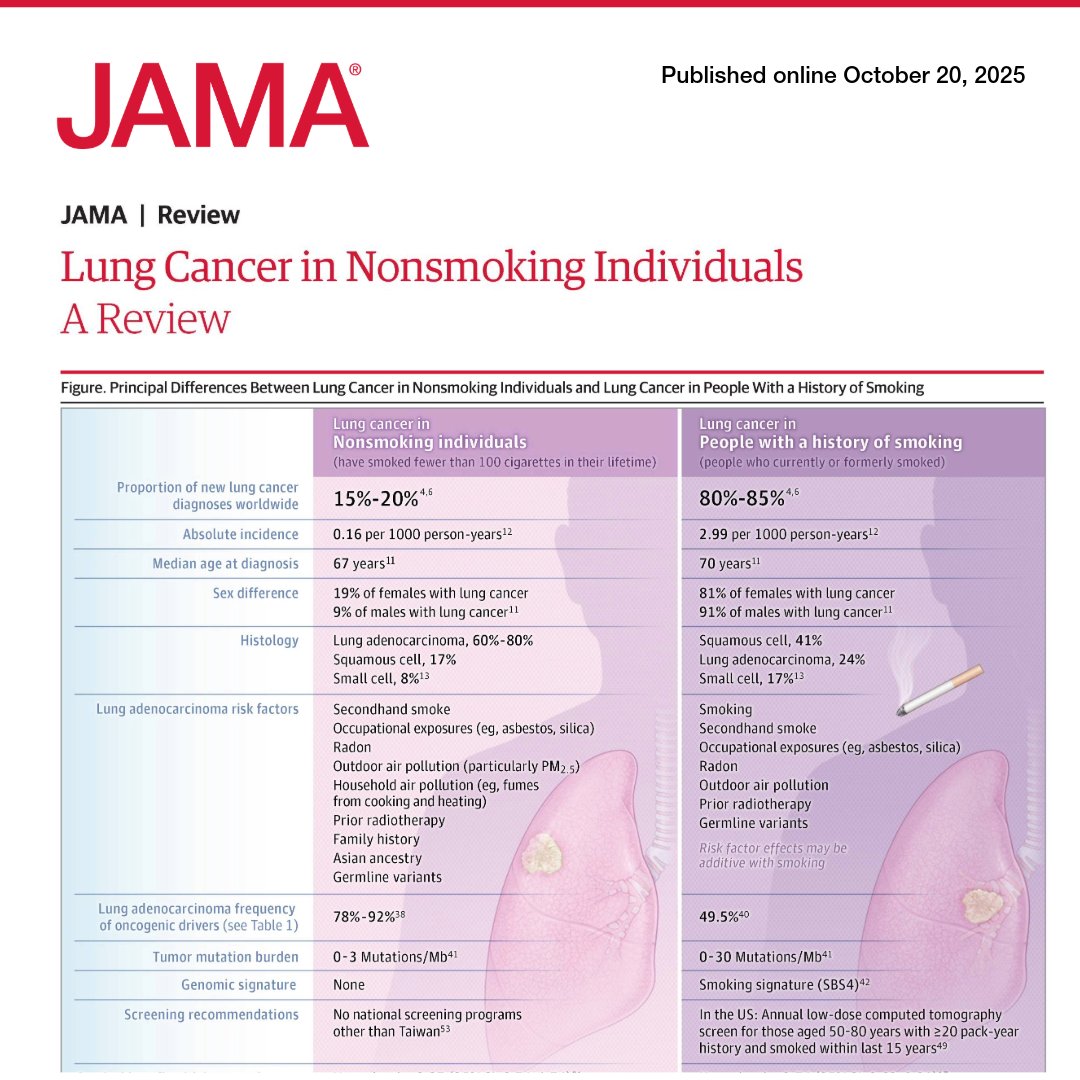
#LungCancer is the leading cause of cancer-related mortality worldwide, causing approximately 1.8 million deaths in 2022.
📝 This Review discusses the epidemiology, diagnosis, treatment, and prognosis of lung cancer in nonsmoking individuals.
https://t.co/5wJoPXogtw
Interstitial #LungDisease (ILD) is characterized by inflammation and/or fibrosis within the alveolar interstitium of the lung, affecting approximately 650 000 people in the US. This Review summarizes the diagnosis and treatment of ILD.
📑 Cite now: https://t.co/mhogxffM7F
EMCrit 411 - You Need to Understand the Andromeda-Shock-2 RCT for Septic Shock
Personalized Hemodynamic Optimization based on Cap Refill
On this episode, I discuss the ins and outs of the entire trial--next week I speak with the study authors
#ANDROMEDASHOCK
https://t.co/N7nu7wmOH6
Presented at #LIVES2025:
In the SuDDICU trial of patients undergoing mechanical ventilation in the intensive care unit, selective decontamination of the digestive tract did not result in a lower incidence of in-hospital death than standard care alone. Full trial results: https://t.co/Wvm5rQI0CU
The Sequential Organ Failure Assessment (SOFA) score is the most widely used tool for evaluating organ dysfunction.
This week, JAMA published the SOFA-2 score, a data-driven update that incorporates current organ support therapies and introduces new scoring thresholds. https://t.co/8C8omQv7w6
Original Article: Deferring Arterial Catheterization in Critically Ill Patients with Shock (EVERDAC trial) https://t.co/N5ou9POC0r
Editorial: A Less Invasive Approach to Intensive Care https://t.co/l5fexdtzZX
#LIVES2025
SOFA-2, validated in >3 million ICU patients, incorporates contemporary organ support and treatments, showing strong predictive validity for ICU mortality in diverse international settings.
#LIVES2025@ESICM
https://t.co/zafbT6HrVK
📊 Research Summary: Personalized resuscitation targeting capillary refill time modestly improved organ support–free days and composite outcomes in early septic shock, but showed no difference in mortality vs usual care.
#LIVES2025@ESICM
https://t.co/HT2pxrAT3F
Presented at #LIVES2025:
In a pragmatic trial conducted in general medical wards with limited diagnostic and therapeutic resources in Kenya, glucocorticoids reduced mortality in patients with community-acquired pneumonia. Full trial results: https://t.co/92E1MiIprS
Editorial: Glucocorticoids for Pneumonia in Africa — Old Therapy, New Context https://t.co/RzmkFy8Q4e
Presented at #LIVES2025:
In the EVERDAC trial involving patients with shock, results for death at day 28 indicated that management without early arterial catheter insertion was noninferior to early catheter insertion. Full trial results: https://t.co/jgmThogrgL
Editorial: A Less Invasive Approach to Intensive Care https://t.co/o52QhF75l7
💬 Editorial: The BICARICU-2 trial finds IV sodium bicarbonate may delay or reduce kidney replacement therapy in #criticallyill patients with severe #acidemia and #AKI, but its effect on mortality remains uncertain.
#LIVES2025@ESICM
https://t.co/Lvf3wiQMP5
Small cell lung cancer represents 10% to 15% of all lung cancers, and approximately 16 000 cases were diagnosed in the US in 2024.
This JAMA Patient Page describes small cell lung cancer and its symptoms, diagnosis and staging, treatment, and prognosis. https://t.co/Xtee51TCDW
@khaledzeid The need for lung biopsy is clinical decision not radiological decision and has lot of aspects to think about beyond just radiological findings
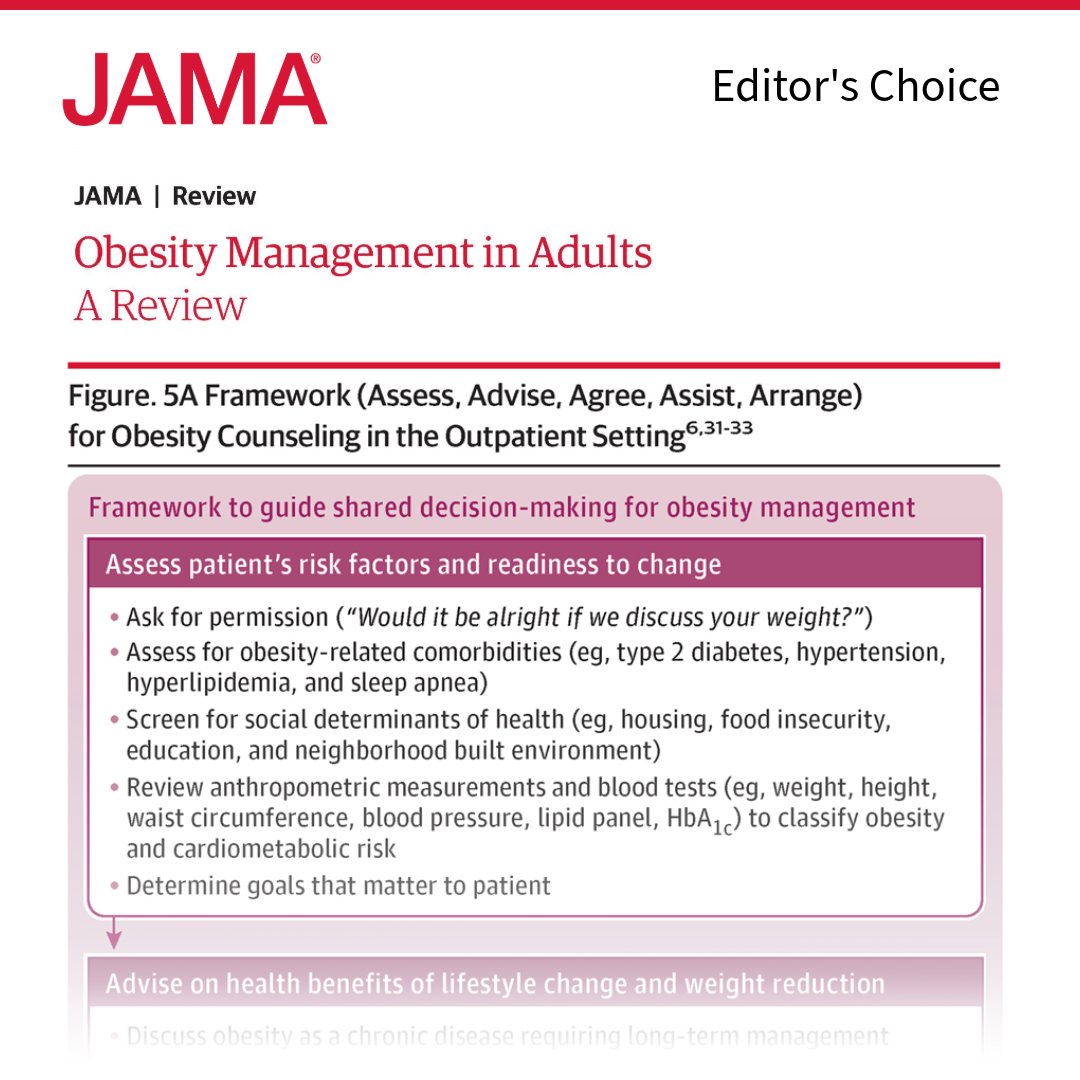
✅ Editor's Choice: This review highlights the latest evidence-based approaches to obesity management, spanning behavioral, nutritional, pharmacologic, and surgical interventions.
🔖 Bookmark it for your citations: https://t.co/2ZoAA5NbYu
🤖New in #CritCare
AI is reshaping ICU care—but how do we implement it responsibly?
This consensus from 22 experts outlines key challenges and actionable recommendations for integrating AI into critical care.
🔗https://t.co/cCdit4xrci
@jlvincen