Have any questions or want to get science-backed tools and tips for optimizing your sleep based on your personal sleep struggles? DM us, we love to nerd out on sleep science.
Just 200 mg of caffeine (one large cup of coffee) within 3 hours of bedtime disrupts sleep by shifting your brain into a more chaotic, wake-like state.
Key findings from new research:
Non-REM sleep:
• ↑ Brain complexity and criticality (chaotic, wake-like patterns)
• ↓ Deep restorative delta and theta waves
• ↑ Alert-state beta waves
REM sleep:
• Weaker effects, mostly in visual brain regions
• Younger adults (20–27) experience greater disruption than middle-aged adults (41–58), likely due to higher adenosine receptor density
Bottom line: Even if you sleep through the night, late caffeine reduces sleep quality, impairing memory consolidation and brain restoration.
For better sleep quality, enjoy caffeine earlier in the day.
Reference: DOI:10.1101/2024.05.27.596056
A single 25–30g dose of creatine not only reversed the cognitive deficits of 21 hours of sleep deprivation, but it also enhanced brain function beyond well-rested levels.
Accompanying this was an increase in brain creatine levels and high-energy phosphates—suggesting that high-dose creatine effectively gets into the brain, where it has rapid bioenergetic effects.
According to @darrencandow, this rapid effect on brain bioenergetics makes high-dose creatine a compelling candidate for treating conditions like TBI, dementia, and depression—where neuronal energy failure is a common feature.
Our brain requires massive amounts of energy to function optimally —and the more that the brain is stressed, the more creatine seems to come to the rescue.
Episode 100 of the FoundMyFitness podcast is live; it explores the emerging science of creatine for brain health, cognitive resilience, muscle strength, and bone density.
Now available on YouTube, Spotify, and Apple Podcasts.
Poor sleep isn't just an inconvenience—it's a health crisis. Overheated rooms, blue light, and processed foods are stealing our rest. By choosing natural solutions like melatonin-rich foods and cool, dark bedrooms, we can get the deep sleep our bodies need.
Big Pharma doesn't want you to know this...
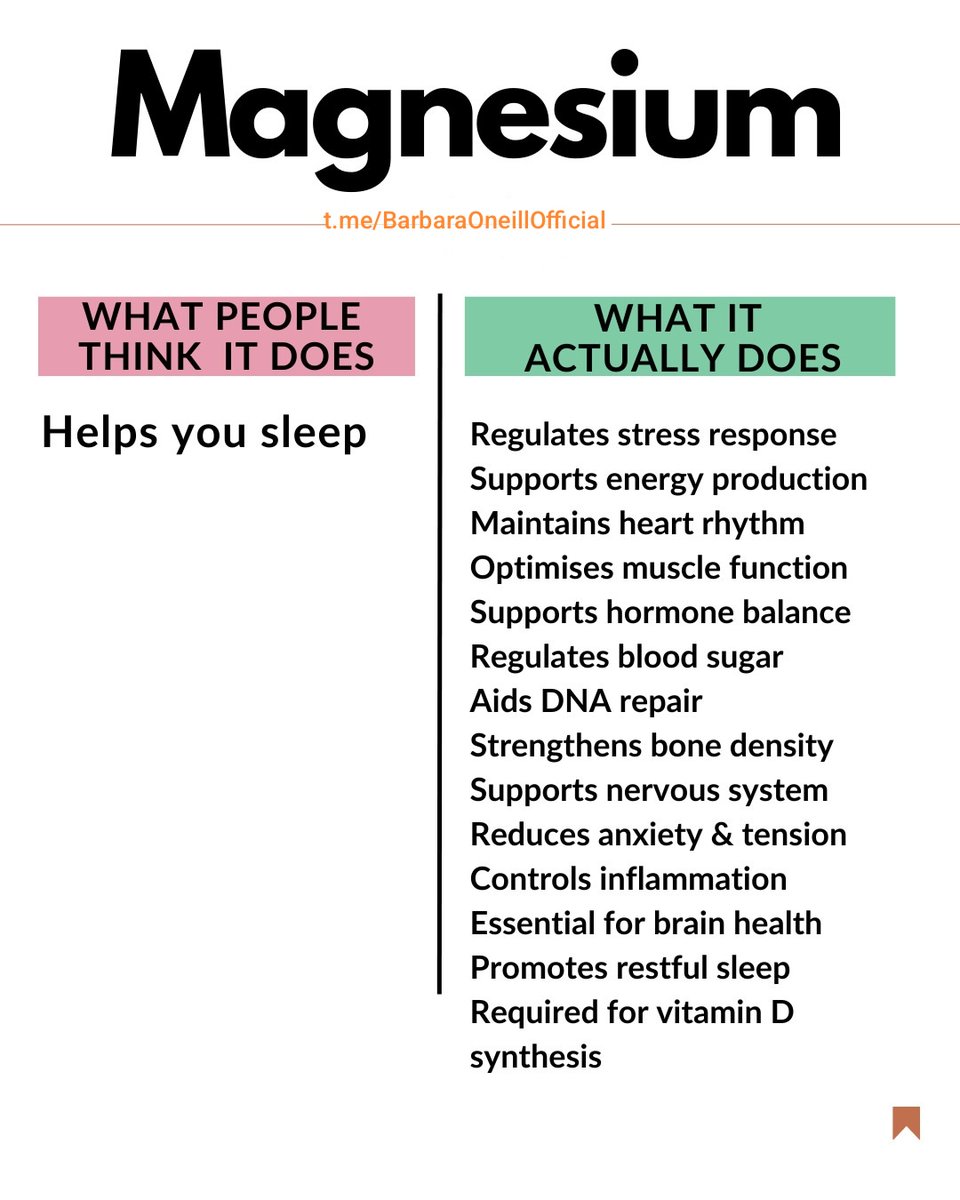
Millions are suffering from anxiety, fatigue, and other health issues—yet the root cause is often overlooked: magnesium deficiency.
Here’s how magnesium affects your body and how to fix it (according to science):🧵👇
Magnesium powers over 300 biochemical reactions in your body, yet many women aren’t getting enough - particularly those managing high-stress lifestyles.
The impact of magnesium extends far beyond sleep.
For women navigating demanding careers through perimenopause, it's fundamental to energy production, hormone balance, and stress resilience.
Every time you respond to an urgent email, lead a presentation, or power through a workout, you're using magnesium.
During perimenopause, magnesium becomes particularly crucial.
It supports bone mineral density when estrogen declines, helps regulate thyroid function, and plays a key role in temperature regulation.
At a cellular level, it's essential for producing ATP - your body's energy currency.
The hormone connection is particularly fascinating: magnesium supports healthy estrogen metabolism and progesterone production.
This explains why optimal magnesium levels often correlate with better stress management, clearer thinking, and more stable moods - all vital when you're leading teams or making strategic decisions.
Modern life depletes magnesium significantly - stress, caffeine, alcohol, and intense exercise all increase magnesium requirements.
Combined with reduced mineral content in modern foods, it's clear why insufficiency is common among high-performing women.
The recommended amount is generally 300-400mg daily.
Some people with higher stress loads or intense training schedules may need more, but this should be individually assessed.
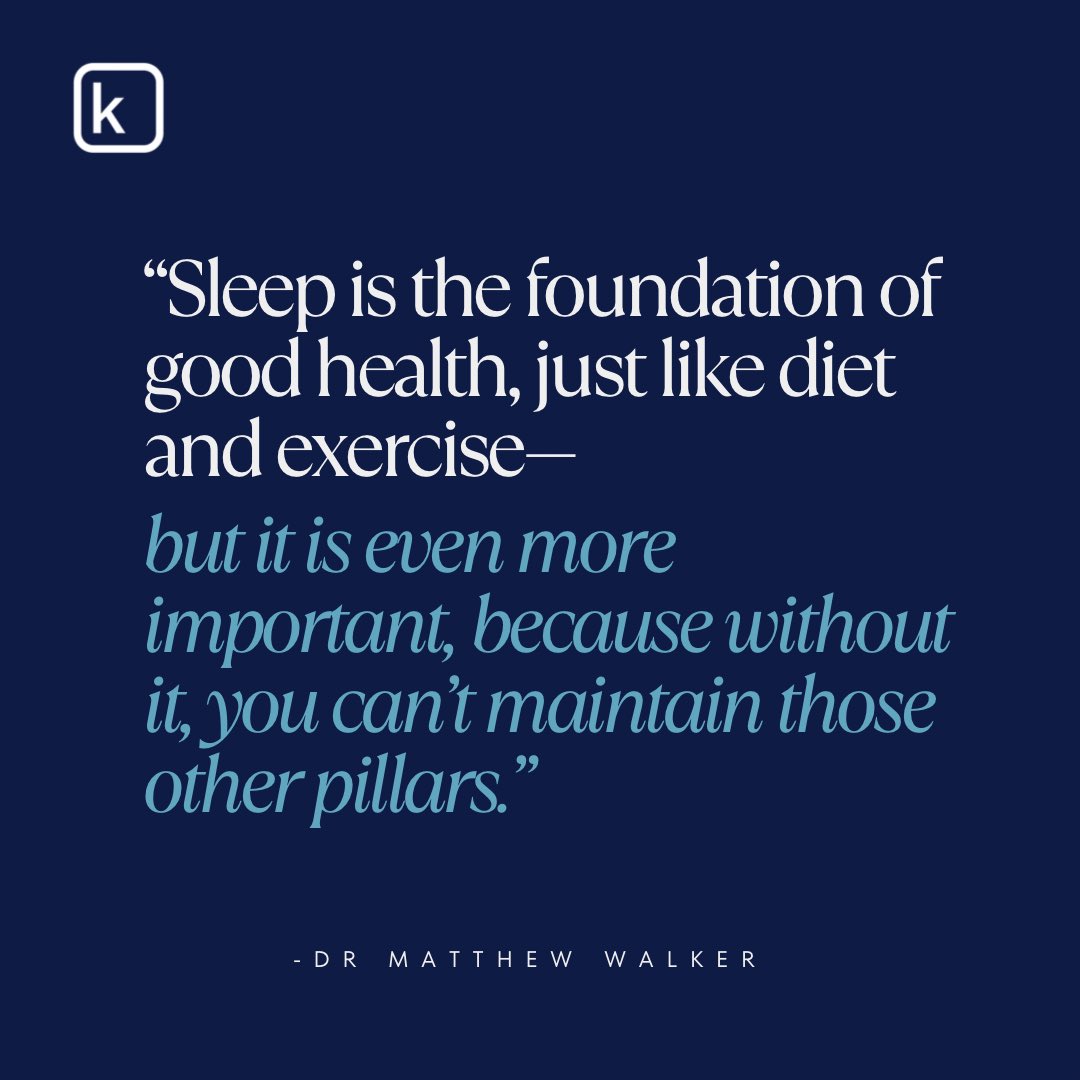
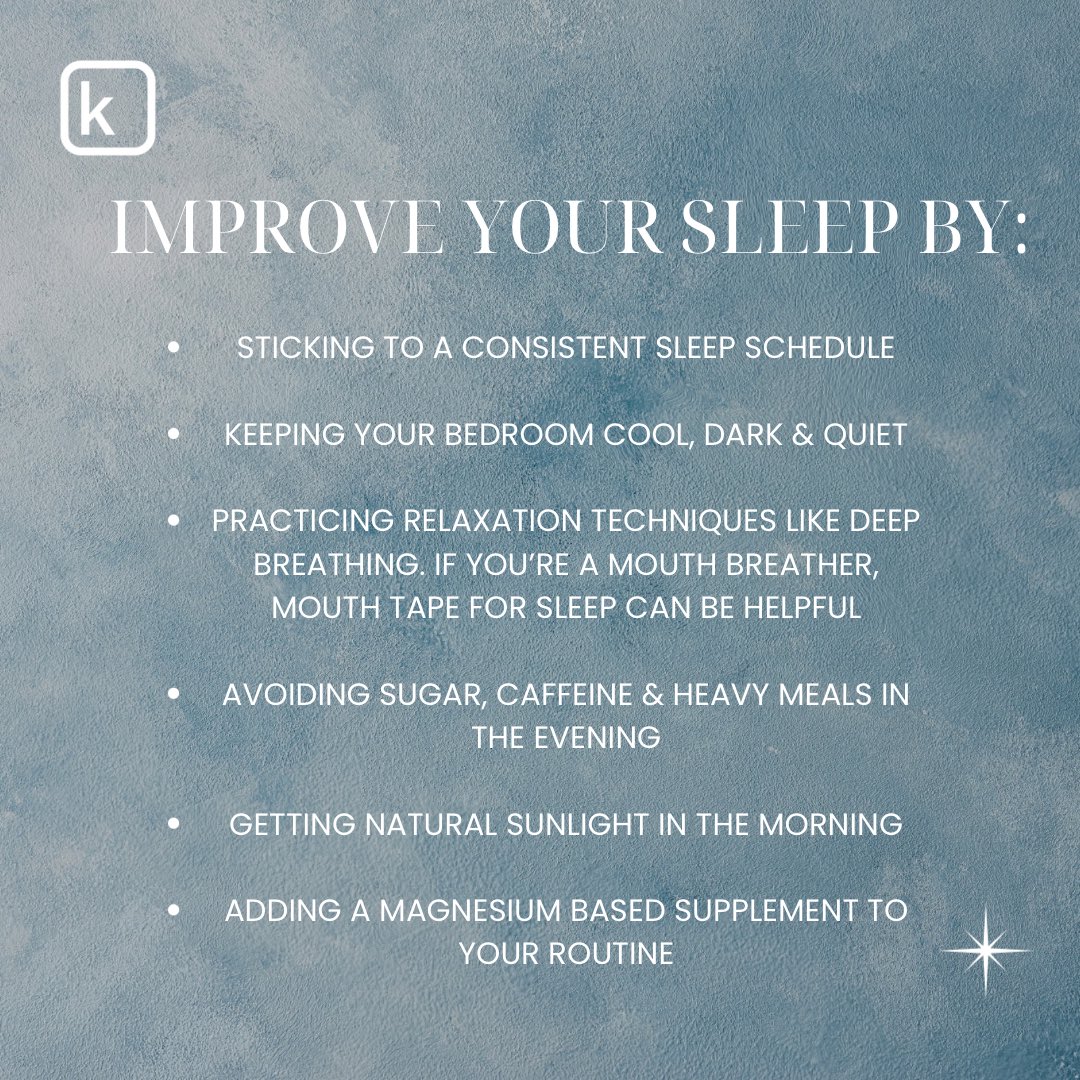
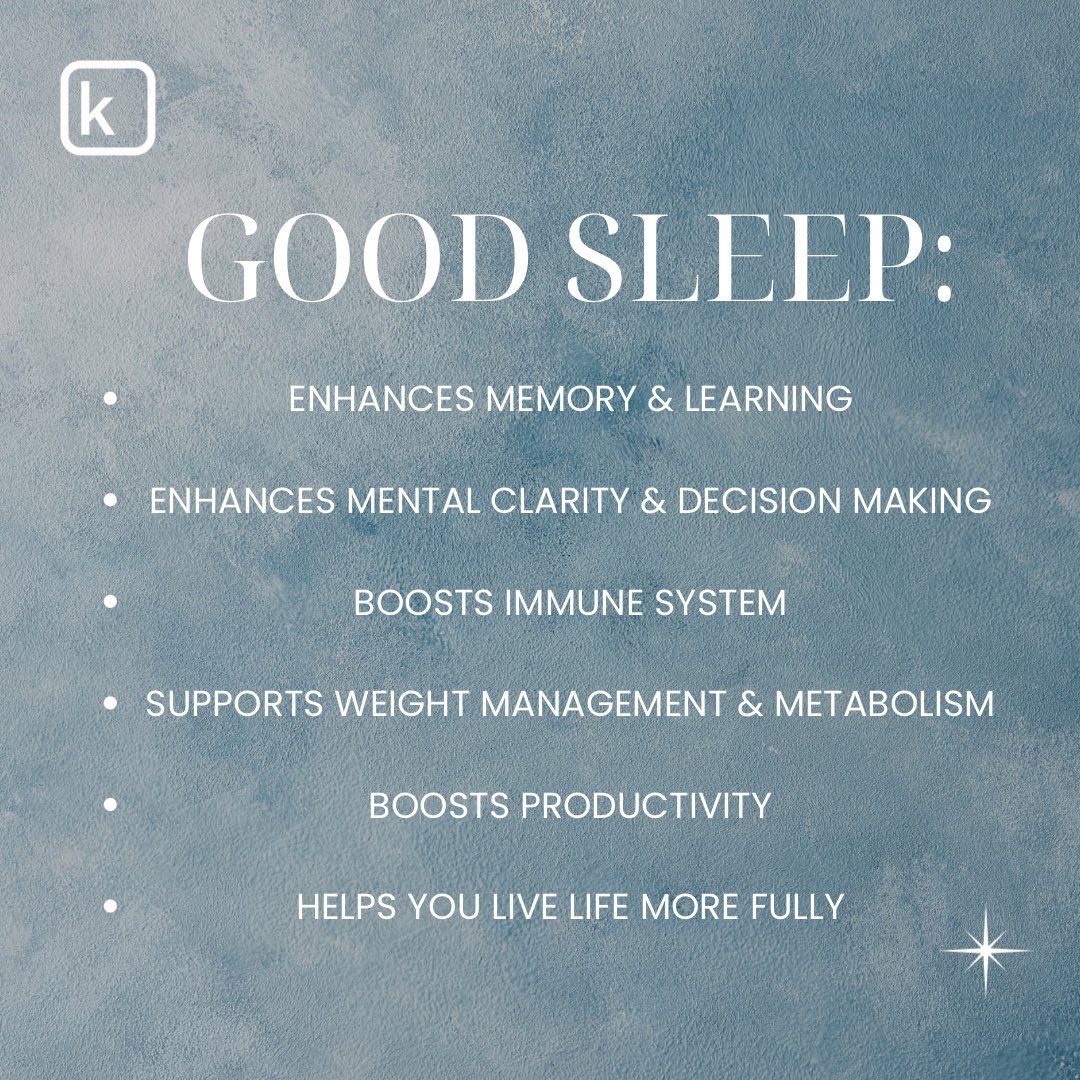
SLEEP IS 🔑
Chances are your New Year's Resolutions all start with sleep. Swipe and follow us for sleep tips, tricks & facts 🫡😴 #sleep#newyear #2025
Struggling to wind down during the holidays? Try magnesium glycinate:
✔️ Calms the mind
✔️ Relaxes muscles
✔️ Supports deep, restorative sleep
Stay rested and stress-free all season long. #MagnesiumGlycinate#HolidaySleep